
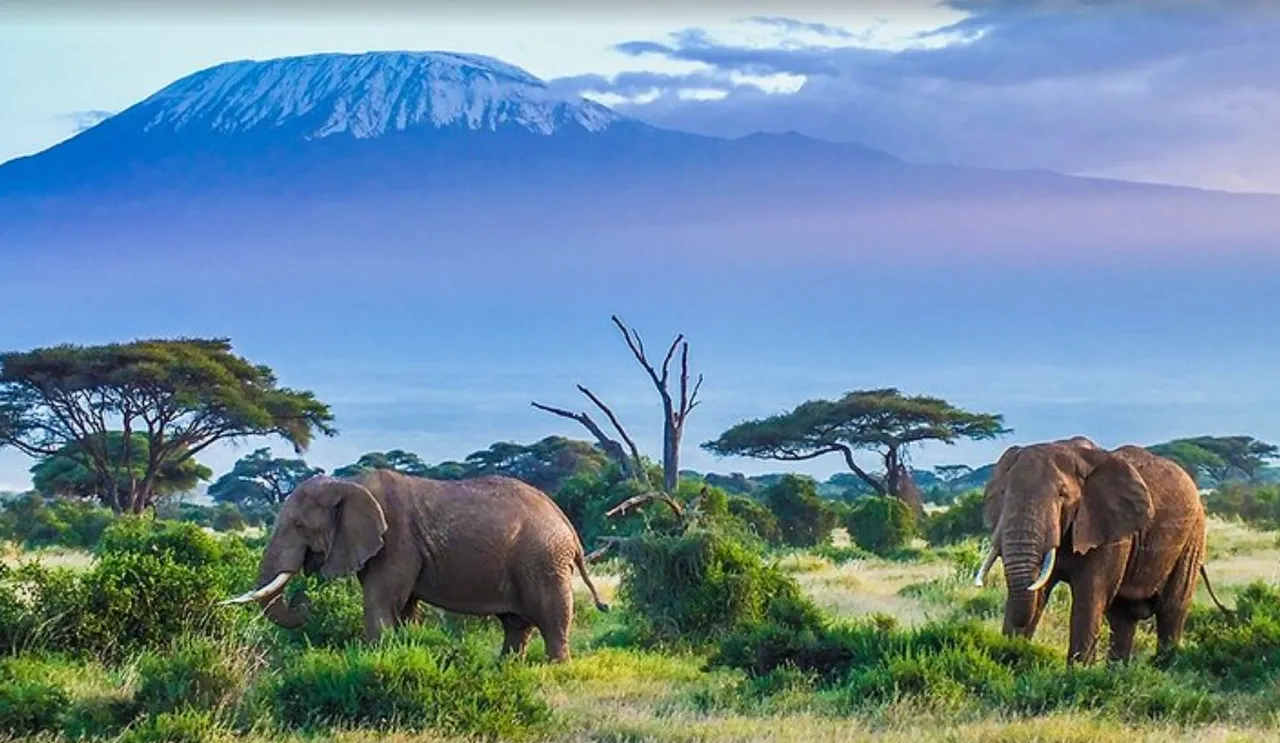
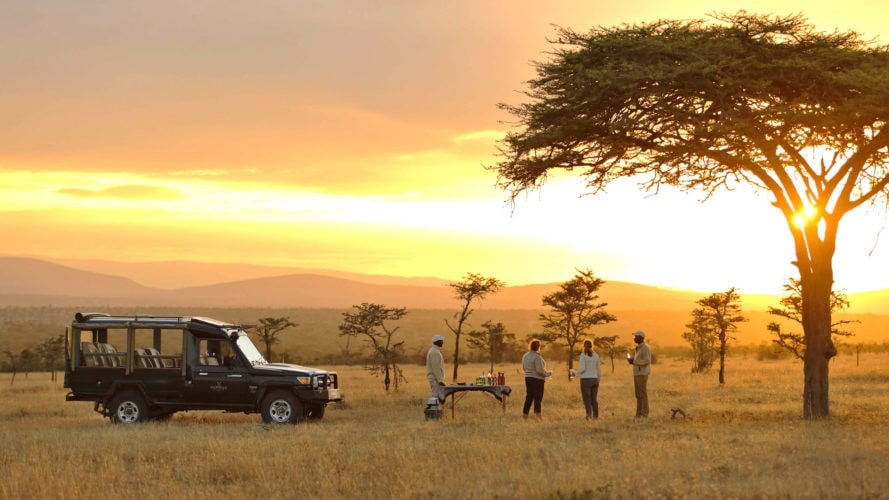
There is a moment on safari that nobody really warns you about. It is not the one where you spot a lion or watch a herd of elephants cross the road in front of your vehicle. It is the quieter moment, usually early morning, when you are sitting in the bush with your coffee and the light is just coming up and you realize that nothing about this place operates on your schedule. Africa moves at its own pace, and once you surrender to that, the whole trip shifts.
I have been on safari. I have stood at the edge of Victoria Falls and felt the mist before I even saw the water. I have done daily game drives along the Zambezi and watched the river come alive on a sunset cruise. I have slept in a luxury tented camp where the sounds of the bush were my alarm clock. I have been on a day safari in Chobe and seen more elephants in a single afternoon than I ever expected to see in a lifetime. And I have trekked through the forest in Rwanda to spend time with mountain gorillas, then turned around and gone on safari at Akagera National Park in the same trip. These experiences do not sit in the same category as a typical vacation. Planning them well is the difference between a good trip and one that genuinely changes something in you.
So here is what you actually need to know.
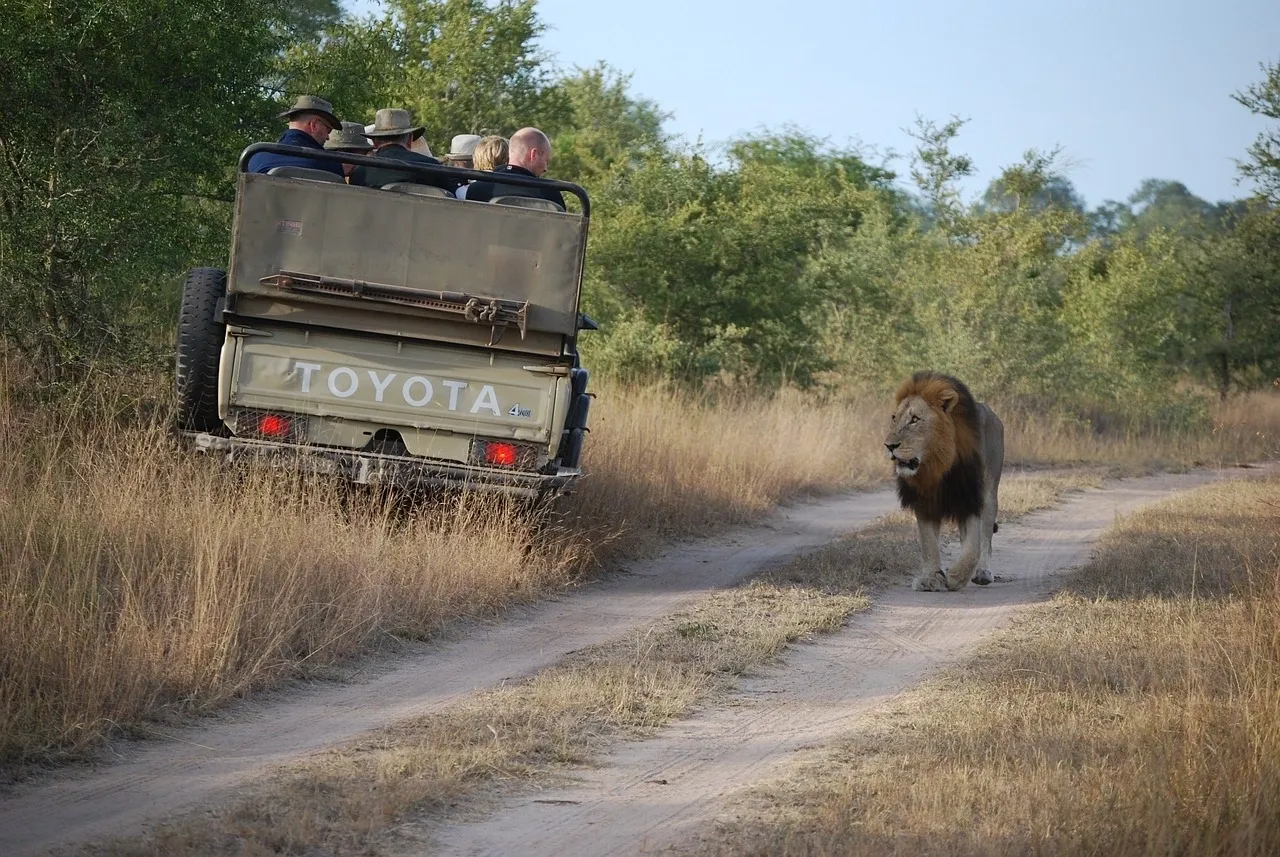
Africa is a continent, not a country, and the safari experience varies enormously depending on where you go.
No two safari destinations offer quite the same experience. Some are known for huge concentrations of wildlife and classic game drives across open savanna, while others are better for gorilla trekking, walking safaris, water-based wildlife viewing, or combining a safari with beaches and other parts of a longer trip.
The right choice also depends on when you’re traveling and what you most want to see. The Great Migration may put Kenya or Tanzania at the top of your list, while Botswana is hard to beat for the waterways and wildlife of the Okavango Delta. South Africa can be a great choice for a first safari, especially if you want to combine wildlife with Cape Town and the Winelands, while Rwanda offers a completely different experience centered around mountain gorillas.
These are the safari destinations I recommend most often, along with what makes each one worth considering.
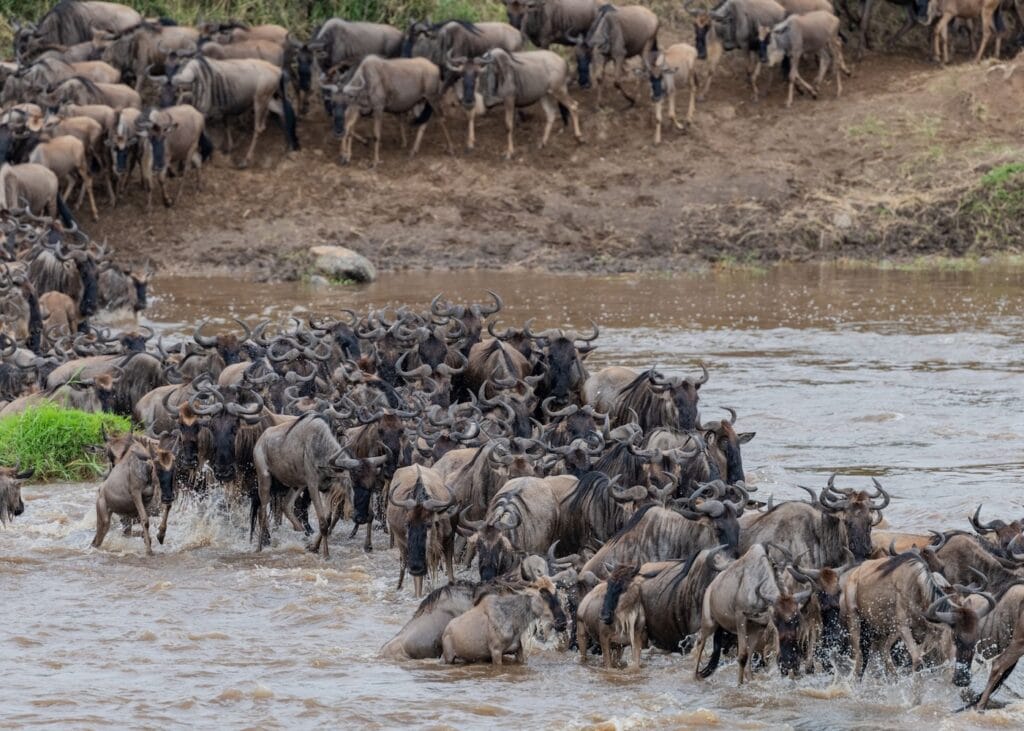
Tanzania is where most people picture when they think of safari. The Serengeti is enormous, iconic, and deservedly so. The Great Migration, when millions of wildebeest and zebra move across the plains in search of water and fresh grazing, is one of the most staggering wildlife events on the planet. The Ngorongoro Crater adds a completely different dimension, a collapsed volcanic caldera with one of the densest concentrations of animals anywhere in Africa. If this is your first safari and you want the full classic East African experience, Tanzania belongs at the top of your list.
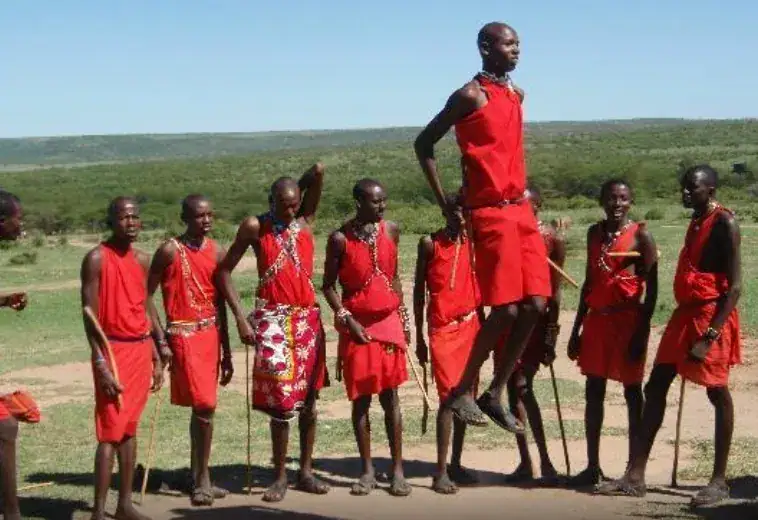
Kenya sits alongside Tanzania in the conversation and offers its own version of the Migration through the Masai Mara. What Kenya adds that Tanzania doesn’t quite replicate is meaningful cultural access to Maasai communities. The landscapes shift more dramatically here too, and the infrastructure for safari travel is excellent throughout.
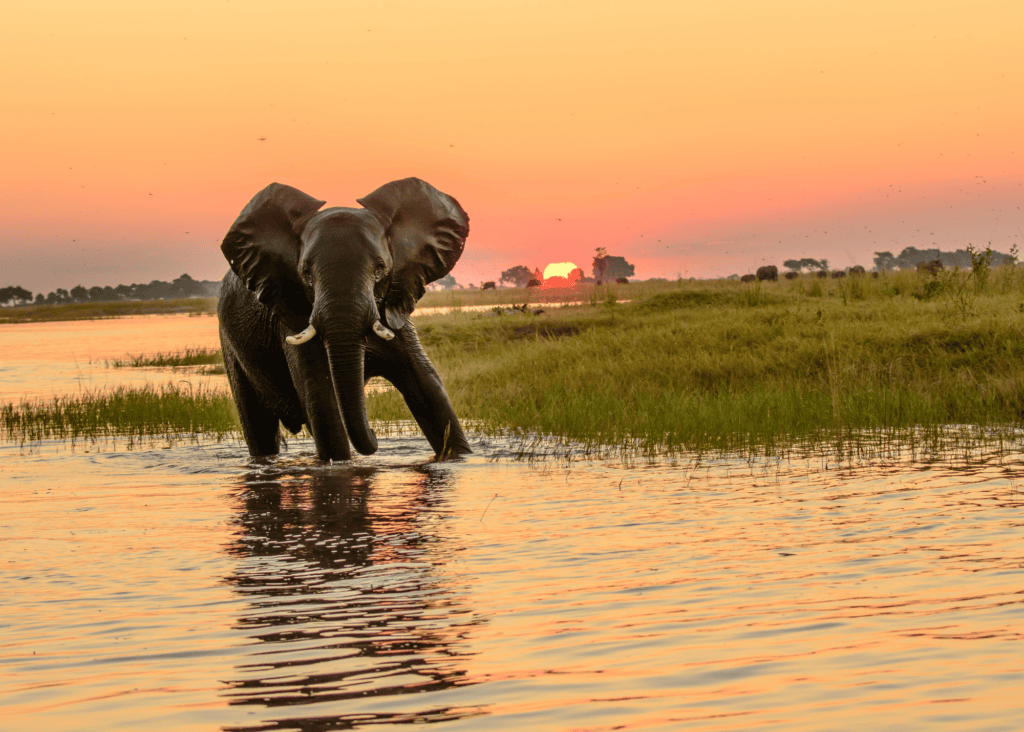
Botswana is where you go when you want wilderness that feels genuinely untracked. Chobe National Park has one of the largest elephant populations on Earth. I spent a day there on game drives and the density of wildlife along the riverfront was unlike anything I had seen before. Hundreds of elephants moving through the bush, coming down to the water, completely unbothered by your presence. The Okavango Delta adds another dimension entirely, with water-based safari experiences that are in a category of their own. Botswana has made a deliberate choice to prioritize low-volume, high-quality tourism, which means fewer vehicles, fewer crowds, and a more immersive experience across the board.
South Africa is the most accessible entry point for many first-time safari travelers and should not be underestimated. Kruger National Park is world-class, and the private reserves bordering it, particularly Sabi Sands, offer some of the most exceptional game viewing and lodge experiences on the continent. South Africa also allows you to combine a safari with Cape Town, which makes for an exceptionally well-rounded itinerary.
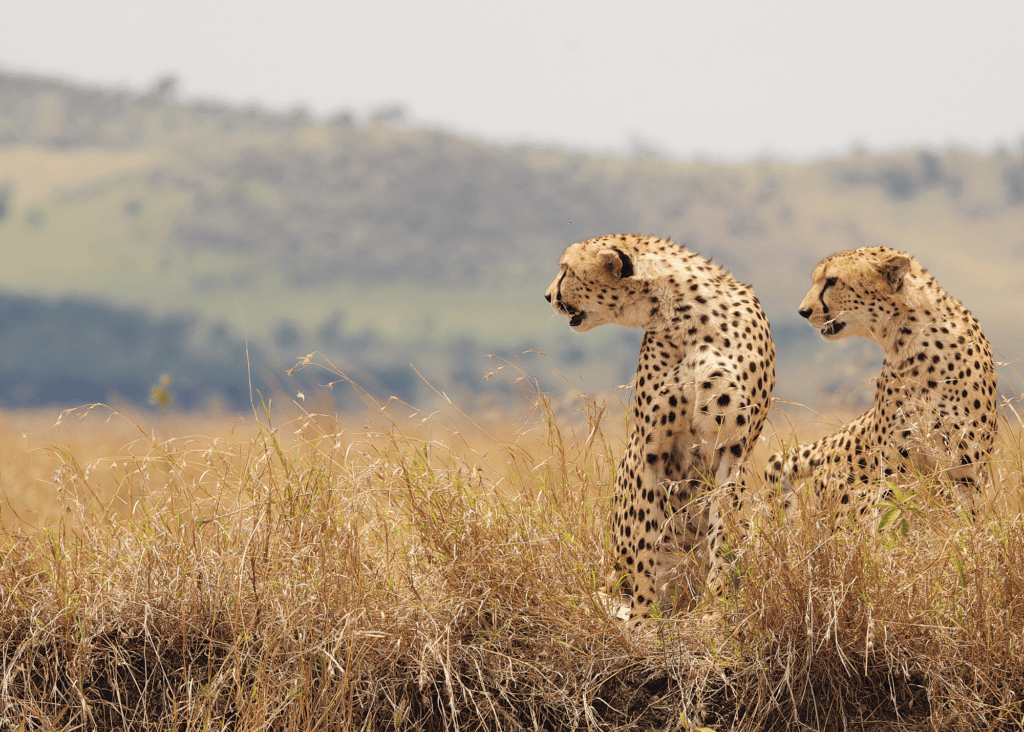
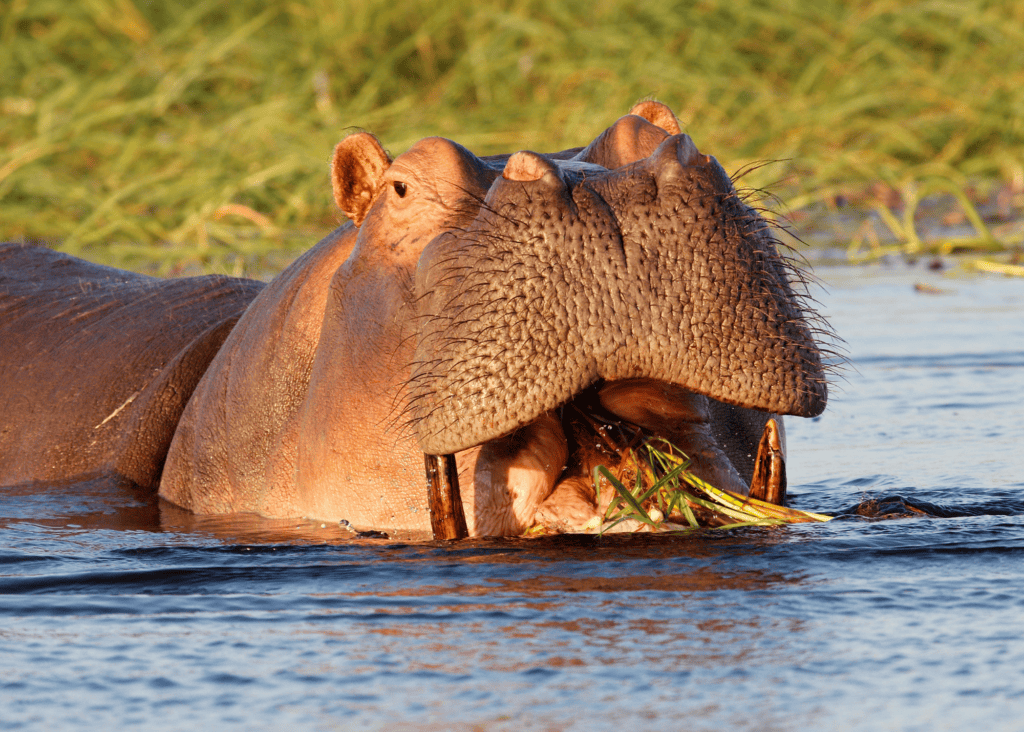
Zimbabwe and Victoria Falls deserve their own conversation. Victoria Falls sits at the border of Zimbabwe and Zambia and is one of those places where the scale simply does not register until you are standing there, soaked in mist in the middle of the day, with the roar of the water filling everything around you. I stayed in a luxury tented camp there and did daily game drives and river cruises along the Zambezi. The sunsets from the water, with elephants and hippos along the banks, are the kind of thing you keep trying to describe to people when you get home and eventually give up because the words don’t quite work. Hwange National Park rounds out the Zimbabwe experience with remarkable elephant herds and excellent lion sightings.
Rwanda is in a category of its own and one of the most underestimated safari destinations on the continent. Gorilla trekking in Volcanoes National Park is not a game drive. It is a physical hike through dense mountain forest at altitude, and when you find a gorilla family and spend your hour with them, the closeness of it, the quiet intelligence in their eyes, the way they simply go about their morning while you stand there completely undone by the experience, is unlike anything else in travel. What many people don’t realize is that Rwanda also offers exceptional traditional safari at Akagera National Park in the eastern part of the country. I did both on the same trip and the contrast between the two experiences, rainforest and open savanna, gorillas and the Big Five, made Rwanda feel like two destinations in one.
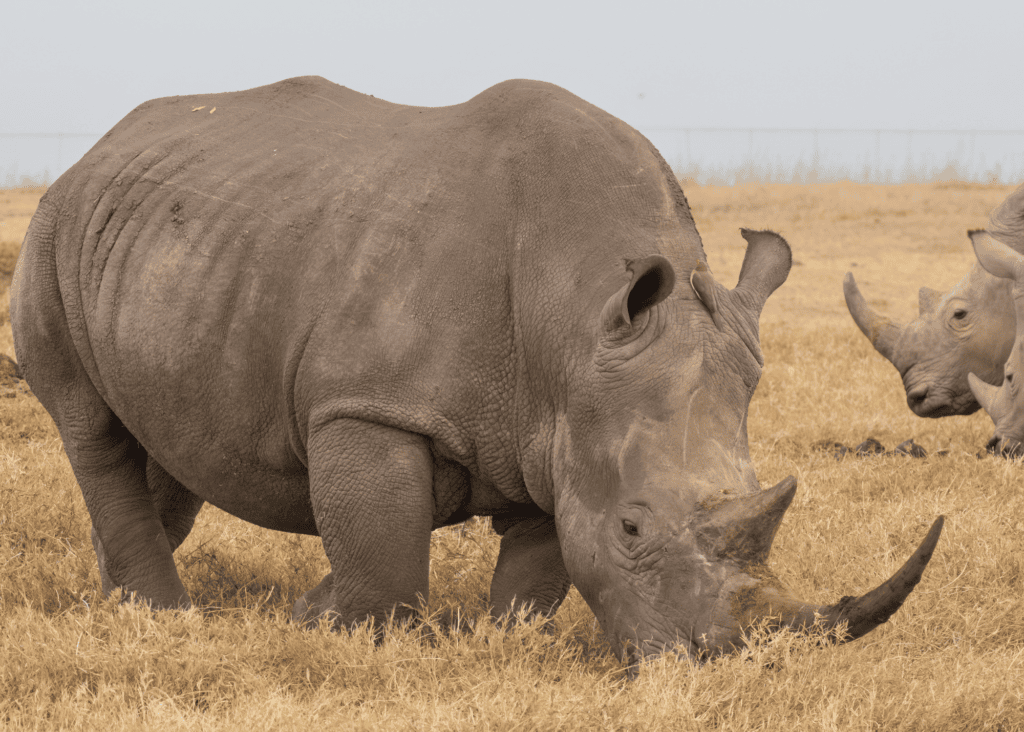
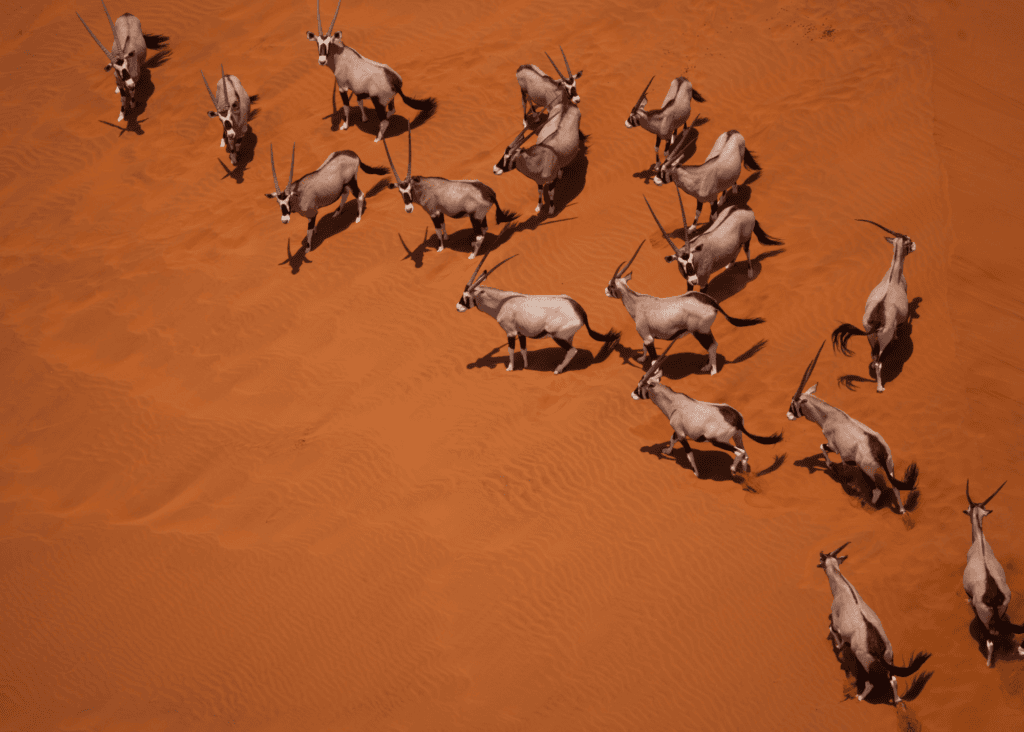
Namibia rounds out the list with something the others don’t offer: dramatic desert landscape as the backdrop for wildlife. Etosha National Park is excellent, and the visual contrast of animals set against the red dunes and white salt pans of Namibia makes for an experience that looks almost surreal.
Timing matters more on safari than on almost any other kind of trip. The dry season, which generally runs from June through October across most of East and Southern Africa, is when wildlife concentrates around water sources and game viewing is at its most reliable. Vegetation is lower, animals are more visible, and the logistics of moving between areas are more straightforward.
The green season has its own advantages worth considering. Rates at many lodges drop significantly, the landscapes are lush and dramatic, and certain wildlife events like calving season in the Serengeti only happen during the wetter months. The shoulder seasons of April, May, and November can offer real value without sacrificing too much in terms of sightings.
Rwanda operates on a slightly different rhythm. Gorilla trekking is possible year-round, but the two dry seasons, June through September and December through February, make the hiking considerably more manageable and the trails less treacherous.
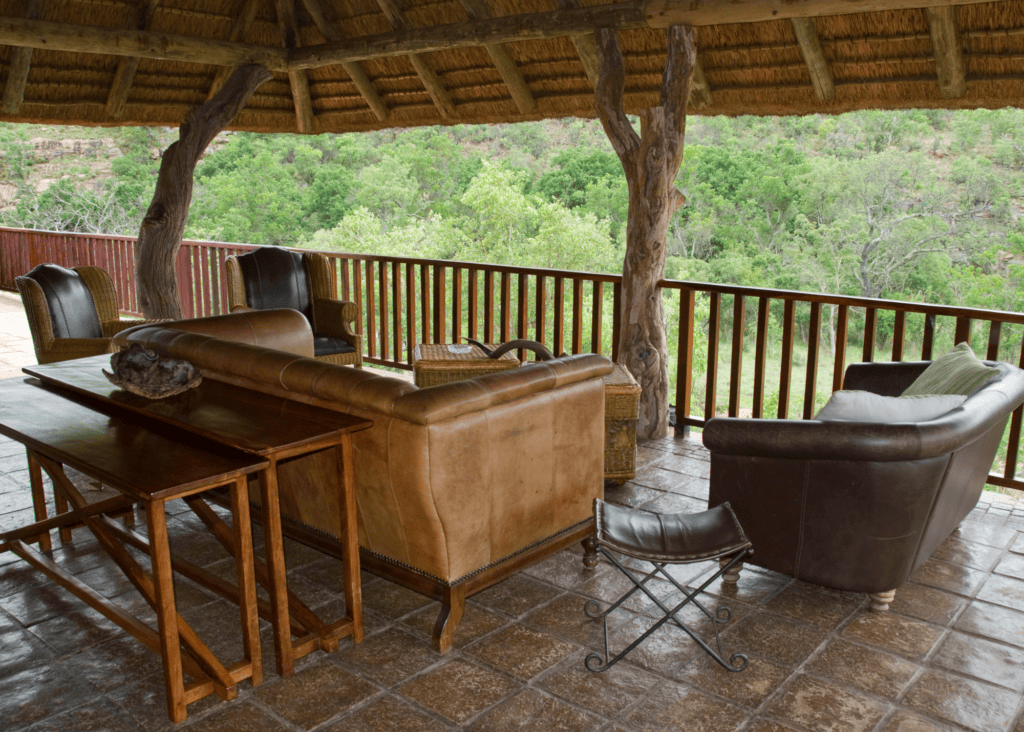
The accommodation you choose shapes the entire feel of your trip, and this is one area where the decision genuinely matters.
Luxury tented camps are an experience unlike any other accommodation category in travel. At Victoria Falls I stayed in one and the combination of being fully immersed in the sounds and rhythms of the bush while still having a proper bed, a private bathroom, excellent food, and attentive service felt exactly right. You are in the environment, not insulated from it, and that distinction makes a real difference in how the trip feels from the inside.
Luxury lodges offer more permanence and often more architectural drama, with stunning design, pools, and spa facilities that make them feel like destinations in their own right. In places like Sabi Sands or the Okavango, some of the lodges are extraordinary and absolutely worth building an itinerary around.
Mobile camps follow the wildlife seasonally and are set up in locations that put you right in the middle of the action. For the Great Migration specifically, a well-positioned mobile camp can be the difference between watching the river crossings up close and missing them entirely.
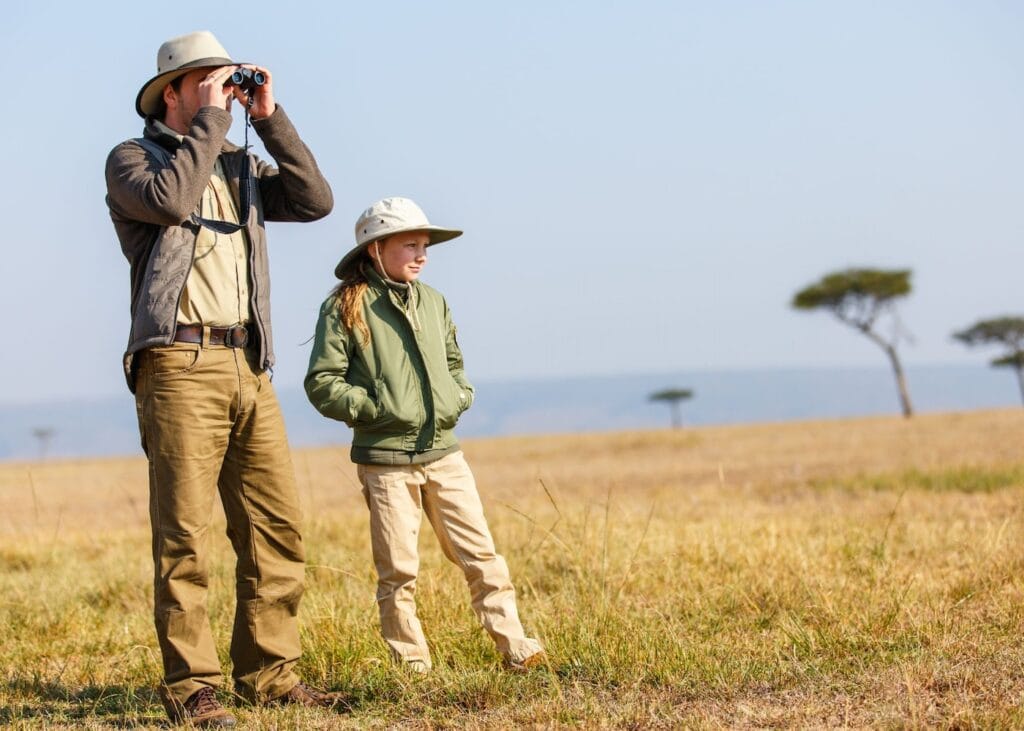
Neutral colors are non-negotiable. Khaki, olive, tan, and brown are your palette. Bright colors and white are impractical and can actually disturb wildlife. Layers matter more than most people expect because mornings in the bush are genuinely cold even in warmer months, and midday is hot. A wide-brimmed hat, quality sunscreen, and a good insect repellent are non-negotiables.
For photography, a zoom lens makes an enormous difference. A 100-400mm range covers most situations well. A dust bag for your gear is worth having since open vehicles on dirt roads generate real dust. For gorilla trekking specifically, wear long sleeves and long pants regardless of the temperature and bring sturdy waterproof hiking boots. The trail earns them.
You can grab my full safari packing guide here for a complete breakdown.
Talk to your doctor at least six to eight weeks before your trip. Malaria prophylaxis is recommended for most safari destinations and there are several options with different side effect profiles, so having that conversation early gives you time to make the right choice. Before your trip, visit the CDC travel health page for the most current vaccination recommendations specific to your destination, as requirements vary by country and can change.
Travel insurance that covers medical evacuation is not optional in my view. You are often in very remote areas and peace of mind matters.
On game drives, your guide’s instructions are the rule. Wildlife is wild and the safety protocols that experienced guides follow exist for real reasons. Respect distances, stay in the vehicle unless told otherwise, and keep noise low.
Safari is one of the trip categories where having the right person in your corner produces a concrete, measurable difference in the experience you come home with. The logistics across multiple countries involve visas, internal flights on small bush planes, timed transfers, park permits, and accommodation that books out months in advance during peak season. Getting it right requires current knowledge and real relationships with operators on the ground.
I plan these trips with the same care I brought to my own travel, which means honest recommendations, itineraries that are realistic and immersive, and someone available if anything shifts while you are on the ground.
If you are ready to start planning, reach out here and let’s figure out the right itinerary for you.