
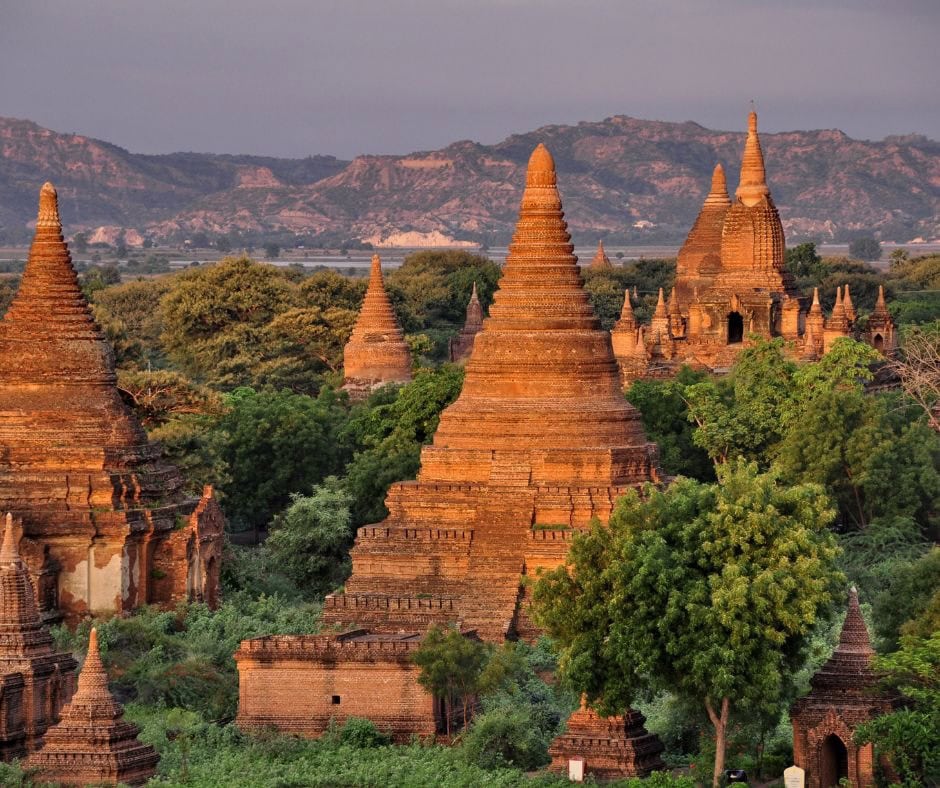
Of the original Seven Wonders of the Ancient World, only one is still standing: the Great Pyramid of Giza. The others have disappeared through earthquakes, fires, war, and time.
Fortunately, extraordinary places didn’t stop with the ancient Greeks.
Across the world, there are monuments, cities, temples, and archaeological sites that have survived for centuries and can still be experienced today. Some are famous enough that you’ve seen them in photographs your entire life. But standing in front of them is something else entirely.
I’ve been lucky enough to visit several of these places myself, and some really do live up to everything you’ve heard about them. These are ten wonders I think are worth traveling to see.
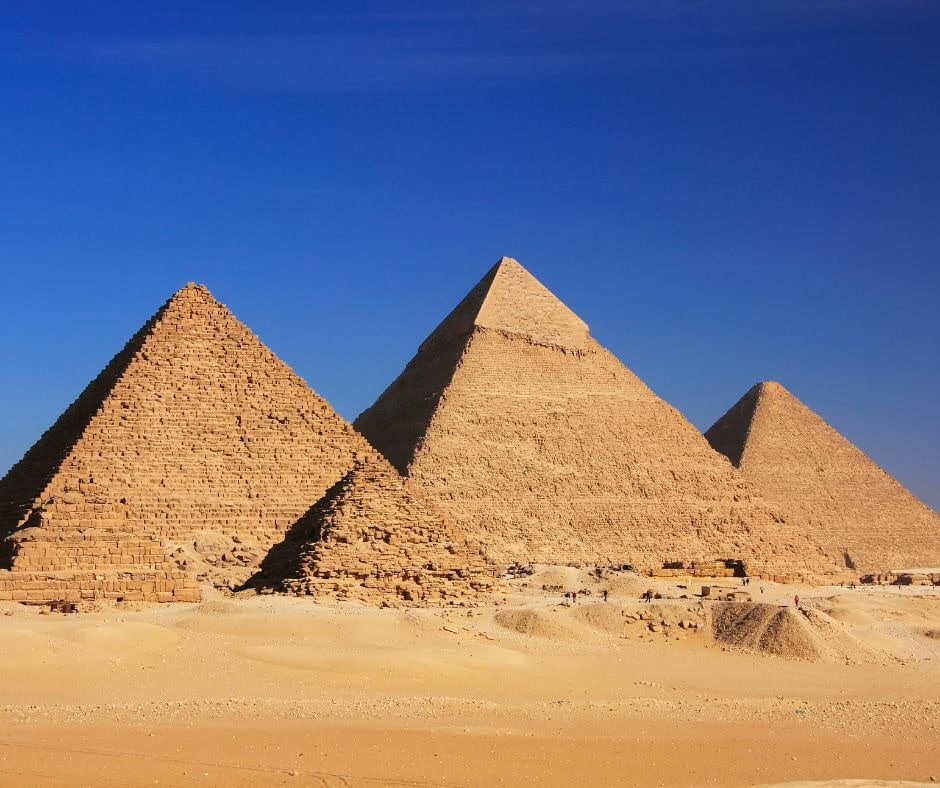
The Great Pyramid deserves to come first because it is the only surviving wonder from the original Seven Wonders of the Ancient World. Built more than 4,500 years ago, its size is difficult to appreciate until you’re standing beside it.
The pyramids sit surprisingly close to modern Cairo, but once you’re on the Giza Plateau, the scale of them takes over. The Great Pyramid, the pyramids of Khafre and Menkaure, the Sphinx, and the surrounding tombs make this much more than a quick photo stop.
A good Egypt itinerary pairs Giza with Cairo’s museums and historic neighborhoods before continuing to Luxor, Aswan, or a Nile cruise. The pyramids may be the reason many travelers first dream about Egypt, but they’re really only the beginning.
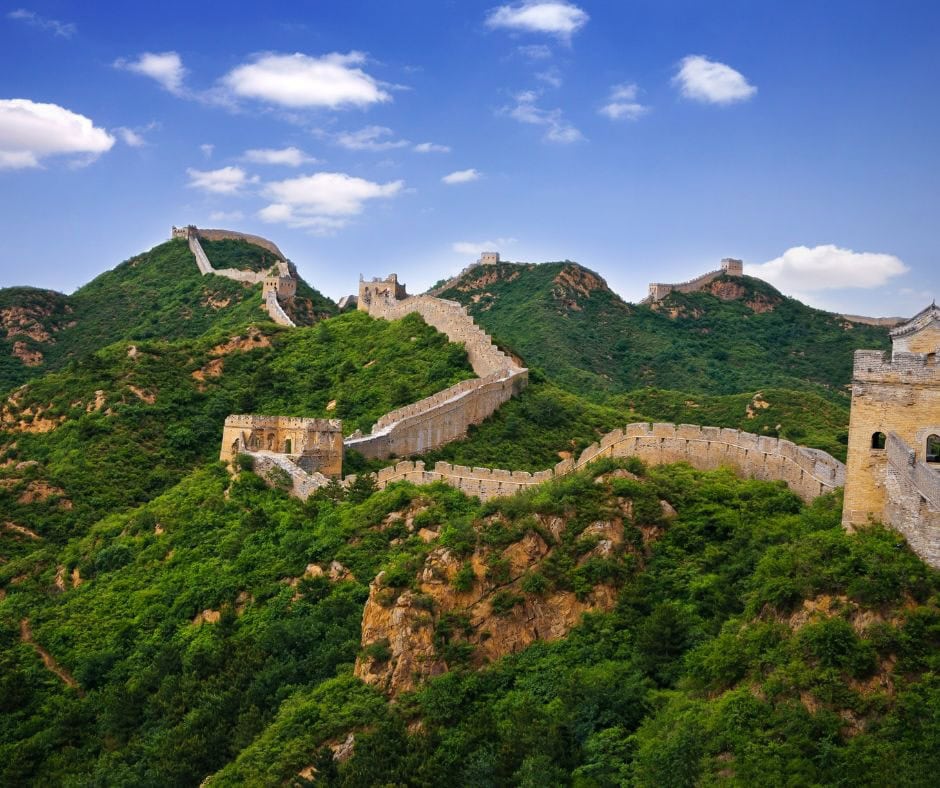
The Great Wall isn’t one continuous wall stretching neatly across China. It is an enormous system of walls, watchtowers, passes, and fortifications built and rebuilt over many centuries.
For travelers, where you visit makes a difference.
Sections closer to Beijing are the easiest to reach, while others offer fewer crowds and more dramatic scenery. Mutianyu is a popular choice because it combines restored sections of the wall with beautiful mountain views and is generally less hectic than Badaling.
There is something almost surreal about seeing the wall disappear over one ridge and reappear on another. This isn’t a place where you simply arrive, take a photograph, and leave. Walking even a portion of it gives you a much better sense of just how enormous the undertaking was.
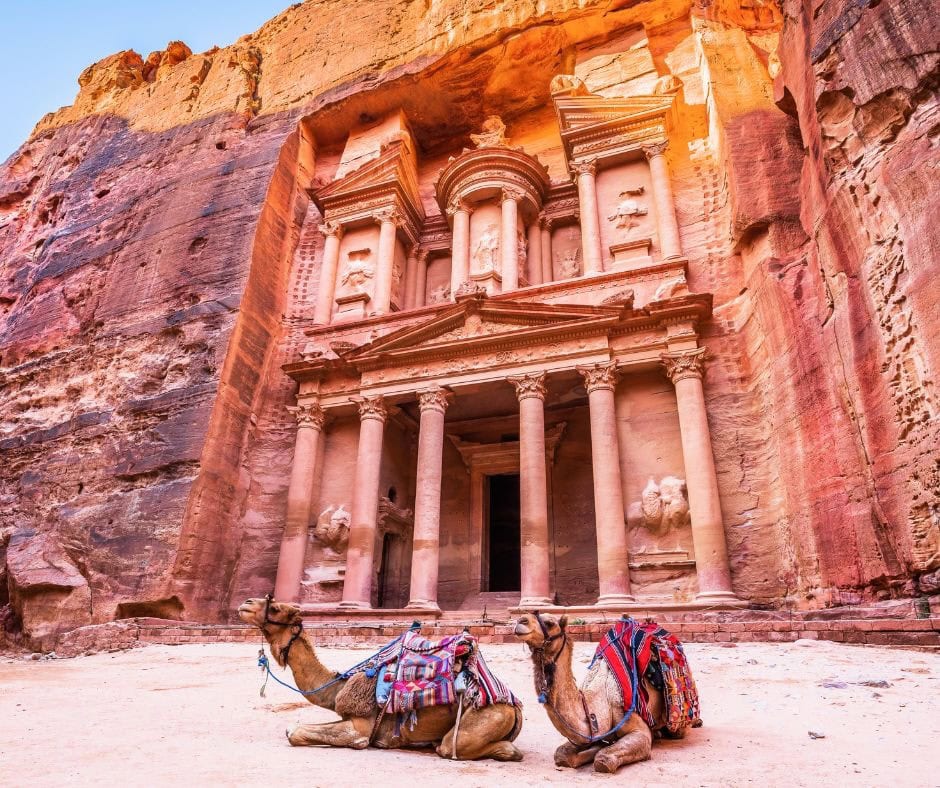
Petra has one of the best entrances of any historic site in the world.
You walk through the Siq, a narrow canyon surrounded by towering rock walls, before the Treasury slowly appears through the opening ahead. You’ve probably seen that view in photographs, but the approach is part of what makes seeing it in person so memorable.
And the Treasury is only the beginning.
Petra was once an important Nabataean trading city, and the archaeological site spreads across a much larger area than many first-time visitors expect. Tombs, temples, carved facades, ancient pathways, and the Monastery make it easy to spend a full day here.
Jordan also works beautifully as a larger trip, with Wadi Rum, the Dead Sea, Amman, and Jerash adding very different experiences beyond Petra.
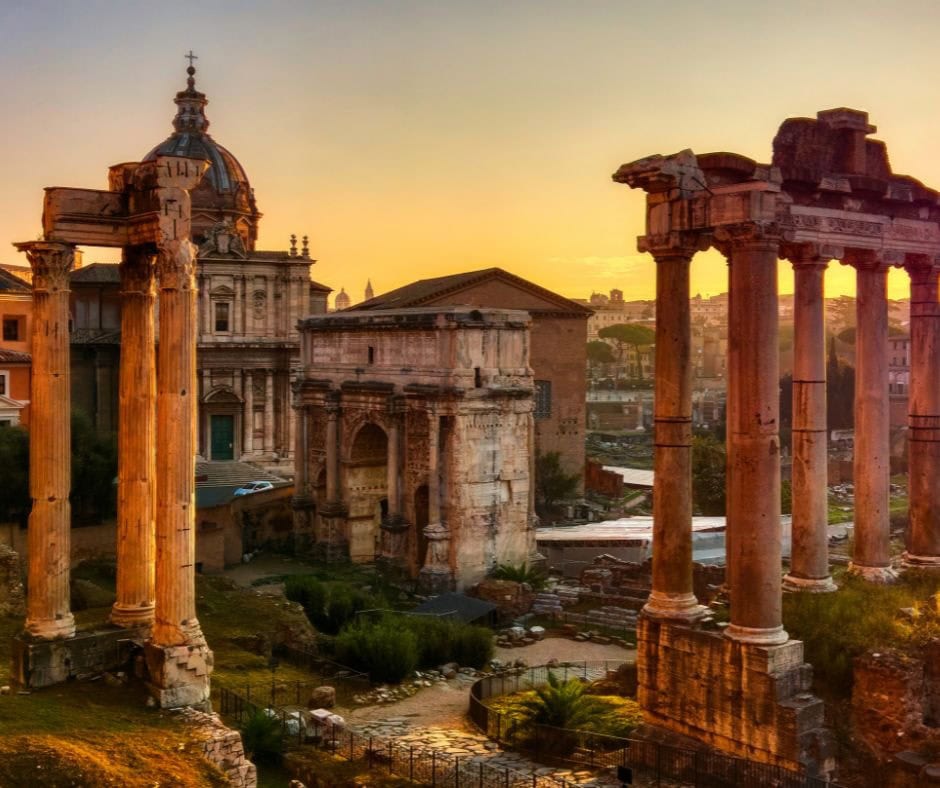
Rome doesn’t make you search very hard for its history. It’s everywhere.
The Colosseum may be the city’s most recognizable landmark, but visiting it together with the Roman Forum gives you a much better picture of ancient Rome. The Forum was once filled with temples, government buildings, public spaces, and monuments at the center of Roman life.
I’ve visited Rome more than once, and this is one of those places where having a knowledgeable guide can completely change the experience. A collection of ruins becomes much easier to understand when someone can show you what once stood there and how people actually used the spaces around you.
And then you walk back into modern Rome, find a café or trattoria, and carry on with your day. That combination of everyday life and thousands of years of history is part of what makes Rome so special.
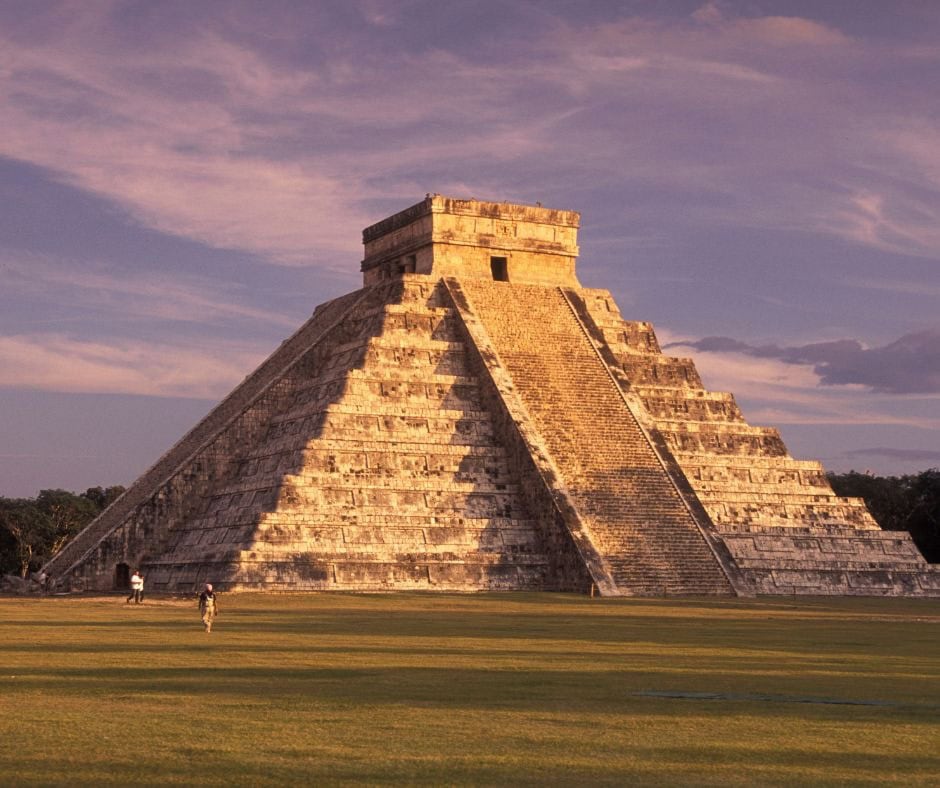
Chichén Itzá is one of the most impressive Maya archaeological sites in Mexico and an easy addition to a trip through the Yucatán Peninsula.
Its centerpiece is El Castillo, the stepped pyramid that dominates the site, but there is much more to see. The Great Ball Court, Temple of the Warriors, observatory, and other structures reveal just how sophisticated Maya civilization was in astronomy, mathematics, architecture, and engineering.
This is another place where I think a guide is worth it. Without the stories and explanations, it’s easy to walk around admiring the buildings without understanding what you’re looking at.
If you’re staying along the Riviera Maya, Chichén Itzá can be visited on a long day trip, but spending time elsewhere in the Yucatán gives you the chance to see cenotes, colonial towns, smaller archaeological sites, and a side of the region far beyond the resorts.
Some places suffer from being photographed too much. You arrive and feel as though you’ve already seen them.
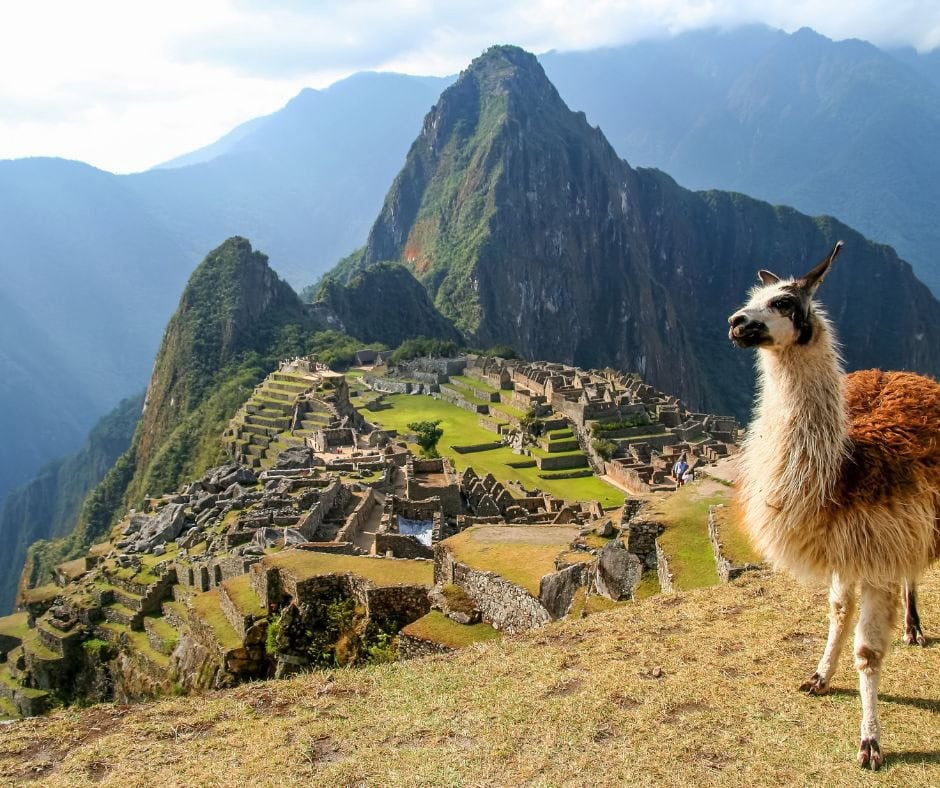
Machu Picchu isn’t one of them.
I had wanted to visit Peru for years, and seeing Machu Picchu in person was completely different from seeing it in photographs. The setting alone is extraordinary, with the ruins sitting high among steep green mountains that seem to surround the entire site.
The journey there is part of the experience too. Cusco, the Sacred Valley, Ollantaytambo, and the train through the mountains all add something to the trip rather than simply serving as stops on the way to Machu Picchu.
You don’t have to hike the Inca Trail to appreciate it, either. There are several ways to plan the visit depending on how active you want the trip to be.
This is one of those rare bucket-list places that, for me, absolutely lived up to the anticipation.
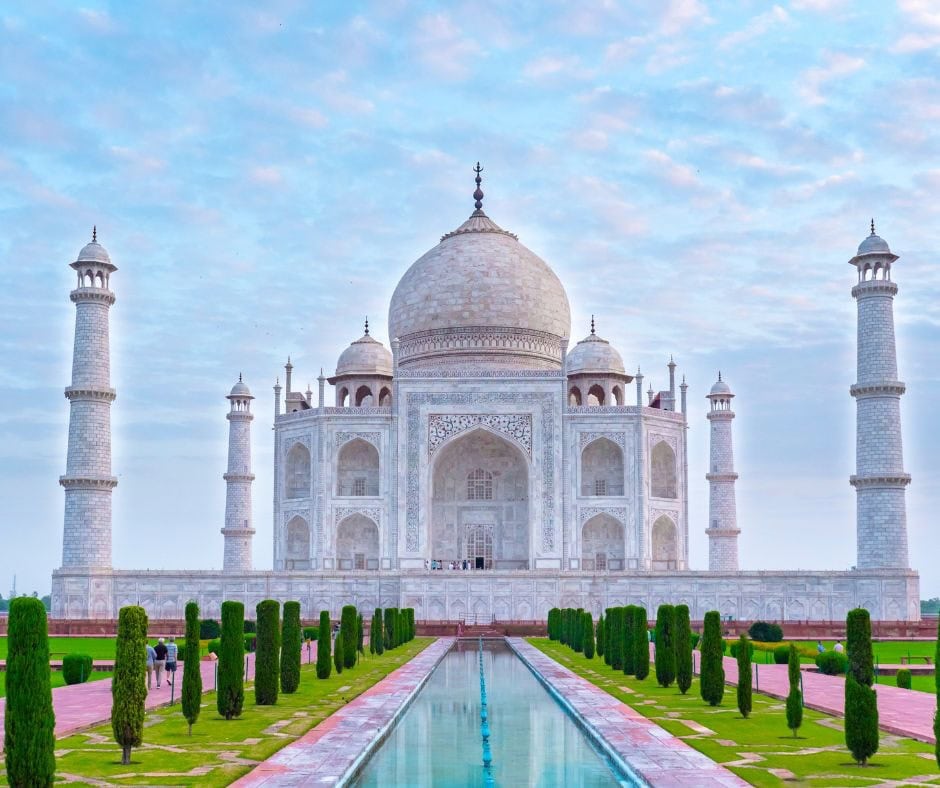
The Taj Mahal is another place I wondered about before visiting. Could something this famous possibly feel as impressive in person as it looks in photographs?
Yes.
Arriving early in the morning gives you a chance to see the white marble change with the light, and the symmetry of the entire complex is even more striking when you’re standing there.
But the Taj Mahal becomes much more interesting when you understand the story behind it. Mughal emperor Shah Jahan commissioned it as a mausoleum for his wife Mumtaz Mahal, and the details throughout the complex are remarkable, from the marble inlay work to the calligraphy and gardens.
I would never travel all the way to India only to see the Taj Mahal, though. Delhi, Jaipur, Agra, Rajasthan, wildlife reserves, markets, temples, food, and everyday life are what turn seeing the Taj into part of a much richer trip.
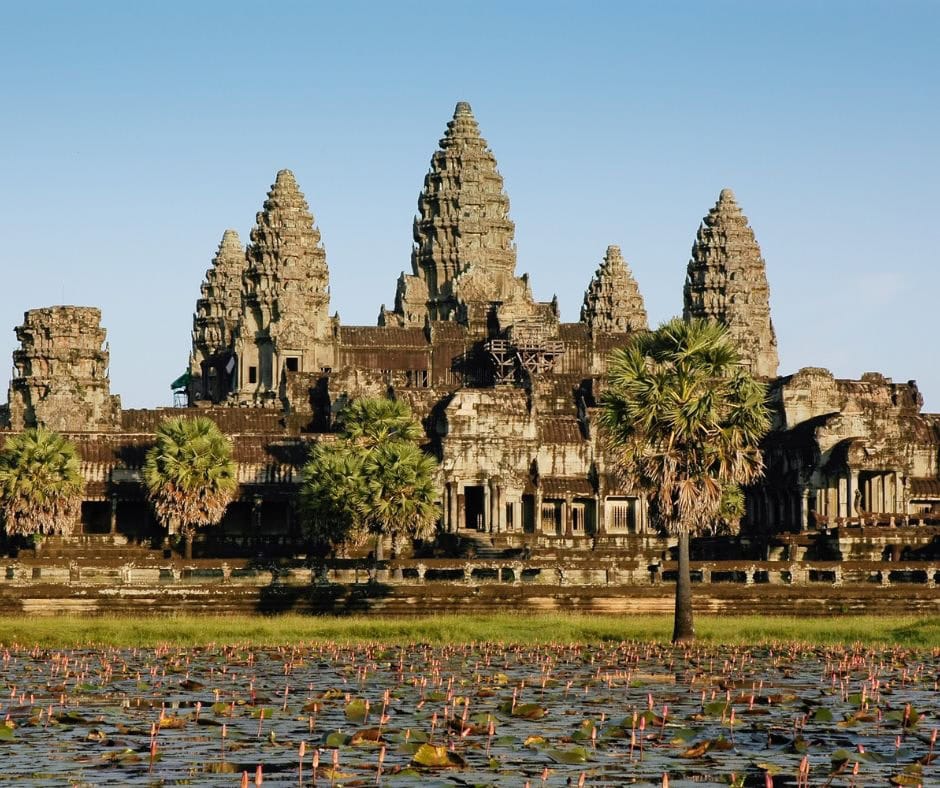
Angkor Wat may be the name everyone recognizes, but the archaeological complex around Siem Reap contains far more than one temple.
Angkor Wat itself is enormous and beautifully detailed, particularly in the early morning light. But nearby temples offer completely different experiences. At Ta Prohm, enormous tree roots have grown around and over the stone ruins. Bayon is known for the huge carved faces looking out from its towers.
Trying to squeeze Angkor into one frantic day means missing much of what makes the area special. Giving yourself two or three days allows you to explore different temples without turning the experience into a race.
And don’t treat Siem Reap merely as a place to sleep between temple visits. Markets, Cambodian food, villages, workshops, and experiences with local guides can add just as much to the trip.
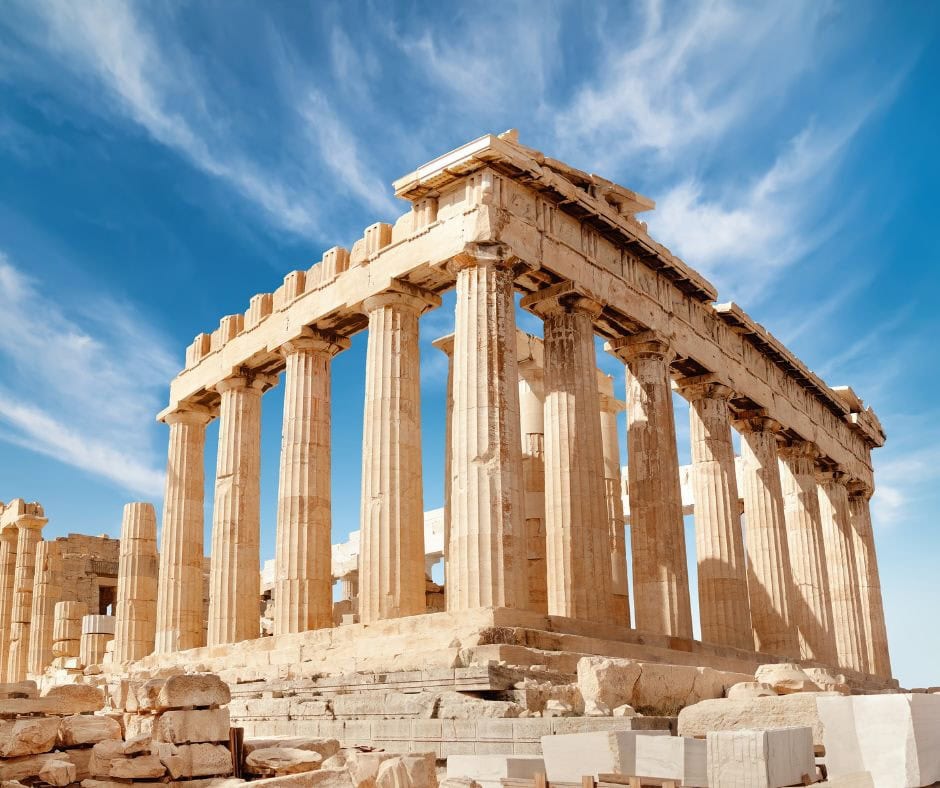
The Acropolis rises above Athens in a way that makes it almost impossible to forget it’s there.
At the top sits the Parthenon, built in the fifth century BC and dedicated to the goddess Athena. Even after centuries of war, damage, rebuilding, and restoration, it remains one of the world’s most recognizable ancient structures.
The Acropolis Museum is worth visiting as part of the experience because it gives context to what you’ve just seen and houses artifacts discovered around the site.
But Athens shouldn’t be treated simply as the place you pass through before heading to the Greek islands. Ancient ruins sit alongside neighborhoods filled with cafés, markets, restaurants, and modern Greek life. Give the city a few days before moving on and you’ll see a very different side of Greece.
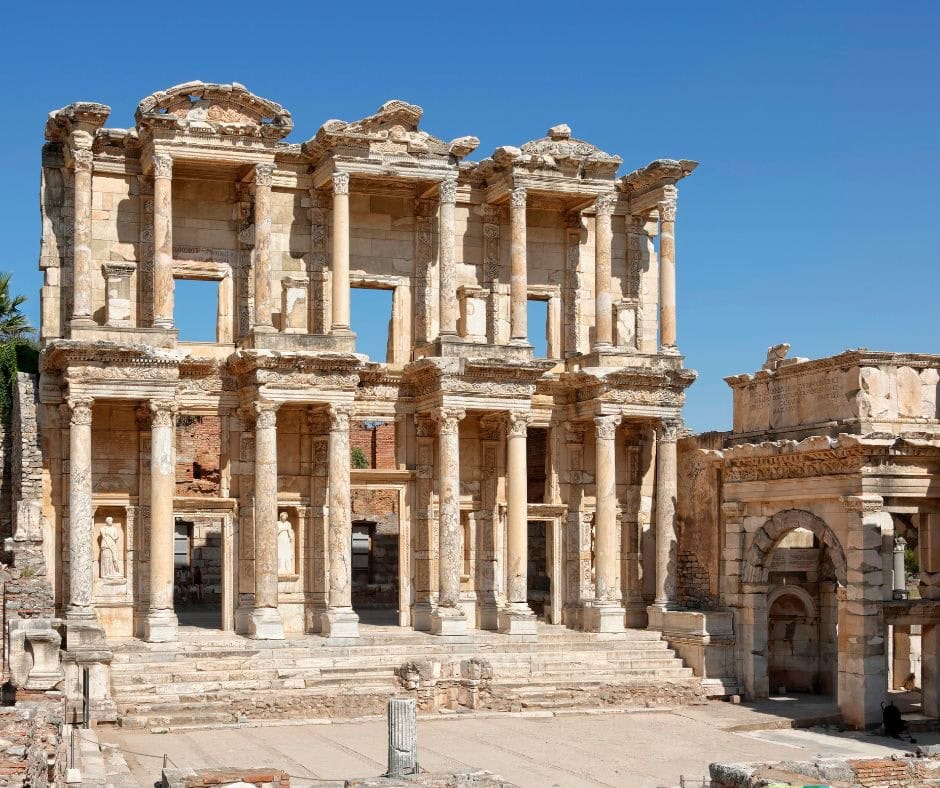
Ephesus doesn’t always appear on lists of the world’s great wonders, but I think it deserves a place here.
Walking through Ephesus feels less like visiting a single monument and more like walking through an ancient city. Streets, temples, fountains, homes, public buildings, and the enormous theater help you imagine what life here might actually have looked like.
The Library of Celsus is the building everyone photographs, and for good reason. Its reconstructed facade is beautiful. But I found the scale of the entire site just as impressive.
The Terrace Houses are also worth adding to your visit. Their mosaics, frescoes, and remains of wealthy Roman homes give you a much more personal glimpse into everyday life than the monumental buildings alone.
Ephesus is usually visited from the Izmir or Kuşadası area and fits easily into a larger trip through Turkey.
There are plenty of extraordinary places that could have made this list. That’s part of the fun of it.
What these ten have in common isn’t an official title or a place on somebody else’s checklist. They’ve survived long enough for us to stand where people stood hundreds or even thousands of years ago and see what they created.
And while the monument may be what first catches your attention, I wouldn’t plan any of these trips around a single landmark. Machu Picchu is better when you experience more of Peru. The Taj Mahal is only one small part of India. Angkor Wat can lead you into a much deeper experience of Cambodia.
That’s what makes traveling to see the world’s great wonders worthwhile. You go because of the place you’ve seen in photographs for years, and very often, it’s everything surrounding it that makes the trip unforgettable.
If one of these places has been sitting on your travel wish list, I can help you build a trip around it that goes well beyond checking off the famous sights.