

There are really two kinds of travelers: the carry-on only crowd and the checked bag people. Neither one is “right” or “wrong”—it just comes down to what makes travel less stressful for you.
If you’re team carry-on, knowing the exact size and weight limits for your airline can save you a lot of drama at the gate. If you’re like me and usually check a bag, having a reliable carry-on as backup is your safety net when luggage gets delayed.
Either way, the goal is the same: spend less time worrying about your stuff and more time enjoying the trip.
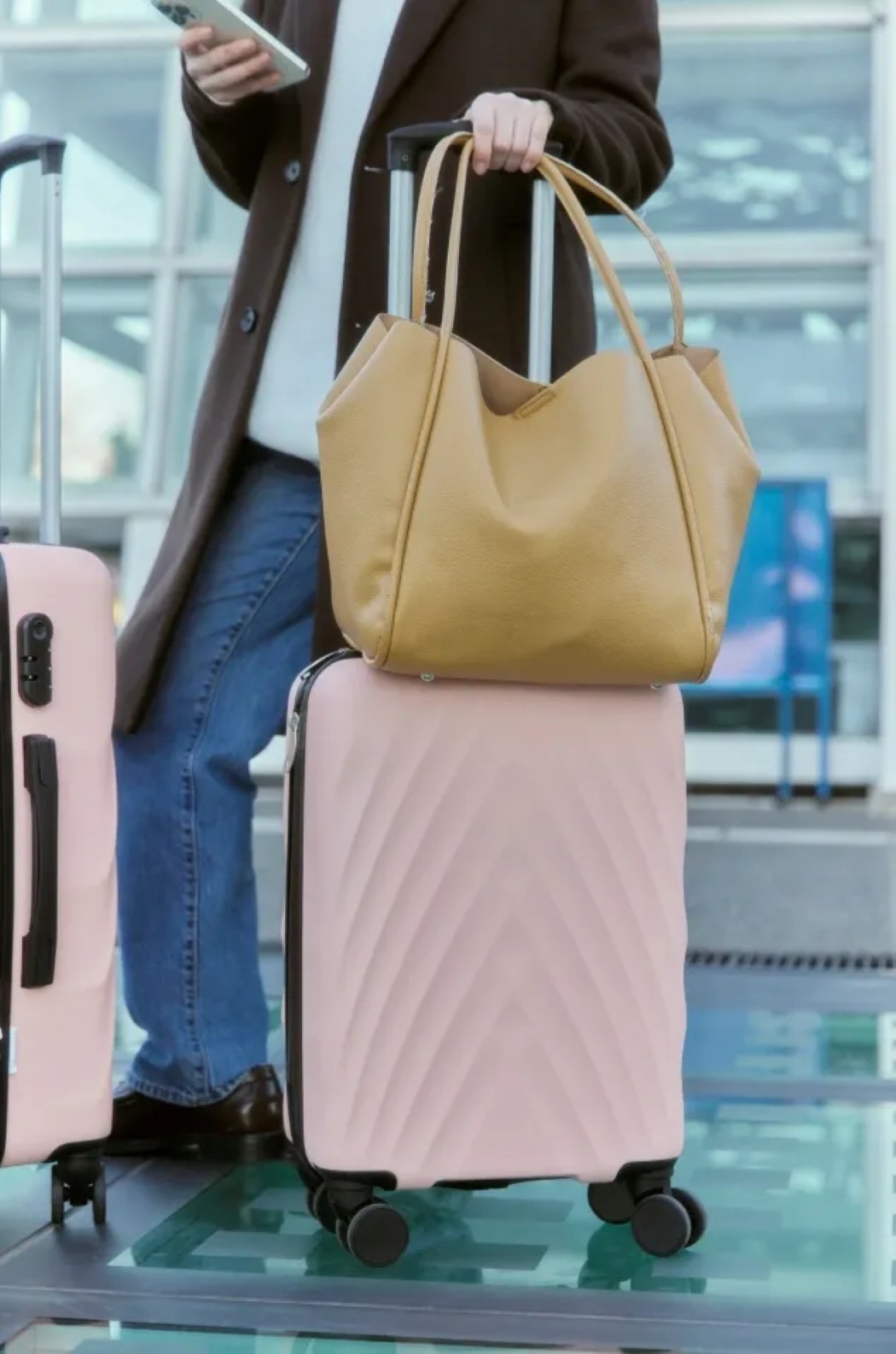
I’ll be honest with you—I usually check my bags. For me, it’s less hassle than dragging a suitcase through the airport, juggling it at security, or fighting for overhead bin space. Plus, I like to have clothing options, and I can’t stand having to deal with travel-size toiletries. Add in the TSA liquids rule—the little quart-size bag of 3.4-ounce bottles—and carry-on only just isn’t realistic for me.
(As of 2025, the 3-1-1 liquids rule is still in effect in the U.S. and most international airports. A few airports (like Atlanta, JFK, and some in Europe) are starting to test new CT scanners that may eventually phase it out, but until then, assume the restrictions still apply.)
That said, when I fly internationally, I always bring a carry-on in addition to my checked bag. Bags do get delayed, and I’d rather not spend the first days of my trip waiting for essentials to catch up with me. My go-to is a backpack that opens like a suitcase—the Mother Lode Jr. It’s a little larger than the average laptop backpack, but it always passes the “size guide” and carries enough to get me through if my checked bag doesn’t arrive.
And here’s the real issue: carry-on rules aren’t the same everywhere. Every airline has its own size and weight restrictions. To save you the headache, here’s a quick reference guide you can use before your next flight.

American Airlines – 22 x 14 x 9 in, no weight limit
Delta Airlines – 22 x 14 x 9 in (45” linear), no weight limit
United Airlines – 22 x 14 x 9 in, no weight limit
JetBlue – 22 x 14 x 9 in, no weight limit
Southwest Airlines – 24 x 16 x 10 in, no weight limit
Frontier Airlines – 24 x 16 x 10 in, 35 lb (fees may apply)
Hawaiian Airlines – 22 x 14 x 9 in, 25 lb
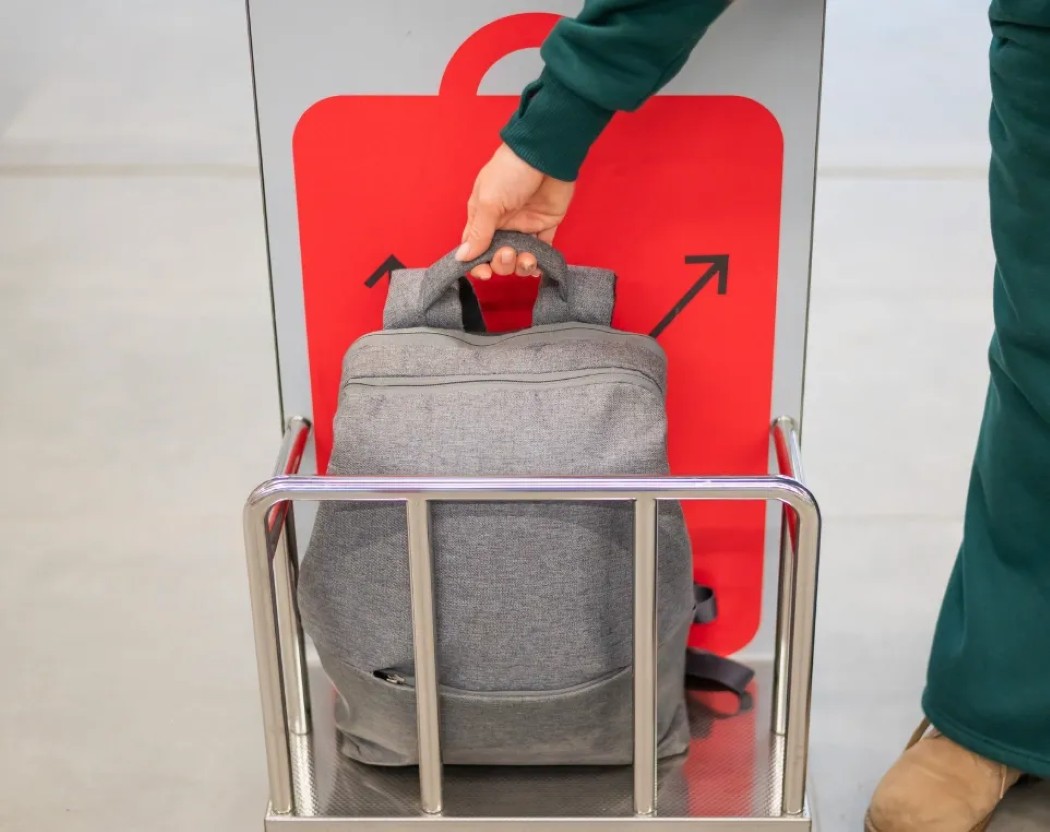
Note: This isn’t a full list of every airline worldwide—just the major carriers most U.S.-based travelers are likely to use. If you’re flying a different airline, check their website directly for the most up-to-date baggage details.
Air Canada – 21.5 x 15.5 x 9 in, no weight limit
Aer Lingus – 21.7 x 15.7 x 9 in, 22 lb
Air France / KLM – 21.7 x 13.8 x 9.9 in, 26–40 lb depending on class
British Airways – 22 x 16 x 9 in, must lift overhead (no strict weight)
Lufthansa – 22 x 16 x 9 in, 17.6 lb
Emirates – 22 x 15 x 8 in, 15 lb (economy)
Etihad Airways – 22 x 14 x 9 in, 15 lb carry-on + 11 lb personal item
EasyJet – 22 x 18 x 10 in (with upgrade), 33 lb (with upgrade)
Qatar Airways – 20 x 15 x 10 in, 15 lb
Ryanair – 15.7 x 11.8 x 7.9 in (personal bag only), 15 lb
Singapore Airlines – 22 x 14 x 9 in (45” linear), 15 lb
Turkish Airlines – 21.7 x 15.7 x 9 in, 17 lb
Virgin Atlantic – 22 x 14 x 9 in, 22 lb (economy); 2 x 12 lb in Upper Class
LATAM Airlines – 21.7 x 13.8 x 9.8 in, 22 lb
Japan Airlines (JAL) – 22 x 16 x 10 in, 22 lb (carry-on + personal item)
ANA (All Nippon Airways) – 22 x 16 x 10 in, 22 lb

I’ll never be someone who travels with only a carry-on—I like options, and it’s hard to find my skincare products in travel-size. But I also know better than to fly without one. A reliable carry-on is your safety net when things don’t go as planned, and knowing the airline rules means you won’t be caught off guard. For me, that balance—comfort in a checked bag, security in a carry-on—is what makes travel less stressful.
Because travel isn’t just about the destination—it’s about getting there smoothly.