
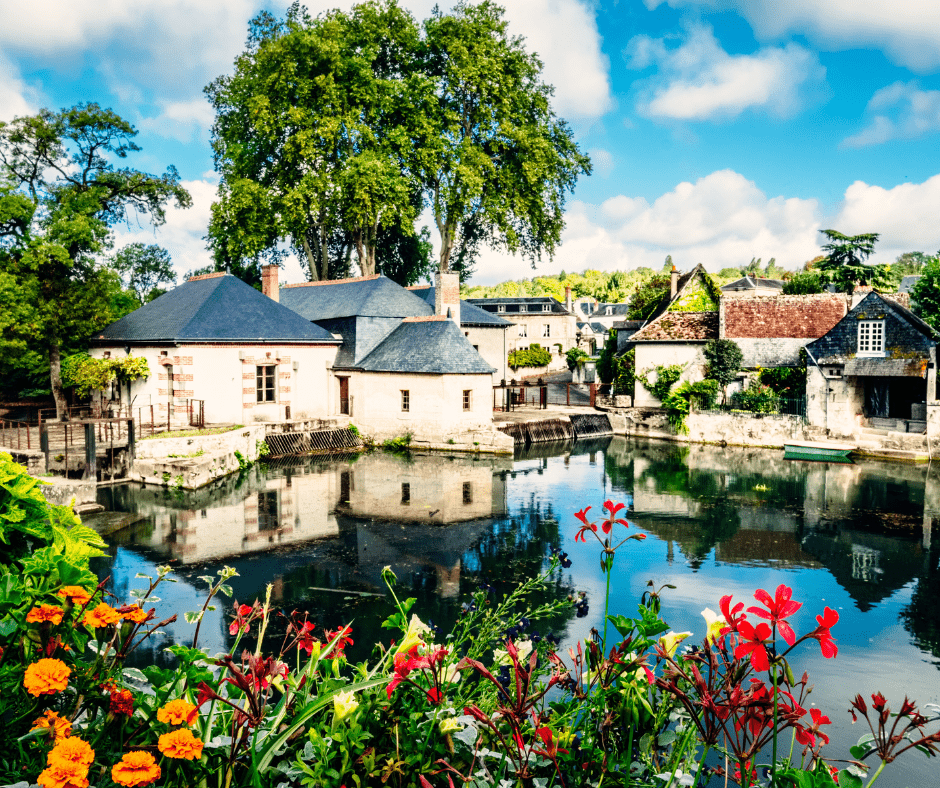
For years, Italy has been the default answer to “Where should we go in Europe?” and for good reason. The food, the history, the coastline, the sheer romance of the place — Italy built that reputation over decades and it earned every bit of it. But travel trends are shifting. Quietly at first, and now very clearly, France is stepping into the spotlight as the destination for travelers who want culture, beauty, food, and wine without the crowds and chaos that now define so much of Italy’s most famous places.
France isn’t reinventing itself. It doesn’t need to. What’s happening instead is a rediscovery by travelers who are realizing that France delivers everything they love about Italy, often in a more relaxed, varied, and quietly elegant way. If you’ve been dreaming about a European trip and find yourself defaulting to Italy out of habit, it might be worth slowing down and asking whether France is actually a better fit for what you’re looking for.
Rome, Florence, Venice, the Amalfi Coast … these places remain iconic, but over-tourism has genuinely changed the experience of visiting them. Timed entry tickets, packed streets, and shoulder-to-shoulder sightseeing are now standard. Restaurants in the most visited neighborhoods are priced for tourists and optimized for turnover. The magic is still there, but you have to work harder to find it, and sometimes it still finds you even when you do.
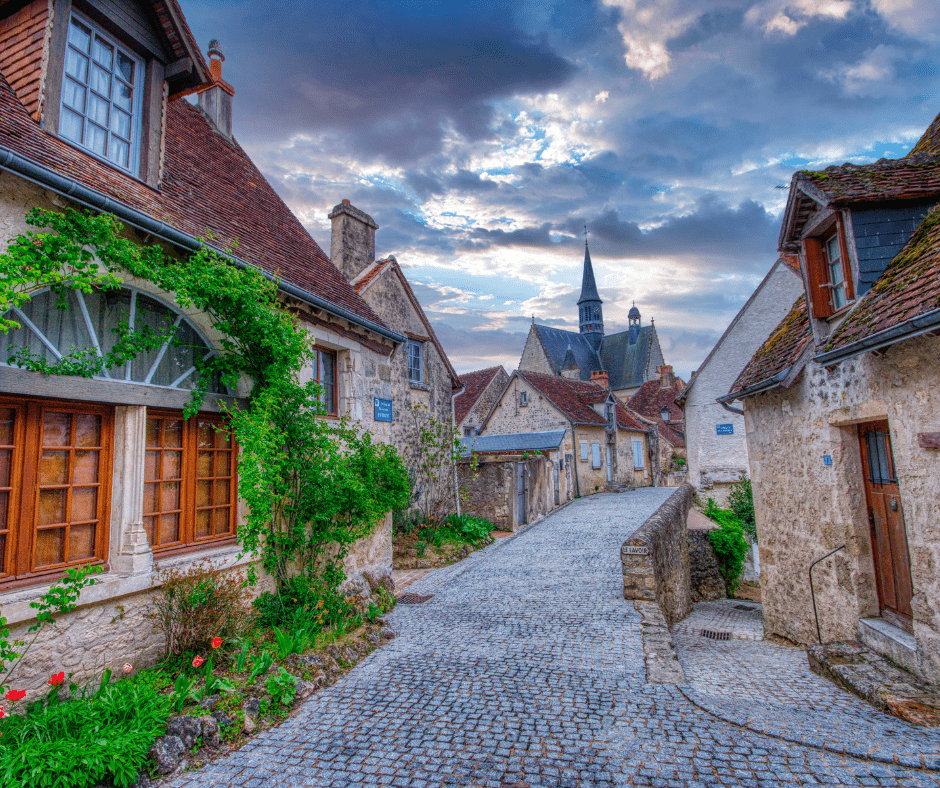
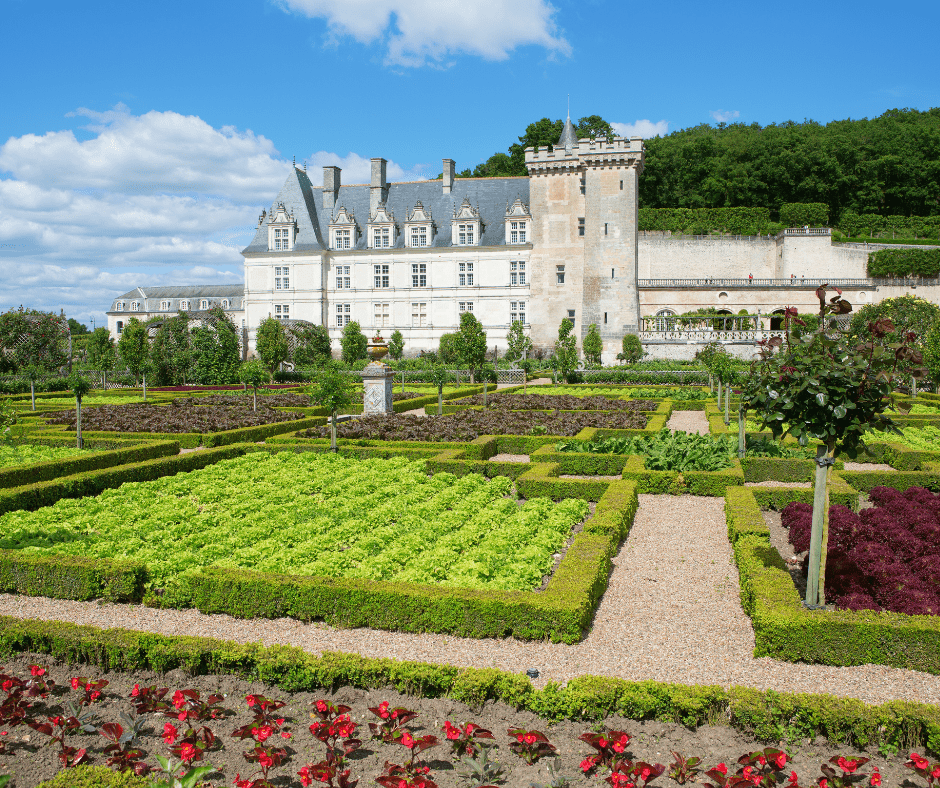
France, meanwhile, still feels expansive. You can wander château gardens without a tour group at your elbow. You can stop for lunch in a village square where the menu is handwritten in chalk and the table beside you has locals who are clearly in the middle of a very long meal. You can take your time in a market, get a little lost in a medieval town, and go an entire afternoon without feeling like you’re being managed through an experience. That breathing room is a big part of why France is having a moment right now.
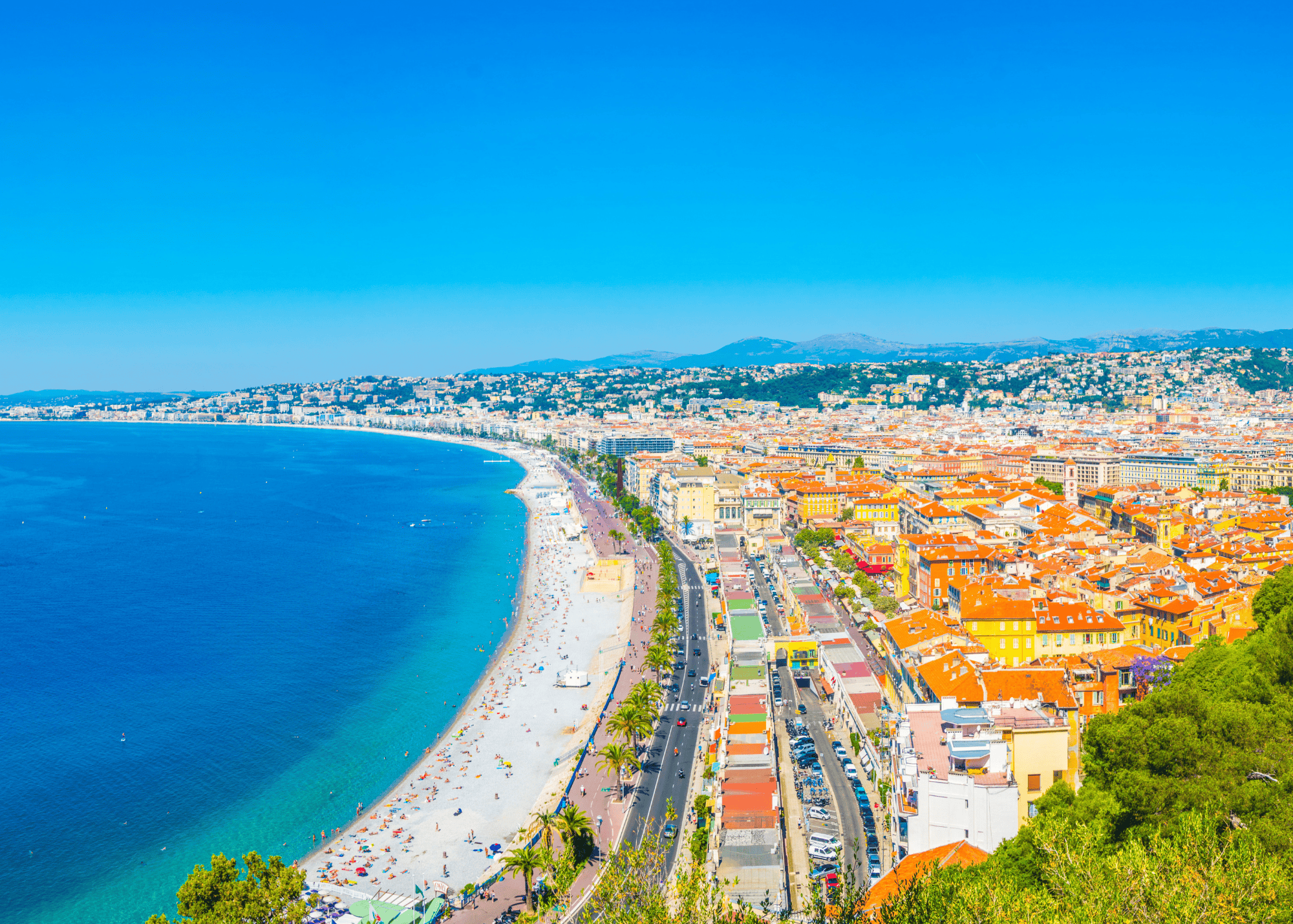
If Italy’s Amalfi Coast is the reason people assume Italy wins on coastline, the French Riviera is France’s very convincing counterargument. Nice, Antibes, Èze, Cassis, the string of towns along that stretch of Mediterranean are genuinely stunning, and they come with something the Amalfi Coast often struggles to offer: the ability to actually relax once you get there. The water is just as turquoise, the views are just as dramatic, and you are not white-knuckling it around hairpin cliffs to get from one town to the next.
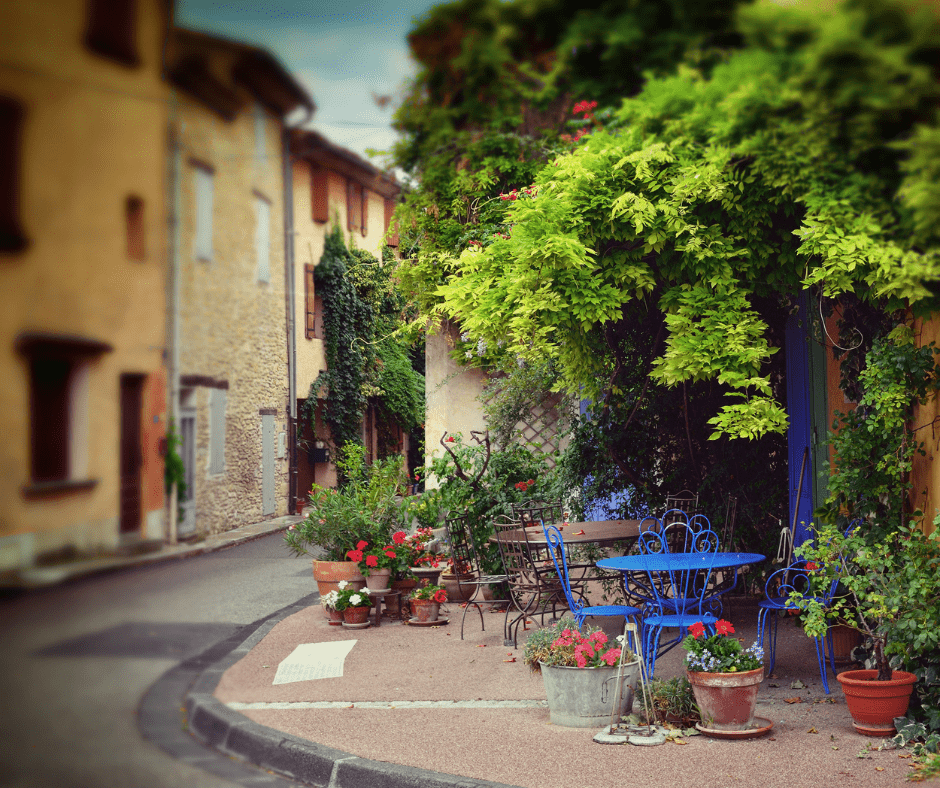
Nice itself earns more appreciation the longer you spend in it. The Old Town is a maze of narrow streets painted in ochre and terracotta, full of markets and restaurants that have been feeding locals for generations. From there, Antibes is twenty minutes by train, and Èze, a medieval village perched so high above the sea it barely looks attached to the earth, is less than half an hour away. The Riviera also connects naturally into Provence, which makes combining coastline and countryside in a single trip completely seamless.
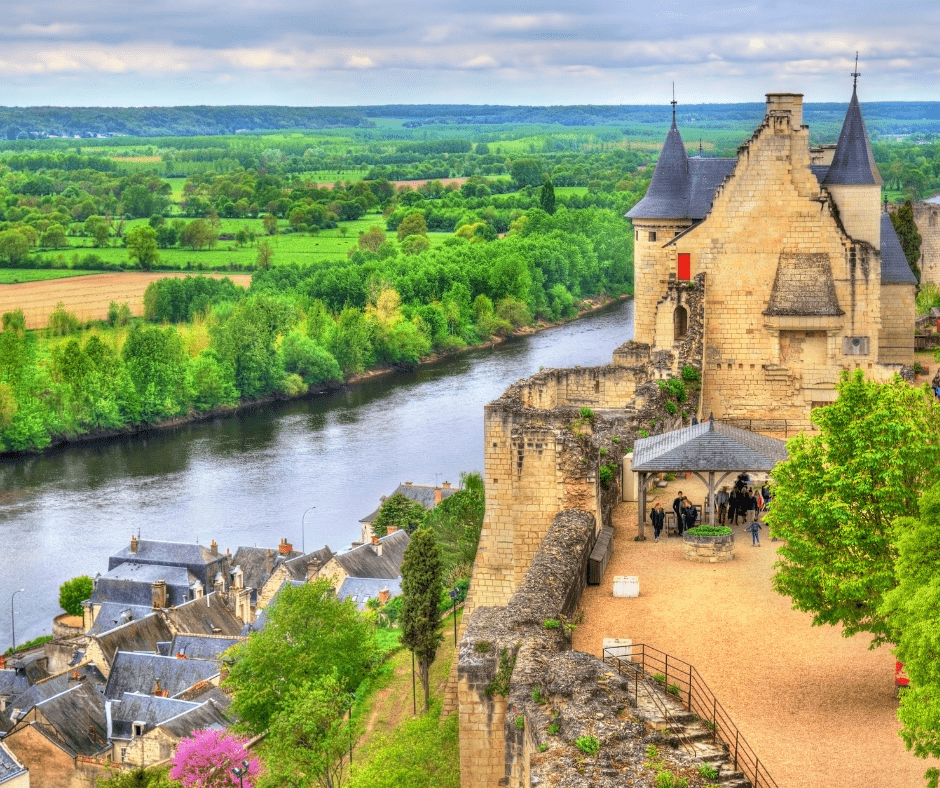
Think Tuscany, but swap the cypress-lined hills for châteaux rising above rivers. The Loire Valley is one of the most underrated stretches of Europe, lined with Renaissance castles, formal gardens, riverside cycling paths, and vineyards that feel elegant rather than flashy. History is everywhere you look here, and none of it feels staged.
Spring is especially beautiful when blossoms frame stone turrets and the countryside seems freshly awakened. Summer brings long golden evenings perfect for wine tasting and unhurried dinners in château towns. In fall the vineyards turn amber and the light goes soft in a way that belongs on a painting. The Loire Valley is romantic, historic, and genuinely unhurried, and it puts up a strong argument for being the most underappreciated region in all of Europe.
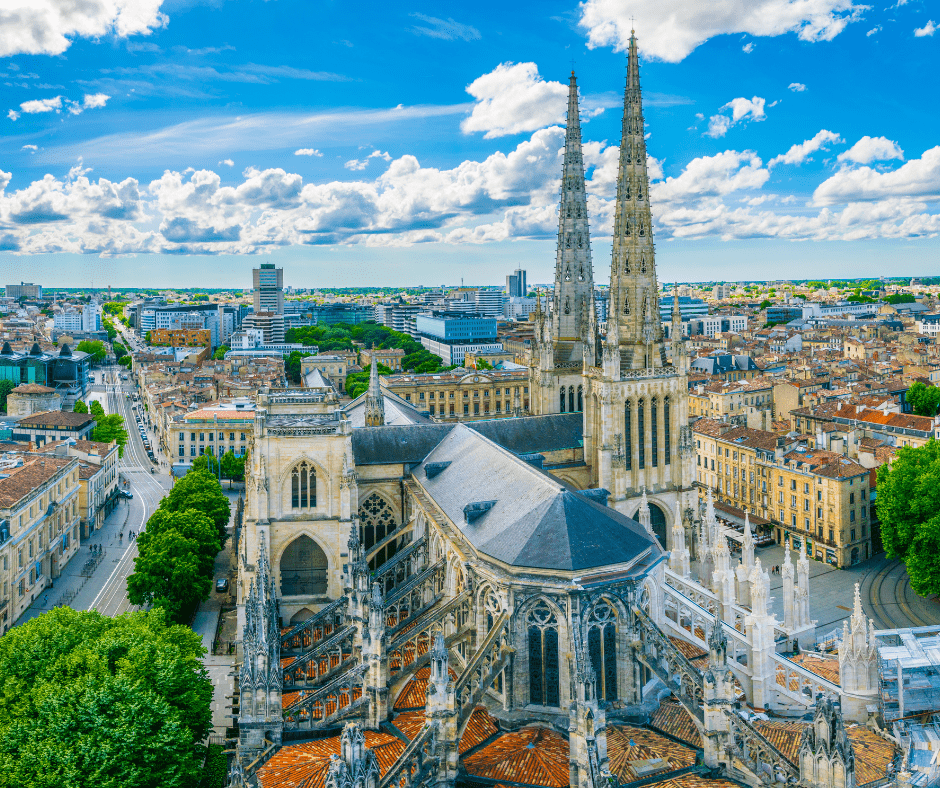
Long known for wine and honestly not given enough credit for much else, Bordeaux has become one of France’s most genuinely exciting cities, and it tends to surprise people in the best way. The architecture is grand without being stuffy, all honey-colored stone and wide boulevards that feel designed for actually living in rather than just admiring. The riverfront has been completely transformed over the past decade into one of the most beautiful urban waterfronts in Europe, filling up with locals on a weekday afternoons.
Day trips into Saint-Émilion put you in some of the most beautiful wine country in the world, where the villages are genuinely medieval and tastings happen in cellars carved from limestone that date back centuries. Bordeaux feels lived-in and real in a way that a lot of Europe’s most visited cities have slowly stopped feeling. You’re not navigating around tour groups all day or paying tourist prices for a mediocre meal. You’re just in a great city, eating well, drinking better, and remembering why you love to travel in the first place.
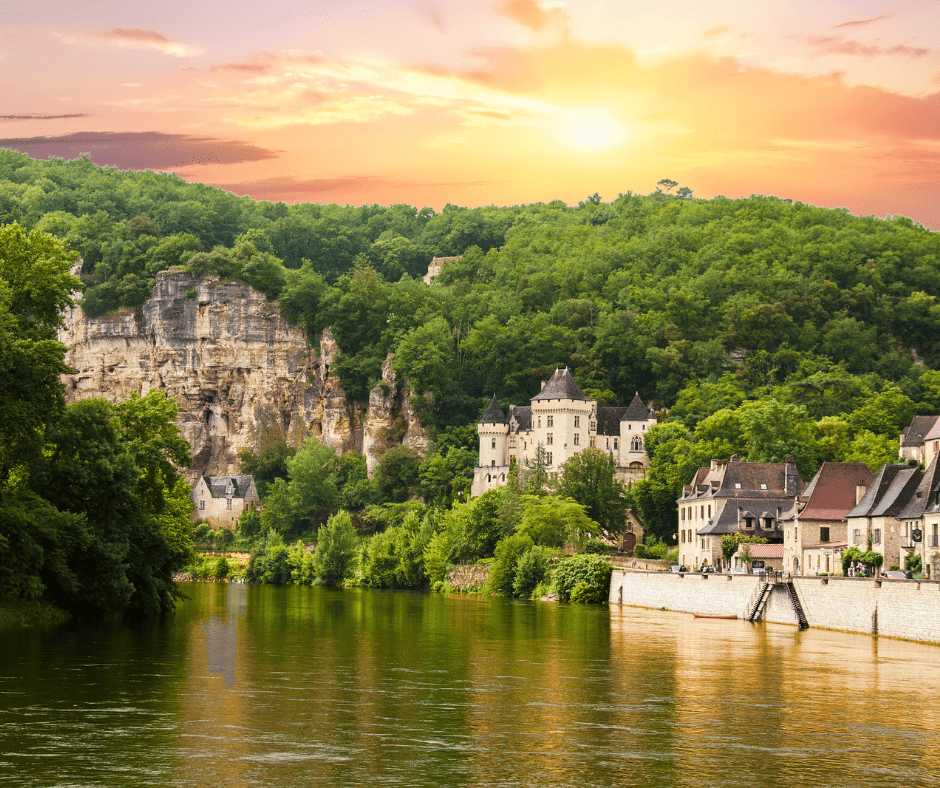
If I had to name one region in France that most travelers haven’t given nearly enough attention to, it would be the Dordogne. This is where France shows off its more quietly spectacular side: medieval hilltop villages, dramatic castles perched above winding rivers, golden-stone market towns like Sarlat, and a pace of life that gently insists you slow down and pay attention.
The Dordogne has the same qualities that draw people to Umbria or Tuscany in Italy, real history, beautiful landscapes, exceptional local food, but without anywhere near the same foot traffic. The markets overflow with duck confit, black truffles, and walnut oil. The villages are genuinely old and genuinely intact. The whole region has a texture to it that feels earned rather than preserved for show. It is the kind of place where you take the scenic route not because you planned to, but because you simply forgot to hurry.
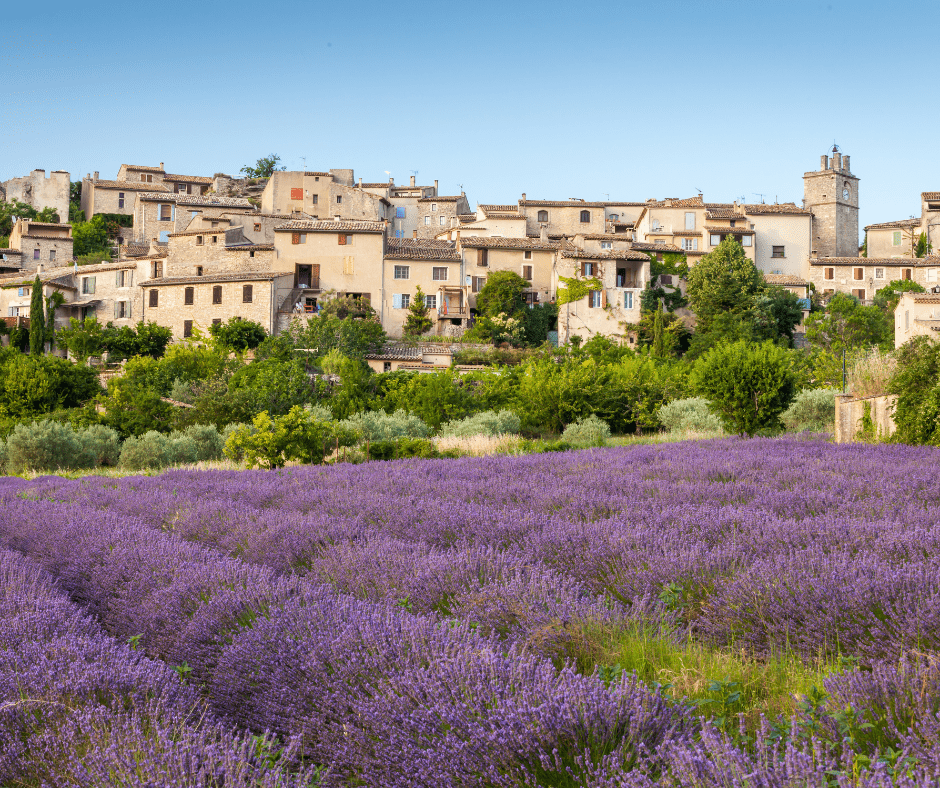
Provence continues to rise as travelers look beyond crowded coastal Italy, and it earns every bit of the attention it gets. Lavender fields rolling toward hilltop villages. Sunday markets overflowing with local cheese, olive oil, and hand-thrown pottery. Ancient Roman ruins sitting quietly alongside medieval abbeys. Vineyards producing some of the world’s most beloved rosé, poured generously and without ceremony.
What makes Provence feel different from crowded coastal Italy is not just the scenery. It is the texture of daily life there. Things move at a human pace. Meals are long. The whole experience feels rustic and refined at the same time, which is a harder balance to strike than it sounds. Provence is also one of the few places in Europe where you can spend ten days and still feel like you’ve only scratched the surface.
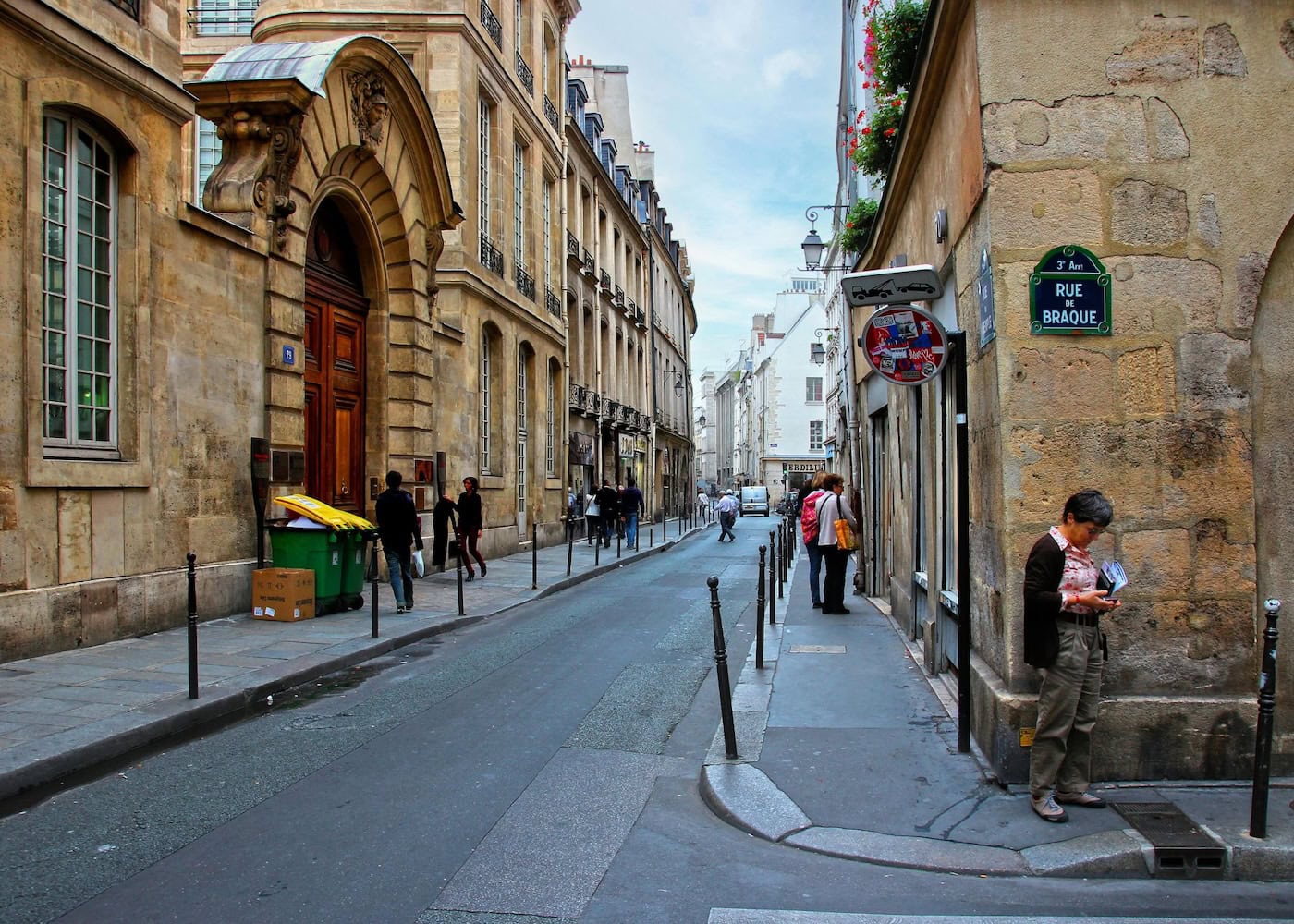
Paris gets dismissed sometimes as overhyped or too touristy, and it is true that the main circuits around the Louvre and the Eiffel Tower can feel relentless in peak season. But Paris beyond those circuits is one of the great travel experiences in the world. The Marais on a Sunday morning, when the streets are quiet and the bakeries are just opening. The Canal Saint-Martin neighborhood, where locals have brunch and rent bikes and live their actual lives. A long dinner in a neighborhood bistro where the prix fixe is written on a chalkboard and nobody is rushing you out. Paris rewards the traveler who is willing to wander a little off the well-worn path, and it does it consistently and generously.
France’s growing popularity isn’t about trends or hype. It’s about balance. History, food, wine, and culture are everywhere, but rarely feel overwhelming. One country gives you châteaux and vineyards, medieval villages and cosmopolitan cities, dramatic coastline and rolling countryside, all easily connected by train. Meals linger, days unfold naturally, and the experience has a sense of ease that many popular European destinations have lost entirely. France excels at a kind of quiet elegance; beautiful hotels, genuinely good service, and a style that never needs to announce itself.
Basically, France offers the richness travelers crave from Italy, but with a sense of ease that is increasingly hard to find.
Italy will always be iconic. The Colosseum at golden hour, a bowl of cacio e pepe in a Roman trattoria, the view from the Cinque Terre cliffs; those experiences don’t lose their power just because everyone wants them. But France is doing something quieter and arguably more interesting right now. It’s reminding travelers that European travel was never supposed to be a checklist, and that the best trips are the ones where you actually have room to be present in the place you came all this way to see.
France has always had the ingredients. The food, the wine, the history, the landscapes, the art, the architecture, it was never lacking. What’s changed is that travelers are finally looking up from Italy long enough to notice. And when they do, they find a country that doesn’t need to compete, because it was never really trying to. France just keeps being France: layered, generous, deeply varied, and almost impossible to exhaust.
Whether you spend two weeks tracing the Loire’s châteaux or one slow week in a Provençal village where the biggest decision each morning is which market to visit first, France has a way of meeting you exactly where you are. It scales to the traveler. It works for the honeymooner and the seasoned explorer, the family that wants history their kids will actually remember and the couple who just wants good wine and no agenda. That flexibility, combined with the sheer quality of what’s on offer, is what makes France not just a compelling alternative to Italy but a destination worth choosing entirely on its own terms.
France isn’t replacing Italy. It’s becoming the next chapter and for a lot of travelers, it’s turning out to be the better one.
Curious what this kind of French journey actually looks like? France is best experienced with a thoughtful pace and a well-designed flow between regions. To show how it all comes together, I’ve created a complimentary 12 day sample France itinerary highlighting castles, wine regions, and historic villages without the rush or crowds.
If France feels like your next chapter, I design custom trips that reflect your pace, interests, and travel style, from choosing the right regions to handling every detail along the way.
When you’re ready to move from inspiration to planning, I’d love to help!