
Best Regions in Spain: How to Choose the Right Area for Your Trip

Spain sounds simple at first.
You think you’ll fly in, visit a few major cities, maybe add some coast, and that will be the trip.
Then you start looking at a map.
Southern Spain feels completely different from the north. The Mediterranean coast feels different from both. Madrid does not sit neatly inside any of those categories. The islands are an entirely separate experience.
This is where most Spain itineraries start to fall apart.
When people search for the best regions in Spain or try to figure out where to go in Spain for the first time, they often assume it is easy to combine everything. In reality, each region has its own pace, landscape, and personality. Trying to see too much usually leads to constant moving and very little depth.
Spain works best when you choose a region first and build around it.
Here is how to think through the main areas.
Southern Spain (Andalusia): Atmosphere, Architecture,
and Late Evenings
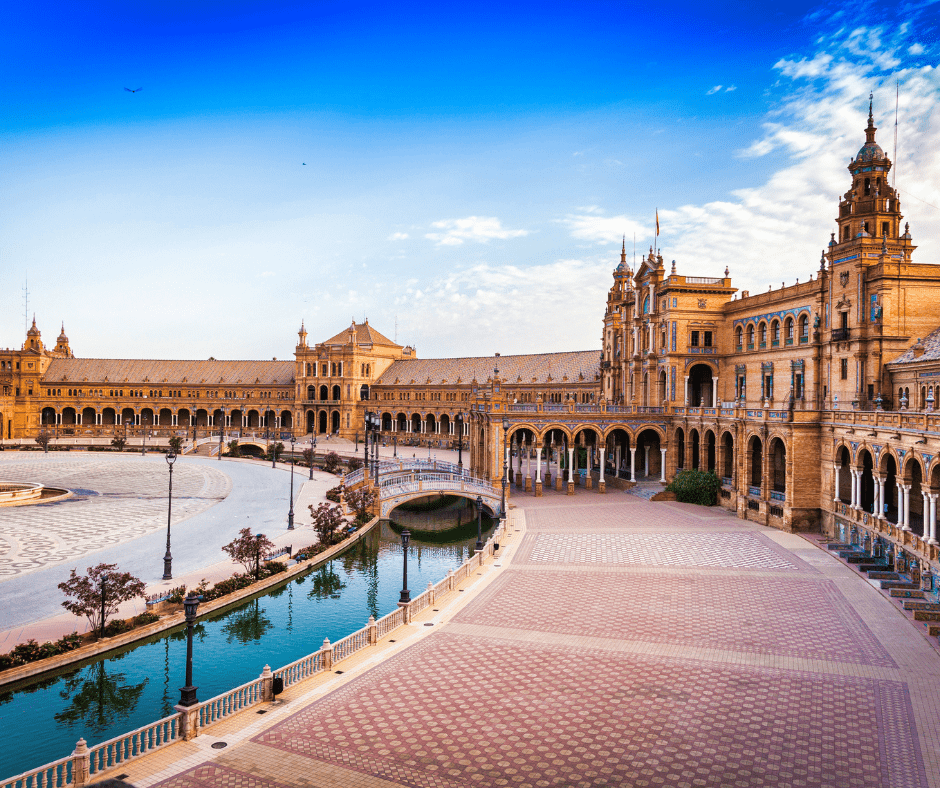
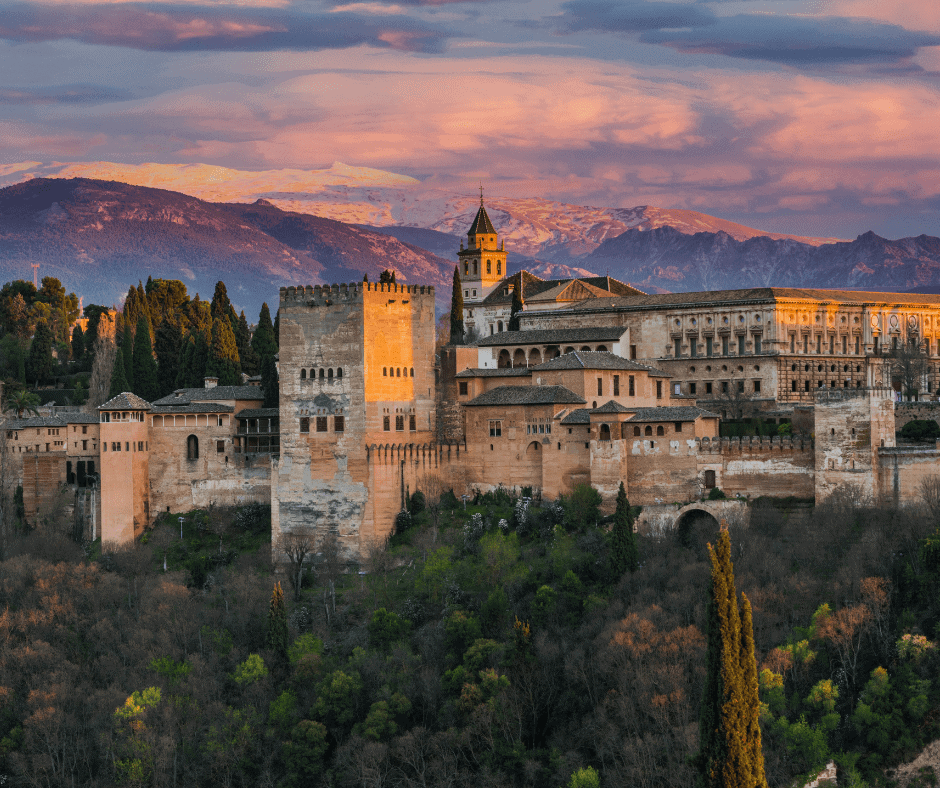
Southern Spain, specifically Andalusia, is home to some of the country’s most recognizable cities.
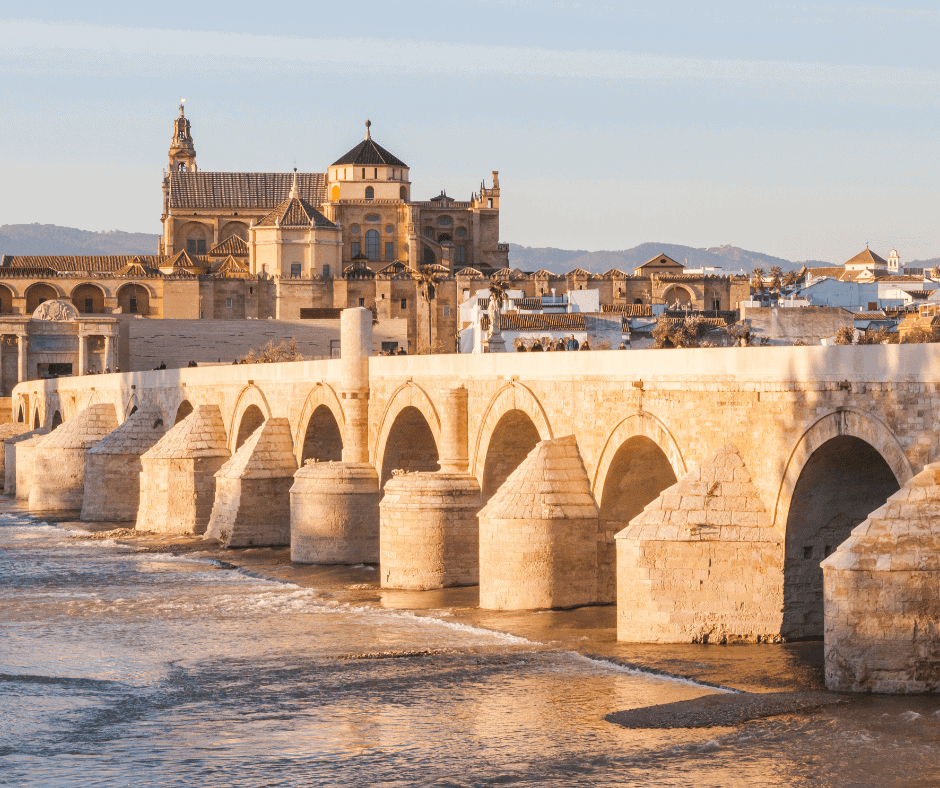
In Seville, you can spend the morning exploring the cathedral and the Alcázar, walk through the Santa Cruz neighborhood, and end the day with tapas in a lively plaza. In Granada, visiting the Alhambra is essential, but the Albaicín neighborhood and the sunset views are just as memorable. Córdoba offers the Mezquita and one of the most striking architectural spaces in Spain.
You can add Ronda for dramatic scenery or explore the white villages for a slower pace.
If you want to combine culture with coastline, Málaga is an easy addition. It gives you beach access while still keeping you close to museums and historic streets. A property like Gran Hotel Miramar works particularly well here. It sits directly on the water but is still walkable to the old town, which makes it easy to balance sightseeing with downtime.
For Granada specifically, Palacio Gran Vía offers a restored historic setting in a central location, making it easy to explore the Alhambra and the Albaicín on foot without sacrificing comfort.
This region is easier to appreciate when you are not trying to cover too much ground.
Northern Spain: Green Landscapes, Culinary Depth,
and Outdoor Space
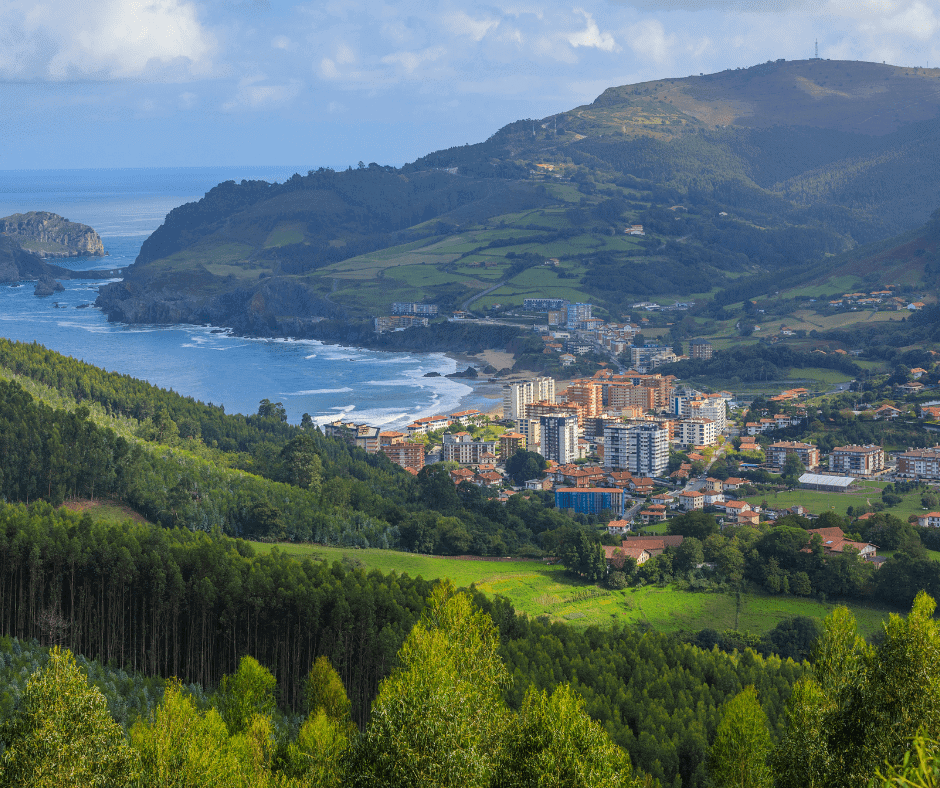
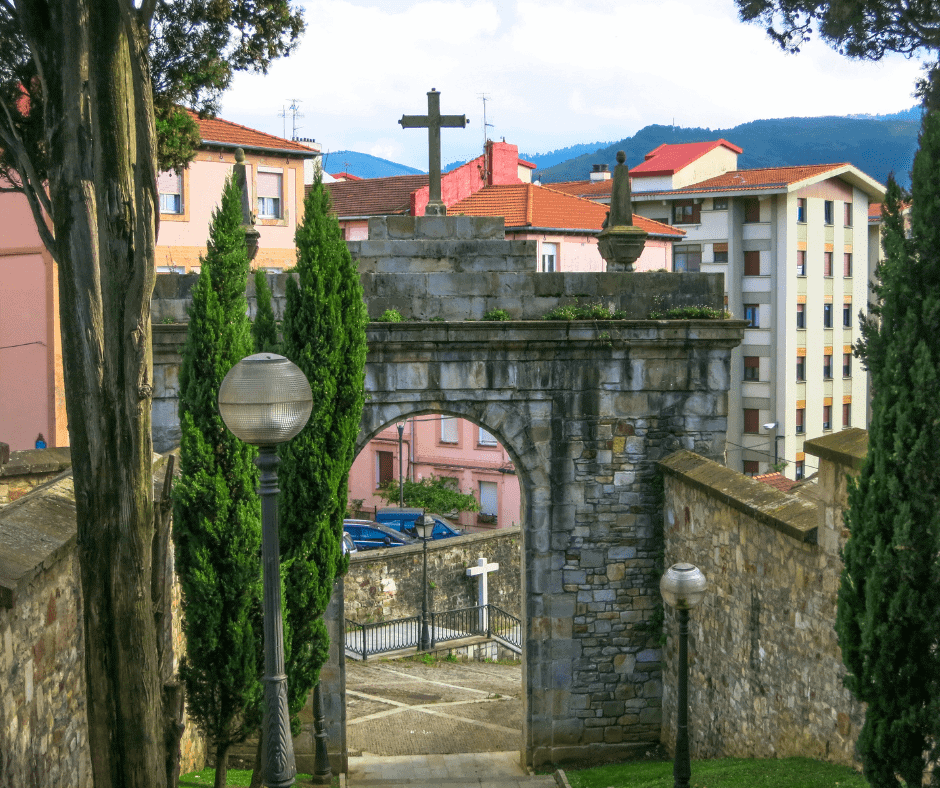
Northern Spain feels completely different from the south.
Instead of dry heat and golden tones, you will find green hills, rugged coastline, and a strong culinary identity.
In San Sebastián, days often revolve around food. Mornings can start at La Concha beach, afternoons with a scenic walk, and evenings moving from one pintxos bar to another. Bilbao combines modern architecture with a strong food scene and the Guggenheim Museum.
The broader Basque Country offers coastal drives and small fishing towns. Inland, La Rioja is ideal for wine tasting and relaxed lunches. If you enjoy hiking and mountain scenery, the Picos de Europa provide a completely different landscape from Andalusia.
Northern Spain works well for travelers who prioritize food, wine, and natural scenery over major monument sightseeing.
Mediterranean Spain: Energy, Coastline, and Variety in One Trip
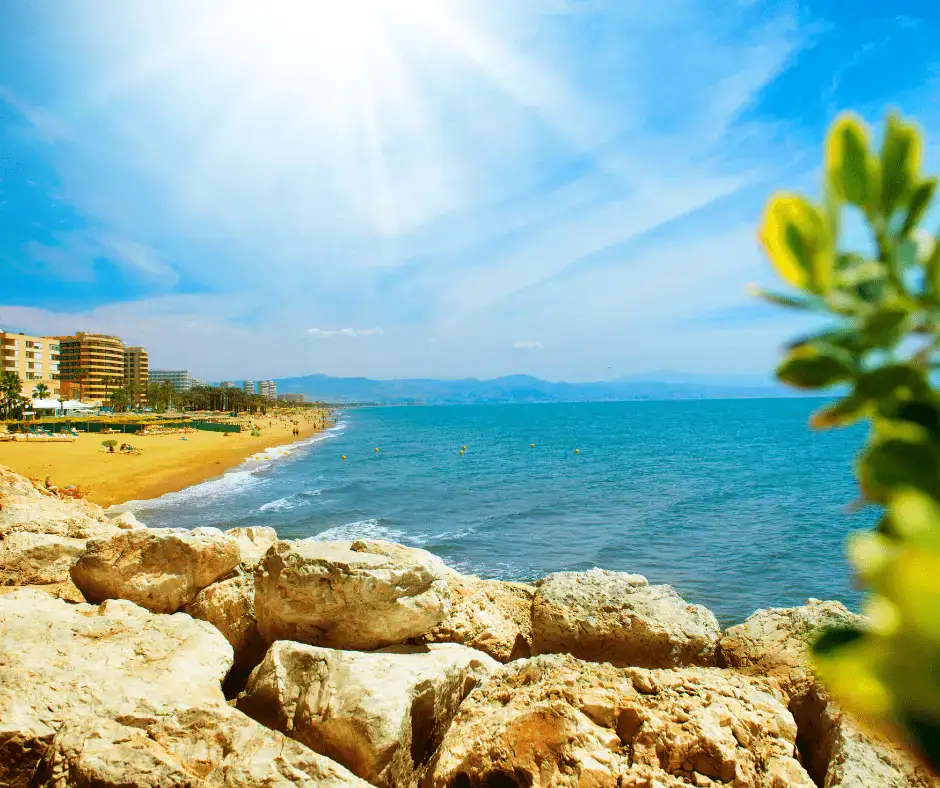

Mediterranean Spain is along the eastern coast and offers a mix of city energy and beach access.
In Barcelona, you can explore markets, architecture, and neighborhoods in the morning and walk to the waterfront in the afternoon. It is lively and easy to navigate.
Valencia feels slightly more relaxed but still vibrant. You can bike through the Turia Gardens, visit the City of Arts and Sciences, and enjoy paella where it originated.
The Costa Brava offers coastal paths and small seaside towns. If you prefer an island setting, Mallorca combines beautiful coves with mountain views and elegant hotels.
This region is often a strong choice for first time visitors who want culture and coastline in one trip without covering huge distances.
Central Spain (Madrid): Art, Architecture, and Easy Day Trips

Madrid sits in the center of Spain and often gets treated as a stopover. It deserves more than that.
Madrid works well for travelers who enjoy major museums, elegant architecture, and a city that feels lived in rather than staged. You can spend time at the Prado, walk through Retiro Park, explore neighborhoods like Salamanca or La Latina, and still feel like you have only scratched the surface.
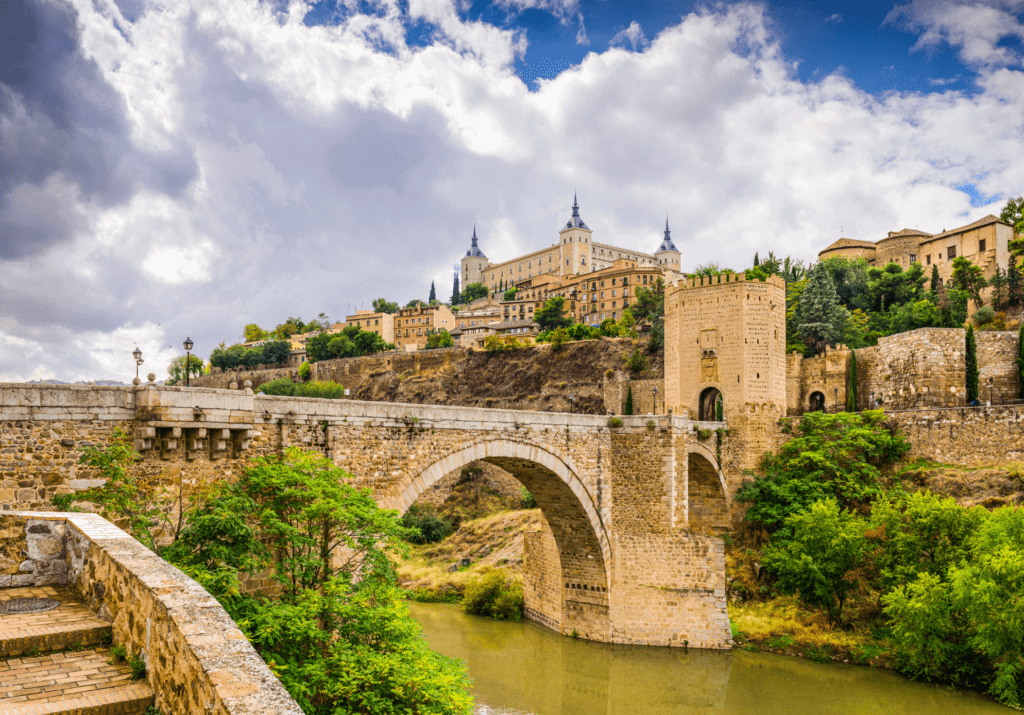
One of Madrid’s biggest advantages is how easily it pairs with nearby historic towns. Toledo offers dramatic views and layered history just a short train ride away. Segovia adds the Roman aqueduct and a fairytale-like alcázar without requiring a hotel change.
Madrid also connects efficiently by high speed train to Andalusia and northern Spain, which makes it a practical anchor for a multi-region trip if planned carefully.
Central Spain works well for travelers who want a strong cultural base with easy structure and transport.
The Islands: Beaches, Small Towns, and Unpacking Once
Spain’s islands are not an add-on to a mainland trip. They are often best treated as their own experience.
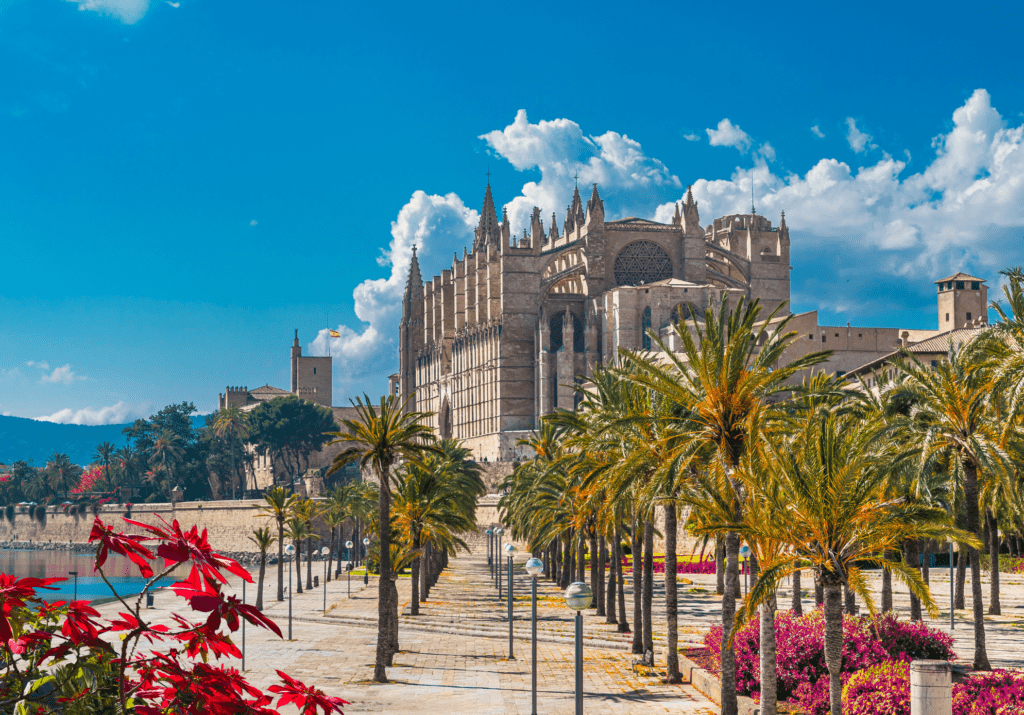
The Balearic Islands, including Mallorca, Menorca, and Ibiza, are ideal if your priority is coastline and staying in one place. Mallorca offers mountain views and small villages in addition to beaches. Menorca feels quieter and more understated. Ibiza, beyond its nightlife reputation, has a beautiful historic old town and excellent coastal scenery.
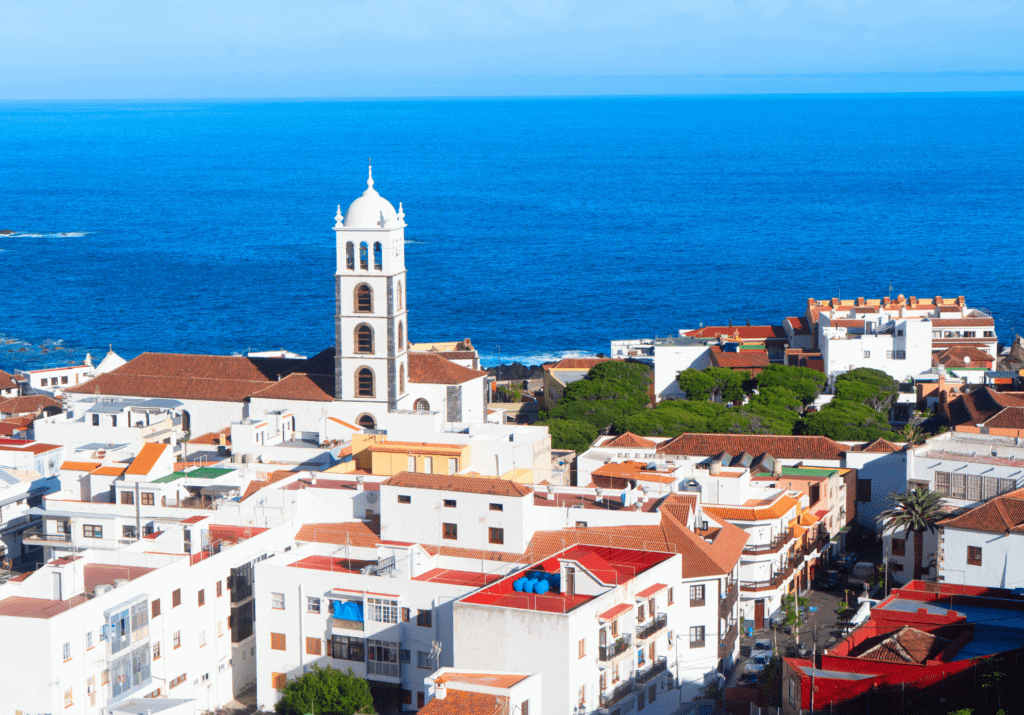
The Canary Islands, such as Tenerife, offer a completely different landscape with volcanic terrain and mild weather year round. They are especially appealing outside of peak summer months.
Island trips work best when the goal is to unpack once, enjoy the setting, and avoid constant transit days. They can be combined with mainland Spain, but they often feel more cohesive when given their own focus.
Which Region Is Right For You?
The goal is not to combine all of these in one trip.
The goal is to choose the region that fits how you travel.
If you enjoy historic cities and architecture, Andalusia is often the right fit.
If food and wine are a priority, northern Spain delivers.
If you want city energy with beach access, Mediterranean Spain makes sense.
If you prefer a major capital with strong train connections and day trips, Madrid works well.
If your priority is coastline and staying put, the islands are ideal.
What usually does not work is trying to combine too many regions in a short amount of time. Two well chosen bases in one area often feel far more complete than moving every couple of nights.
The best region in Spain isn’t the one with the most famous landmarks.
It’s the one that fits your pace.
If you’re in the early planning stage and unsure where to begin, that’s exactly where I come in. Choosing the right region first changes everything and once that decision is clear, the rest of the trip falls into place.
And if you enjoy destination breakdowns like this, you can subscribe here for more travel insights delivered straight to your inbox.