
A Practical Guide to Traveling Portugal Without Over-planning
Portugal is one of those destinations that just works. Distances are short, transportation is refreshingly uncomplicated, and you can move between cities, wine country, and coast without constantly changing hotels or sacrificing days to logistics. For travelers who want culture and scenery without a choreographed itinerary, it’s genuinely one of the easiest countries in Europe to navigate well.
What strikes most people first is how approachable it feels from the moment you arrive. English is widely spoken, locals are warm without being performative about it, and getting around rarely requires the kind of constant problem-solving that exhausts travelers in more complicated destinations. Days tend to unfold loosely here. Meals happen later, cafés are woven into daily life, and not everything operates on a tight schedule. Once you settle into that rhythm, the trip usually gets easier from there.
Portugal is also compact in a way that quietly changes how a trip feels. You can shift between regions without burning full days in transit, which means you can actually see different parts of the country without feeling like you are always on the move. If you have thought about building a slower, more intentional itinerary, Portugal is one of the destinations where that approach pays off most naturally.
The core places most trips include
Lisbon
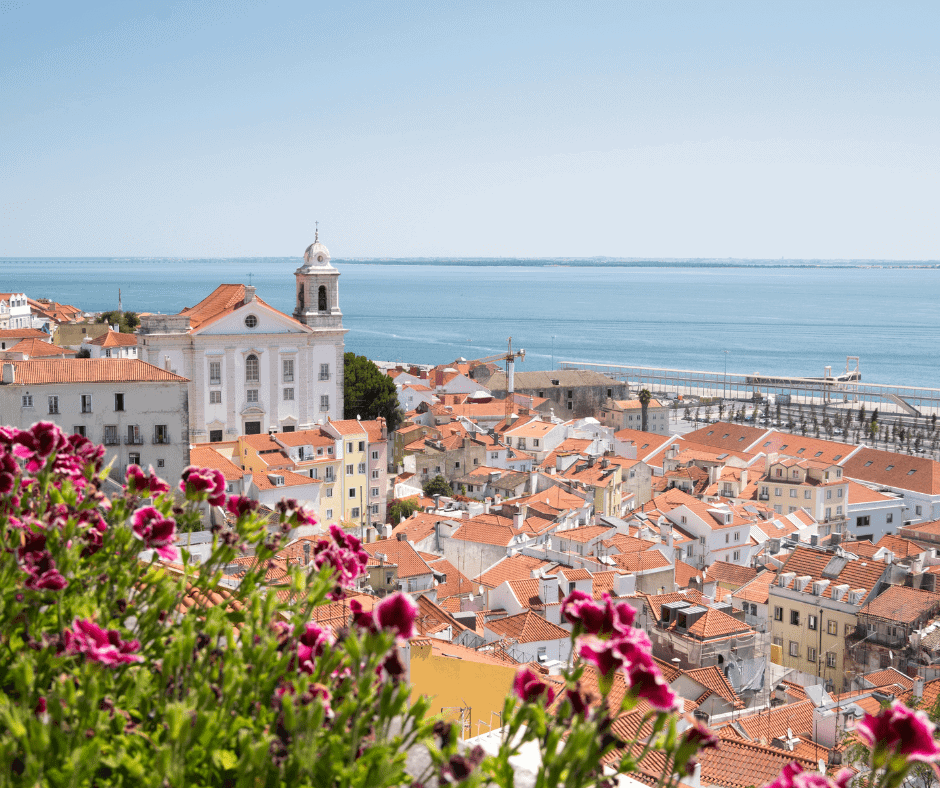
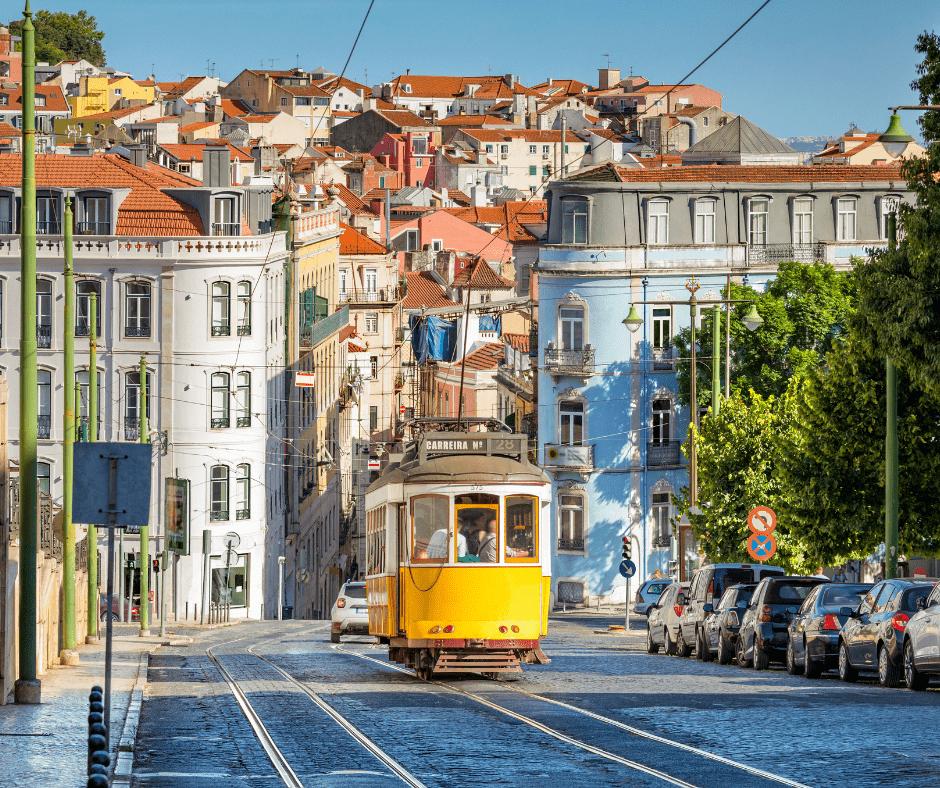
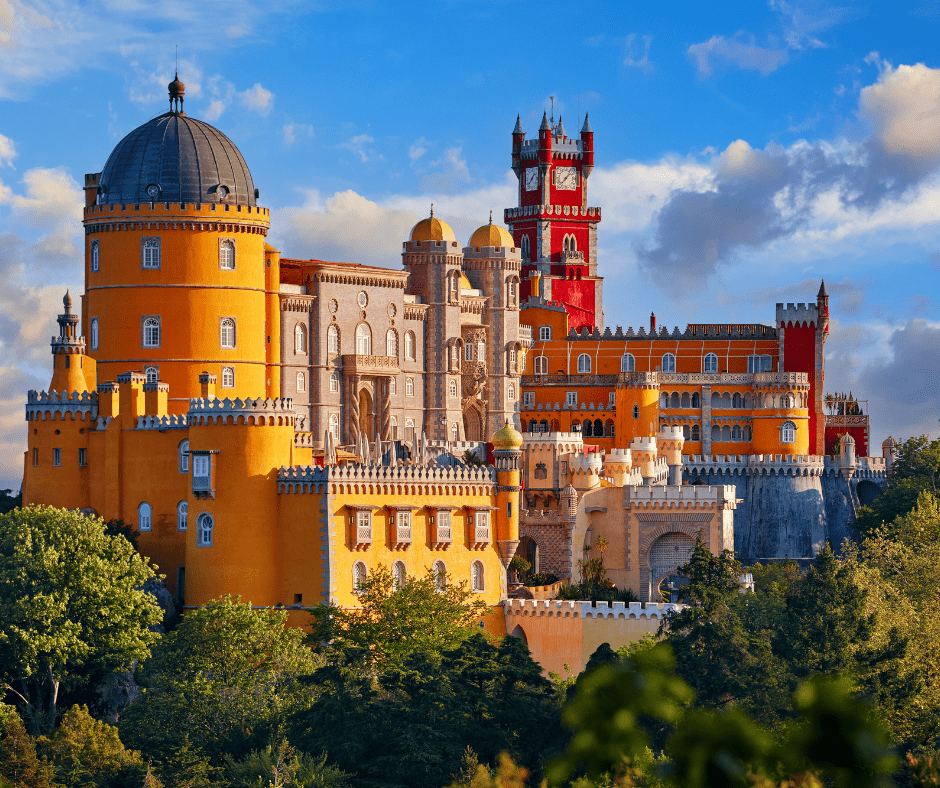
Lisbon is the natural starting point. The city spreads across a series of hills overlooking the Tagus River, and its neighborhoods each carry a slightly different character. Historic streets, local markets, sweeping viewpoints, and modern restaurants coexist without much effort on your part. Lisbon rewards exploration by neighborhood rather than by landmark checklist, and the pace of the city makes it easy to let a morning stretch into an afternoon without feeling like you wasted it. Sintra is worth a half-day trip from the city, with its forested hills, colorful palaces, and fairytale atmosphere that feels completely removed from urban Lisbon. Cascais, a coastal town about forty minutes by train, offers a quieter, more relaxed contrast and pairs easily with a Lisbon base without requiring a separate hotel.
Porto
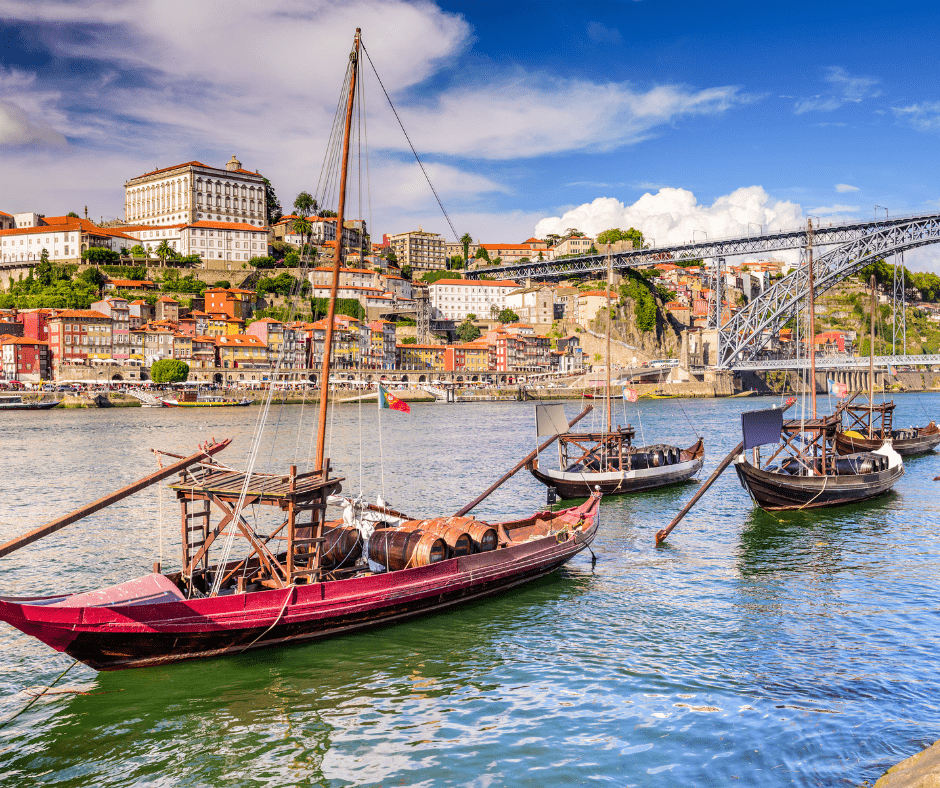
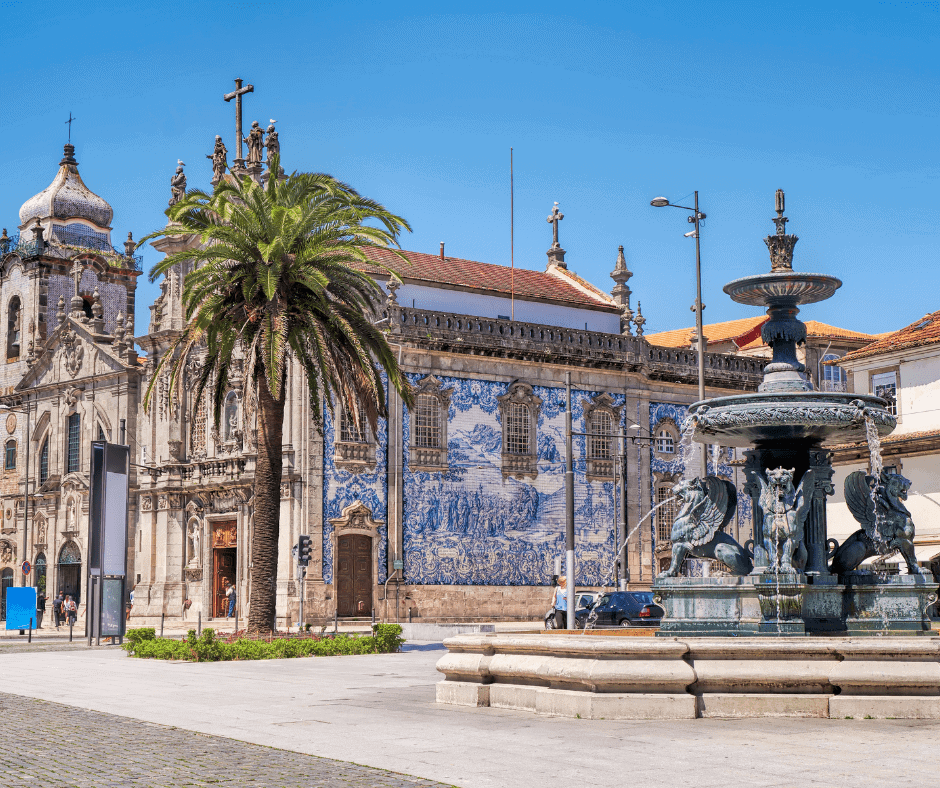
Porto is smaller and more concentrated, with most of the city’s energy centered around the Douro River. The bridges, the wine lodges across the water in Vila Nova de Gaia, the tiled facades, and the riverfront all connect naturally and are easy to cover on foot. The Ribeira district along the waterfront is the most atmospheric part of the city, lined with narrow buildings, outdoor cafés, and boats that have been carrying port wine barrels down the river for centuries. Porto is the kind of place where you can wander without a plan and still feel like the day was full. It pairs beautifully with a few days in the surrounding wine country, and the two together make for one of the most satisfying combinations in Portugal.
Douro Valley
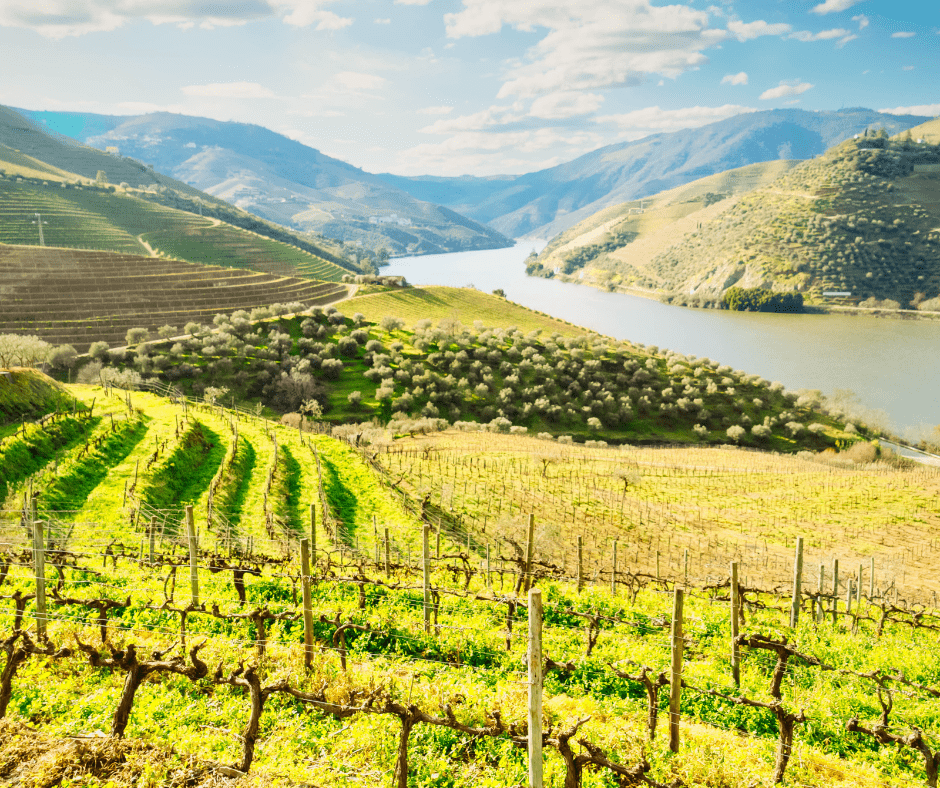
The Douro Valley is less about landmarks than it is about landscape. Terraced vineyards trace the hillsides in long dramatic lines, small villages sit quietly along the river, and days center on views, wine tastings, and unhurried meals. Many of the quintas, the family-owned wine estates, welcome visitors for tastings and tours, and some offer accommodation that puts you right in the middle of the scenery. A river cruise through the valley is another way to experience it, drifting past vineyards and hilltop villages at a pace that matches the region’s natural rhythm. It is a genuine counterbalance to the energy of the cities and consistently ends up being a trip highlight. The Douro also operates differently from wine regions like Tuscany or Mendoza, where the experience tends to be more structured. Here, the river and the countryside do most of the work.
Algarve
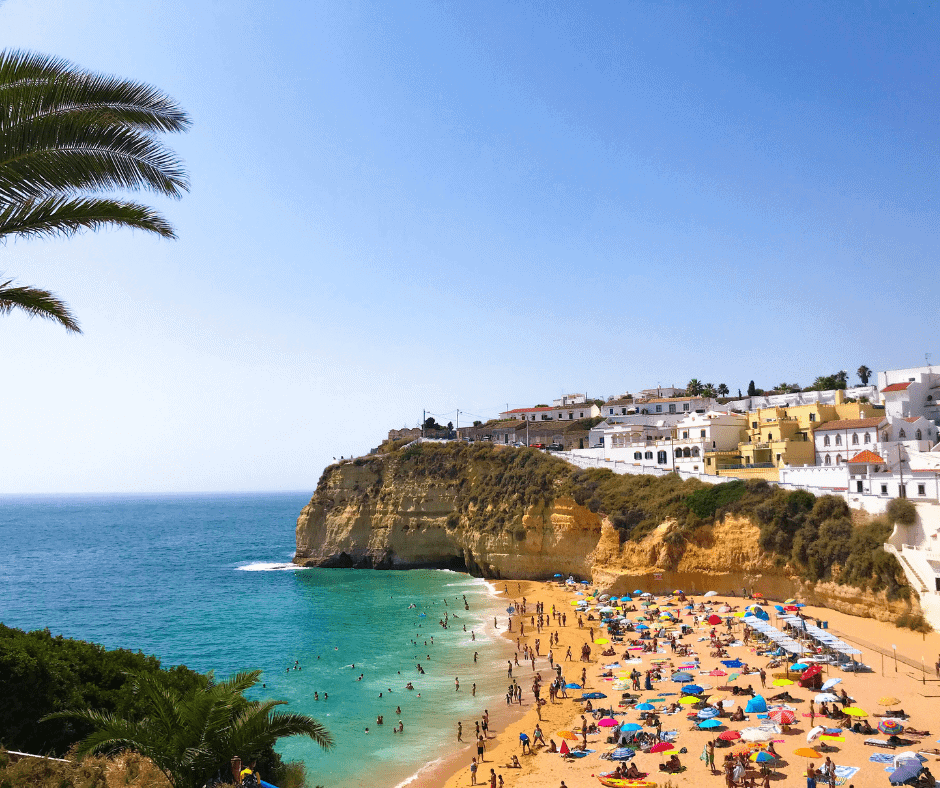
The Algarve rounds out most Portugal itineraries, and while it is best known for its coastline, it is more varied than its reputation suggests. The western stretch around Lagos and Sagres has some of the most dramatic cliff scenery in Europe, with golden rock formations, hidden sea caves, and beaches that feel genuinely wild. Further east, towns like Tavira have a quieter, more traditional character with cobblestone streets, whitewashed buildings, and a pace that has nothing to do with resort tourism. Lively resort towns, quieter beach villages, long clifftop walking paths, and hidden coves all exist within a relatively compact stretch of southern coast. It works especially well at the end of a trip, when a few days of slower coastal time feel like a natural finish.
A few less obvious additions
Once the framework of a trip is set, some travelers choose to add a quieter destination that isn’t on every first-time itinerary. Comporta, south of Lisbon, offers wide open beaches, understated design, and a very low-key atmosphere that feels genuinely removed from the tourist circuit. The Alentejo is another option, with open countryside, small towns, and a slower daily rhythm that appeals to travelers who want something more interior and less obvious. Neither is essential, but both are worth knowing about.
How to think about timing and length
Spring and fall are ideal for most travelers, with comfortable temperatures and manageable crowds. Summer works well for beach-focused trips but is noticeably busier in popular areas. Winter suits city travel particularly well, especially in Lisbon and Porto, where the quieter streets make the neighborhoods feel even more like your own.
A week gives you a solid introduction. Ten days allows for a better mix of regions without feeling rushed. Two weeks makes it possible to move through cities, wine country, and coast without stacking too much into each day.
For travelers who want everything in one place
I put together a Portugal Destination Guide that goes deeper on all of this, with hotel and restaurant recommendations, neighborhood breakdowns, getting around, local food worth seeking out, and the kind of cultural detail that makes a destination feel familiar before you even arrive. It is the resource I would want in my hands before a trip like this.
If you are starting to think through the pieces and want a second set of eyes on how they fit together, that is exactly what I’m here for. Portugal is an easy country to do well, and it just helps to have a clear picture of what you actually want before you start planning.