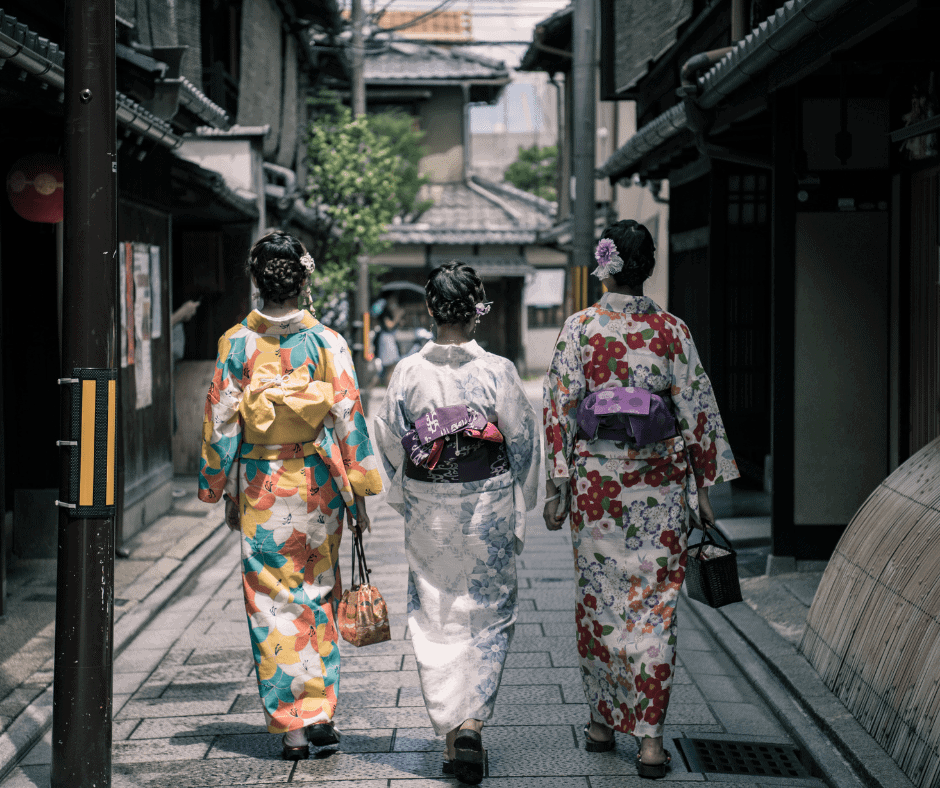
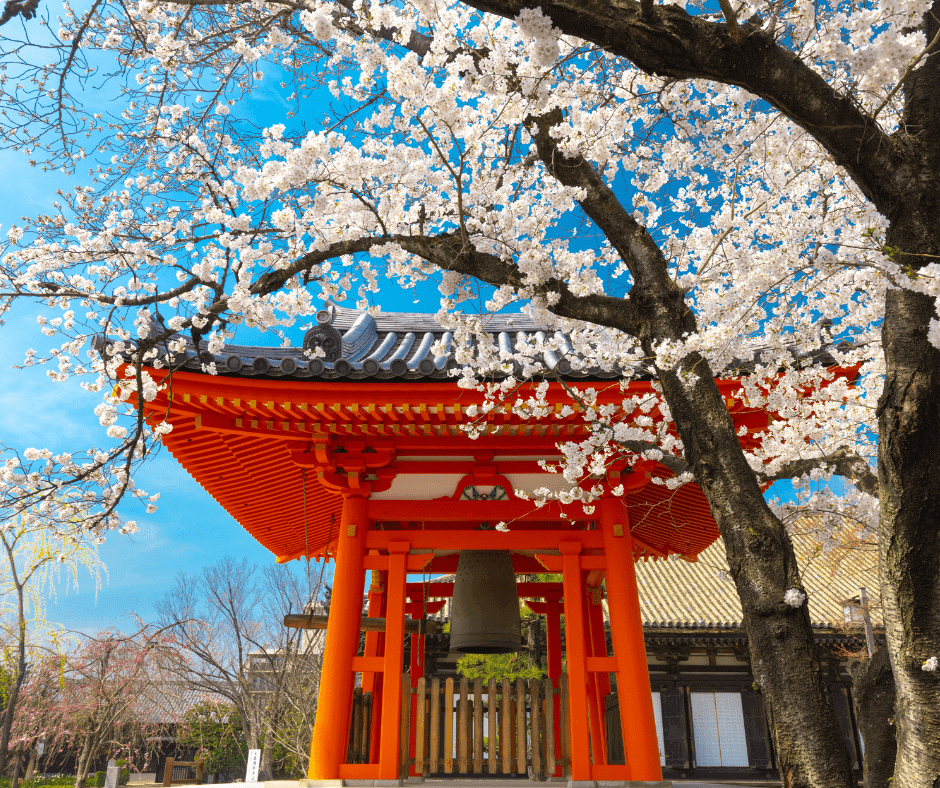
Most trips to Japan focus on Tokyo and Kyoto. That makes sense. Tokyo is fast, modern, and endlessly interesting. Kyoto is traditional, refined, and tied to the history people picture when they think about Japan.
But stopping there only tells part of the story.
When you move beyond those two cities, the experience changes. The pace shifts. The tone shifts. You start to see how different each region feels, even though the country itself is relatively compact. That contrast is what makes a Japan itinerary feel complete instead of repetitive.
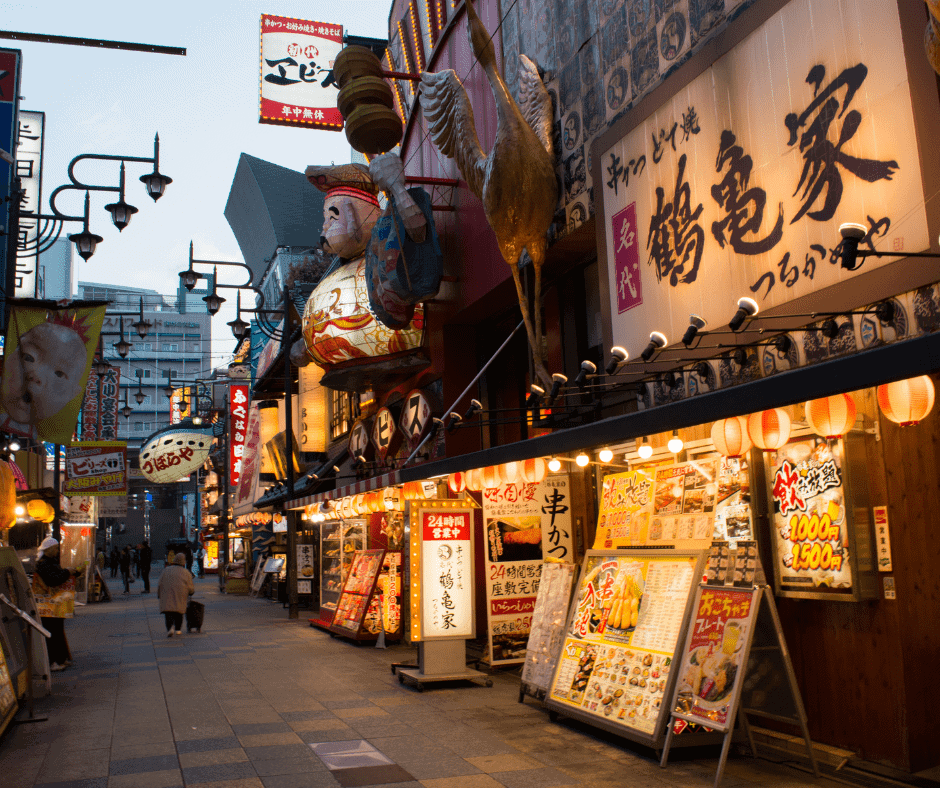
Osaka feels different immediately. It is less formal than Kyoto and less polished than Tokyo, and that is exactly the appeal.
This is a city built around food and conversation. Evenings are about wandering Dotonbori, ordering whatever looks good, and staying out a little longer than planned. It feels social. Approachable. Lived in.
Adding Osaka softens a trip. It reminds you that Japan is not only temples and precision. It is also warmth, humor, and everyday life.
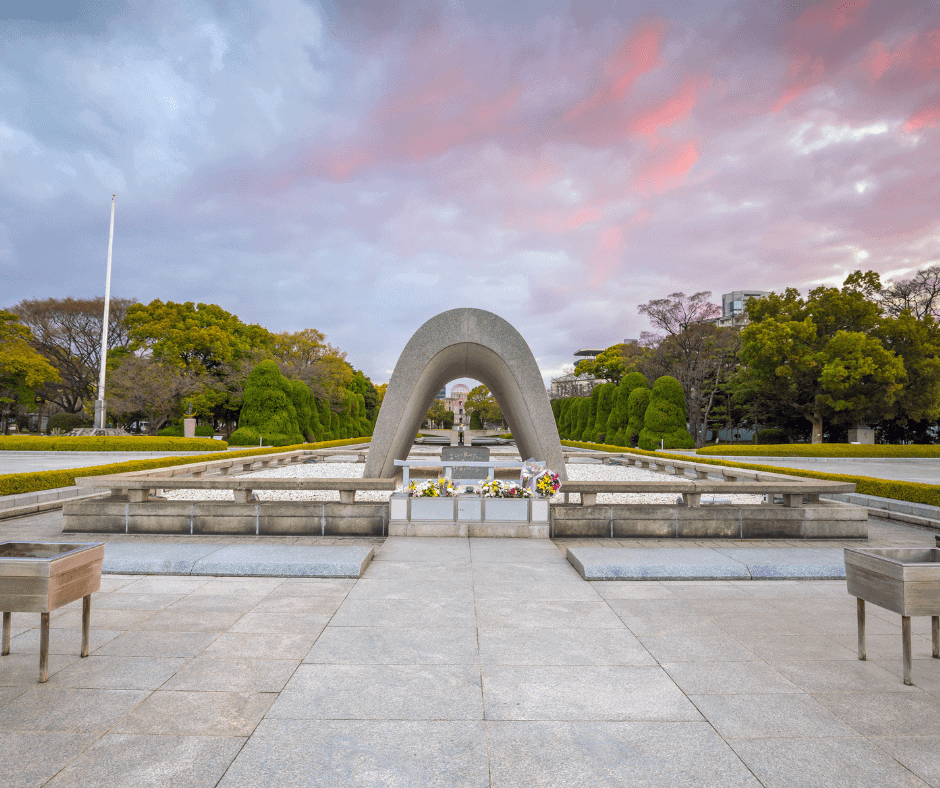
Hiroshima adds meaning without overwhelming the experience. Visiting the Peace Memorial Park is thoughtful and reflective, but the city itself feels calm and welcoming.
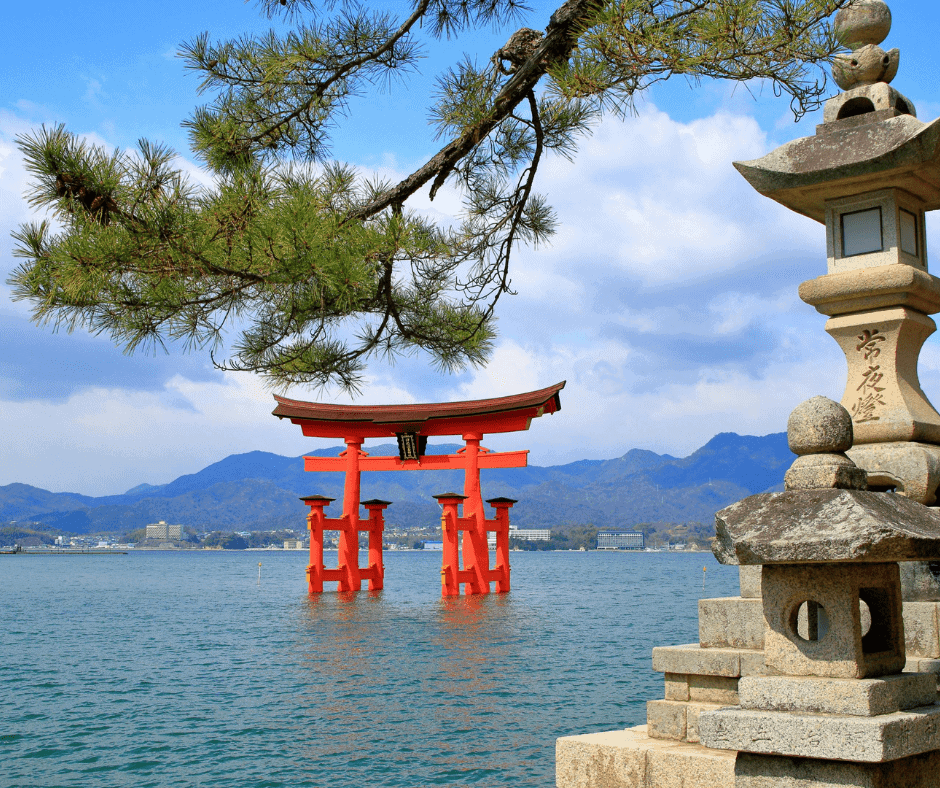
Tree lined streets, a slower rhythm, and an understated atmosphere give Hiroshima balance. Many travelers pair it with nearby Miyajima, where coastal views and forested paths shift the mood again.
Together, they create perspective. Not heavy. Just grounding.
Hakone works because it is different. After several days in Tokyo, a night in the mountains changes the rhythm in a way that feels intentional.
You are not rushing between neighborhoods. You are soaking in an onsen, enjoying a multi course dinner at a ryokan, and waking up to a quieter setting. If Mount Fuji appears, it is a bonus. Even if it does not, the contrast alone makes it worthwhile.
Okinawa surprises travelers, and it tends to be the destination they talk about most when they get home.
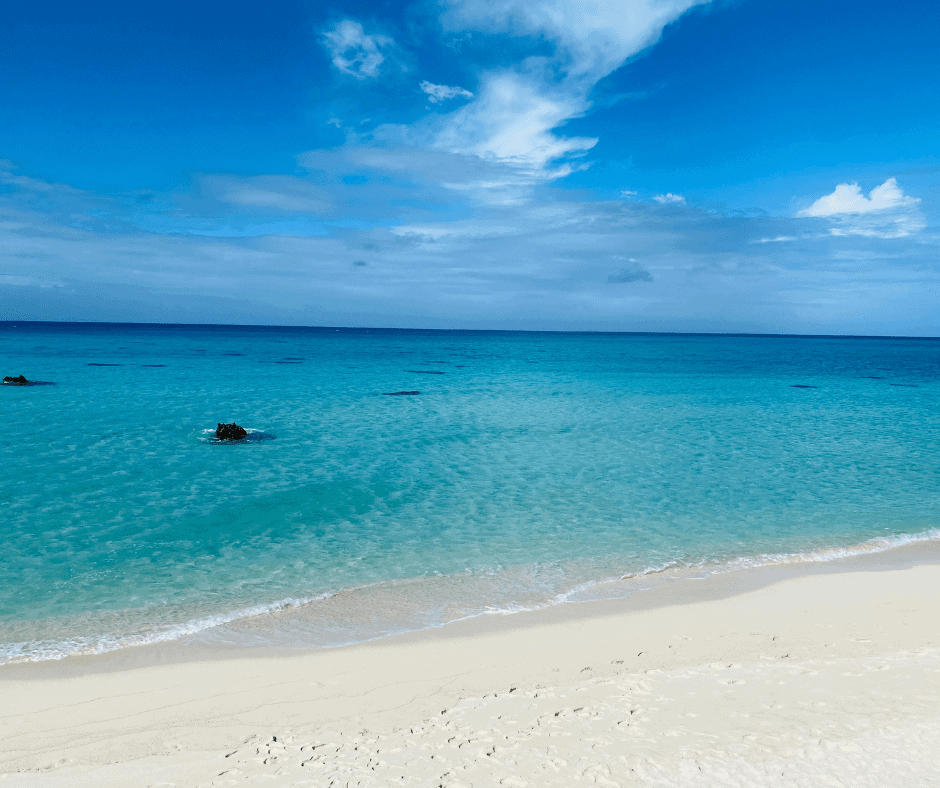
Located far south of the mainland, it feels like a completely different country. Clear water, coastal drives, and a pace that has no interest in rushing you anywhere. Culturally and historically, Okinawa carries its own distinct identity, shaped by influences that set it apart from anywhere else in Japan. Adding it to an itinerary expands what a Japan trip can look like, shifting the focus from temples and city neighborhoods to coastline, open space, and a way of life that feels genuinely its own.
Sapporo is the kind of place that recalibrates you without trying to.
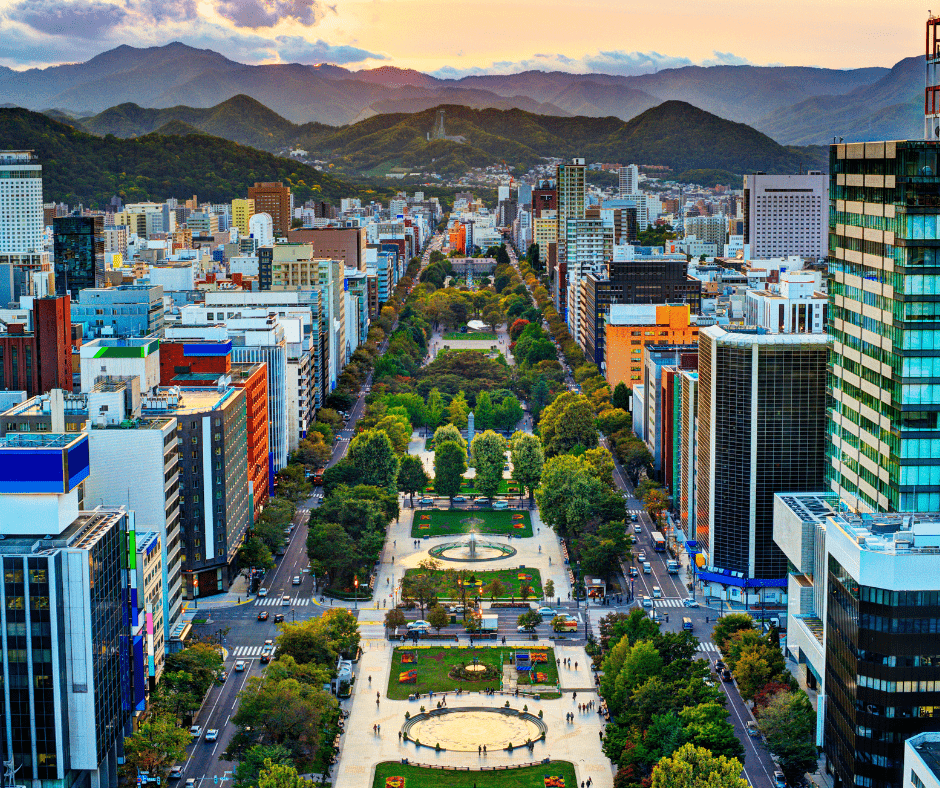
There is more space here, a more relaxed pace, and a sense that the city has no interest in pushing you from one thing to the next. Streets are wider, nature feels closer, and the overall rhythm is calmer than anywhere on the mainland. What people notice most is how dramatically the experience shifts with the seasons. Winter brings snow-filled landscapes, hearty comfort food, and a cozy, unhurried atmosphere. Warmer months open the city up entirely, with parks, walking paths, and easy access to the surrounding countryside becoming part of daily life. It is a side of Japan that feels less dense and more open, a reminder that the country is as much about space and seasonality as it is about cities and temples.
Tokyo and Kyoto are a remarkable introduction to Japan, but they don’t tell the whole story. Once you step beyond them, the country begins to shift in tone, pace, and personality. The trip becomes less about highlights and more about contrast like how different places feel, not just what they offer.
That contrast might come from a food-loving city like Osaka, the quieter reflection found in Hiroshima, the stillness of Hakone’s mountains, the openness of northern Japan, or the relaxed rhythm of Okinawa’s coastline. Each place adds something different to the experience…not more to squeeze in, but more to absorb.
Japan is at its best when there’s balance: busy cities paired with slower ones, cultural landmarks offset by nature, structured days softened by time to wander. Even adding one destination beyond Tokyo and Kyoto can change the entire rhythm of a trip and reveal just how much variety exists within a single country.
That range, from everyday life to deep history, from misty landscapes to tropical shores, is what gives Japan its depth, and what makes it a place people don’t just visit once.
If you’re beginning to explore the idea of a trip to Japan and want a thoughtful way to bring it all together, I’m always happy to help.