
Madeira, Portugal: The Island That Has Absolutely Everything
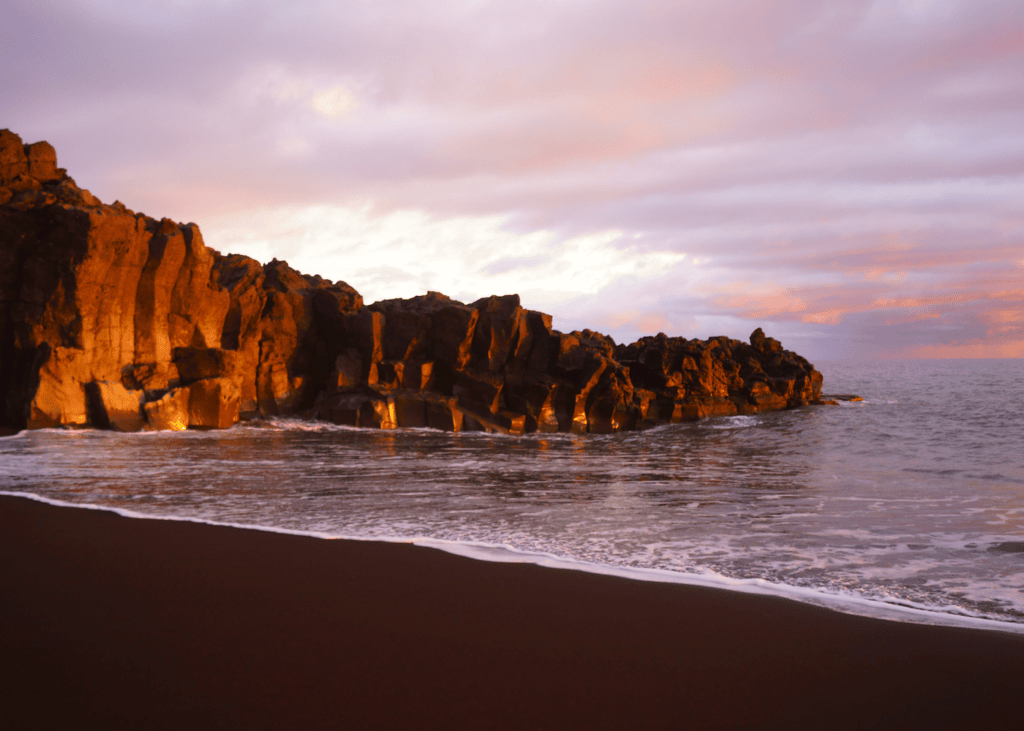
I’ve been doing this long enough to know when a destination is about to have its moment. And Madeira is it. It’s one of those places that stops you mid-scroll, makes you click, and then keeps you reading because you can’t quite believe somewhere like this actually exists. Mountains that disappear into clouds. Ancient forests that have been growing for 20 million years. Cliffs that drop straight into the Atlantic. Villages that look like they were painted by someone who had never seen anything ugly. And food and wine so tied to the land they’ve basically invented their own category.
The thing is, most Americans still haven’t heard of it. Or they’ve heard the name and vaguely associated it with wine and not much else. That’s a shame, because Madeira is one of the most layered, interesting, genuinely beautiful places in Europe, and it’s sitting right there waiting. It’s a Portuguese island, it’s warm almost every single day of the year, it’s safer than most major European cities, and it has enough to do that you could go back three times and still find something new.
I’ve had it on my own list for a while now. And if you haven’t put it on yours yet, let’s fix that.
So Where Exactly Is Madeira?
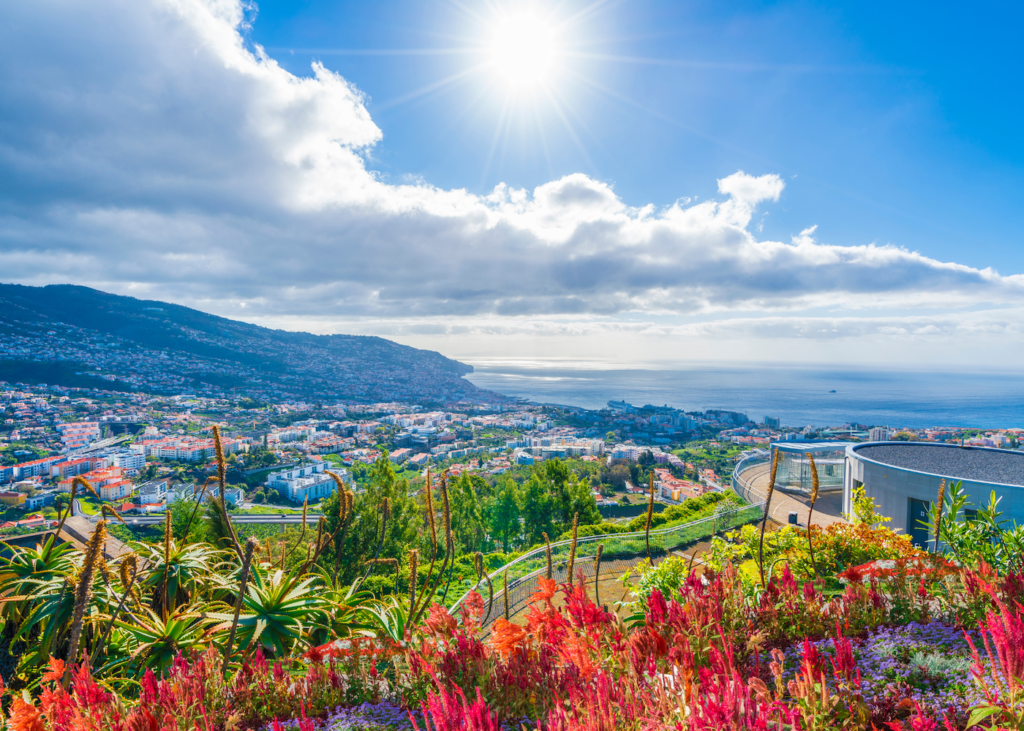
Madeira is a Portuguese island sitting in the Atlantic Ocean, technically closer to the coast of Africa than to mainland Portugal. It’s an autonomous region, which means it’s got its own distinct culture and personality while still being very much European. The capital is Funchal, and it’s where most travelers base themselves. The island is volcanic, incredibly green, and dramatic in every direction. The climate is mild year-round, hovering somewhere between the mid-60s and mid-70s for most of the year, which is exactly why Europeans have been flocking here for winter sun for decades.
Getting there from the US involves a connection through Lisbon or another European hub, so budget around ten to twelve hours of travel time from the East Coast. Not around the corner, but absolutely worth every minute.
The Landscape Will Stop You in Your Tracks
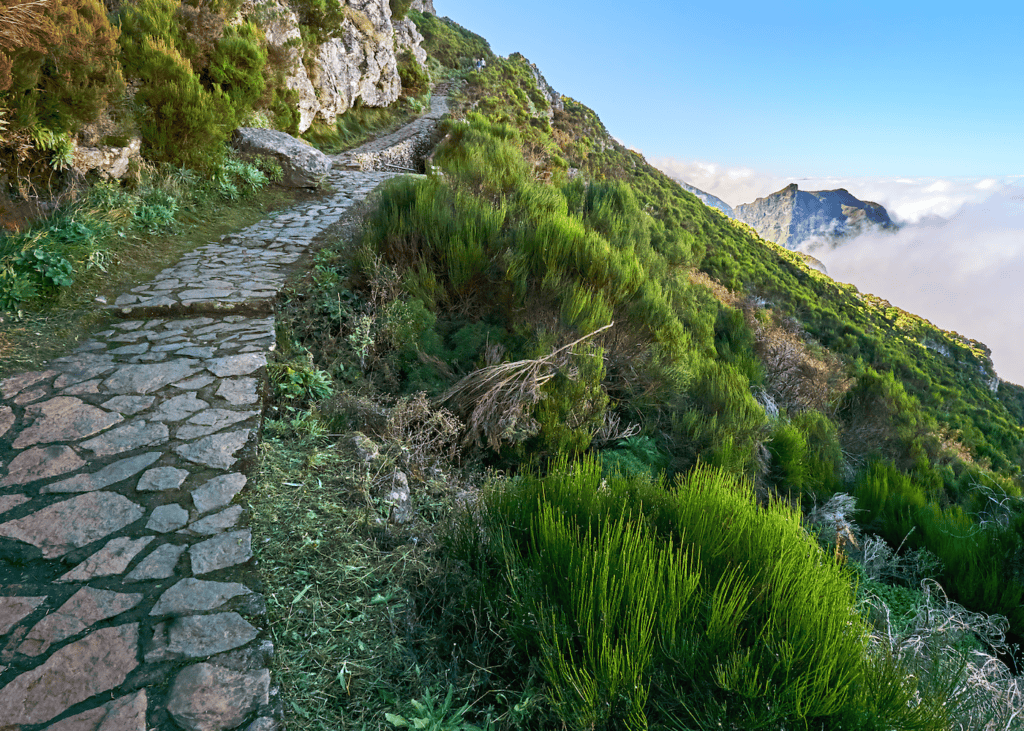
This is where Madeira really separates itself. It doesn’t look like anywhere else. The interior rises into jagged volcanic peaks, with Pico do Arieiro sitting at nearly 6,000 feet. Travelers who make the drive up at sunrise arrive to find themselves standing above the clouds, looking out over a series of knife-edge ridges with nothing but ocean beyond. The most iconic hike on the island connects Pico do Arieiro to Pico Ruivo, Madeira’s highest peak, across about six miles of mountain ridge. It’s the kind of hike that ends up in your highlight reel.
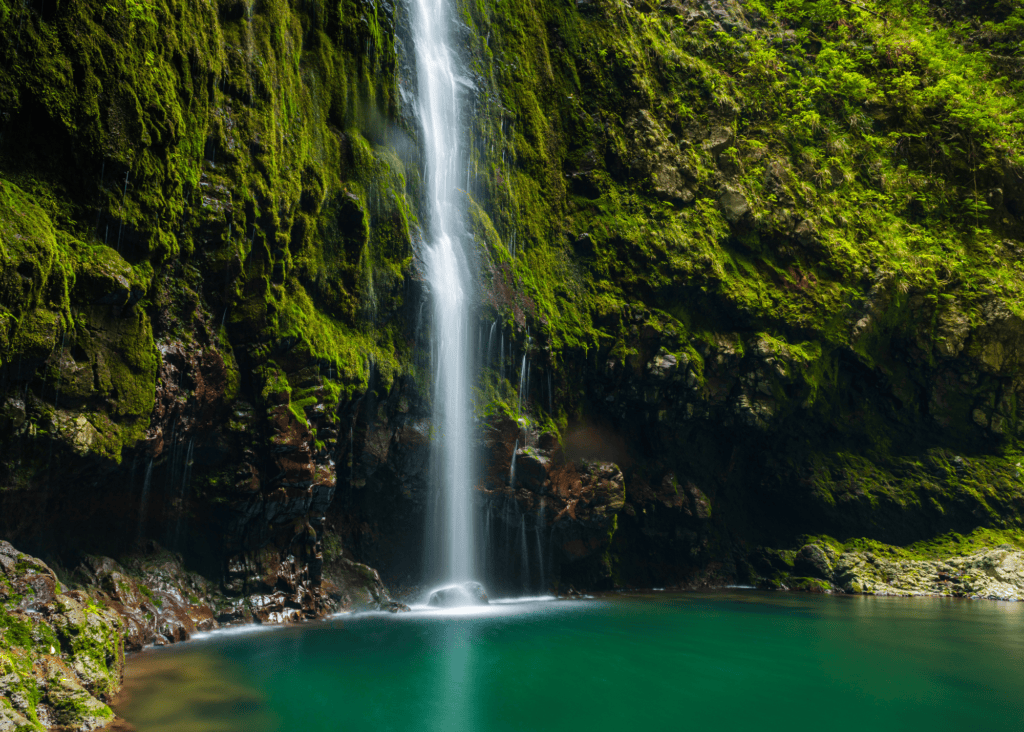
Then there’s the Laurisilva Forest, a UNESCO World Heritage Site and one of the largest ancient laurel forests left on earth. It’s been on these islands for roughly 20 million years, covers about 37,000 acres in the interior, and walking through it feels genuinely prehistoric. Moss-covered trees, rare birds, and a quiet that settles over everything. On the other end of the island, Cabo Girão is one of the highest sea cliffs in all of Europe, with a glass skywalk at the top for those who want to stare straight down 580 meters to the Atlantic. I’m already nervous just thinking about it.
The Levadas: Madeira's Best Invention
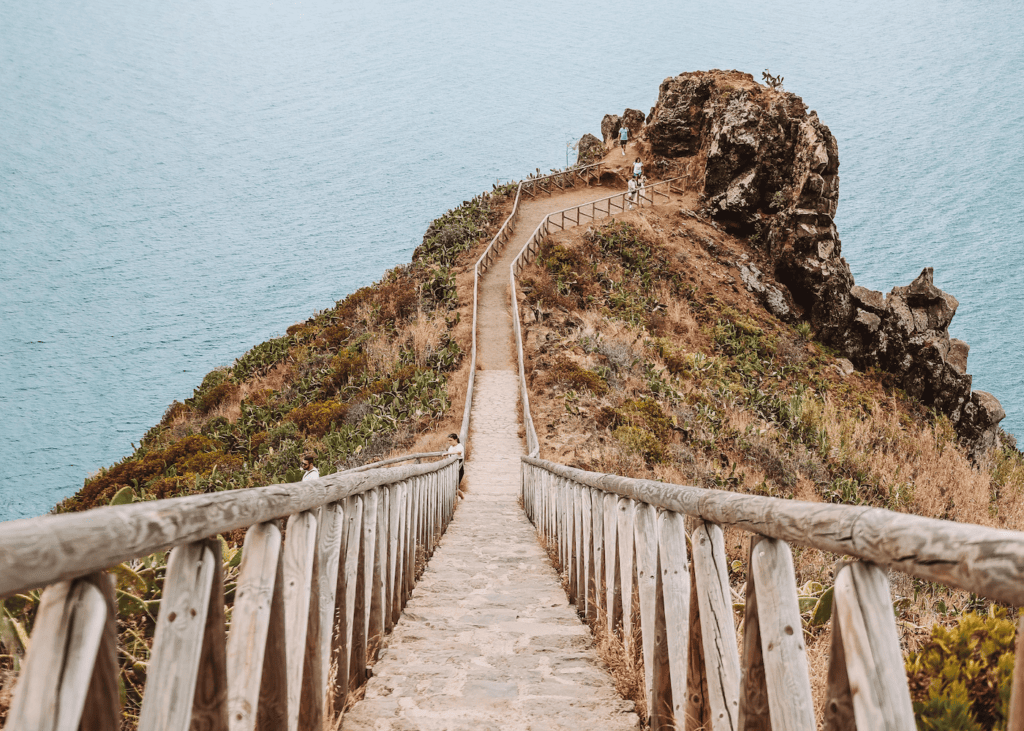
One of the most fascinating things about Madeira is a system of ancient irrigation channels called levadas. Early Portuguese settlers built them to carry water from the rainy north side of the island to the drier south, and they wind along cliffs, through forests, and across the whole interior. What makes them extraordinary for travelers is that each one has a maintenance path alongside it, creating hundreds of miles of ready-made hiking trails through some of the most dramatic terrain on the island.
The difficulty ranges from gentle, flat walks anyone can do to trails that hug sheer cliff faces and require serious nerve. The Levada do Rei through Ribeiro Frio cuts deep into a pristine stretch of Laurisilva forest and is one of the most celebrated. A jeep tour is a popular option if you want to cover multiple levadas and viewpoints in a single day without planning every step yourself.
Funchal Is More Than a Base
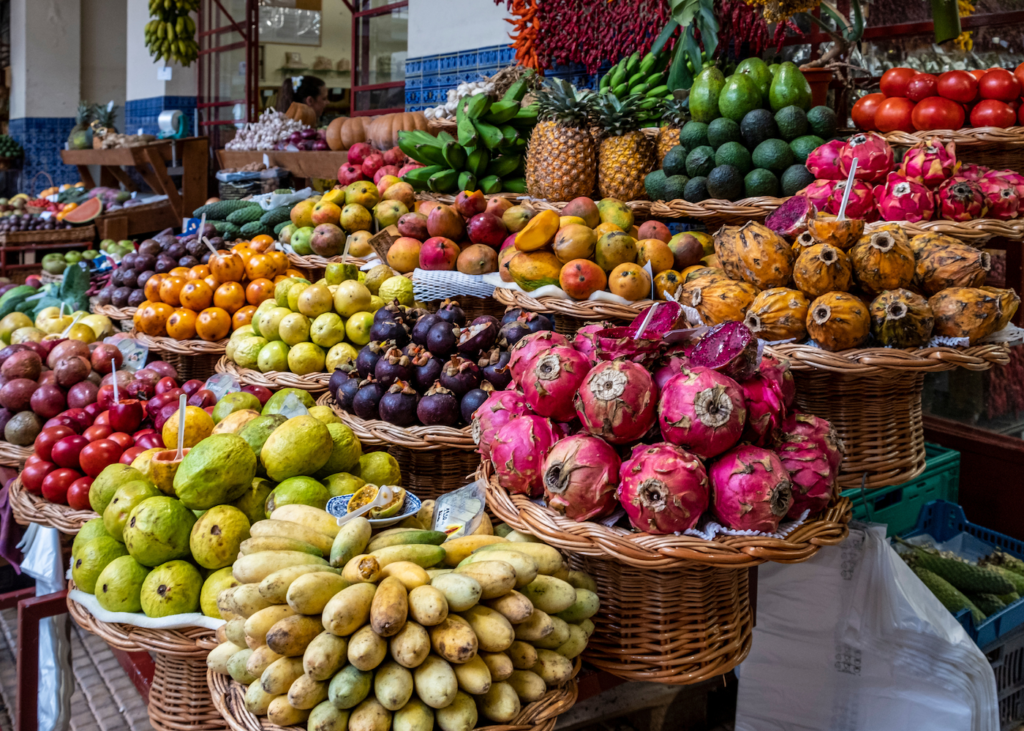
A lot of people treat Funchal as just a place to sleep, but it deserves real time. It’s a proper city with personality and history. The Mercado dos Lavradores is the main market, and it’s the kind of place you want to wander slowly through. Exotic fruit you’ve probably never encountered, fresh seafood, local vendors, and the island’s famous black scabbard fish on ice looking absolutely terrifying and tasting wonderful, according to everyone who tries it.
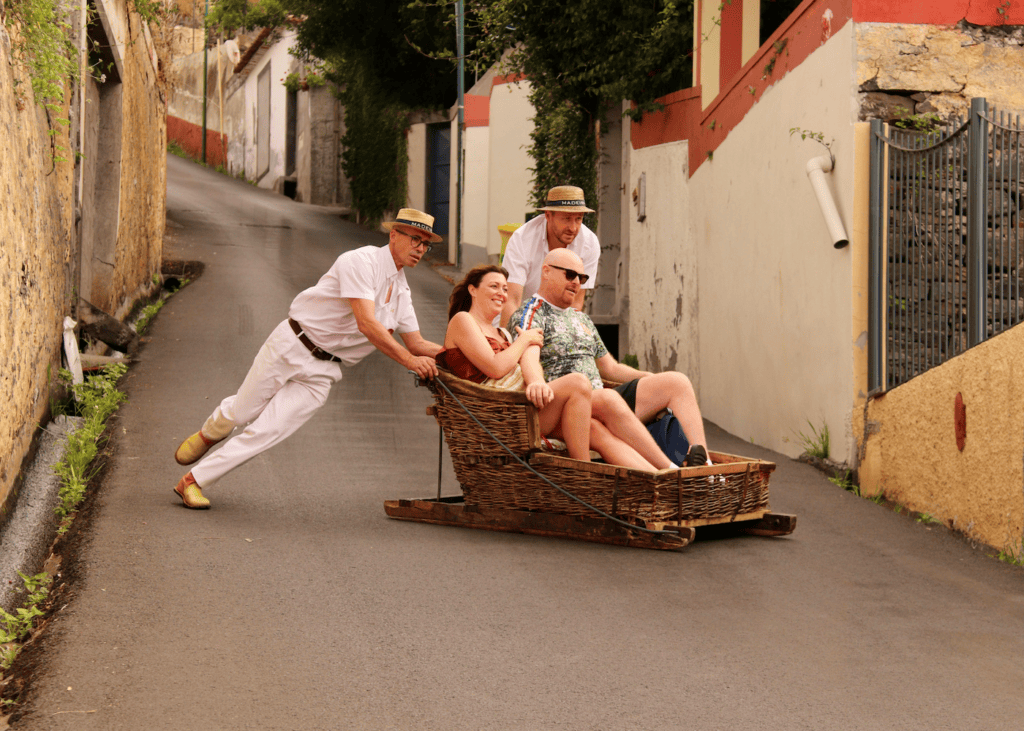
The old town has the cobblestone charm you’d expect from anywhere in Portugal, and the iconic black and white scalloped tile squares in the municipal plaza are endlessly photographable. The Funchal Cable Car carries you up to Monte, where the Botanical Garden and Monte Palace Tropical Gardens are genuinely stunning. And then there’s the Monte Toboggan Ride, a downhill wicker sled steered by two local men in traditional white uniforms that has been running since the 1800s. It’s a little absurd and totally wonderful and very, very Madeiran.
The Food Is Reason Enough to Go
Madeiran food isn’t fussy. It’s generous, grounded, and satisfying in the way that only food tied completely to its place of origin can be.
Espetada is the dish you’ll see everywhere, and it earns its reputation. Large chunks of beef marinated in garlic and bay laurel, skewered on a stick of actual laurel wood, and grilled over open flame. The wood isn’t just decorative. It infuses the meat with a smoky depth that’s completely its own. You’ll almost always get it with bolo do caco, a soft round flatbread cooked on a basalt stone and slathered in garlic butter. If you eat nothing else, eat those two things together.
Grilled limpets called lapas are another one you’ll see on every menu. They come out on a hot skillet with butter, lemon, and garlic, and seafood lovers consistently say they’re one of the best bites on the island. Black scabbard fish shows up on menus often served with banana, which sounds bizarre until you try it and realize it actually works. The island’s bananas are small, intensely sweet, and grown in terraced fields all over Madeira. They don’t taste anything like the ones you buy at home.
Poncha is the drink of the island. It’s made from Madeiran sugar cane rum mixed with honey and lemon juice, and it goes down dangerously easily. The town of Câmara de Lobos, just west of Funchal, is considered the home base of the real thing. And of course there’s Madeira wine, the fortified wine that’s been produced on the island for centuries and is essentially indestructible. Bottles opened decades ago still taste extraordinary. A wine tasting in Funchal should be on every itinerary, full stop.
Villages Worth the Detour
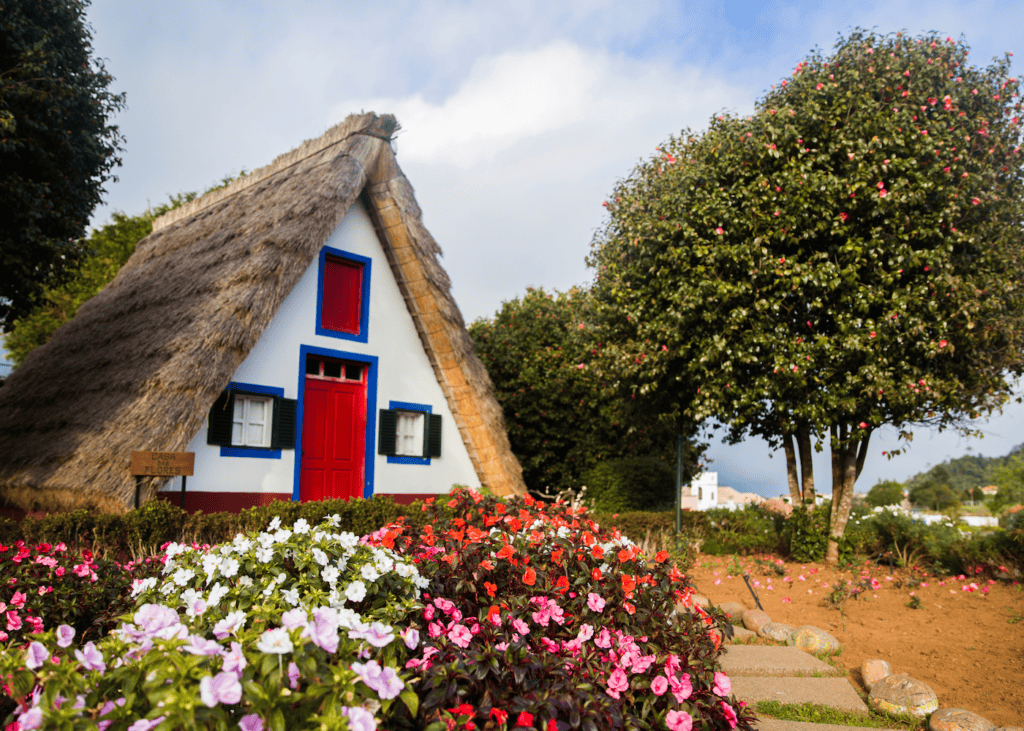
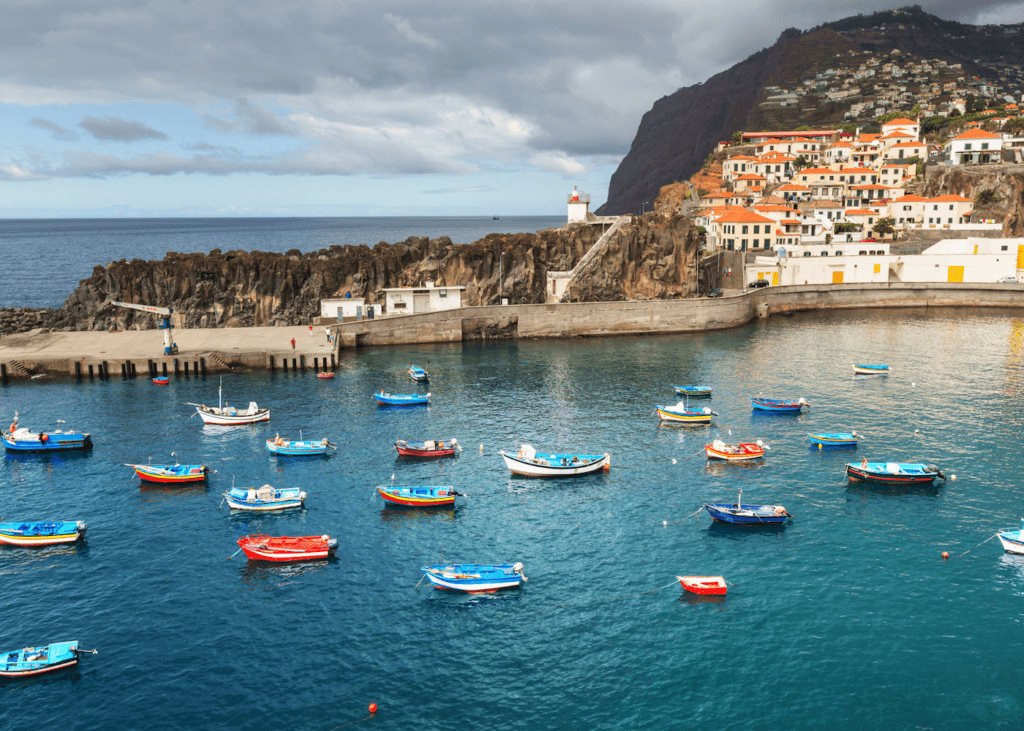
Santana in the north is known for its A-frame thatched roof houses painted in primary colors that look like something out of a storybook. They date back to the 1500s and have become one of the most recognizable images of the island. Câmara de Lobos is a fishing village with brightly painted boats in the harbor that once inspired Winston Churchill to paint. Porto Moniz on the far northwest tip has natural volcanic rock pools where you can swim in the Atlantic with dramatic cliffs on every side. It’s spectacular and completely unlike anything else on the island.
When to Go and How Many Days?
Spring, roughly April through June, is arguably the sweet spot. The Flower Festival in Funchal in April or May transforms the city with parades and floral displays, the levadas are lush after winter rains, and the weather is warm without being hot. September and October are excellent too, with fewer crowds, ideal hiking temperatures, and Madeira’s harvest season adding another layer to the food and wine scene.
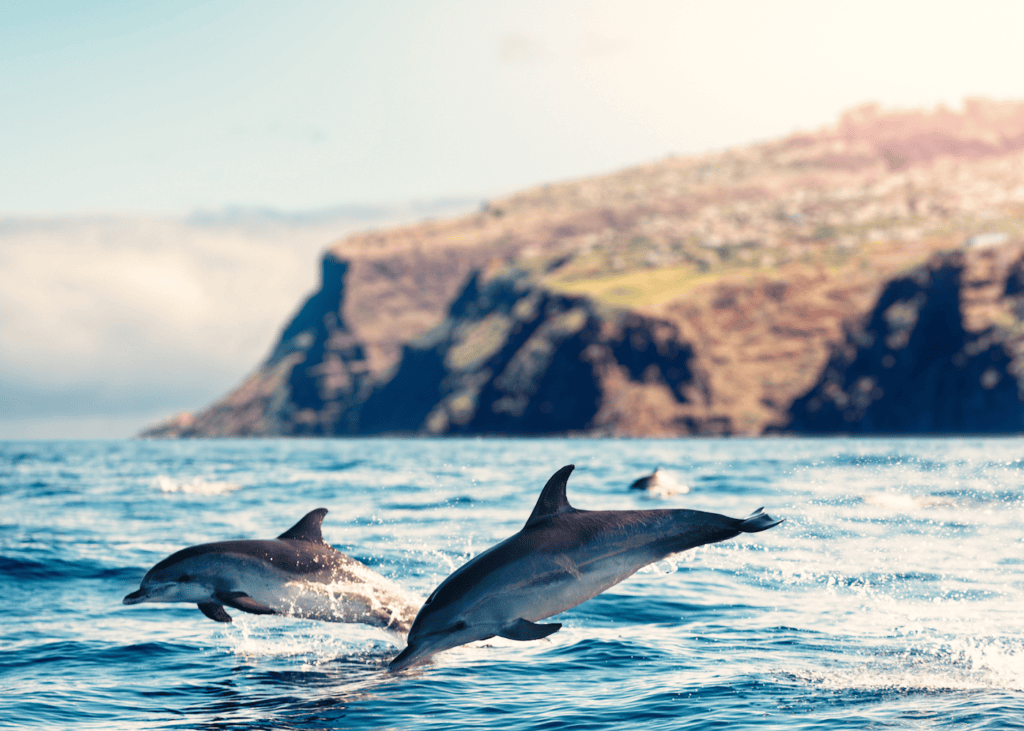
Summer is the busiest time and brings the warmest weather, which is great for ocean activities and whale watching. But July and August mean crowded trails, higher prices, and cruise ship day-trippers flooding Funchal. If you go in summer, get out of the city and into the mountains. Winter is mild by any reasonable standard, and Madeira’s New Year’s Eve fireworks over the harbor are considered among the most spectacular in the world. If that’s a reason to book a trip, and honestly it is, December works just fine.
Plan for at least seven days, and honestly ten is better. Madeira is small enough that driving distances are rarely more than an hour, but there’s so much to do that a week goes fast. Three days will give you a taste but you won’t feel like you’ve actually exhaled. A week lets you hike, explore Funchal properly, drive around the island, eat well, and still have a day where you do absolutely nothing but sit somewhere beautiful.
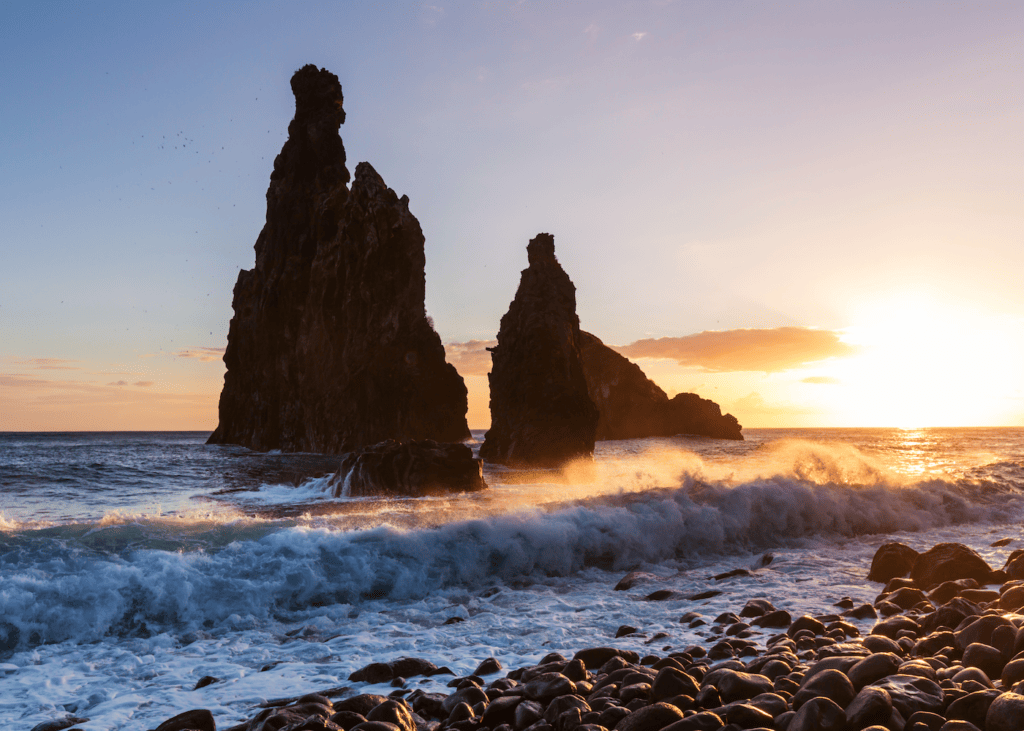
If you have ten days, add Porto Santo. It’s a small sister island about 25 minutes by plane or three hours by ferry from Funchal, and it has something the main island doesn’t: a long, natural golden sand beach. Madeira’s beaches are mostly pebble and dark volcanic sand, which is dramatic and beautiful but not exactly lounge-all-day territory. Porto Santo fixes that. Most people who make the trip wish they’d stayed longer on both islands.
Madeira is the kind of place that gets under your skin. People go once and start planning the second trip before they’ve even unpacked. It’s not overhyped, it’s not overcrowded yet, and it’s more accessible than most people think. If you’ve been waiting for a sign to book something really good, this is it.
If you’re ready to put together something intentional and immersive, let’s talk.