
Peru Beyond Machu Picchu: Why This Country Deserves More Than One Stop
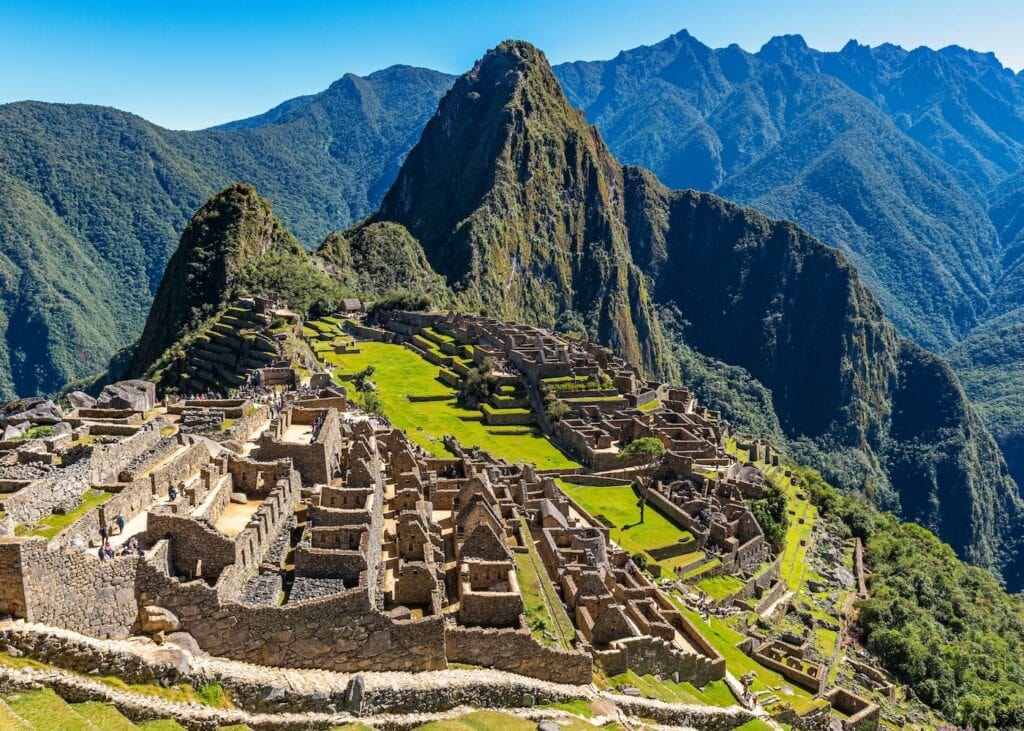
Machu Picchu is spectacular. There’s no point pretending otherwise. When you’re standing at the Sun Gate looking down at those terraced stone structures rising out of the cloud forest, it’s hard to imagine anything topping it. And yet, if Machu Picchu is the only reason you’re going to Peru, you’re leaving a lot on the table.
Peru is one of the most geographically and culturally layered countries in the world. It has three completely distinct ecosystems: the coast, the Andes, and the Amazon. It has one of the most celebrated food scenes on the planet. It has ancient ruins that most people have never heard of, a high-altitude lake that feels like it belongs in another dimension, and a desert oasis that looks like someone invented it for a movie set. Machu Picchu gets the headlines, but the country around it is what keeps people going back.
If you’re already planning a trip, here’s what deserves to be on your radar alongside it.
Lima
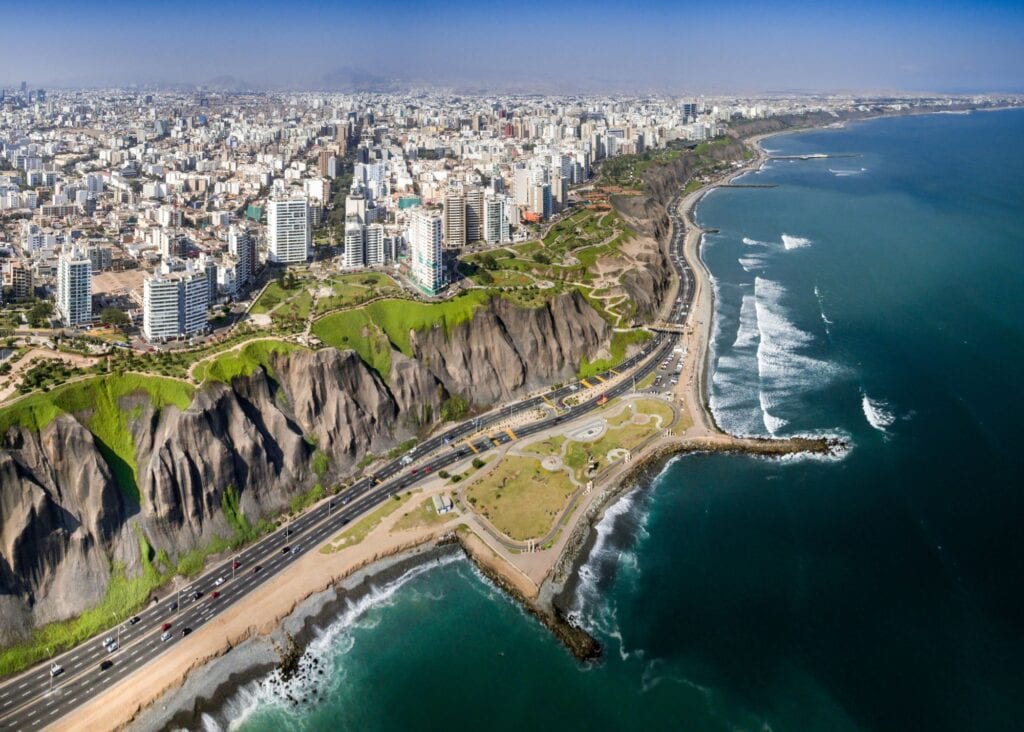
Lima is one of the best food cities in the world, and that’s not an exaggeration. The Miraflores and Barranco neighborhoods sit right on cliffs above the Pacific, and the restaurant scene there is genuinely world-class. Peruvian cuisine has carved out its own category in the culinary world, built on ingredients from three ecosystems and shaped by Indigenous, Spanish, Japanese, and Chinese influences over centuries. You’re not going to find food like this anywhere else. Give Lima at least two full days, ideally three, and go hungry.
Cusco
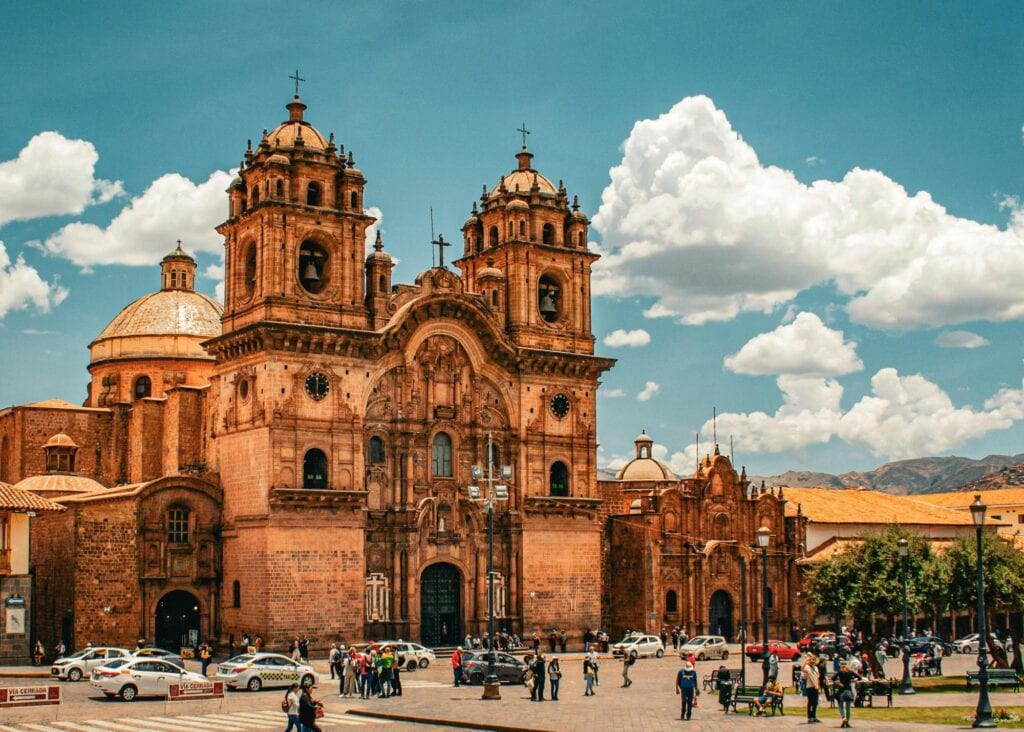
Most visitors treat Cusco as a base camp for Machu Picchu, which means they miss what it actually is: one of the oldest continuously inhabited cities in the Americas and the former capital of the Inca Empire. The Plaza de Armas alone, ringed by colonial cathedrals built on Inca foundations, tells the story of two civilizations layered on top of each other. The San Blas neighborhood above the main square is full of narrow cobblestone streets, artisan workshops, and small cafes that are easy to spend an afternoon getting lost in.
The Sacred Valley
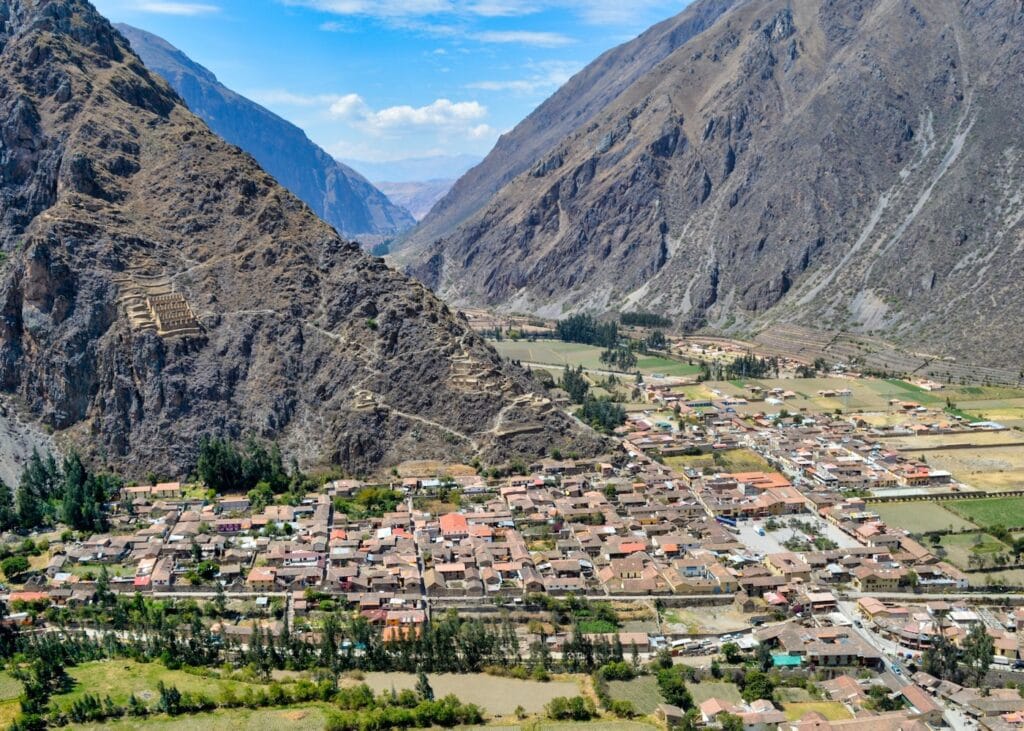
Between Cusco and Machu Picchu lies the Sacred Valley of the Incas, and most people rush through it in a morning on their way to the train. The valley floor runs along the Urubamba River, dotted with Inca ruins, traditional markets, and farming communities that have been working the same terraced hillsides for centuries. Pisac has both impressive mountaintop ruins and a market that draws artisans from across the region. Ollantaytambo is a living Inca town where the original street grid is still intact and the fortress overlooking the valley is one of the best-preserved examples of Inca architecture anywhere. Moray, with its strange circular terraced depressions in the earth, and the salt ponds at Maras are unlike anything else you’ll see on the trip. Build the Sacred Valley into your itinerary properly. Stay a night or two. It’s worth it.
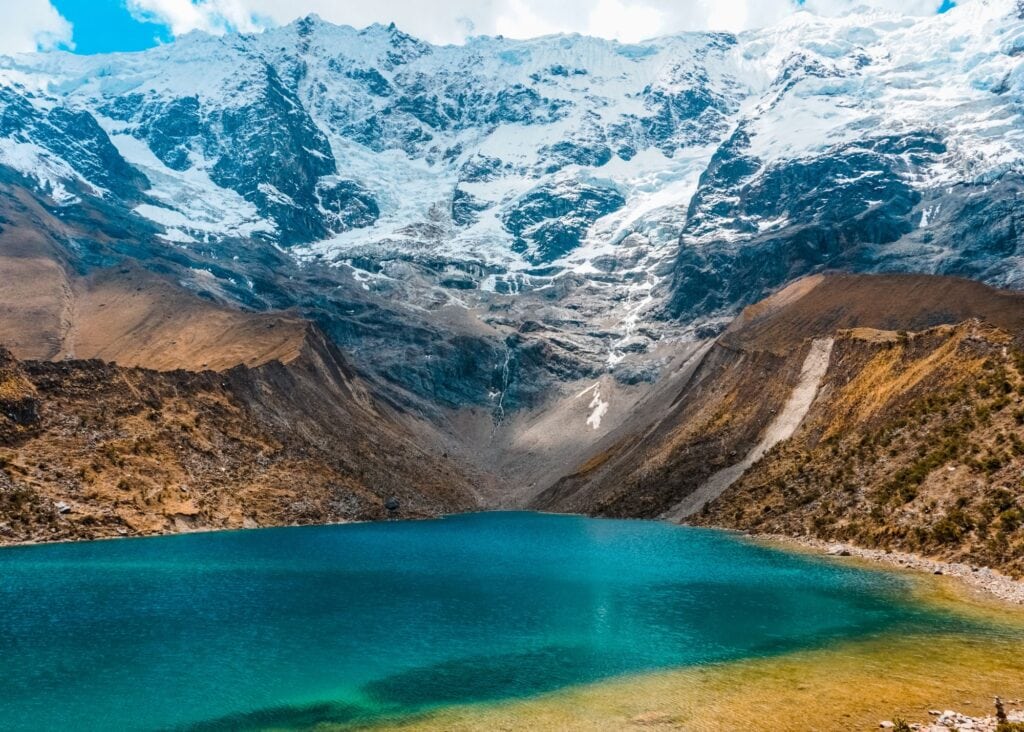
Laguna Humantay
While you’re based in the Cusco area, Laguna Humantay is worth an entire day. This glacial lake sits at nearly 14,000 feet in the Andes, and the color of the water is the kind of turquoise that doesn’t look real in photographs and somehow looks even more vivid in person. The hike to reach it is steep and the altitude is no joke, but the payoff at the top is one of the most dramatic landscapes in all of Peru. It’s a full day out of Cusco and one of the most memorable things you can do on the trip.
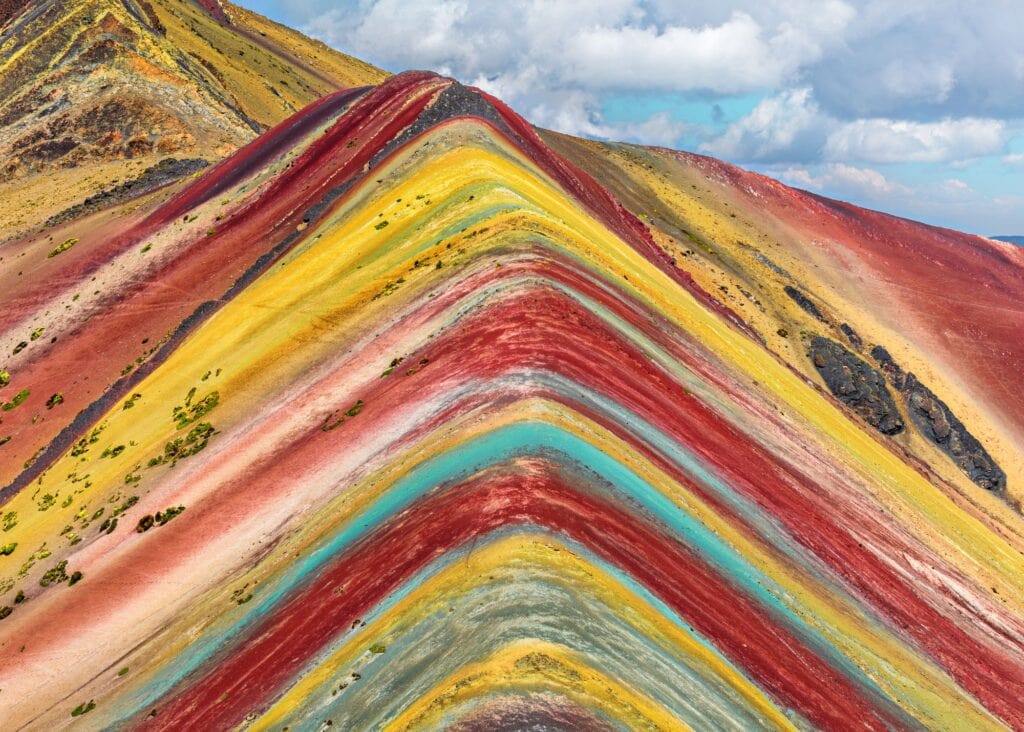
Rainbow Mountain
Also accessible as a day trip from Cusco, Rainbow Mountain, known locally as Vinicunca, is exactly what it sounds like: a mountain streaked in vivid bands of red, gold, green, and purple from the mineral-rich soil. It went viral a few years ago and the crowds have grown since, but it’s still worth it. Just go in knowing what you’re signing up for. The hike is genuinely challenging at high altitude, and you’ll want to spend a night or two in Cusco first to acclimatize before attempting it. The views from the top are unlike anything else on the trip.
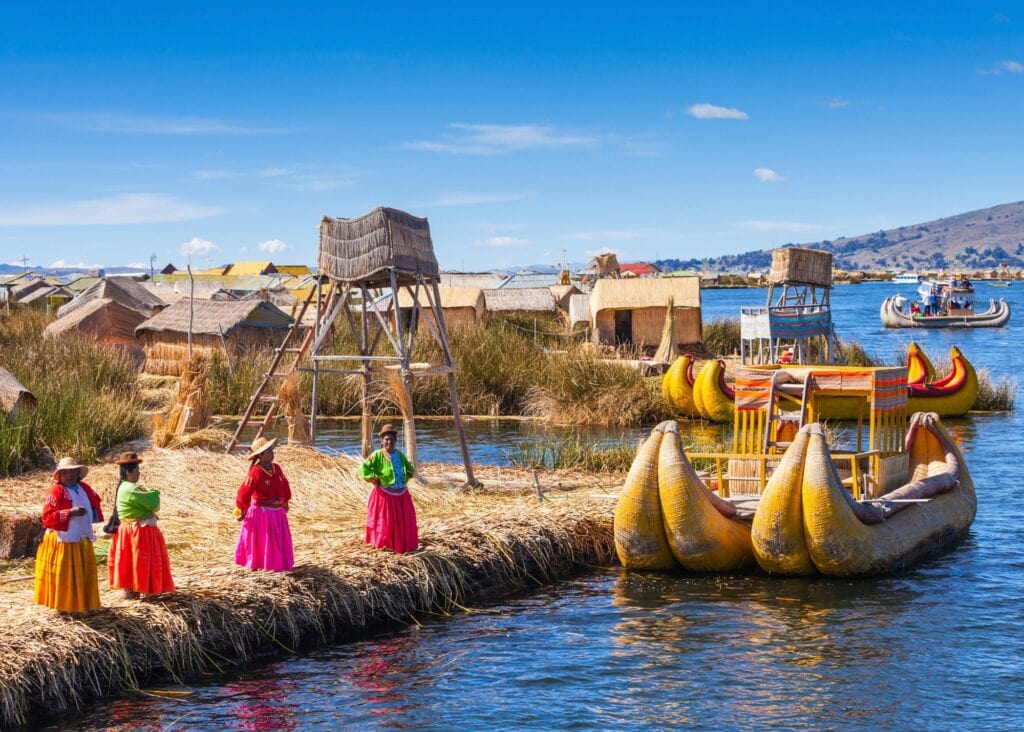
Lake Titicaca
At 12,500 feet above sea level, Lake Titicaca is the highest navigable lake in the world, and it looks like something out of a dream. The water is this deep, impossible blue, and on a clear day the whole thing sits there glowing against the Andean sky. The city of Puno on its shores is the gateway, and from there you can visit the Uros, communities that live on floating islands made entirely of woven totora reeds. It sounds like a gimmick until you’re standing on one. The island of Taquile, where the local community still practices traditional weaving techniques that UNESCO has recognized as an intangible cultural heritage, is unlike anything else on the itinerary. Lake Titicaca is a full day minimum, ideally an overnight.
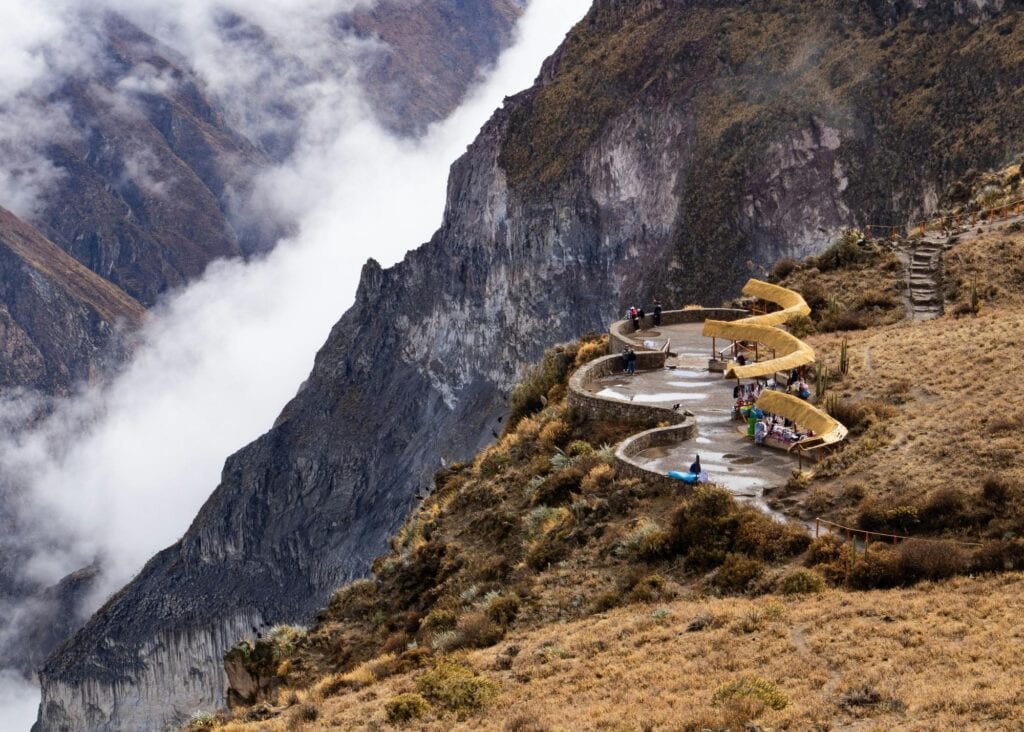
Colca Canyon
Most people have never heard of Colca Canyon, which is part of what makes it so good. Located a few hours from the city of Arequipa, it’s one of the deepest canyons in the world, roughly twice the depth of the Grand Canyon. It’s also one of the best places in Peru to see Andean condors in flight, and watching a bird with a ten-foot wingspan drift silently on the thermal currents at eye level is something you don’t forget. Arequipa itself, known as the White City for its colonial buildings made of volcanic sillar stone, is worth a stop on the way.
Huacachina and the Ballestas Islands
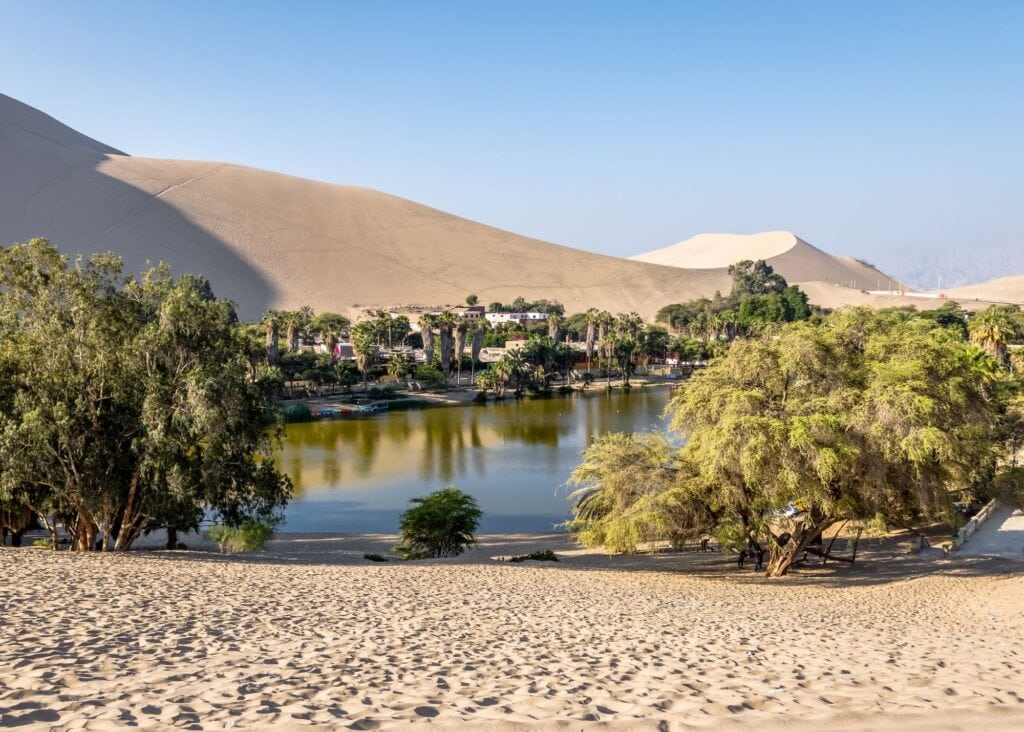
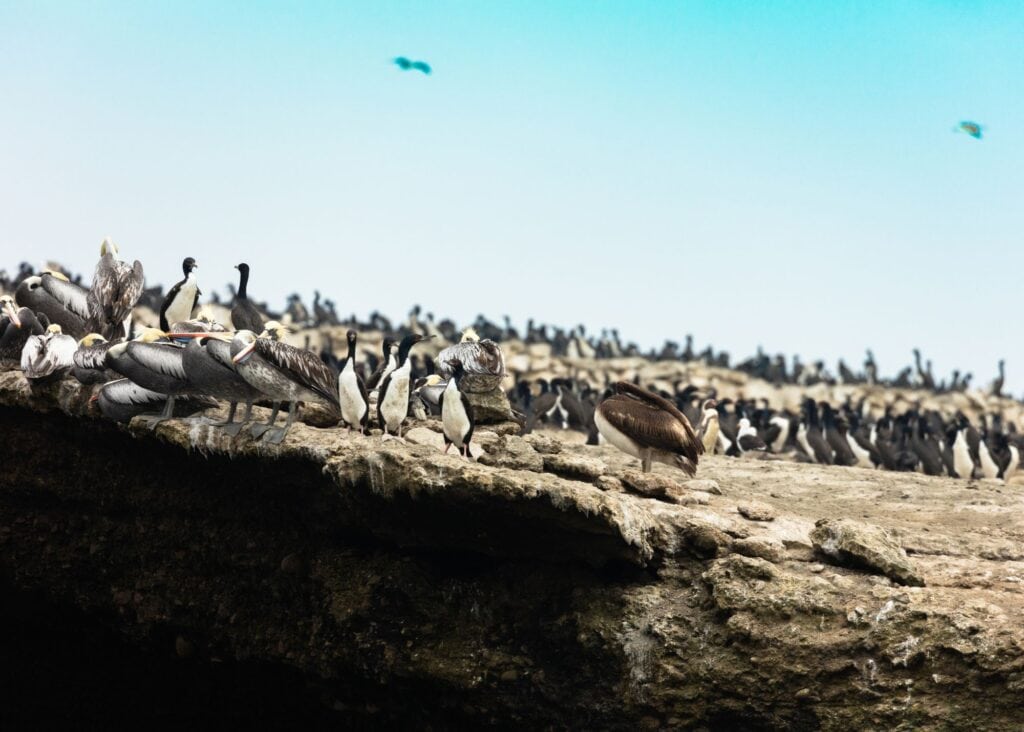
About five hours south of Lima, the coastal desert opens up to one of the most surreal landscapes in South America. Huacachina is a small oasis, a natural lagoon ringed by palm trees and surrounded on all sides by towering sand dunes. It’s genuinely one of those places that makes you stop and recalibrate. Dune buggy rides and sandboarding are the main activities, and the sunsets over the dunes are extraordinary. From here it’s a short trip to Paracas, where boats head out to the Ballestas Islands for close encounters with sea lions, Humboldt penguins, and thousands of seabirds on dramatic coastal rock formations. And the Nazca Lines are just two hours away, which makes this whole coastal stretch an easy and incredibly varied two-day detour from Lima
The Nazca Lines
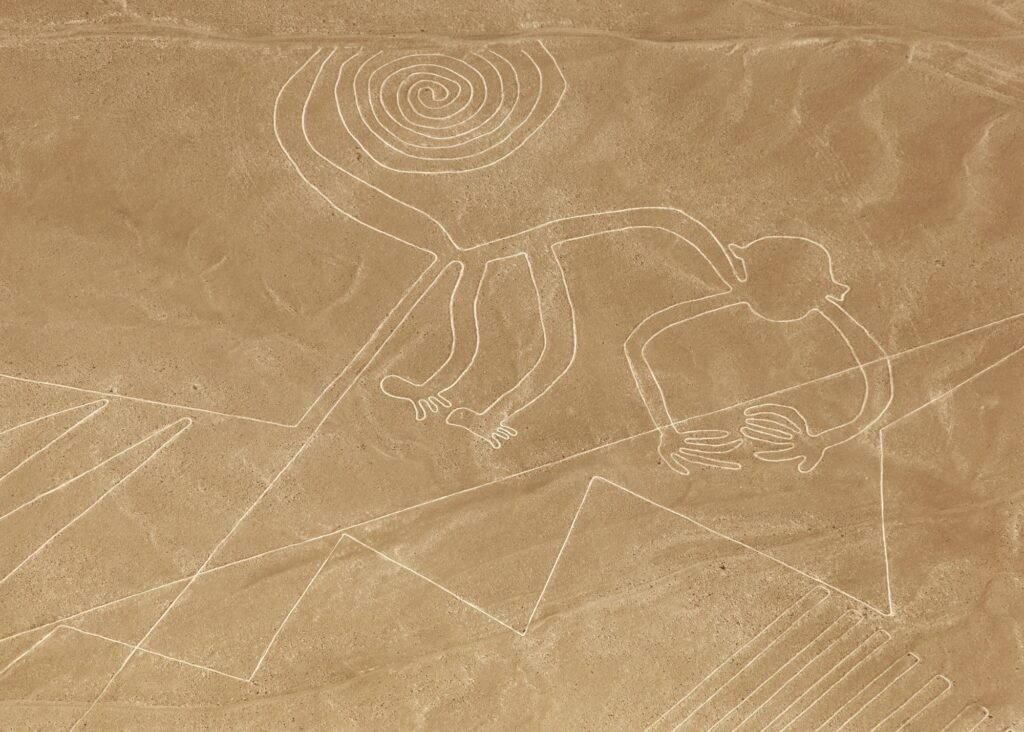
Speaking of the Nazca Lines: enormous geoglyphs etched into the desert floor, depicting a hummingbird, a monkey, a spider, and dozens of other figures that stretch hundreds of feet across and are only fully visible from the air. They’ve been dated to somewhere between 500 BCE and 500 CE, and no one is entirely sure how or why they were made. Flights over the lines depart from the town of Nazca or nearby Ica. That ambiguity alone makes them worth seeing.
The Amazon
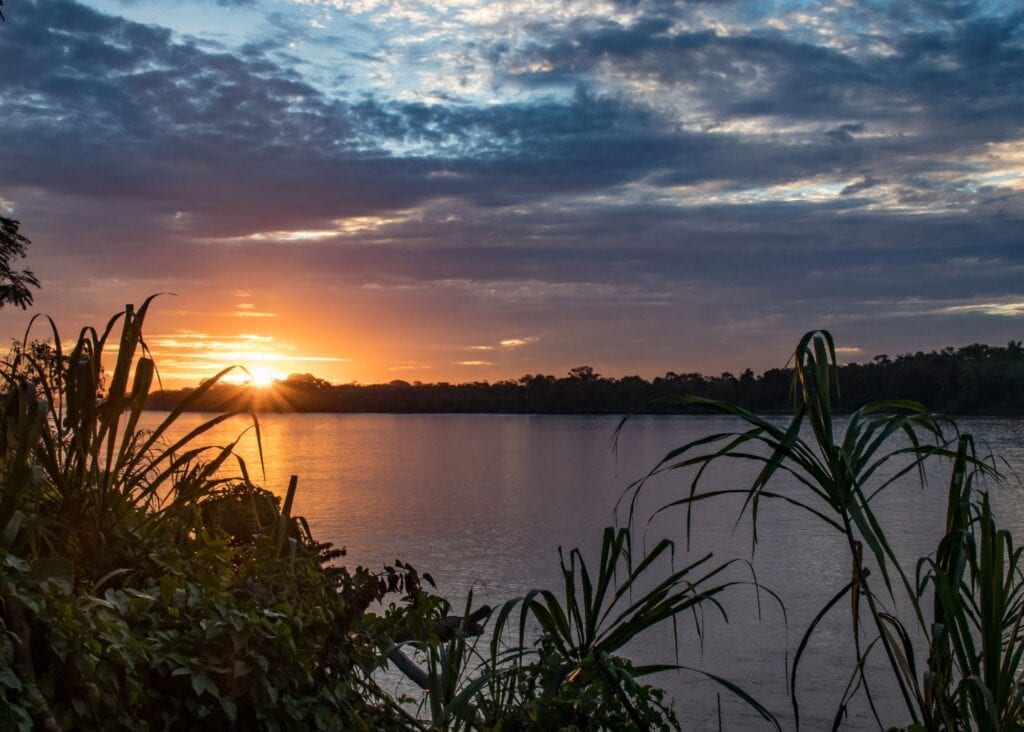
It’s easy to forget, when you’re planning a trip around Machu Picchu and the Andes, that Peru also contains a significant piece of the Amazon basin. Puerto Maldonado, accessible by a short flight from Cusco, puts you in the middle of one of the most biodiverse places on earth. Travelers who add two or three nights in an Amazon eco-lodge consistently say it’s the part of the trip they talk about most when they get home. Macaws, caimans, river otters, poison dart frogs, and more species of bird than most people knew existed. It’s not a detour. It’s a whole other world.
Kuelap
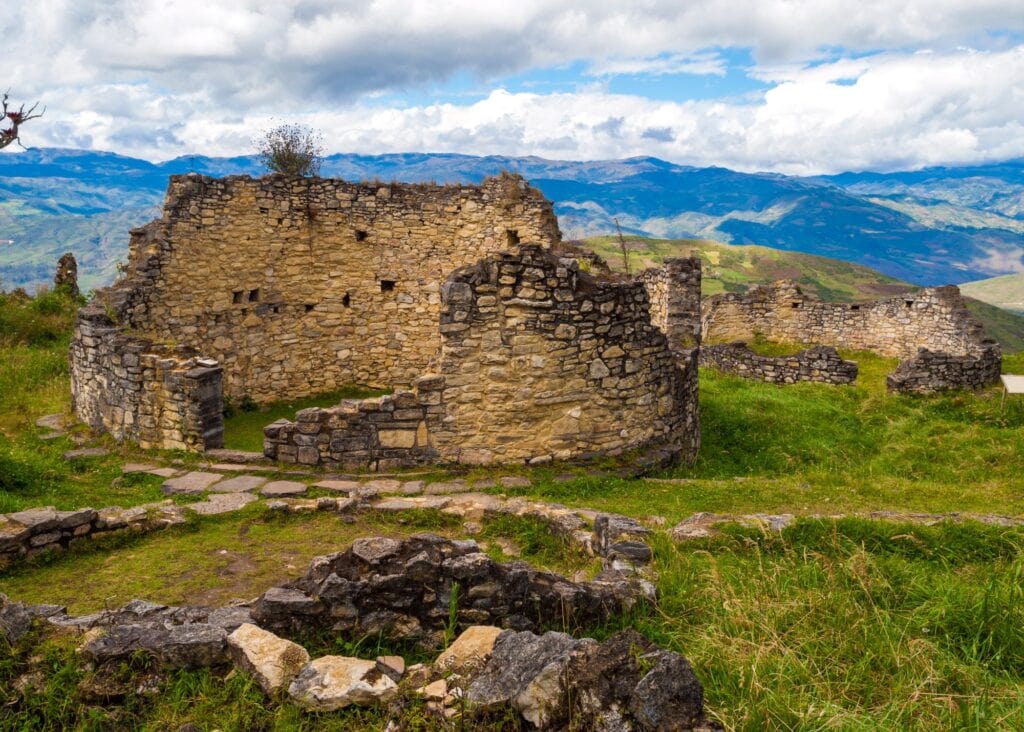
If you want to understand just how much ancient history Peru contains, look up Kuelap. Built by the Chachapoya people around the same period as Machu Picchu, this fortress city dates back to roughly 900 CE and sits atop a ridge in the cloud forests of northern Peru, encircled by walls that in some places reach 60 feet high. It was built as a defensive stronghold, positioned on the mountaintop to protect the Chachapoya from rival cultures, and the scale of it is hard to wrap your head around until you’re standing inside it. A cable car now makes the ascent easier, and the town of Chachapoyas nearby is the base for visiting both Kuelap and the Gocta Waterfall, one of the tallest in the world. Very few travelers make it to this part of Peru, which means you’ll have the place nearly to yourself.
Peru doesn’t need Machu Picchu to justify itself as a destination. It’s the reason most people look up flights, and that’s fine. But the country has been quietly holding out on the travelers who visit it, and the ones who slow down long enough to notice always come back wanting more.
If you’re thinking seriously about a trip to Peru, reach out and let’s talk through what a real itinerary could look like for you.