
What to Expect on Your First Trip to India
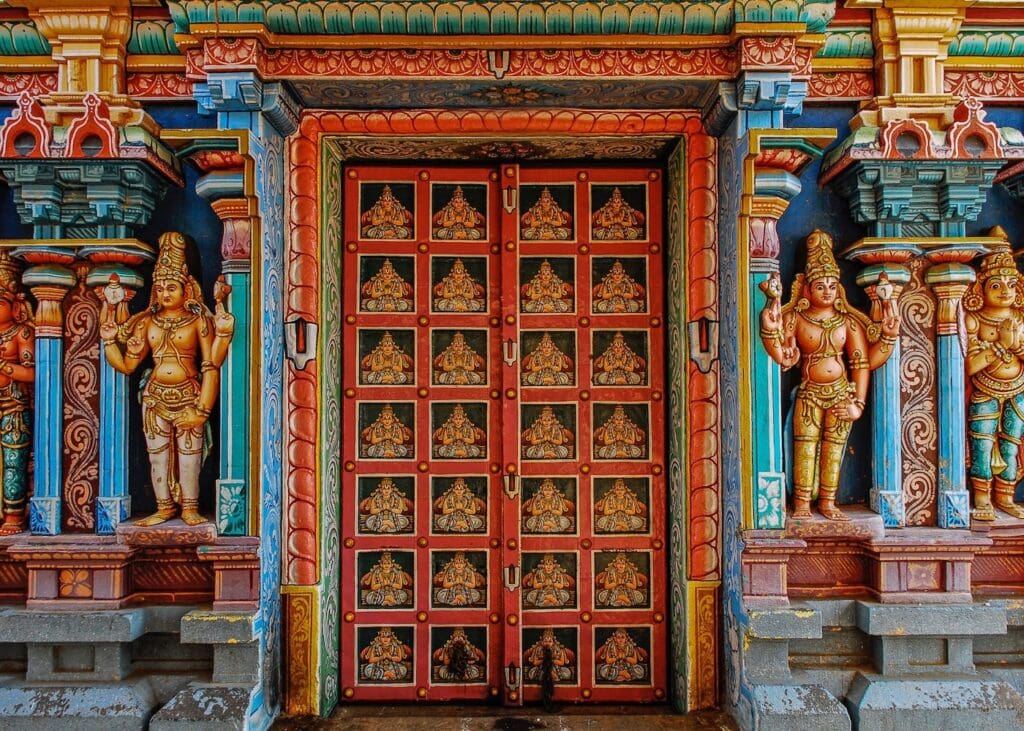
India was on my list for years before I finally booked it, and it’s still one of the trips I think about the most. If you’re wondering what to expect on your first trip to India, the honest answer is a lot, all at once. And I mean that in the best way. It was loud, it was hot, and it was chaotic, and I loved all of it, except the heat. I’d done my research, so none of it caught me off guard. I wasn’t expecting Europe, and I didn’t want Europe. I wanted India, the real version, and that’s exactly what I got.
I flew into Delhi and did the classic Golden Triangle route: Delhi, then Agra, then Jaipur. Three cities, and somehow each one felt like a completely different country.
And here’s something worth knowing before you go. India is home to over 1.4 billion people, and Delhi alone is one of the most populous urban areas on the planet. That’s not a warning, it’s context. Once you understand the scale, everything about the energy of the place starts to click.
Delhi
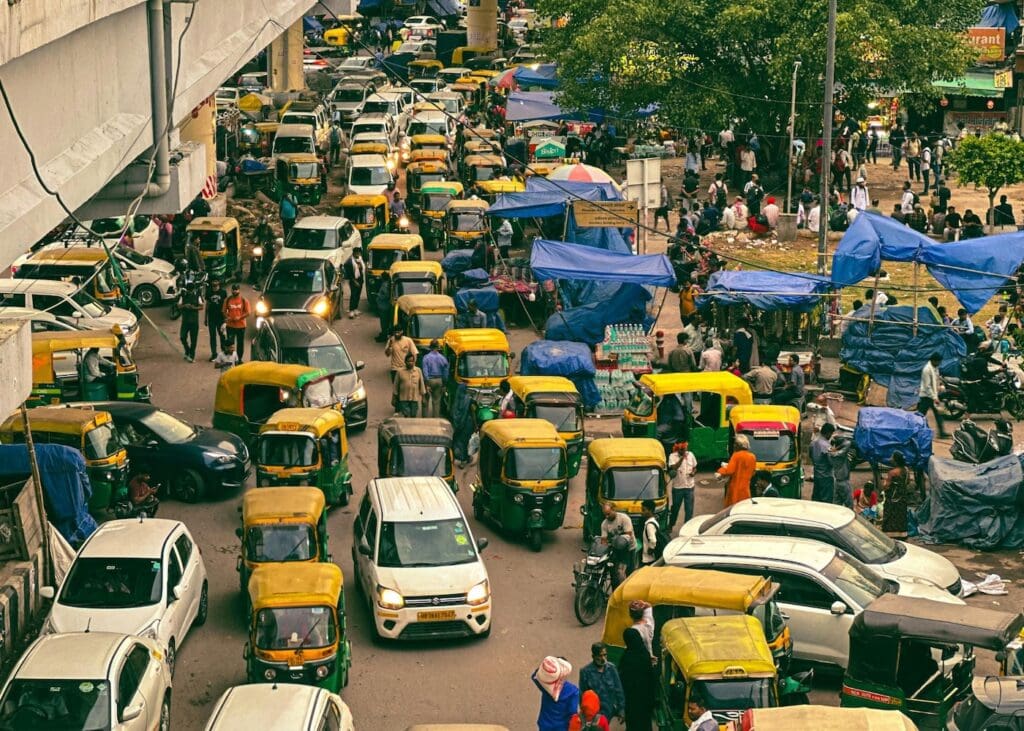
Delhi hits you all at once with everything. The traffic alone is unlike anything I’ve seen anywhere else. Cars, trucks, tuktuks, buses, and motorbikes all sharing the same road, weaving between each other with no lanes anyone seems to acknowledge, while traffic cops at the big intersections direct it all by hand. And the horns! I counted three or four totally different horn sounds by the end of my first day, and I’m still convinced each one means something different. It sounds stressful, and also kind of exciting. You just have to let go of how you think traffic is supposed to work.
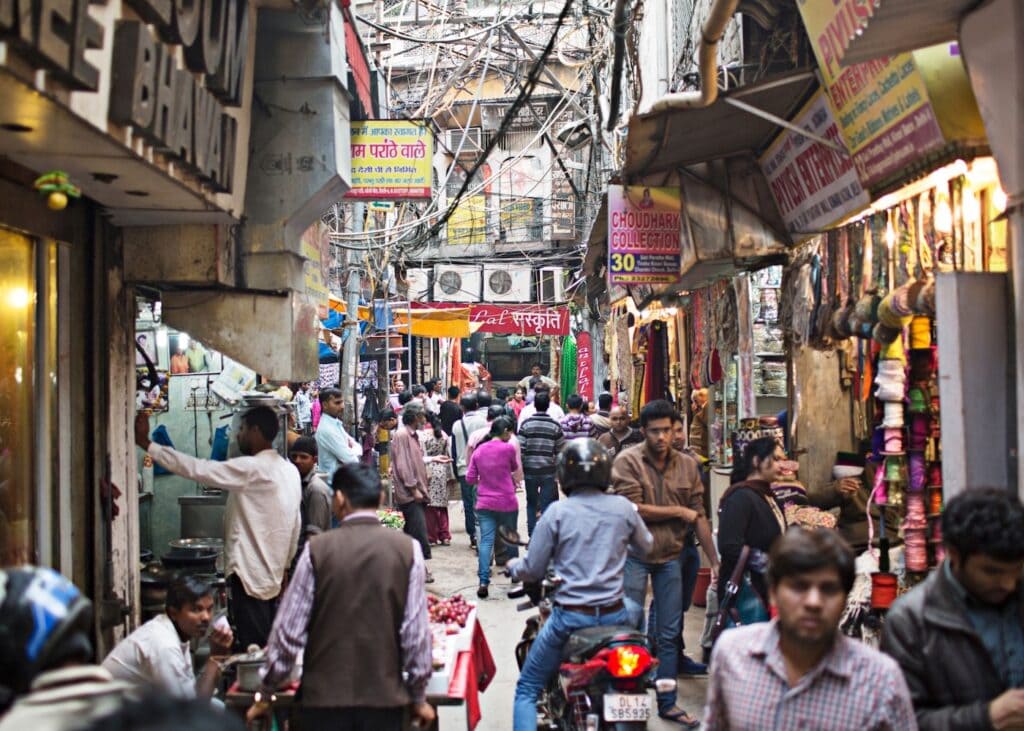
And then there are the wires. In Old Delhi, look up and you’ll see massive tangles of cables and power lines strung overhead, crisscrossing between buildings in knots so dense you can’t tell where one line ends and another begins. I was fascinated by it. It shouldn’t work, and somehow it all does, which honestly might be the best way to describe Delhi as a whole.
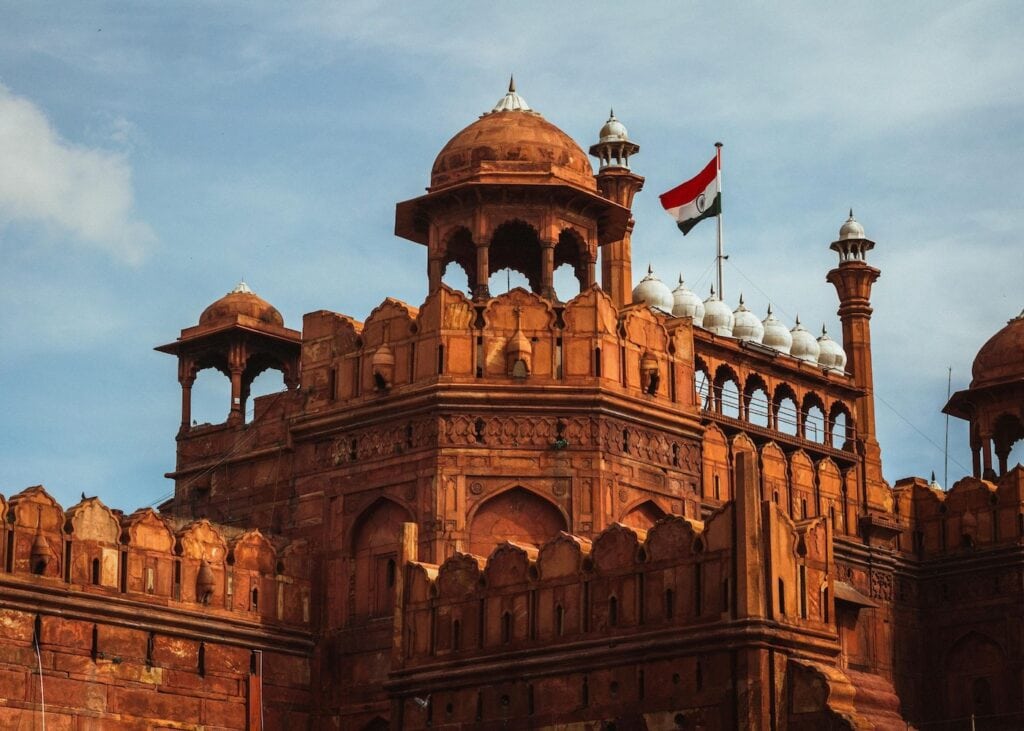
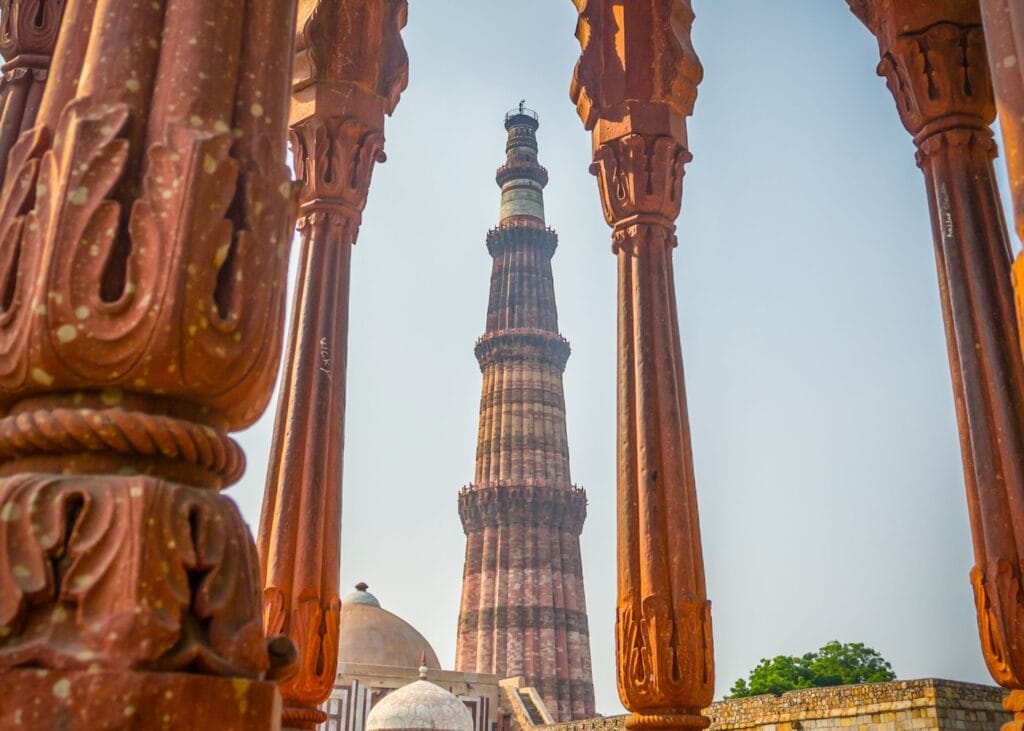
The history in Delhi is everywhere you turn. The Red Fort was the seat of Mughal power for two centuries, and its massive red sandstone walls still tower over Old Delhi. India Gate sits at the center of these wide, grand boulevards that feel like a different city entirely. Qutub Minar has been standing since the twelfth century, one of the tallest brick minarets in the world. And Humayun’s Tomb is the building that inspired the Taj Mahal, same garden layout, same beautiful symmetry, built decades earlier.
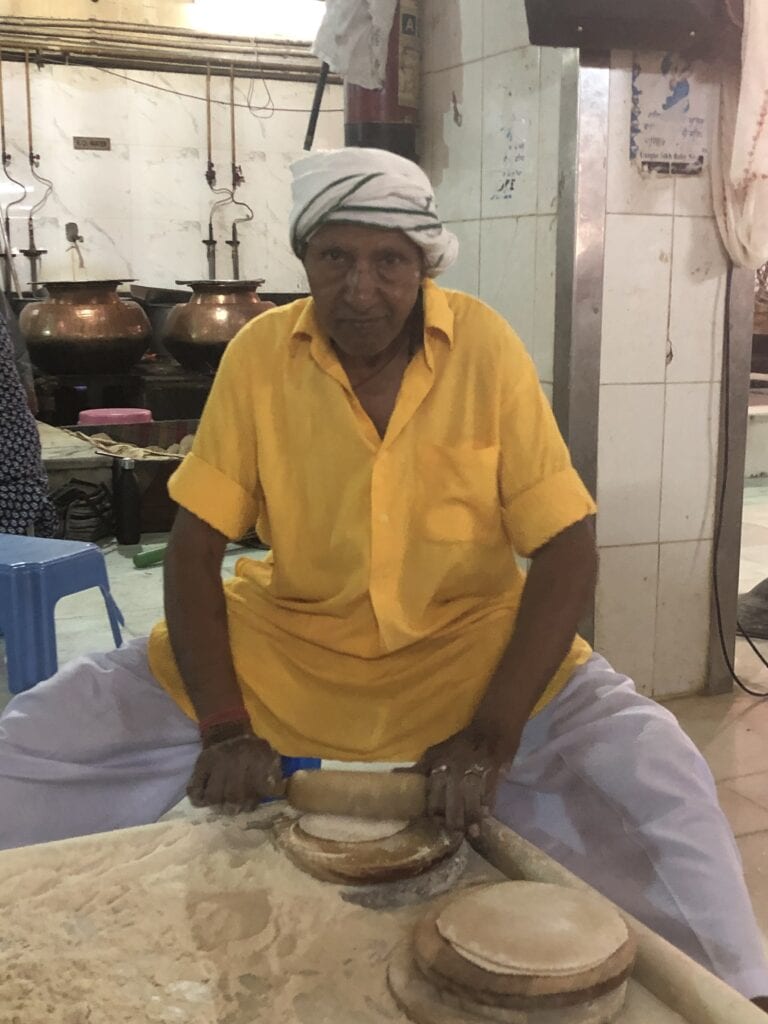
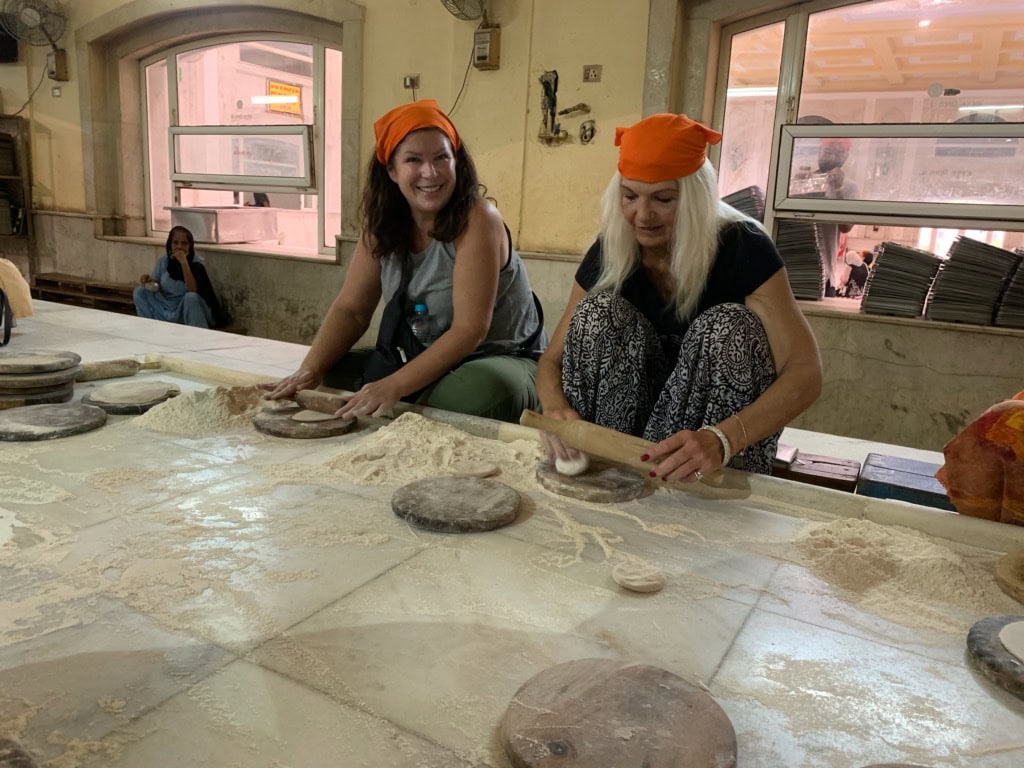
But my favorite thing in Delhi wasn’t a monument at all. I toured a Sikh temple and ended up in the community kitchen helping make bread, which gets served free to anyone who needs a meal, no questions asked. I was terrible at it. The man who was overseeing the bread-making wanted every piece of dough perfectly round, no exceptions. I couldn’t seem to get the bread to roll into a perfect circle. He would shake his head, roll the dough back into a little ball, and make me start over! I felt like a school kid! Eventually, he’d take it right out of my hands and redo it himself. Sometimes you just have to laugh.
Then the meal was served, and I saw where all that bread went. Everyone ate sitting together on the floor. No special seating, no special treatment, because Sikhs believe no one is better than anyone else. Seeing that belief in action, not just hearing about it, left a big impression on me.
Agra
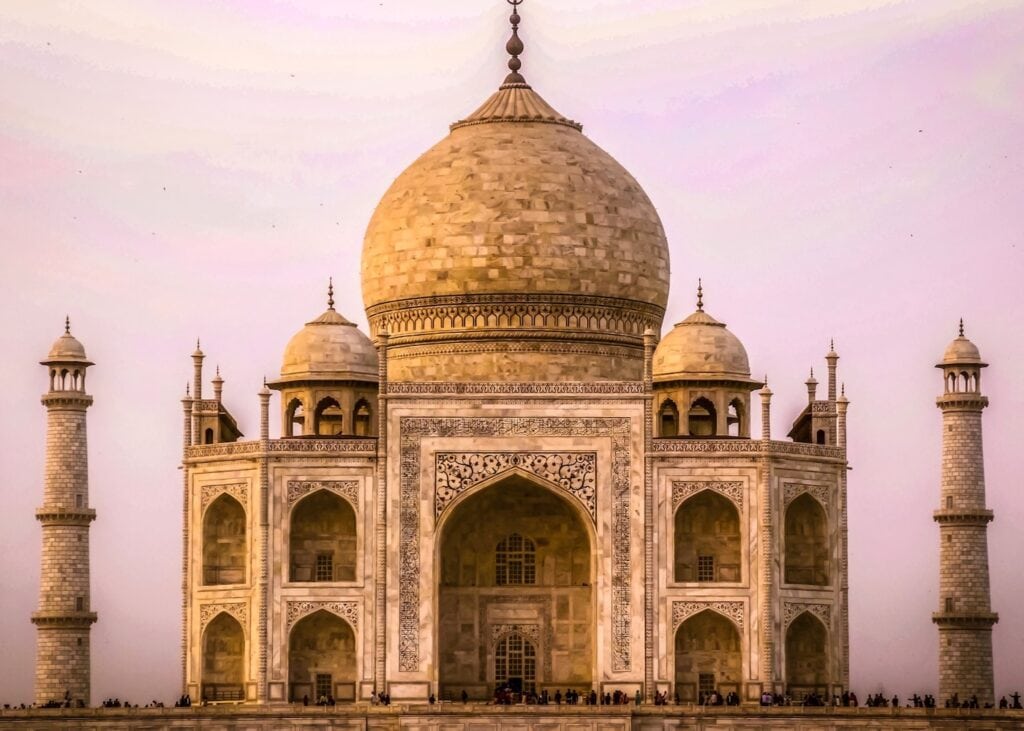
Agra is home to the single most breathtaking moment of my entire trip.
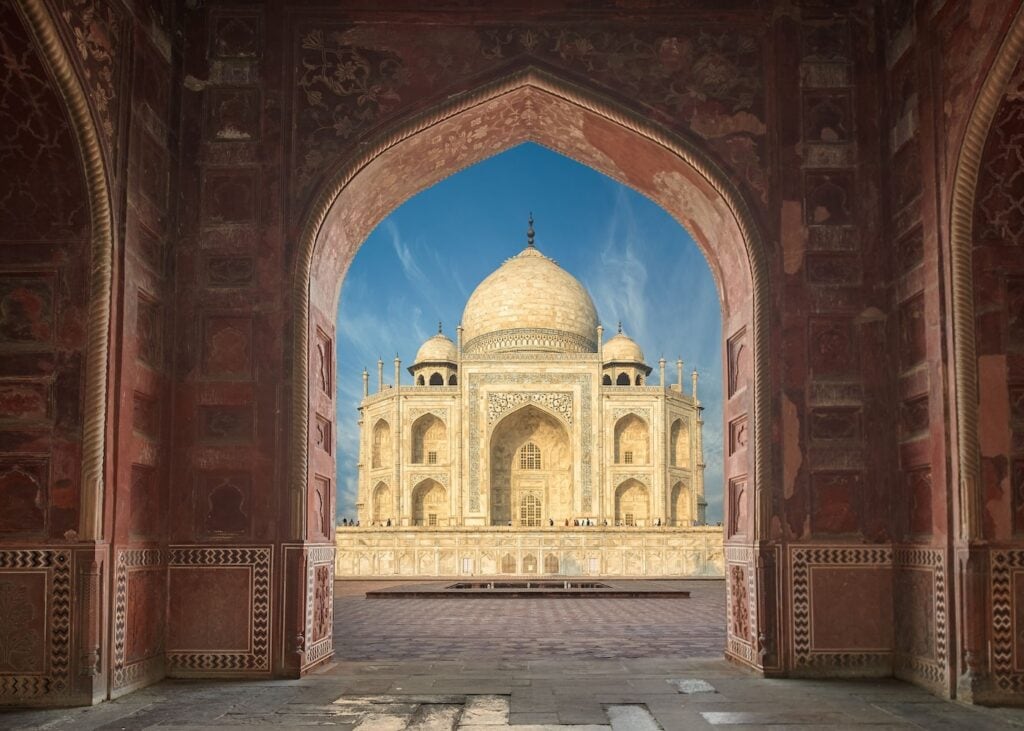
I went to the Taj Mahal at sunrise. You walk in through the great gate, turn to step through, and there it is, framed perfectly between the walls of the gate. My heart actually skipped a beat. You’ve seen this monument in photos and movies your whole life, and then suddenly it’s right there in front of you, real. The only other place that’s ever hit me like that is Machu Picchu. I walked the gardens, explored the grounds, went inside to see the tomb of Shah Jahan and his favorite wife Mumtaz, and soaked up every minute of it.
Even at 5:30 in the morning it was already hot and getting crowded. But seeing the sunrise and the light reflecting off all of those white marble tiles was just beautiful. There’s a stillness in that early light that no photo captures. If you do one thing in India, do this.
Agra Fort is worth your time too, and it comes with a story that’s almost too dramatic to be true. The emperor who built the Taj Mahal was later imprisoned there by his own son, close enough that he could see his masterpiece from his window for the rest of his life. And for a completely different view of the Taj, Mehtab Bagh is a garden directly across the river, built specifically as a viewing point.
Jaipur
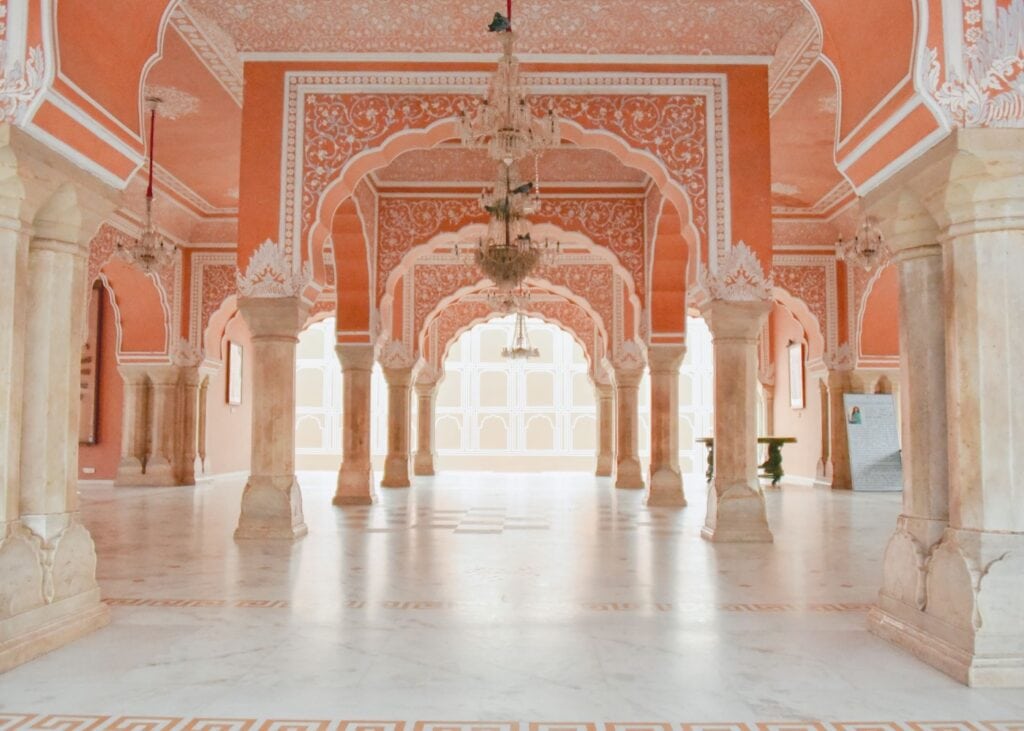
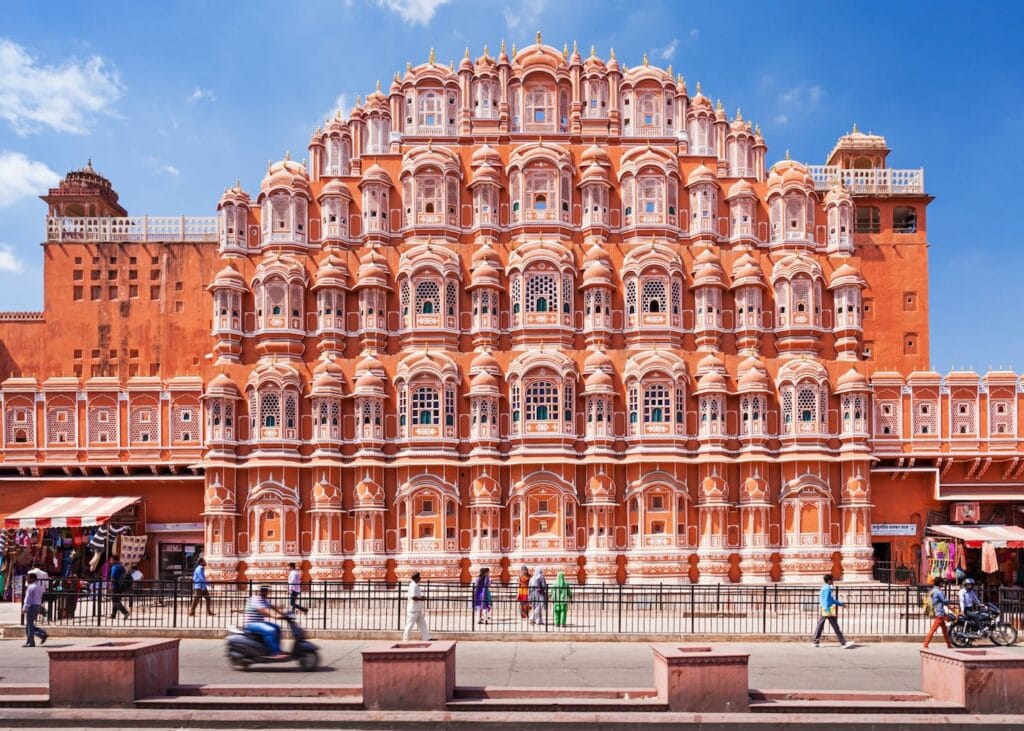
Jaipur surprised me. After two cities that kept me on my toes, it felt organized and walkable, and there’s a reason for that. Jaipur was one of India’s first planned cities, laid out on a grid back in the 1720s, and you can feel the difference the moment you start moving through it. It’s called the Pink City, and it earns the name honestly. The buildings across the old town really are painted that warm pink, a tradition that started with a royal welcome for a visiting prince in the 1800s and never stopped. The whole walled old city is now a UNESCO World Heritage site.
Amber Fort sits on a hillside outside the city, all sandstone and marble, overlooking Maota Lake, and the approach alone is one of the most dramatic arrivals of the whole trip. Inside, look for the Sheesh Mahal, a hall covered in thousands of tiny mirrors, designed so that a single candle could light the entire room. Back in town, City Palace is still partly home to Jaipur’s royal family, so it feels lived in rather than preserved. And Hawa Mahal is the building you already know even if you don’t know its name, that pink honeycomb facade with 953 little windows, built so the women of the royal household could watch street life below without being seen.
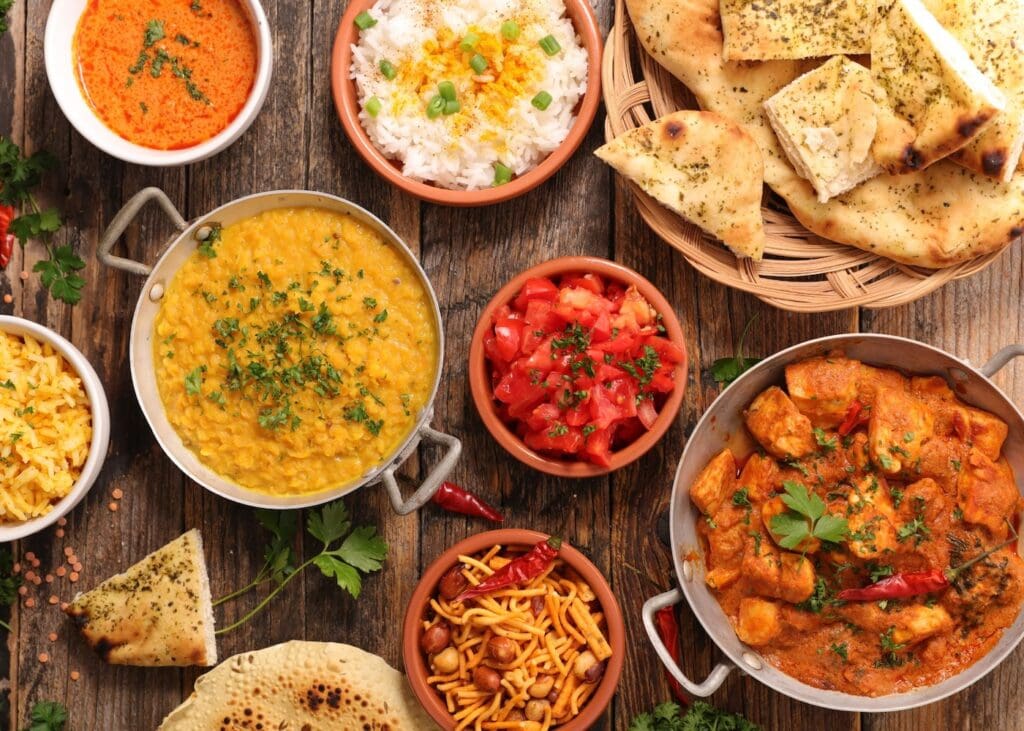
Can we talk about the food? It was AMAZING. All three cities, every meal. The people were just as memorable, curious and friendly and genuinely interested in where you’re from and what brought you there. Yes, vendors will approach you constantly trying to sell you things, and no, that never really stops. You learn to smile, say no, and keep moving, and it just becomes part of the rhythm of being there.
One thing I want to be honest about: the animals. Cows and dogs wander the streets everywhere, and I noticed it from Delhi onward, but it really stood out in Agra. As an animal lover, seeing so many homeless dogs was genuinely hard for me. But it’s a reality in India. Just be prepared.
And here’s the thing. The Golden Triangle is really just the introduction. India has the Himalayas in the north, tropical jungles and backwaters in the south, beaches along both coasts, the sacred city of Varanasi on the Ganges, and national parks where wild tigers still roam. It would take many trips to see and experience it all, and that’s part of what makes it so special. The Golden Triangle is a perfect first taste, but make no mistake, it’s a first taste.
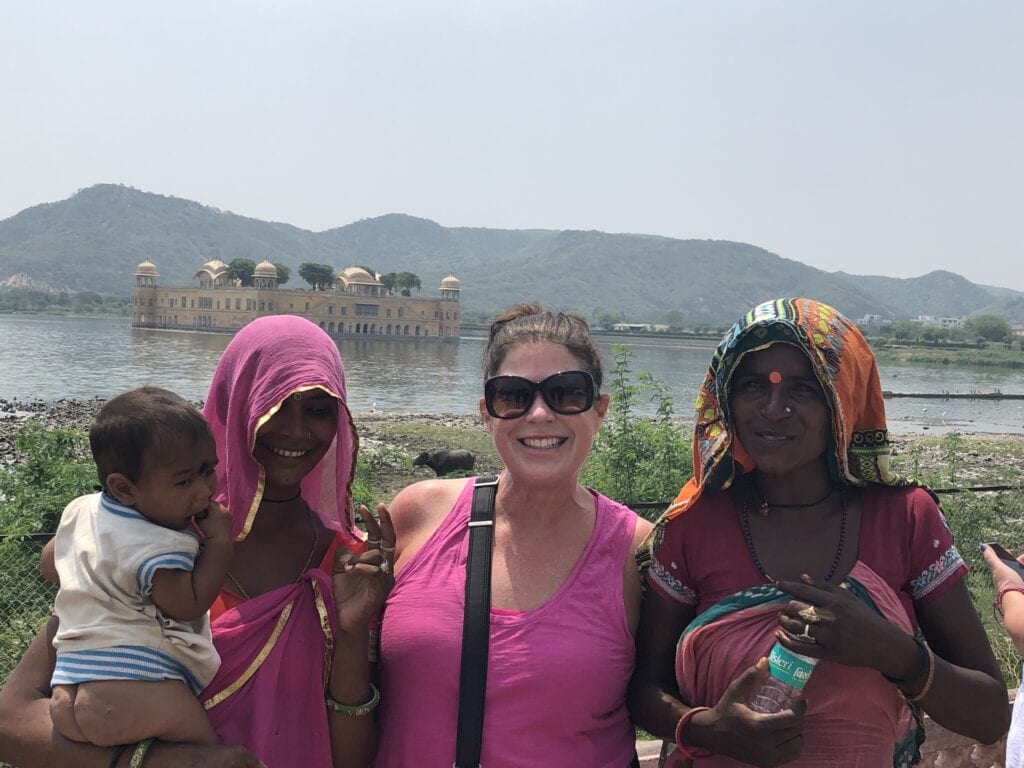
What I remember most isn’t any single site. It’s the heat, the sound of the horns, the bread I never quite mastered in Delhi, the marble artisans whose ancestors made the tiles for the Taj Mahal in Agra, the way Jaipur let me breathe a little. And most of all, the people.
Most people’s worry going in isn’t the sites, it’s whether India is safe to visit as a first timer. It is, but you get more out of it the more prepared you are. India isn’t a place you casually wander into and figure out as you go. Do your research, know what you’re walking into, and go
If a trip like this has been on your mind, I’d love to help you build something realistic and experience-backed, so you get all the wonder without the overwhelm. Let’s talk.