
Why Croatia Should Be Your Next European Vacation
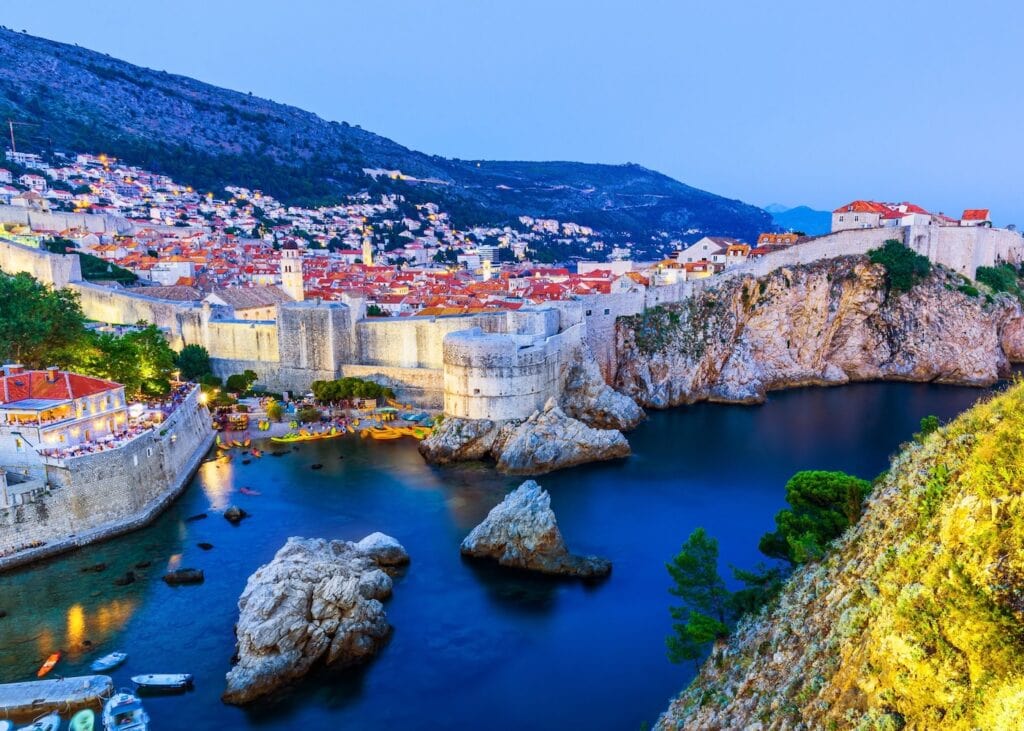
Croatia keeps showing up on everyone’s travel radar, and it’s not hard to understand why. The Adriatic coast has a reputation for being one of the most striking coastlines in Europe, and by most accounts it delivers. What makes it stand out isn’t just one thing either. It’s the combination: dramatic natural beauty, serious history, island life, and national parks that stop people in their tracks, all in one place that’s genuinely easy to get around. For a destination that covers so much ground, it’s surprisingly manageable to travel, and that’s a big part of why people keep coming back.
Split is unlike anywhere else
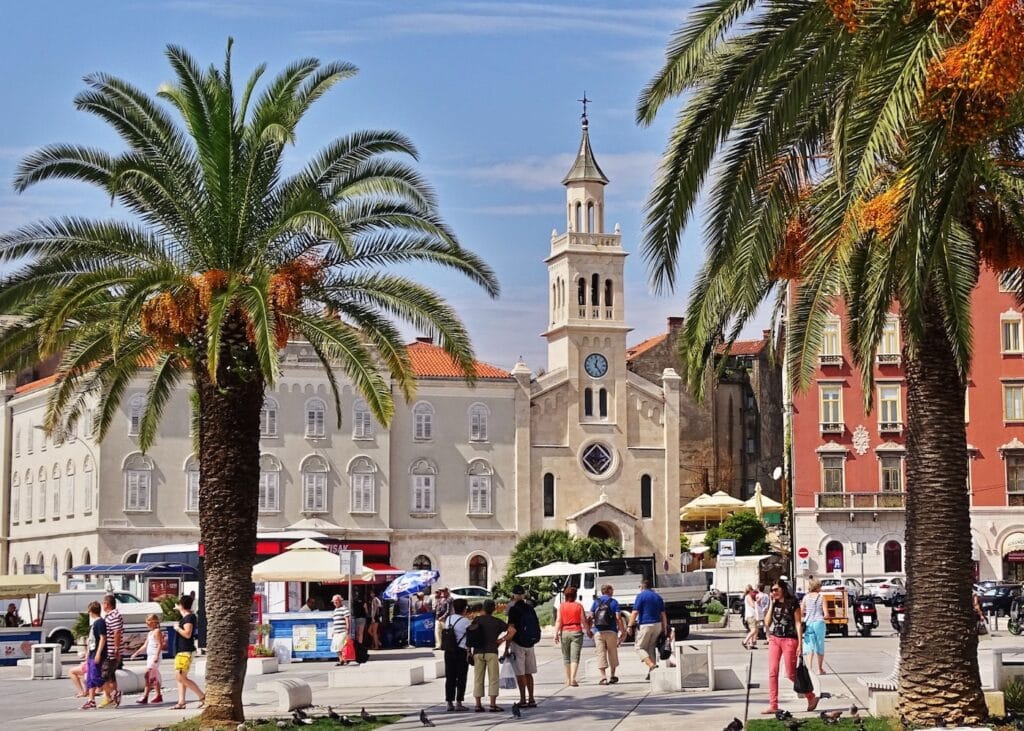
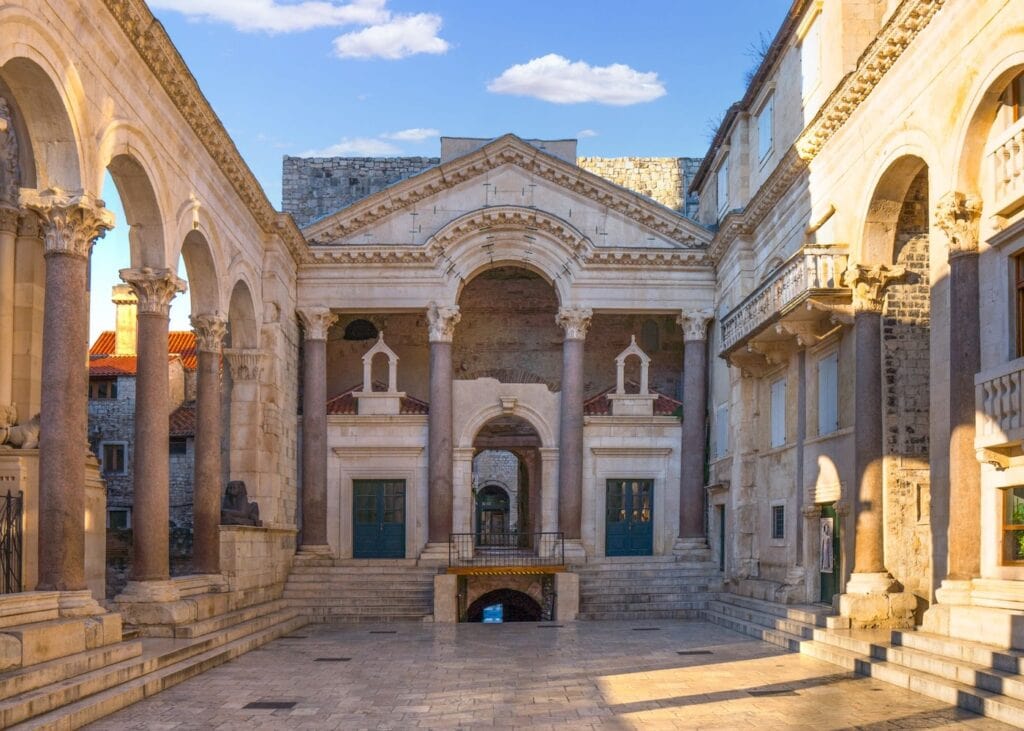
Most preserved historic cities in Europe feel like they’ve been set aside for visitors. Split doesn’t. Diocletian’s Palace was built in the 4th century as a Roman emperor’s retirement complex, and people never actually stopped living in it. Today there are apartments, restaurants, and shops tucked inside the ancient stone corridors. You walk through a Roman basement, step out into a sunlit square, and turn a corner into someone’s neighborhood. It’s completely surreal and completely ordinary all at once.
Beyond the palace, Split has a genuinely good energy. The Riva promenade runs along the waterfront and is exactly the kind of place where you sit down for a coffee and lose two hours without noticing. The city also serves as the main hub for reaching the Dalmatian islands, so most itineraries pass through here anyway. Giving it a full day or two rather than treating it as a stopover is worth it.
Dubrovnik lives up to the reputation
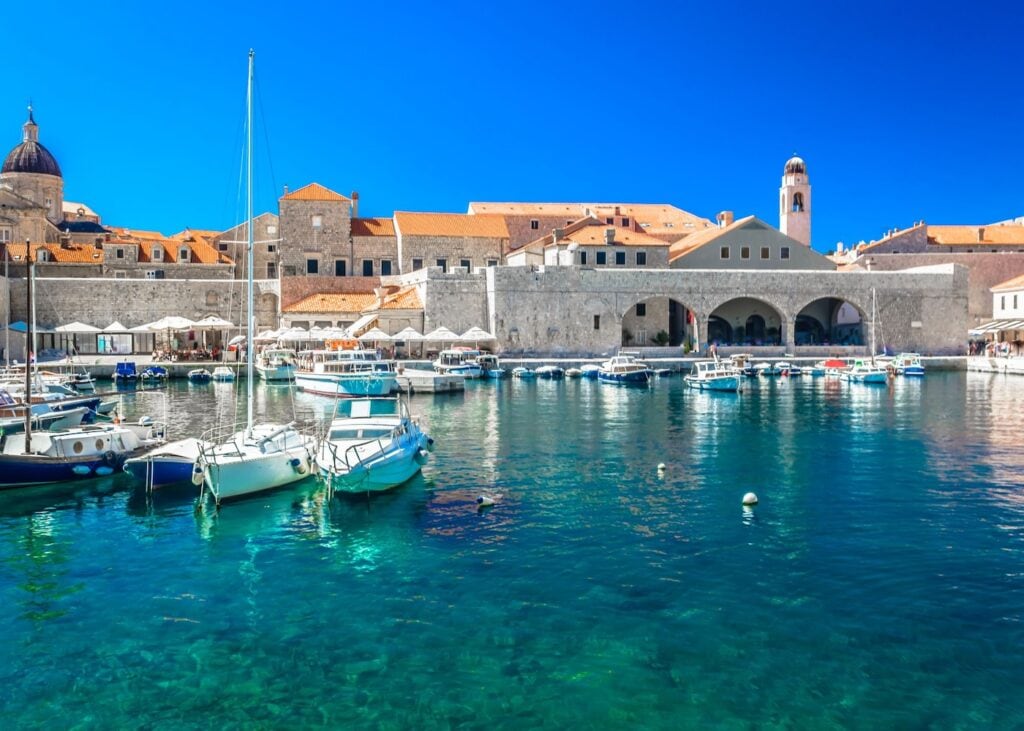
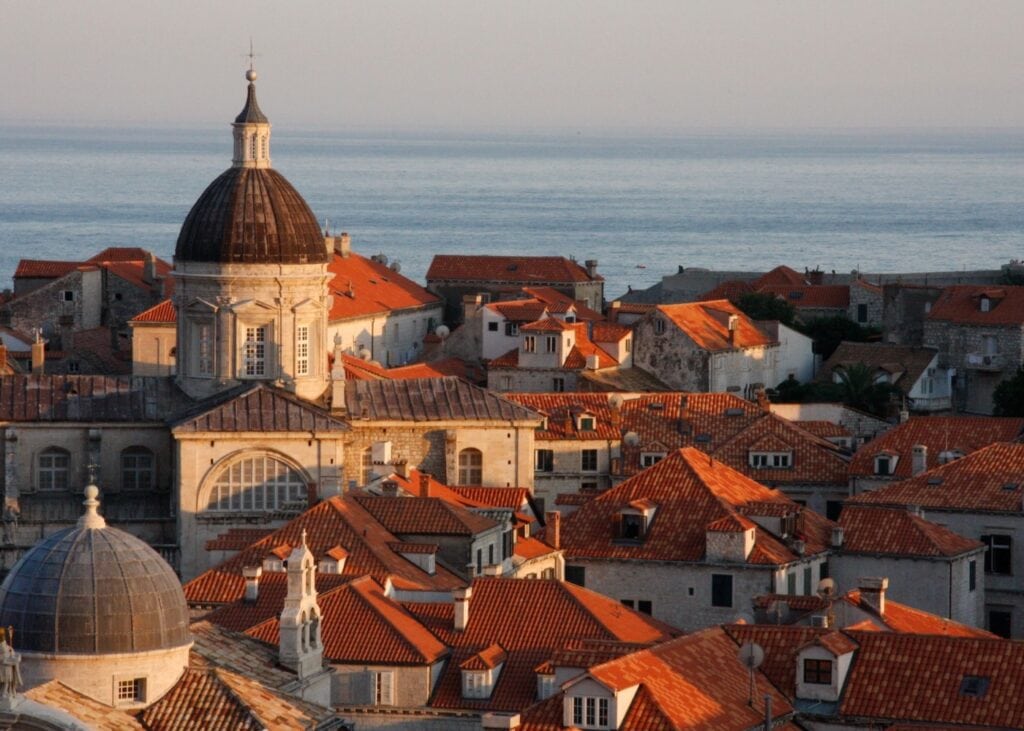
It gets talked about so much that it’s easy to go in braced for disappointment. Don’t be. The medieval old town is surrounded by limestone walls you can walk the full perimeter of, and the views from the top looking out over the Adriatic are the kind you think about for years. Get there early morning, before the cruise ships arrive, and it feels almost quiet. The cable car up to Mount Srđ at sunset is worth doing. If you’ve seen Game of Thrones, the filming locations are everywhere and instantly recognizable.
The crowds are real in peak summer, and it’s worth planning around them. May, early June, and September are when Dubrovnik is at its best. The light is good, the temperatures are comfortable, and the old town feels like something closer to what it actually is rather than a queue of people moving in one direction. Book accommodation well in advance no matter when you go, because this city fills up fast.
Istria is the part most people miss
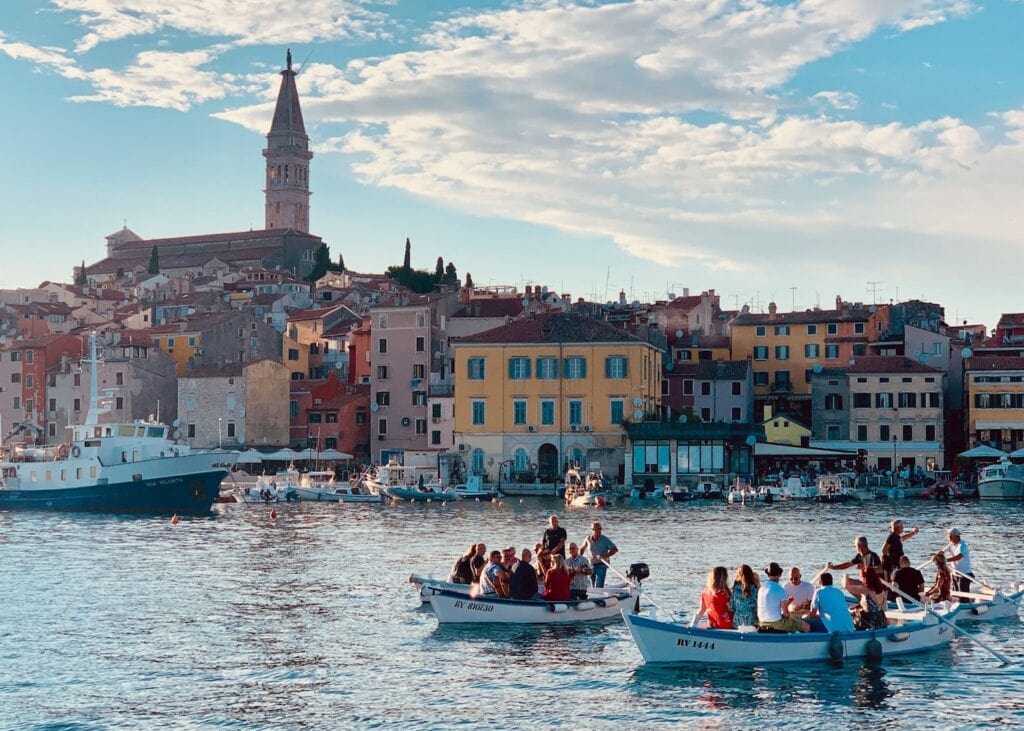
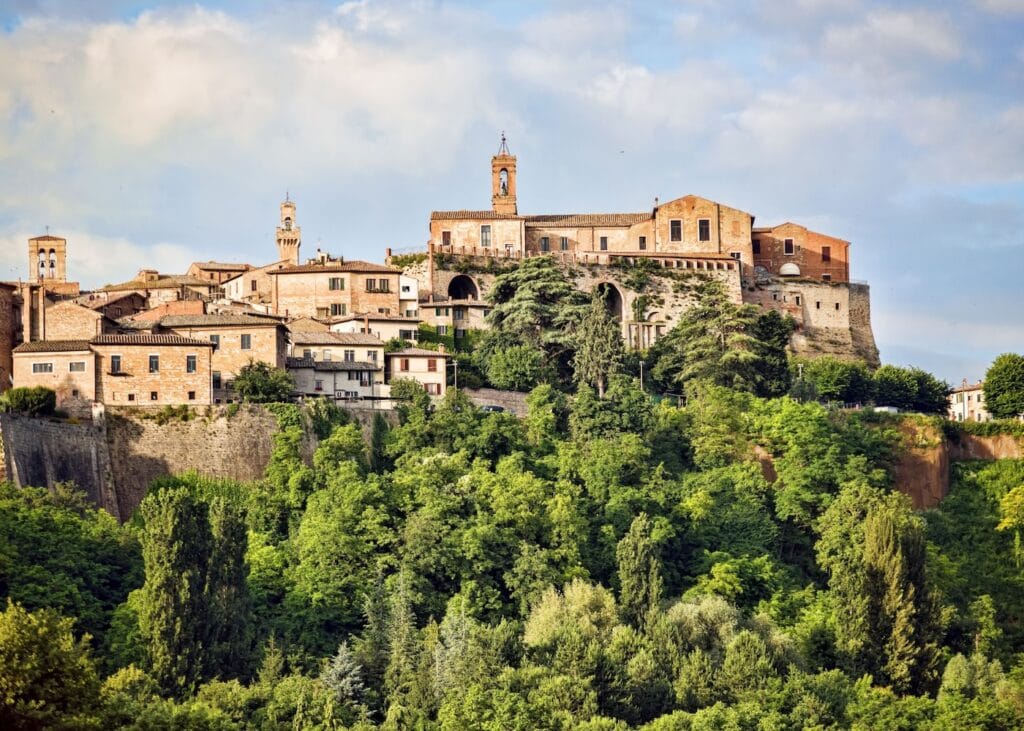
Most visitors fly into Dubrovnik or Split and never make it to the northern peninsula of Istria. That’s worth reconsidering. Istria spent centuries under Venetian influence and it shows, in the architecture, in the food culture, and in the general unhurried pace of things. The region is known for truffles, olive oil, and wine made from indigenous grape varieties you won’t find anywhere else. It has a completely different personality from the Dalmatian coast, more understated, more focused on food and countryside, and genuinely lovely.
Rovinj is the town that draws the most attention, with colorful buildings climbing a hillside above the harbor and an old town that’s genuinely pleasant to wander without any particular agenda. Pula, further south on the peninsula, has a Roman amphitheater that rivals anything you’d see in Rome itself and still hosts concerts and events today. Istria is the kind of region that rewards travelers who slow down and stay a few extra days, and most people who go wish they’d given it more time.
The national parks are extraordinary
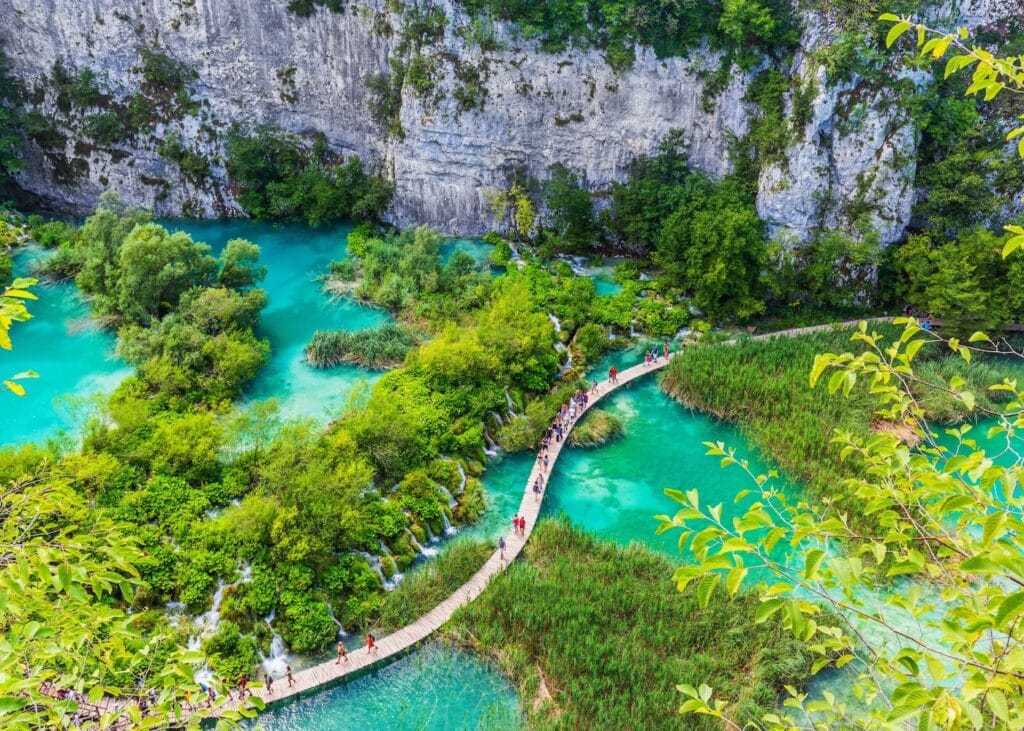
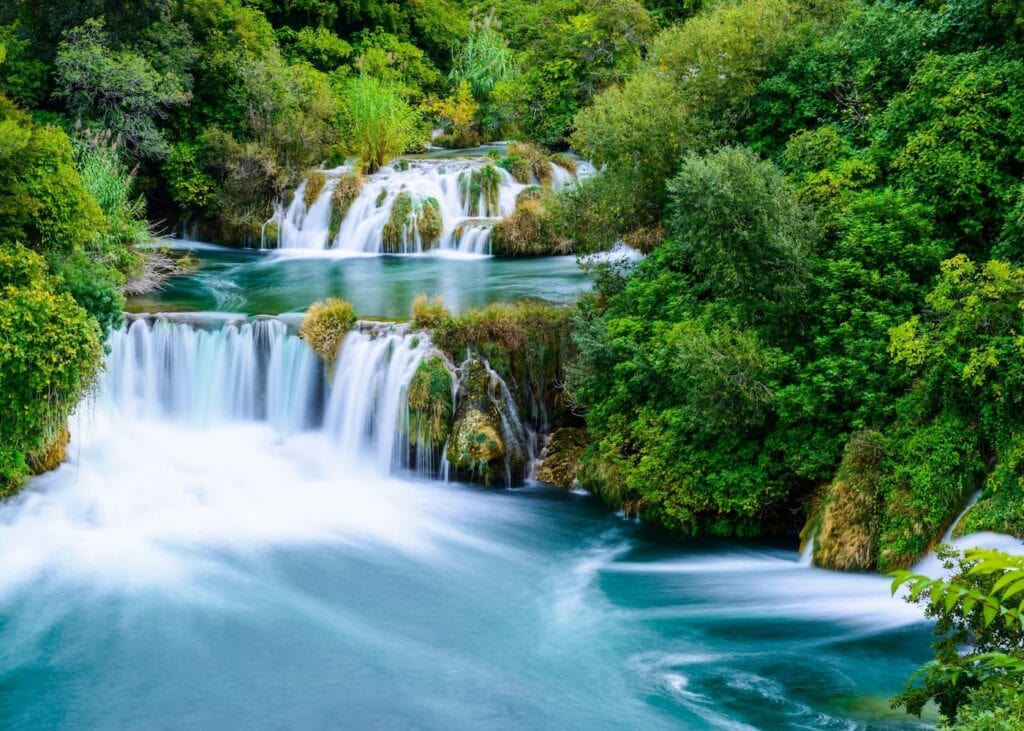
Plitvice Lakes sits in its own category. Sixteen terraced lakes connected by waterfalls, the water running in shades of turquoise and emerald that shift with the light and the minerals in it. Wooden boardwalk trails thread right through the middle of everything, sometimes directly over the water. It’s a UNESCO World Heritage Site and it earns that fully. Go early, plan for at least half a day, and give yourself time to just stand still and look at it. Book entrance tickets in advance because this one draws serious crowds and sells out.
Krka National Park is closer to Split and lower key, with its own waterfalls and a pace that feels easy and unrushed. It makes a natural day trip from the coast and pairs well with a few days in Split. If Plitvice is the showstopper, Krka is the one you stumble onto and end up staying longer than planned.
The islands
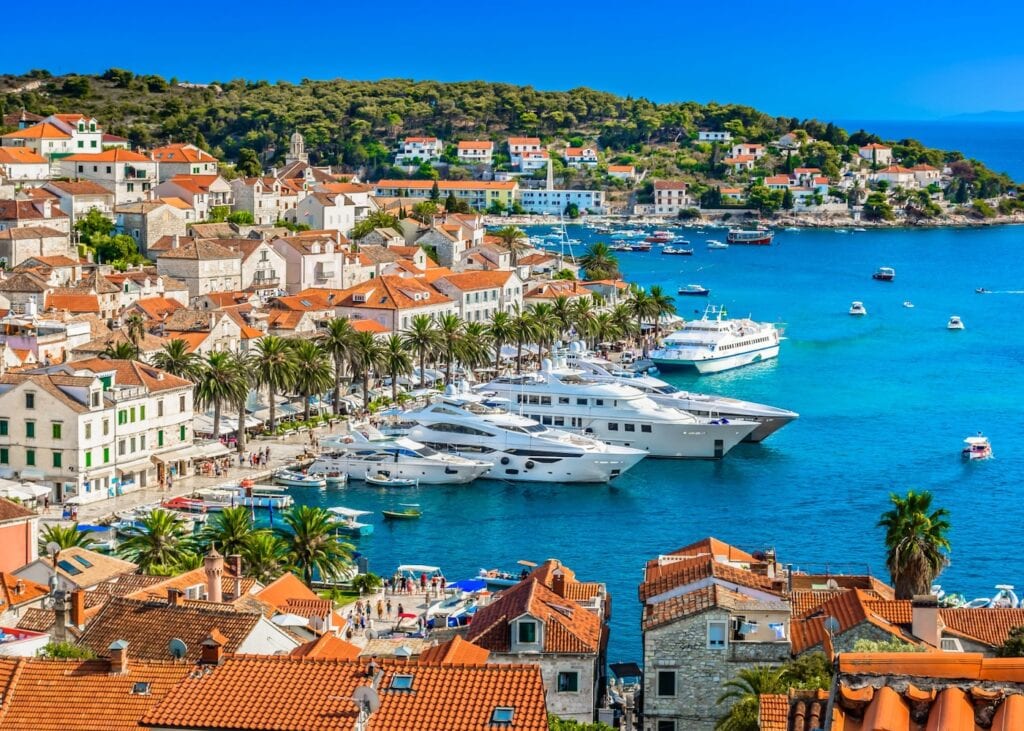
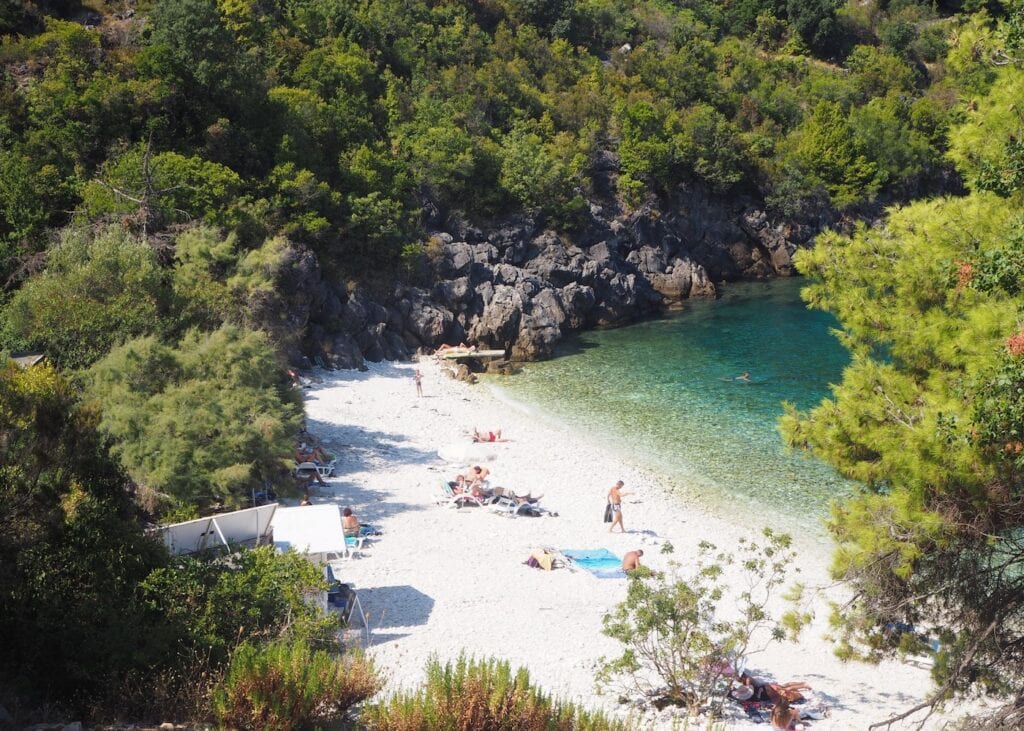
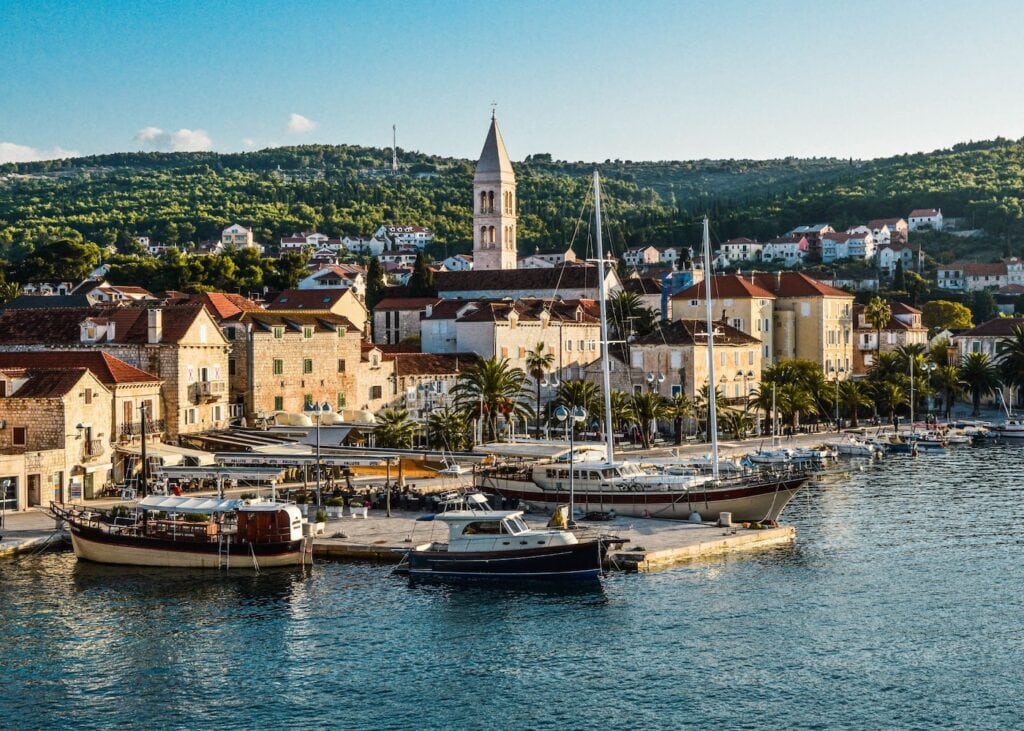
Croatia has over a thousand islands, which sounds like an exaggeration until you look at a map. The ferry system connects most of them, and island hopping here is less of a logistics challenge and more of a rhythm you fall into. Each island has its own personality, which makes choosing between them genuinely interesting.
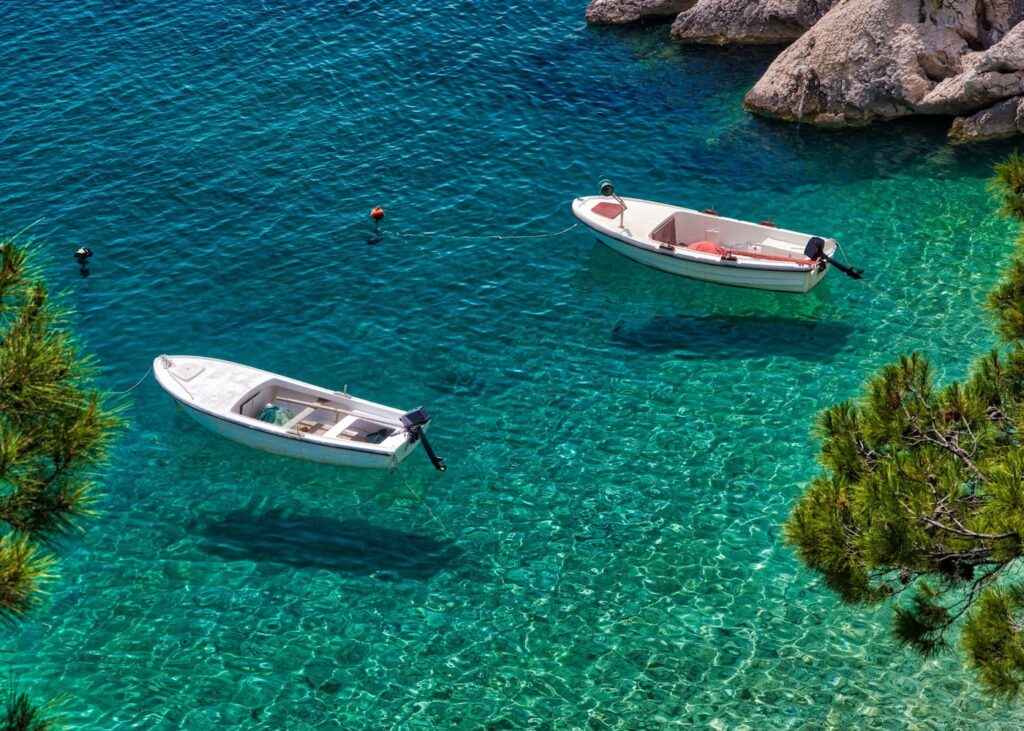
Hvar gets the most attention, and it earns it. It’s one of the sunniest places in Europe, with a hilltop fortress looking down over the harbor, lavender fields covering the interior, and water so clear it barely looks real. It draws a livelier crowd than some of the other islands, which suits certain travelers perfectly. The views from the fortress alone are worth the climb.
Korčula is quieter and more medieval. The walled old town sits on a narrow peninsula jutting out into the sea and is often compared to a smaller Dubrovnik. It’s also reportedly the birthplace of Marco Polo, which the locals are happy to tell you about. The pace here is slower and the atmosphere is genuinely relaxed in a way that’s easy to settle into.
Brač is where you’ll find Zlatni Rat, one of the most photographed beaches in Croatia. The pebbled shoreline extends out into the Adriatic and actually shifts shape with the current. It’s the kind of thing that looks like a postcard but turns out to be completely real. Brač is also close enough to Split that it works well as a day trip if you’re short on time.
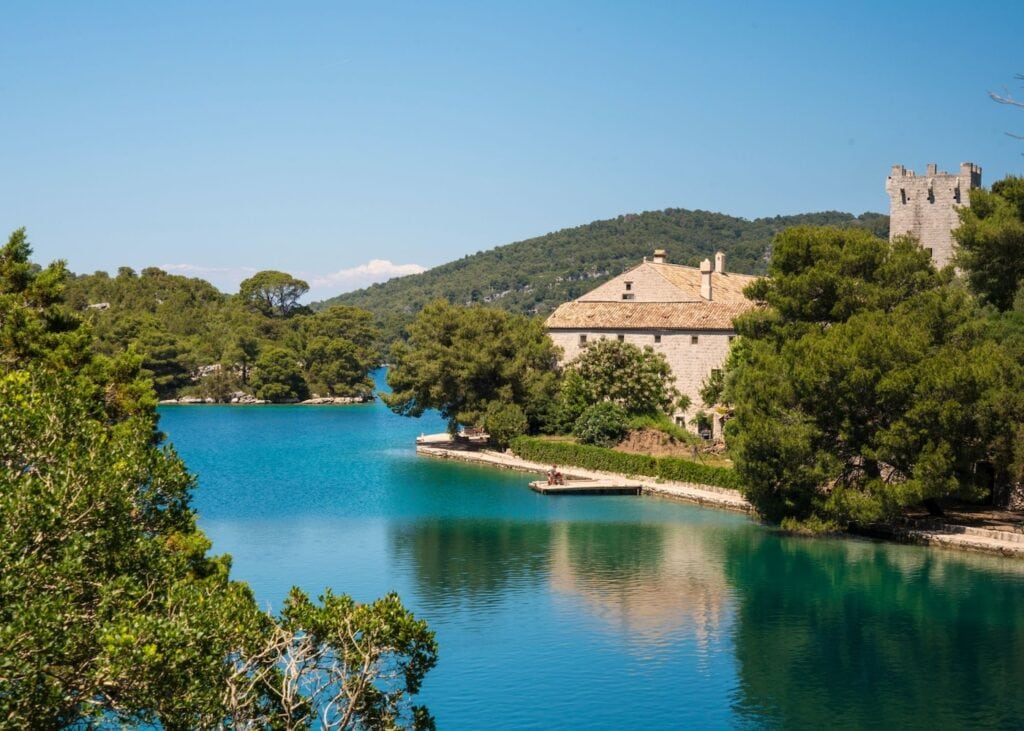
Mljet is the one for travelers who want to slow down completely. Most of the island is national park, the interior has two saltwater lakes you can swim in, and the general pace of life there is about as unhurried as it gets. It’s the kind of island where the plan is to have no plan, and that turns out to be exactly right.
A few practical things worth knowing
The best time to visit Croatia is May, June, and September. The weather is warm, the sea is swimmable, and you’re not fighting the August crowds for space on the city walls or the ferry docks. July and August are peak season and very busy along the coast, but if that’s when you can go, book everything well in advance and it’s still absolutely worth it.
The ferry system is reliable in season and connects the islands well. Grab a spot on the deck and let the coastal scenery be part of the experience. Cash is useful in smaller villages and on the islands even though most larger towns are card-friendly. The coastal roads are scenic drives in their own right, especially the stretch between Split and Dubrovnik. English is widely spoken in tourist areas throughout the country, which makes getting around straightforward even on a first visit.
Croatia is a destination that takes almost no convincing once people actually start looking at it. The history alone would be enough, or the national parks, or the islands. The fact that it all exists in one compact, well-connected country is what makes it so hard to fit into just one trip. Most people who go start planning the next visit before they’ve even left.
If you’d like help putting together a Croatia itinerary that’s realistic and actually designed around how you travel, let’s talk.