
Utah's Mighty 5: National Parks Road Trip
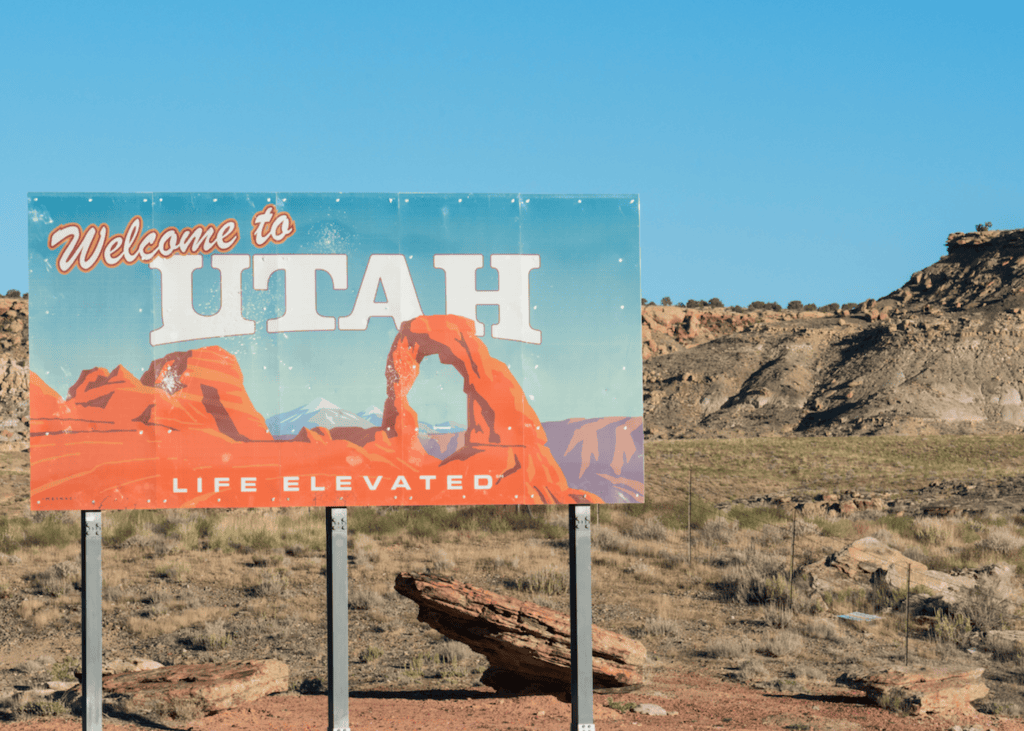
Let’s just get this out of the way up front: Utah doesn’t look real. I don’t mean that in a vague, poetic way. I mean you’ll be standing in front of a 65-foot freestanding sandstone arch or looking down into a canyon carved by two rivers over millions of years, and your brain will genuinely struggle to process that this is just a place on earth you can drive to. It’s that dramatic. And if you’ve ever done a Colorado road trip and thought nothing could top it, Utah is about to prove you wrong.
Utah’s Mighty 5 refers to the five national parks clustered in the southern part of the state: Arches, Canyonlands, Capitol Reef, Bryce Canyon, and Zion. Each one is different enough from the others that doing all five in one road trip feels less like repetition and more like a highlight reel of everything the American West is capable of. Plan for at least seven days, and ten if you can swing it. This isn’t a trip to rush.
The route covers roughly 1,100 miles total, and most people fly into either Salt Lake City or Las Vegas. Salt Lake City puts you close to Moab, which is your basecamp for the first two parks. Las Vegas drops you closest to Zion, so you’d simply flip the order. Either way works. Just buy your America the Beautiful annual pass before you go. It covers entry to every national park for $80 and pays for itself before you finish the first day.
Arches National Park
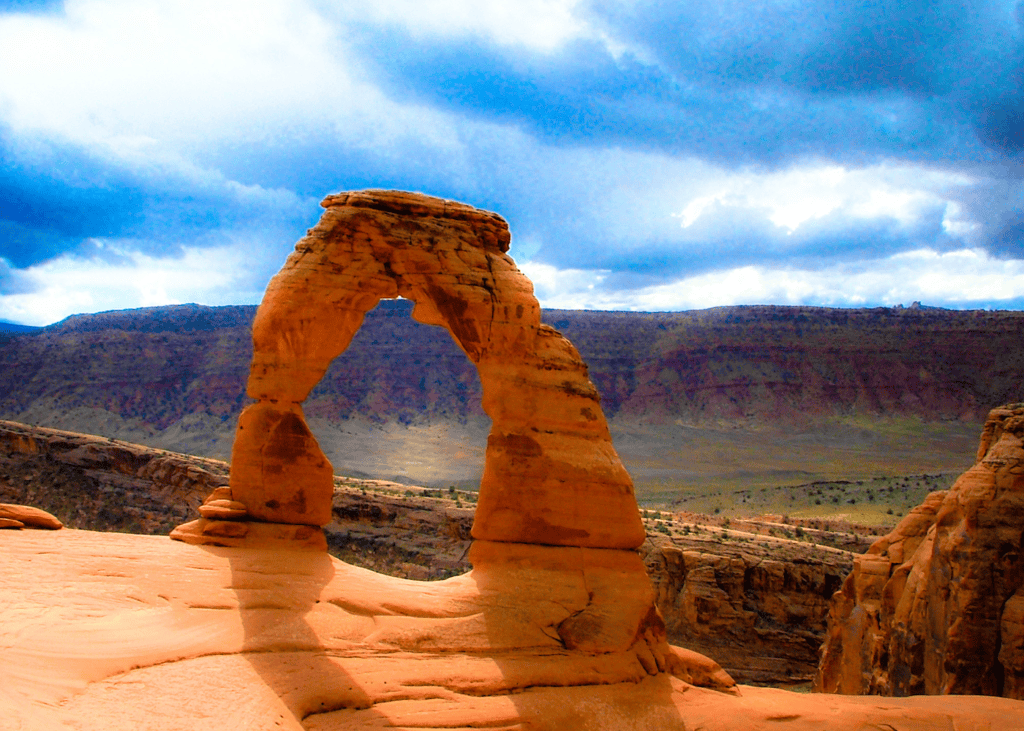
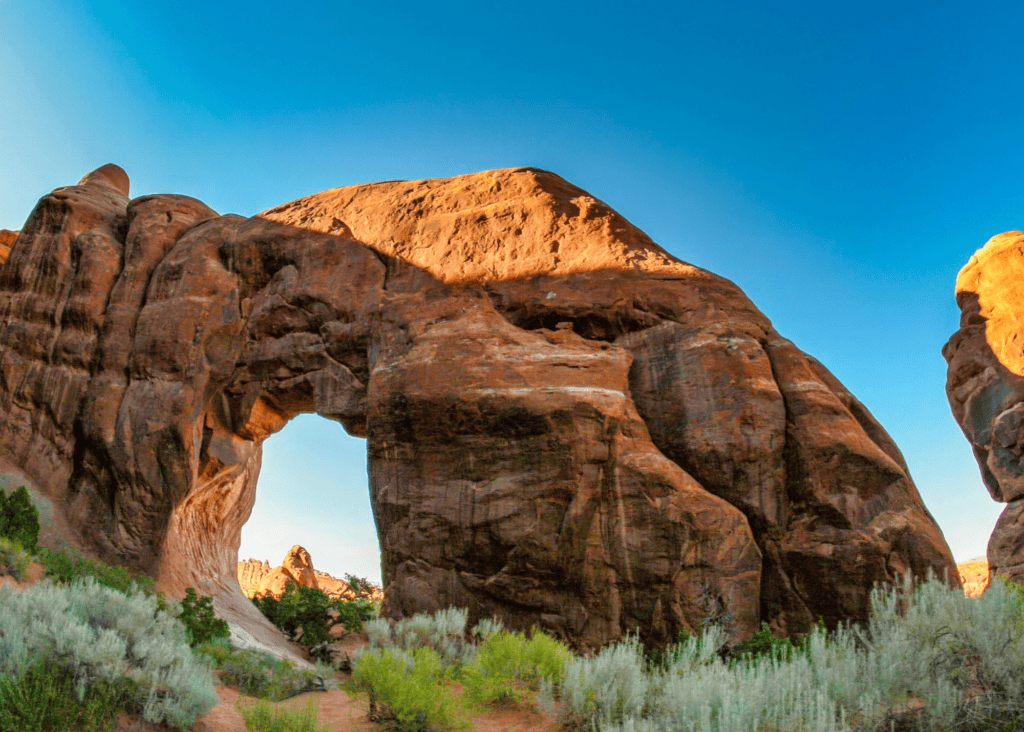
Start here and your standards for “impressive” will never be the same again. Arches isn’t just arches. You’ve also got hoodoos, massive mesas, fins of sandstone, and balanced rocks perched in ways that seem to defy physics. There are over 2,000 natural arches in this park, which sounds like a number until you’re actually there and understand what that means visually.
Delicate Arch is the one everyone recognizes, the freestanding arch on the Utah license plate. Yes, it lives up to it. You can see it from a distance on an accessible viewpoint trail, or hike about three miles to stand right at its base. If you’re able, hike to it. You came all this way. Going at sunset is worth the extra planning. The sandstone turns amber and gold and you’ll be taking the same photo a thousand other people have taken, and you won’t care at all.
Also save time for the Windows Section, Double Arch, Balanced Rock, and Landscape Arch. You can cover a lot of Arches in a day because the park is on the smaller side, which is part of what makes it so satisfying. One heads-up: timed entry reservations are required during certain hours and seasons, so check the NPS website and book before you show up.
Moab is your home base for both Arches and Canyonlands, and it’s genuinely more fun than you might expect. Good restaurants, a lively outdoorsy crowd, and jeep tours and rafting right outside of town if you want to add a day.
Canyonlands National Park
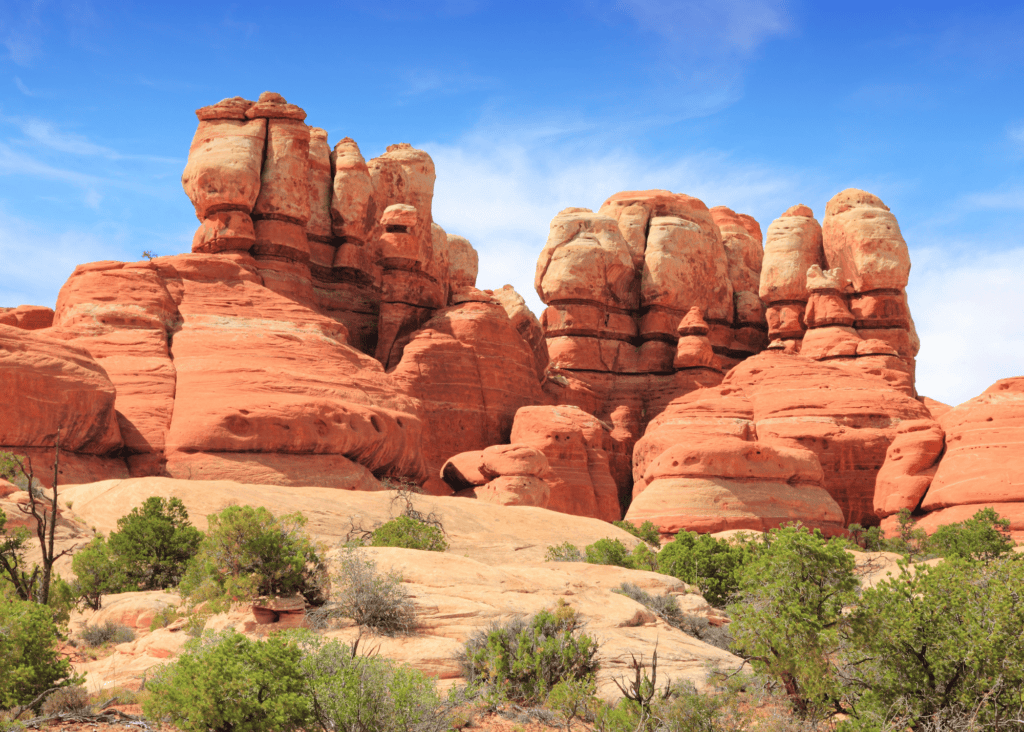
Canyonlands is what people mean when they talk about feeling small in a landscape. It’s enormous, remote, and less crowded than its neighbors, which means you can actually enjoy it rather than fight for parking. It’s only about 30 minutes from Arches, but it feels like a completely different world.
For a first visit, head straight to the Island in the Sky district. The highlights here include Grand View Point, Mesa Arch, Green River Overlook, and Shafer Canyon Overlook. Mesa Arch is the move before sunrise if you can drag yourself out of bed. The light comes through the arch and lights up the canyon below in a way that photographers drive hours specifically to catch. It’s a short, easy walk to get there, which makes the payoff feel almost unfair.
Capitol Reef national park
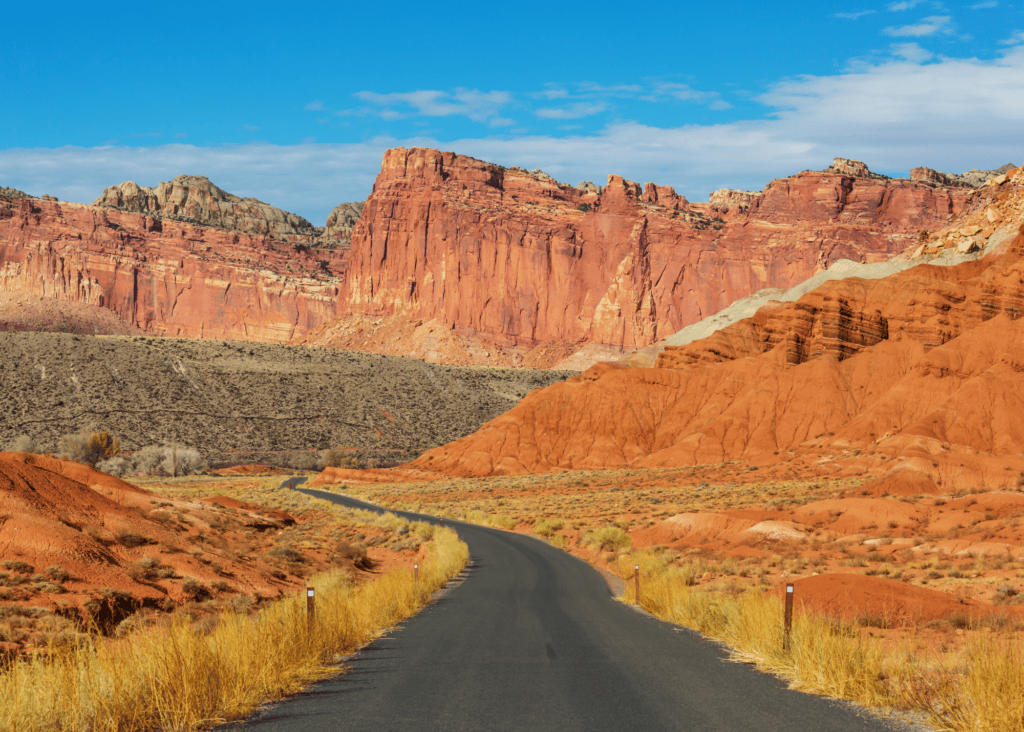
Here’s the one most people under-plan for, and it’s consistently the park that surprises travelers the most. Capitol Reef has towering red cliffs, arches, and canyons, but what makes it genuinely unique is the fruit orchards growing inside the park. Yes, actual orchards, a remnant of the pioneer settlement that once existed here. During harvest season you can pick fruit right off the trees. It’s one of those details that makes Capitol Reef feel different in a way that’s hard to explain until you’re there.
The drive in along Scenic Byway 12 gives you aerial views of rolling hills and canyons fading from green to red, and the park’s scenic drive once you’re inside is one of the best in Utah. Hike the Grand Wash or the Hickman Bridge trail, a 133-foot natural bridge that most people haven’t heard of and genuinely can’t believe when they see it.
Don’t blow through Capitol Reef on the way to Bryce. It deserves a full day.
Bryce Canyon National Park
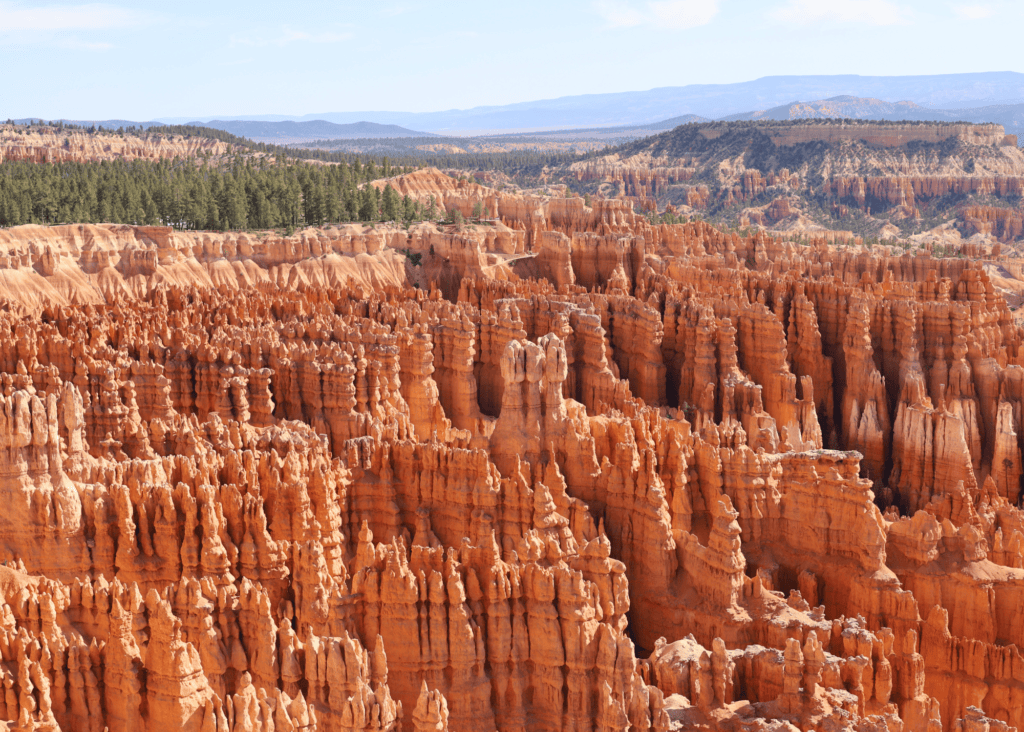
Nothing prepares you for the moment you walk to the rim at Bryce Canyon and look down. You’ve read about hoodoos. You’ve seen photos. And then you’re standing there looking at what appears to be an entire city of red and orange spires rising from the canyon floor, and the photos don’t come close. Bryce has the largest concentration of hoodoos in the world, and the landscape absolutely glows at sunrise and sunset.
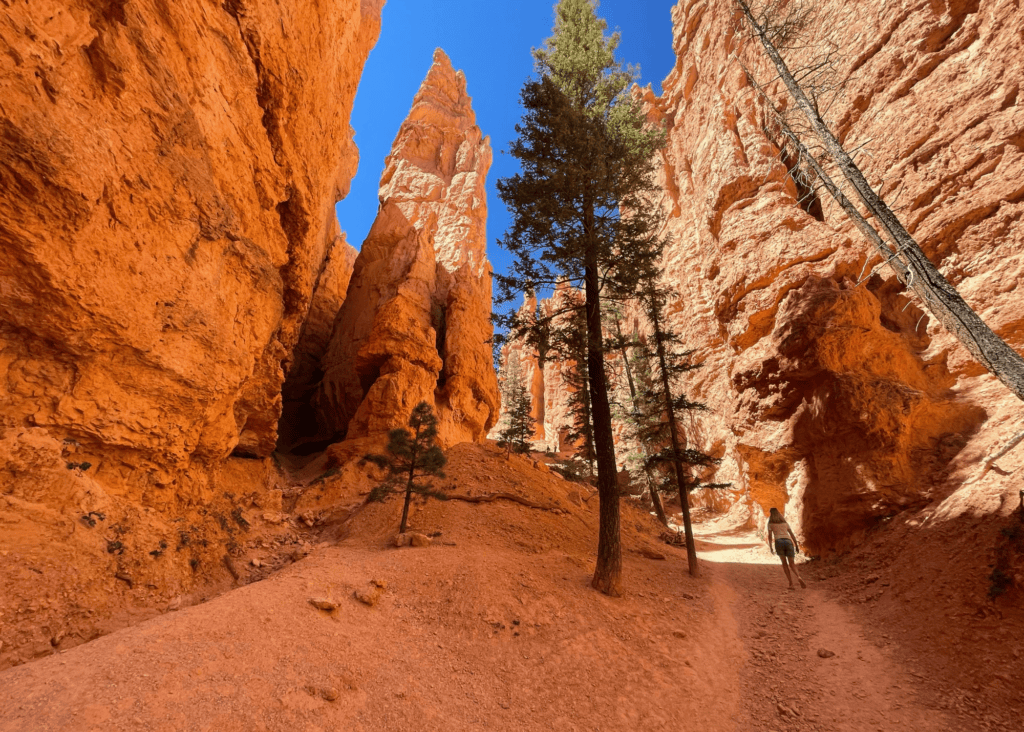
The best way to experience Bryce is to get down into it. The Queens Garden and Navajo Loop combination is the classic for a reason. It drops you from the rim into the heart of the canyon, puts you right next to the hoodoos, and winds you through Wall Street, a narrow slot canyon inside the park. The whole loop is about three miles. Just remember you’re hiking at around 8,000 feet elevation, so take it slower than you think you need to and dress in layers. The altitude gets people every time.
For pure views without hiking, drive the main road and stop at Sunrise Point, Sunset Point, Inspiration Point, and Bryce Point. Each one is worth getting out of the car for.
Zion National Park
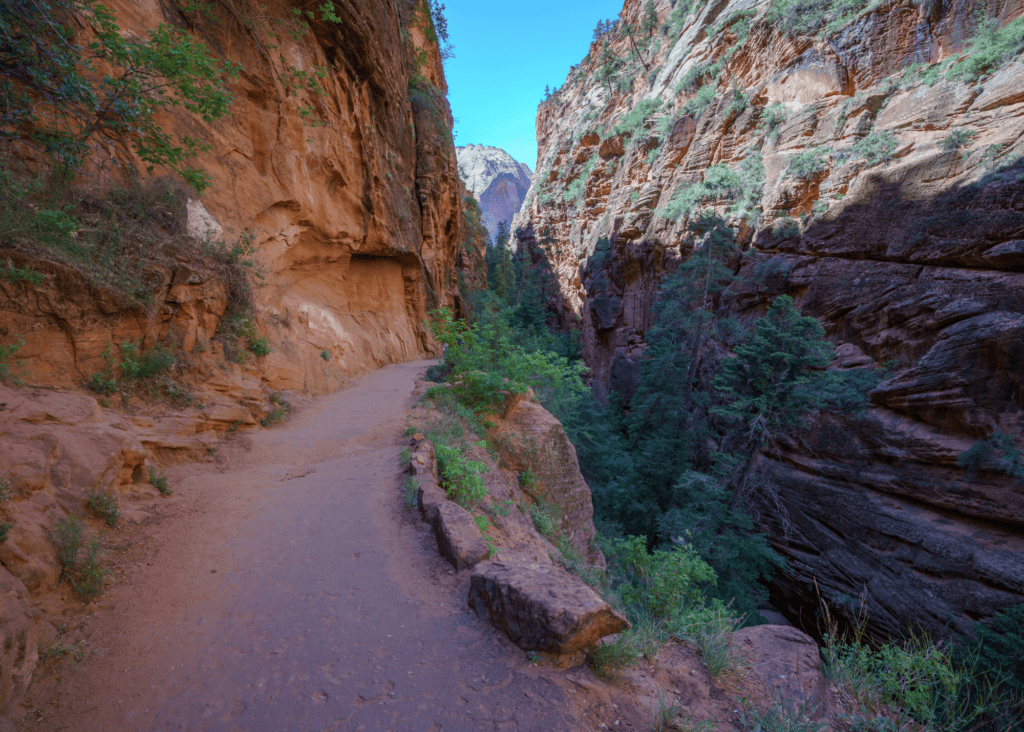
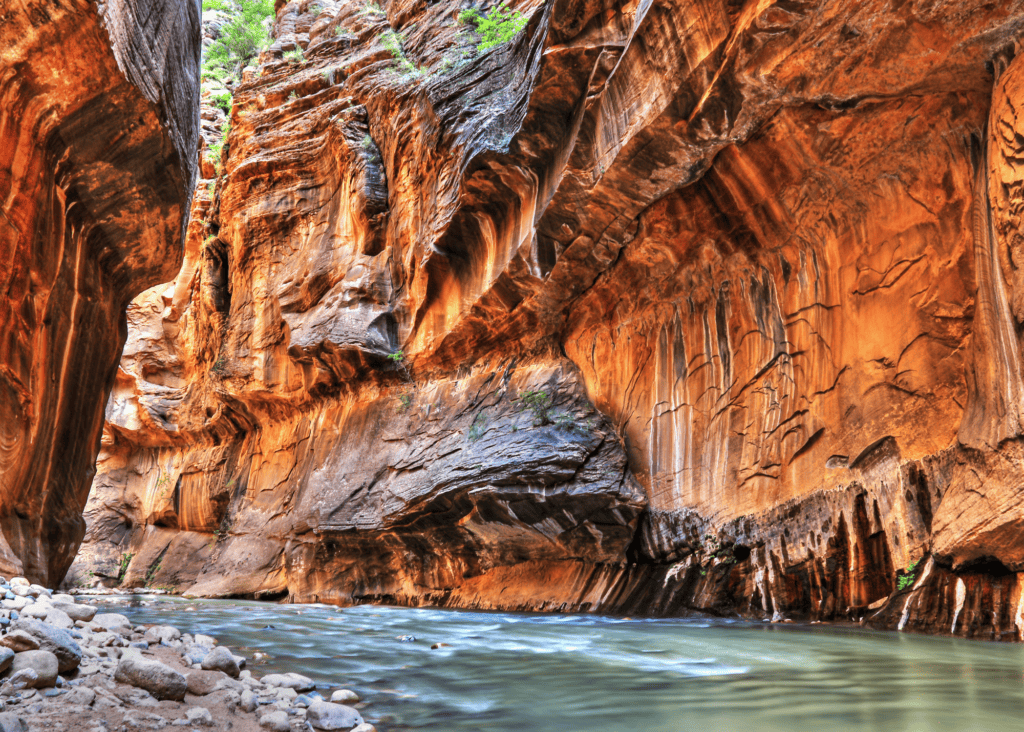
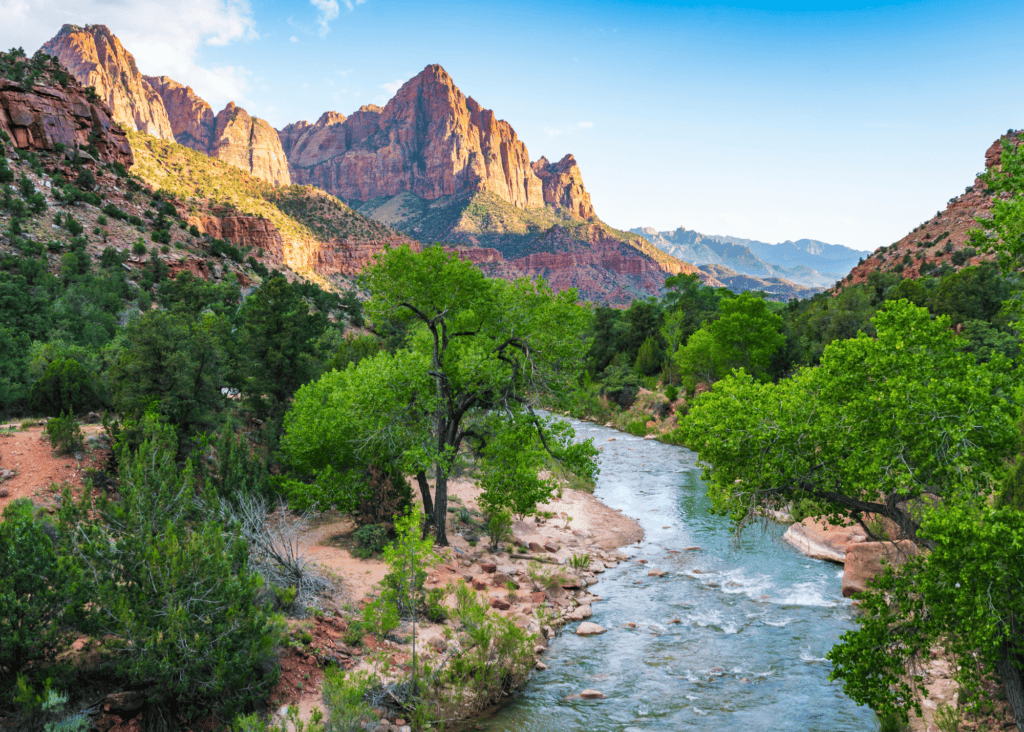
Save Zion for last. It earns that position. You drive into the canyon and red walls rise straight up on either side of you while the Virgin River runs alongside the road, and it’s one of those arrival moments that stays with you. Plan at least two full days here. One won’t feel like enough.
Zion’s most famous hike is Angels Landing, and let’s be real about what that actually means. This isn’t a casual trail. It’s 5.4 miles round trip with 1,500 feet of elevation gain, and the final half mile is a narrow rock spine with chain handrails and sheer drop-offs on both sides. There have been fatalities here. If heights aren’t your thing, skip it without guilt. That’s the right call.
If you do want to attempt it, plan ahead. Permits are required year-round and are only available through an online lottery on Recreation.gov, not at the park and not day-of. Entry into the lottery costs $6 for up to six people, plus $3 per person if you’re selected. Apply months in advance during the seasonal lottery window.
If Angels Landing isn’t in the cards, don’t stress. The Narrows might actually be the better experience anyway. Hiking through the Virgin River itself between towering canyon walls is one of the most unique trail experiences in any national park in the country, and a lot of people leave saying it was the highlight of the whole trip. No permit is needed for the standard day hike. You just show up and head in from the bottom. A permit is only required if you’re doing the top-down overnight route, which is a whole separate adventure.
Spring and fall are the best times to go. Temperatures are manageable, the light’s incredible, and the crowds are lighter than summer. Summer is hot in the afternoons, so early starts are non-negotiable if you’re going in July or August.
Book your hotels well in advance. The gateway towns, Moab for Arches and Canyonlands, Torrey for Capitol Reef, and Springdale right outside Zion, fill up fast during peak season, especially the properties closest to the parks. There are great options across all price ranges, but waiting until the last minute will limit you.
Bring more water than you think you need. Every single person who’s been to Utah says this, and they’re all right. The desert’s beautiful and it’s also genuinely unforgiving when you’re underprepared.
Five completely different parks, all within driving distance of each other. Utah just doesn’t miss.
Ready to put together a Utah itinerary that actually makes sense for how you travel? Reach out and let’s start planning.