
Mendoza vs. Tuscany: Two Wine Regions, Two Very Different Trips

There are world-class wine regions everywhere. Napa. Burgundy. Rioja. The Douro. South Africa. Chile. Australia.
So when someone narrows it down to Mendoza or Tuscany, it’s not random. These two regions sit in an interesting category. They’re iconic enough to feel aspirational, established enough to trust the quality, and visually striking enough that even non-wine drinkers recognize them.
But here’s what most people miss. You’re not just choosing between Malbec and Sangiovese, you’re choosing between two very different styles of travel. One tends to be woven into a larger cultural itinerary. The other often becomes the centerpiece of the trip. And that’s where the decision actually gets interesting.
Tuscany: Wine Inside a Classic Italy Experience
Tuscany, Italy
Tuscany works so well because it fits easily into a broader Italy trip.
Most people visiting Tuscany aren’t only going for wine. They’re already thinking about Florence, maybe Rome, Art. Architecture. Walking through small towns. Long dinners in a piazza and They’re already thinking about Florence, Rome, and how to fit it all in without feeling rushed.
Wine fits naturally into that rhythm.
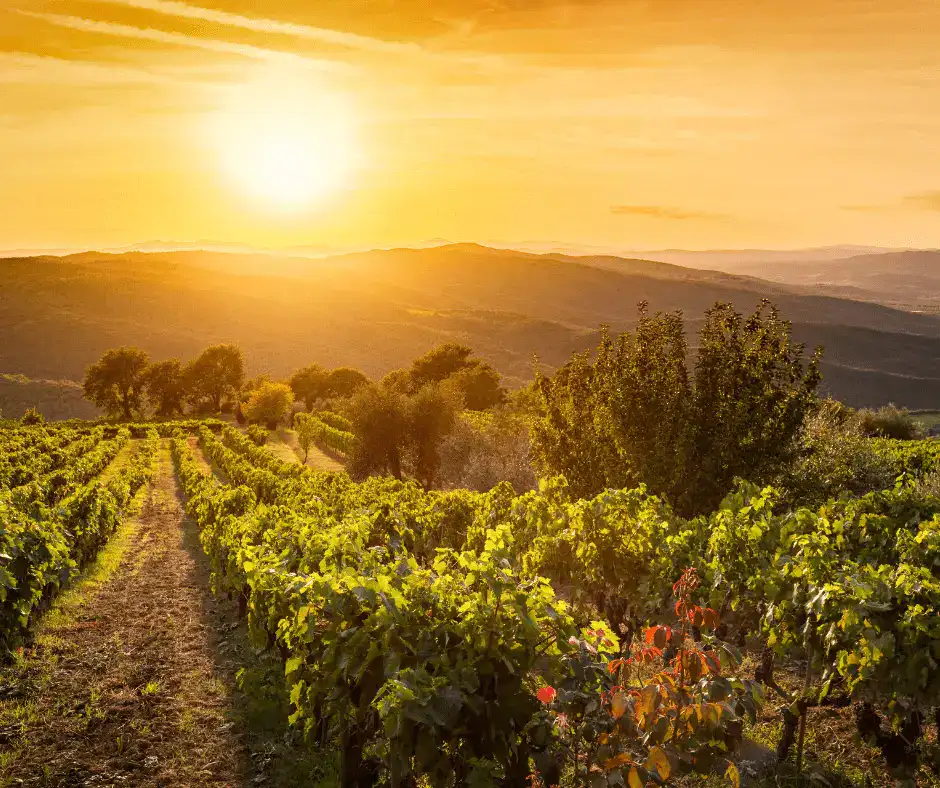
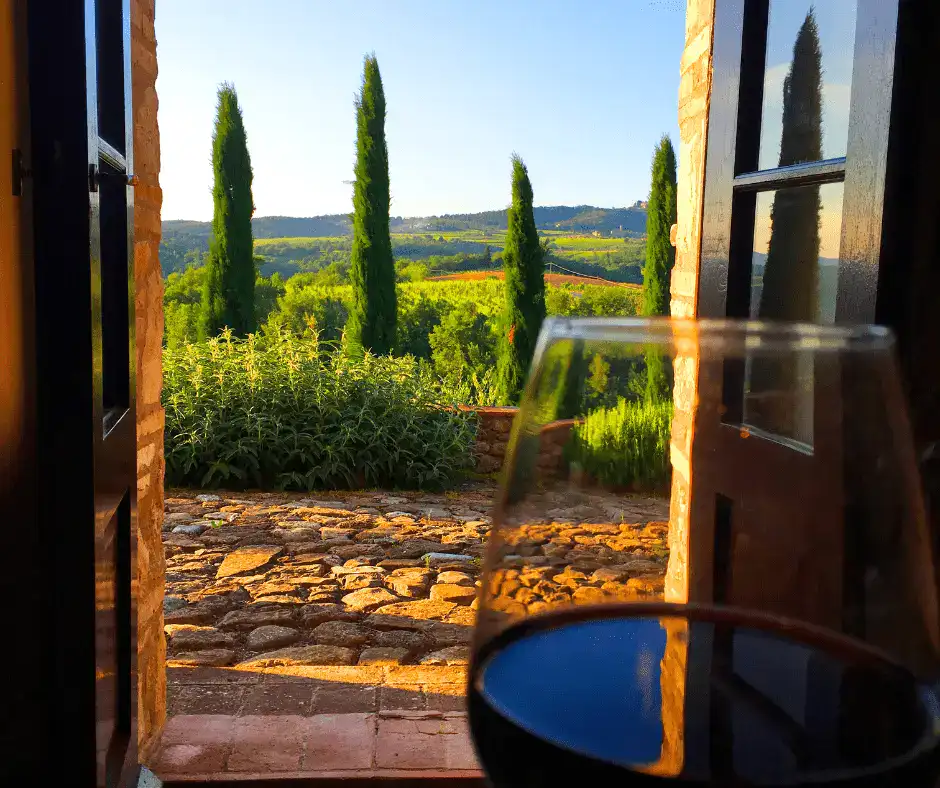
The scenery is exactly what people picture; rolling hills, cypress-lined roads, stone farmhouses. But what makes Tuscany compelling is how closely the vineyards sit to historic towns. You can do a tasting in the morning and be wandering through Siena or Montepulciano that afternoon.
The wines are primarily Sangiovese; Chianti Classico, Brunello di Montalcino, Vino Nobile. Compared to Mendoza’s Malbec, they tend to have higher acidity, firmer structure, and more earthy or savory notes. They’re incredibly food-friendly and often evolve over the course of a meal.
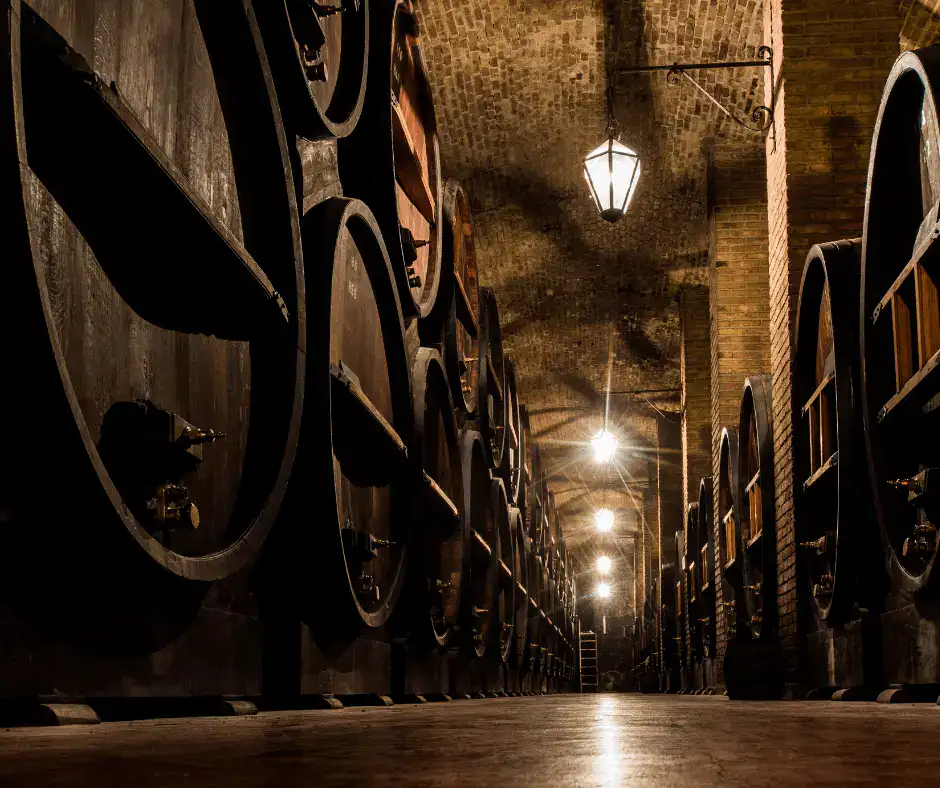
The winery experience varies. Some estates are polished and contemporary. Others operate out of historic cellars that have been in use for generations. There’s strong regulation and deep tradition behind many labels.
Tuscany isn’t just a wine region. It’s a cultural region where wine is an essential part of the identity.
Mendoza: A Wine-Centered Escape
Mendoza feels more intentional from the start. You don’t usually add Mendoza casually to a broader itinerary. If you’re going, it’s often because you specifically want a wine-focused experience.
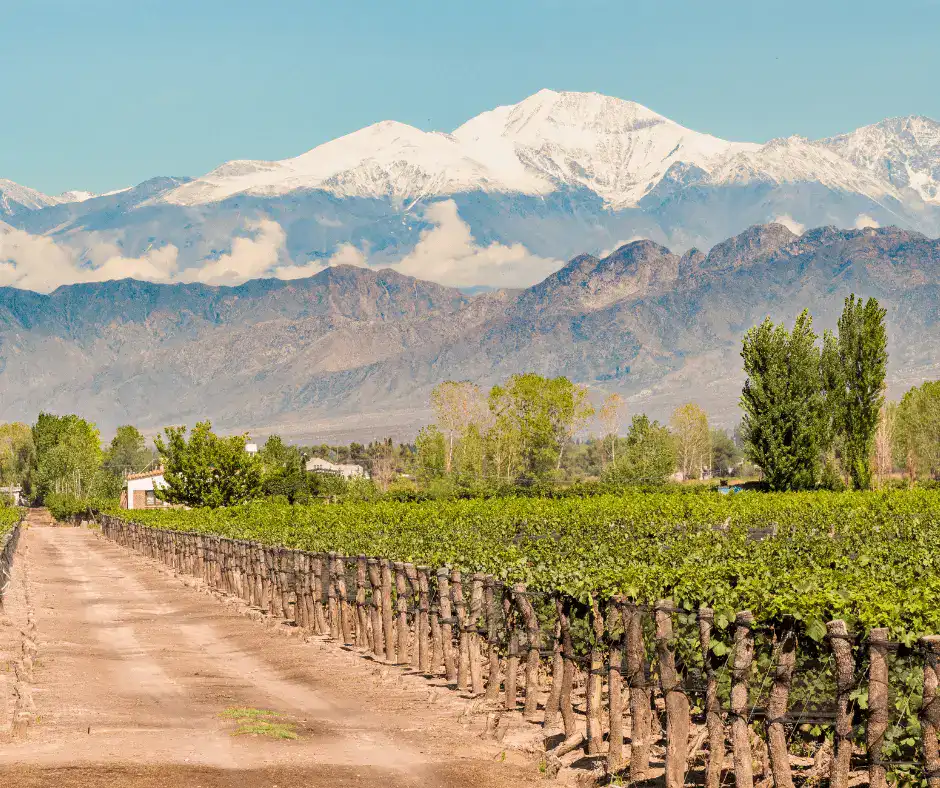
The setting is dramatic; vineyards set against the Andes, a backdrop that defines Argentina’s wine country. The landscape feels wide and open, and the high-altitude climate shapes the wine in a noticeable way.
Malbec dominates. It’s full-bodied, fruit-forward, and structured, with dark berry notes and smooth but firm tannins. Cabernet Franc is also excellent here. The wines often feel bold and immediately expressive. If someone loves Napa Cab or richer reds, Mendoza is a great choice.
The rhythm of the trip is different, too. Most travelers stay in one area, often the Uco Valley, and build days around two wineries and a long lunch. Tastings are relaxed. Meals are thoughtful and unhurried. There’s less movement between towns and more immersion in the winery experience itself.
Culturally, Mendoza leans into Argentine hospitality, open-fire cooking, mountain scenery, and a slower pace. There aren’t medieval villages layered into every afternoon. The wine remains the anchor of the trip.

So How Do You Choose?
Tuscany tends to appeal to travelers who want wine woven into a larger cultural experience, while Mendoza tends to appeal to those who want wine to be the primary focus. One moves more, between towns, art, architecture, and estates. The other settles in, into landscape, wineries, and long unhurried meals.
Neither is inherently better. They simply solve different travel goals.
If you’re deciding between the two, the better question isn’t which region produces better wine. It’s what you want your days to look like between tastings. That answer tells you everything.
If you’d like help planning either one, I’d love to talk through it with you.