
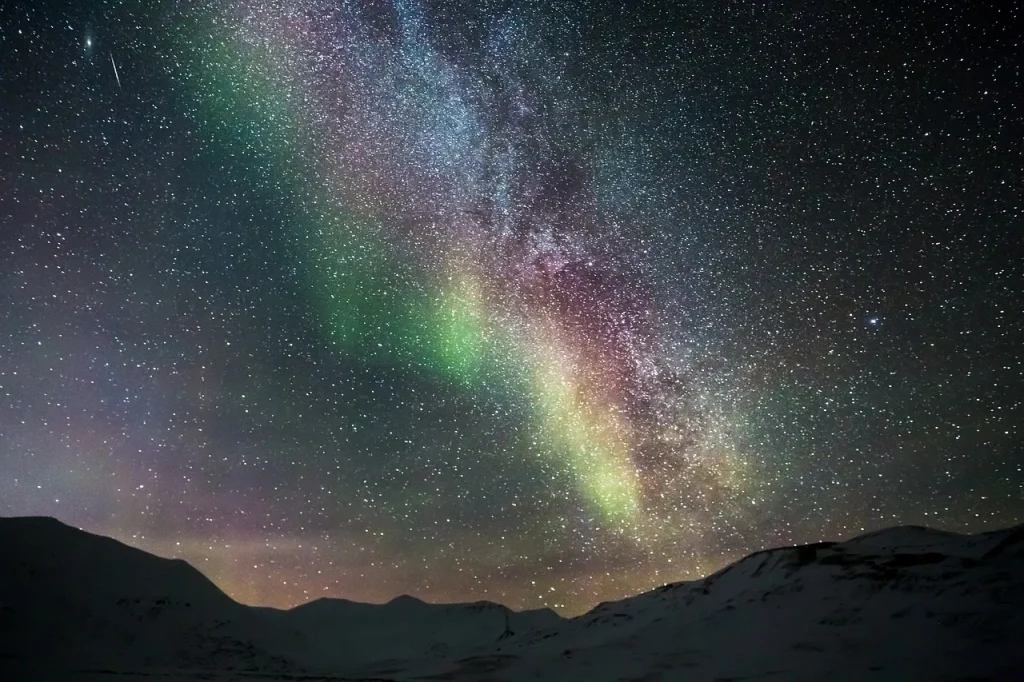
The Northern Lights are one of those things that live on almost everyone’s bucket list. And honestly, I get it. There is something about the idea of standing under a sky that is actively moving, shifting from green to violet to white, that feels less like weather and more like the planet putting on a show just for you.
I haven’t seen them yet. That’s the honest answer. But planning extraordinary trips is what I do, and this one has layers that matter if you want to come home with more than a blurry photo and a story about how the clouds rolled in at the wrong moment. So let’s talk about what actually goes into doing this trip right.
The Northern Lights appear within what’s called the auroral oval, a band that stretches across the far northern latitudes. That means your location matters enormously, and not every “Northern Lights destination” you see on Instagram gives you equal odds.
Tromsø, Norway is one of the most popular launching points for a reason. It sits squarely in the auroral zone, has a well-developed tour infrastructure, and the combination of fjords and open tundra gives you real options for getting away from city light. If you want a base with culture, restaurants, and guided experiences built around aurora chasing, Tromsø delivers.
Abisko, Sweden is a different kind of trip. It’s remote, quiet, and home to the Aurora Sky Station, which sits above the cloud line more often than almost anywhere else on the continent. If cloud cover has ruined past aurora attempts for people you know, Abisko is the answer to that problem. The microclimate there is genuinely unusual, and serious aurora seekers know it.
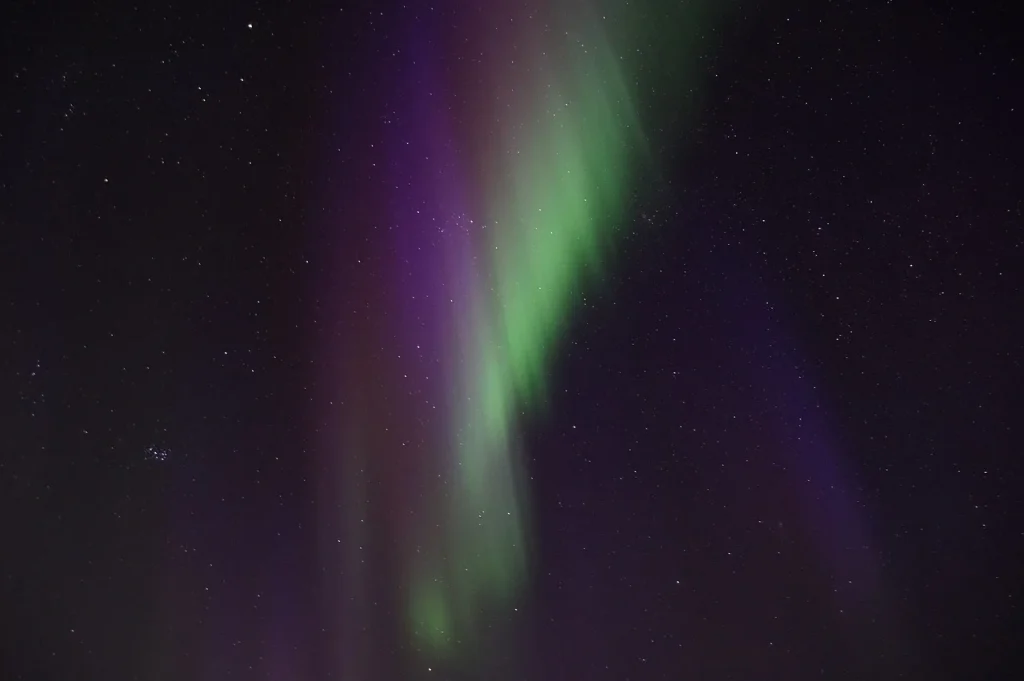
Reykjavik, Iceland gives you the flexibility of a major city combined with easy access to dark-sky spots like Thingvellir National Park. Iceland is also a place where the landscape itself is extraordinary, so even on a cloudy night when the lights don’t cooperate, you’re still somewhere worth being. That matters more than people realize when they’re in the middle of planning.
Fairbanks, Alaska is the option people overlook, especially if they want to see the lights without a transatlantic flight. Fairbanks sits directly under the auroral oval and sees frequent activity. The Chena Hot Springs Resort nearby has made a business out of pairing a warm soak with sky watching, which is honestly a very smart way to wait out the unpredictability.
Yellowknife, Canada is another underrated pick. The Northwest Territories have flat terrain, consistently dark skies, and some of the highest aurora sighting rates on record. If you’re a data person who wants the best statistical odds, Yellowknife belongs on your shortlist.
Rovaniemi, Finland rounds out the list and adds something the others don’t quite have: the glass igloo experience. Sleeping under a transparent roof while the lights potentially move overhead is its own kind of magic, and Finnish Lapland has built an entire hospitality industry around making that happen well.
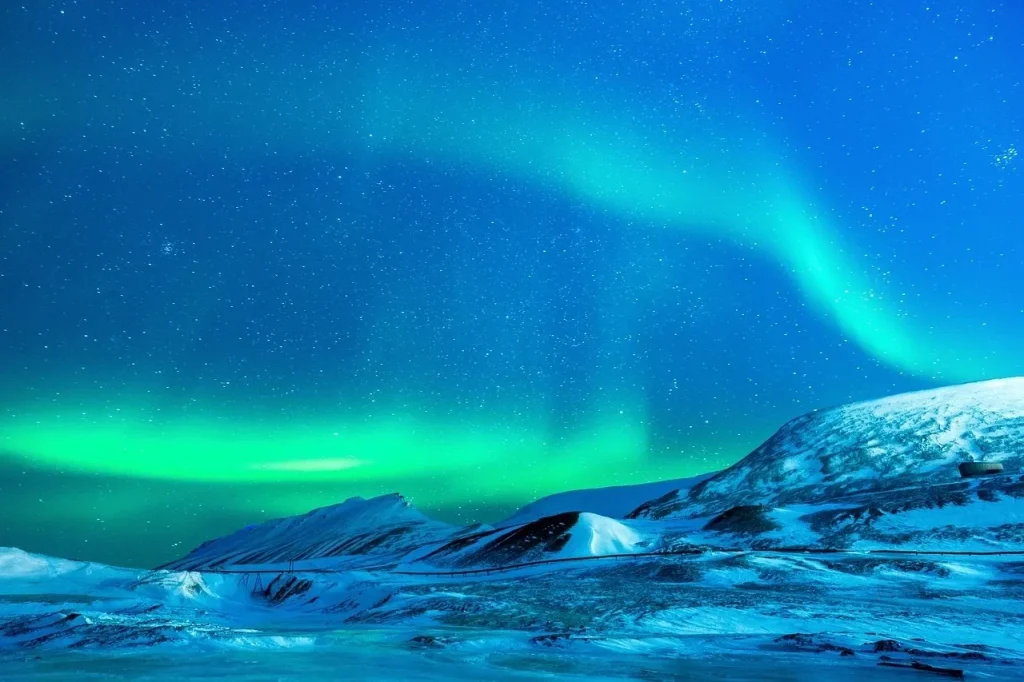
The aurora requires darkness, and that means you’re working within a specific window each year. September through March is the core viewing season, with the darkest, longest nights falling between November and February. Those middle months give you the best statistical chance of clear skies and strong activity, though they also come with the coldest temperatures of the year, so you need to be prepared for that honestly.
September and October have a lot going for them, especially if you’re sensitive to extreme cold. The nights are getting longer, aurora activity is ramping up, and the landscapes still have some color from autumn. March is the other shoulder season worth considering: the days are getting longer but aurora activity can still be strong, and the temperatures are beginning to soften.
Here’s the thing nobody wants to say directly: you can book the right destination in the right month and still not see the lights. Cloud cover, solar activity, and plain old timing are all variables. The KP index, which measures geomagnetic activity, is the number aurora chasers track obsessively. A KP of 5 or higher typically means a strong display, and sites like Space Weather (spaceweather.com) give you real-time forecasts.
The practical implication of all this is that you want to build your trip with flexibility in mind. A three or four night stay gives you multiple opportunities in a way that a single overnight simply doesn’t. Guided tours also help here because experienced guides track conditions in real time and know where to position you for the best view on any given night.
Dress for it properly. This isn’t a situation where you push through mild discomfort for a few minutes. You might be standing outside in sub-zero temperatures for an hour or more. Layering, hand warmers, and proper boots aren’t optional.
Bring a camera that can handle long exposure settings, or plan to use a tripod with your phone. The lights move quickly and standard phone shots without stabilization tend to disappoint. Your guide will usually have tips for this too.
And be patient. This is a trip that teaches you something about surrendering control, which is not always comfortable but tends to make the moment when it finally happens feel like something you actually earned.
If you’ve been dreaming about this one and you’re ready to actually plan it, I’d love to help you put together a trip that gives you a real shot at that sky. Reach out here and we’ll figure out the right destination, timing, and experience for you.