

There is no shortage of ways to celebrate the Fourth of July, but one of the most meaningful is to actually go see the places that made this country what it is. America’s landmarks are not just photo opportunities. They are the physical record of everything that was fought for, built, debated, and decided over the course of nearly 250 years. From the granite faces of the Black Hills to the harbor of New York, these are the places that tell the American story in a way that stays with you long after you head home.
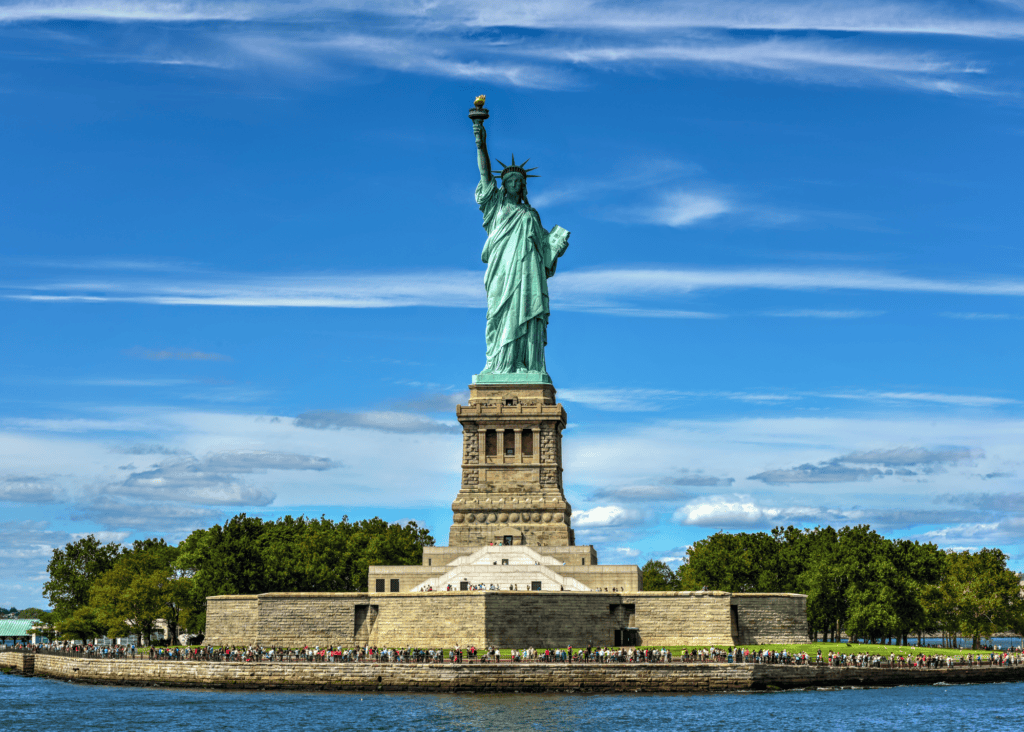
There is something genuinely moving about seeing the Statue of Liberty from the water for the first time, even if you have lived near New York your entire life. A gift from France in 1886, she has stood at the entrance of New York Harbor through every chapter of American history, welcoming millions of immigrants who arrived with nothing but hope. Ellis Island sits just steps away and completes the story. Between 1892 and 1954, over 12 million immigrants passed through its doors, many of them carrying everything they owned, chasing the promise of a new life in America. Together these two landmarks tell one of the most powerful and deeply human stories this country has. Take the ferry from Battery Park, book tickets in advance, and give yourself enough time to do both justice.

The National Mall is one of the most powerful stretches of ground in the country. Walking from the Capitol Building toward the Lincoln Memorial, with the Washington Monument rising above the Reflecting Pool, gives you a physical sense of the weight of American history that no textbook can replicate. The World War II Memorial, the Vietnam Veterans Memorial, and the Korean War Veterans Memorial each deserve more than a passing glance. Give yourself a full day here and plan to walk slowly..
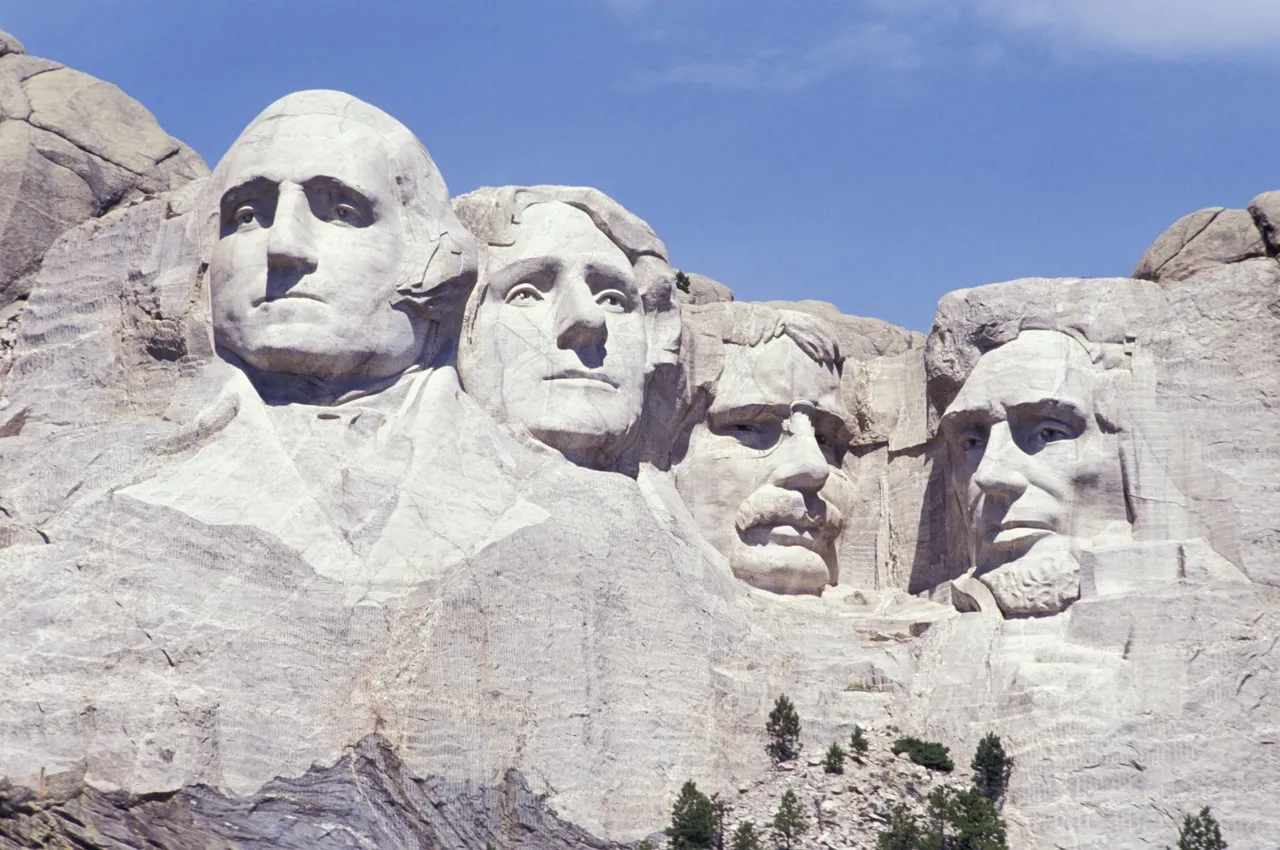
The scale of Mount Rushmore surprises most first-time visitors. The faces of Washington, Jefferson, Theodore Roosevelt, and Lincoln carved into the granite of the Black Hills are enormous, and the surrounding landscape of the Badlands and Black Hills region is stunning in its own right. This is not a destination to rush. The surrounding area, including Custer State Park and Wind Cave National Park, makes it worth building a several-day trip around rather than a quick stop.

Fort McHenry does not always make the top of American travel lists, and that is exactly why it deserves a spot on yours. This is the site that inspired the national anthem. On the night of September 13, 1814, British forces bombarded the fort for 25 hours straight during the War of 1812. When Francis Scott Key saw the American flag still flying above the fort the following morning, he was so moved that he wrote the poem that became the Star Spangled Banner. Standing inside the fort and looking out over Baltimore Harbor, knowing what held here that night, is one of those quietly powerful moments that reminds you why certain places matter. The star shaped fort is beautifully preserved, the National Park Service does an excellent job bringing the history to life, and the surrounding waterfront makes it a full and satisfying day. For a July 4th themed trip, it is hard to think of a more fitting stop.
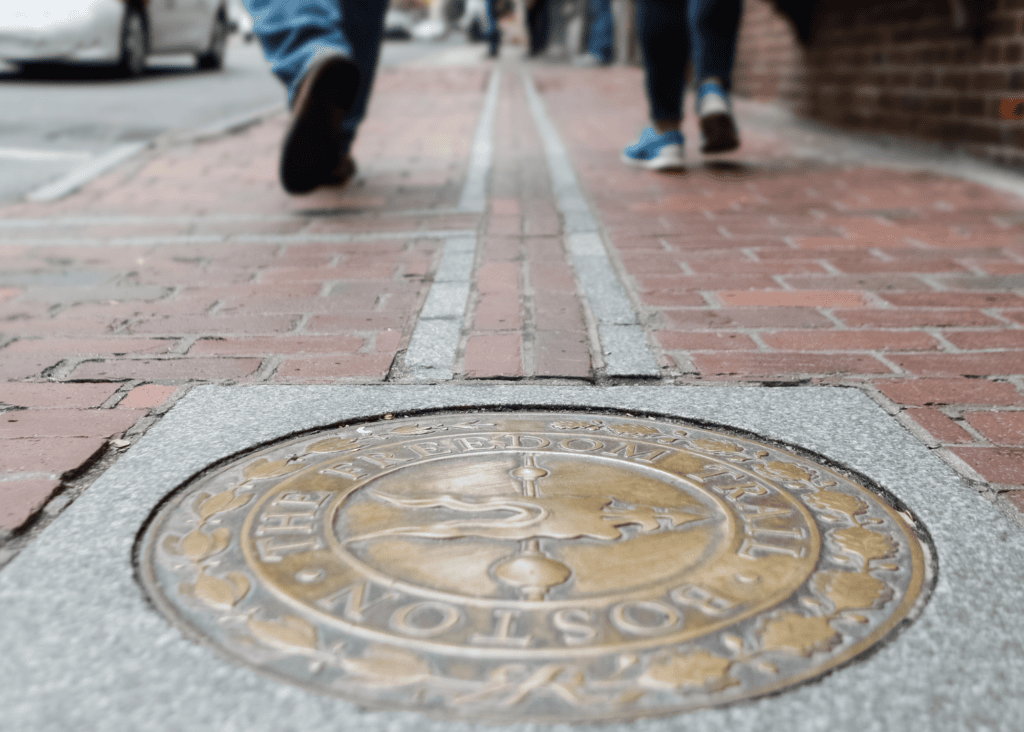
Boston is one of America’s most walkable cities and the Freedom Trail is the best way to move through its history. The 2.5 mile red brick path winds past 16 historically significant sites including the Old North Church, Paul Revere’s House, Faneuil Hall, and the Bunker Hill Monument. It is the kind of walk that makes history feel present rather than distant, and the city itself, with its neighborhoods, seafood, and energy, is well worth a longer stay.
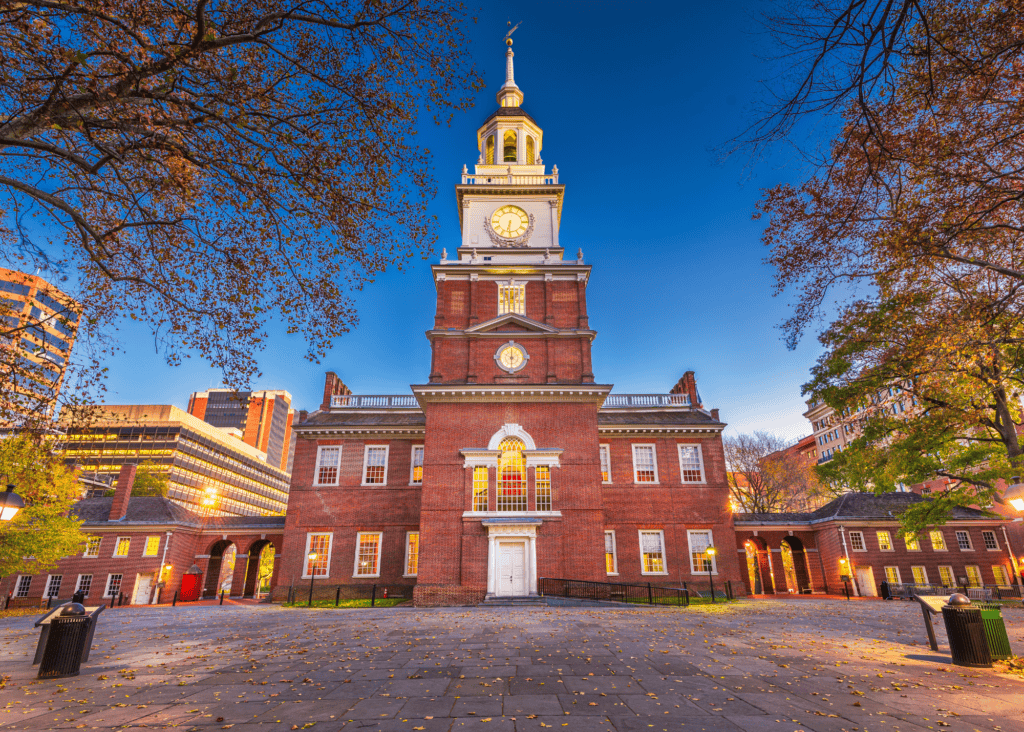
If there is one building in America that deserves to stop you cold, it is Independence Hall. This is where the Declaration of Independence was debated and signed in 1776, and where the United States Constitution was drafted eleven years later. Standing in the Assembly Room where those conversations actually happened is one of those quiet, powerful travel moments that is hard to fully describe until you experience it. The Liberty Bell is just steps away, and the surrounding historic district gives you a full day of context and history that feels genuinely alive rather than museum-packaged.

America is vast, complicated, and endlessly worth exploring. These landmarks are not just destinations on a map. They are the places where the country was imagined, built, tested, and preserved. This Fourth of July, consider trading the usual routine for a road trip to one of them. There is no better way to celebrate what this country is than to go see it for yourself.
If you are ready to start planning an American adventure, I would love to help.