
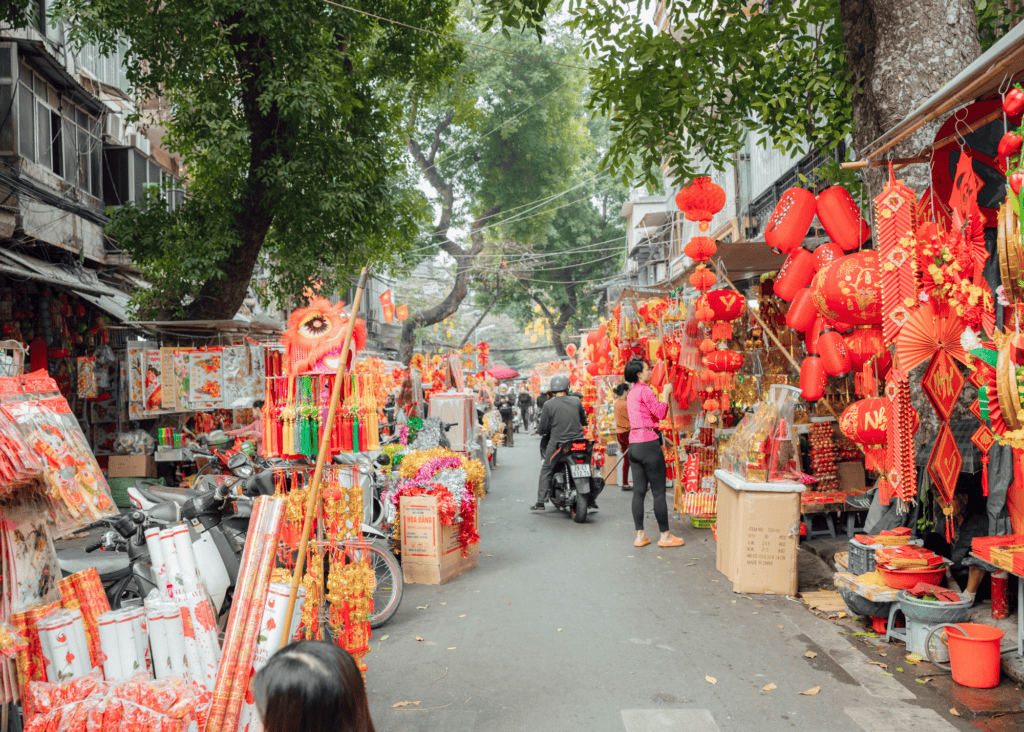
The trips that stay with you longest are rarely the ones where you saw the most things. They are the ones where you felt something shift. A meal cooked by someone’s grandmother in a language you do not speak. A festival that fills an entire city with color and sound and meaning you are only beginning to understand. A craft learned from an artisan who has been doing it the same way for forty years. That is cultural travel, and it is a fundamentally different way of moving through the world.
It is not about checking sites off a list. It is about finding the rhythm of a place and letting yourself settle into it, even briefly. The traveler who spends three days wandering a single neighborhood in Marrakech, eating where locals eat and watching how daily life actually unfolds, comes home changed in a way the traveler who hit six cities in ten days simply does not.
Cultural immersion looks different depending on where you are and what you are drawn to. Here are some of the destinations that do it especially well, and what that experience can actually look like.
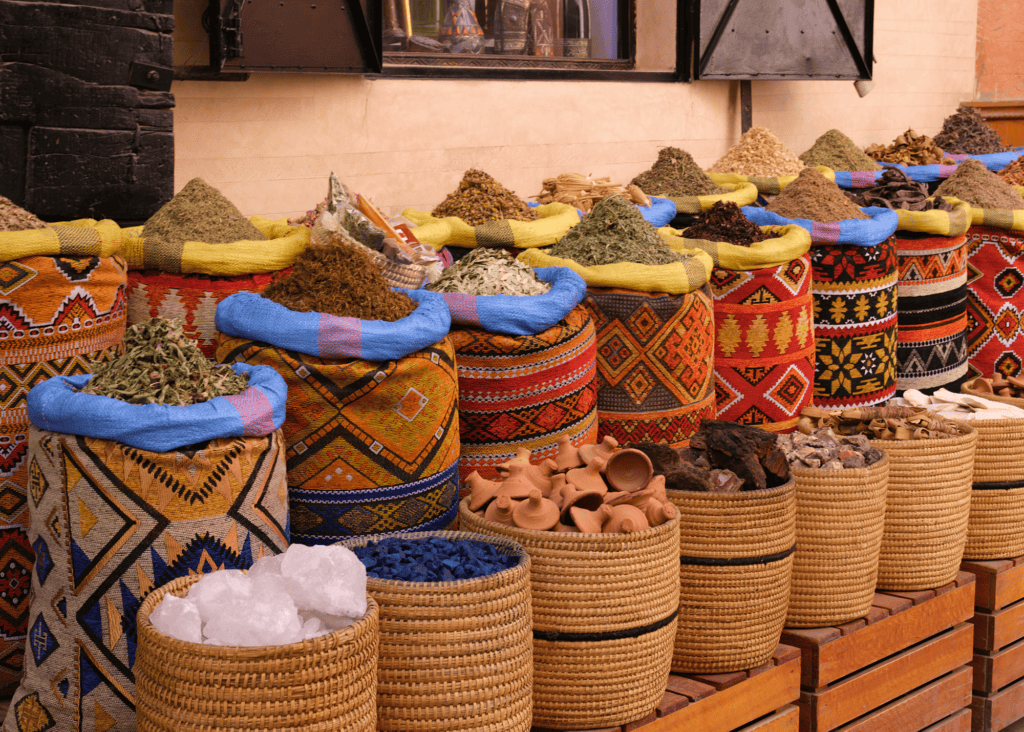
Marrakech is one of the most sensory-rich destinations in the world, and I say that as someone who has been there. The souks are layered and disorienting in the best way, full of spice vendors, textile weavers, metalworkers, and pottery artisans who have been practicing their craft their entire lives. Spending time with them, learning even a fraction of what goes into what they make, is a completely different experience than simply buying something and walking away. An evening in a traditional riad, with a home-cooked meal and genuine conversation about Moroccan hospitality and culture, is the kind of thing you remember for years.
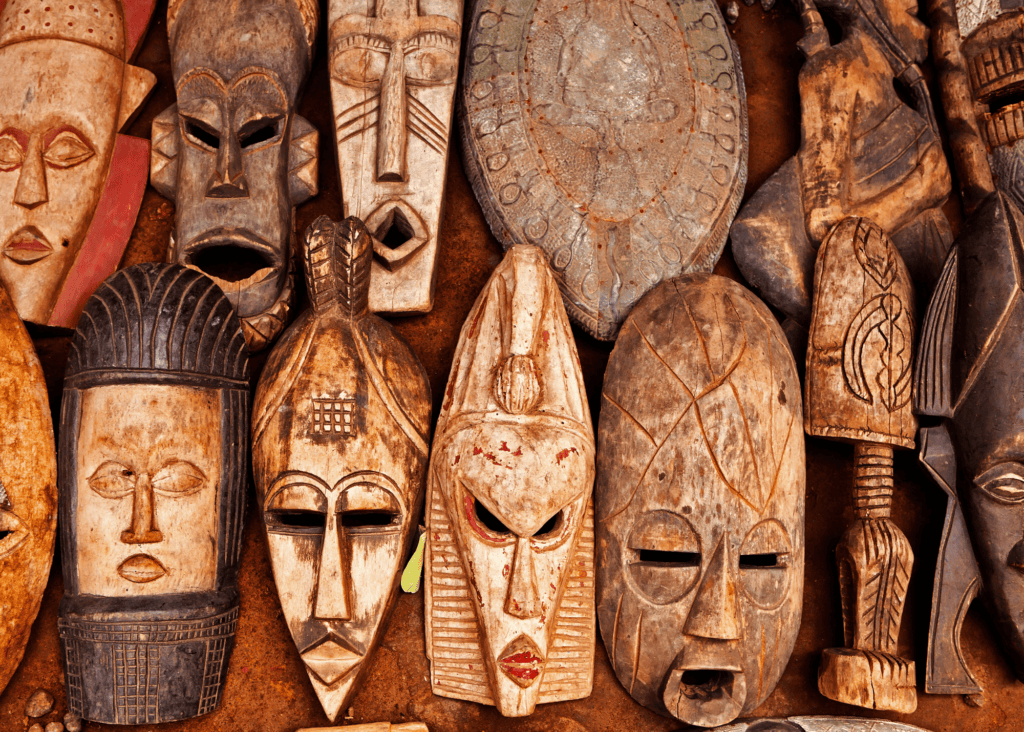
Ghana offers some of the most meaningful cultural experiences available anywhere on the continent. A Kente weaving workshop in the Ashanti region connects you directly to one of West Africa’s most significant artistic traditions, with patterns and colors that carry specific cultural meaning rather than just visual appeal. Community drumming and dance sessions are not performances staged for tourists but living expressions of Ghanaian culture that you are invited into. Visiting local schools and community projects adds another layer, grounding the trip in the daily reality of people’s lives rather than a curated version of it.

A traditional tea ceremony in Kyoto is the kind of experience that reveals how much intention can be built into something that looks, on the surface, like simply making and drinking tea. The rituals, the silence, the precision of every movement, all of it carries meaning that becomes clear only when someone walks you through it. Pairing that with time at local Shinto shrines and Buddhist temples, learning about the beliefs and practices that shape daily life in Japan, creates a cultural depth that no amount of sightseeing alone can replicate.
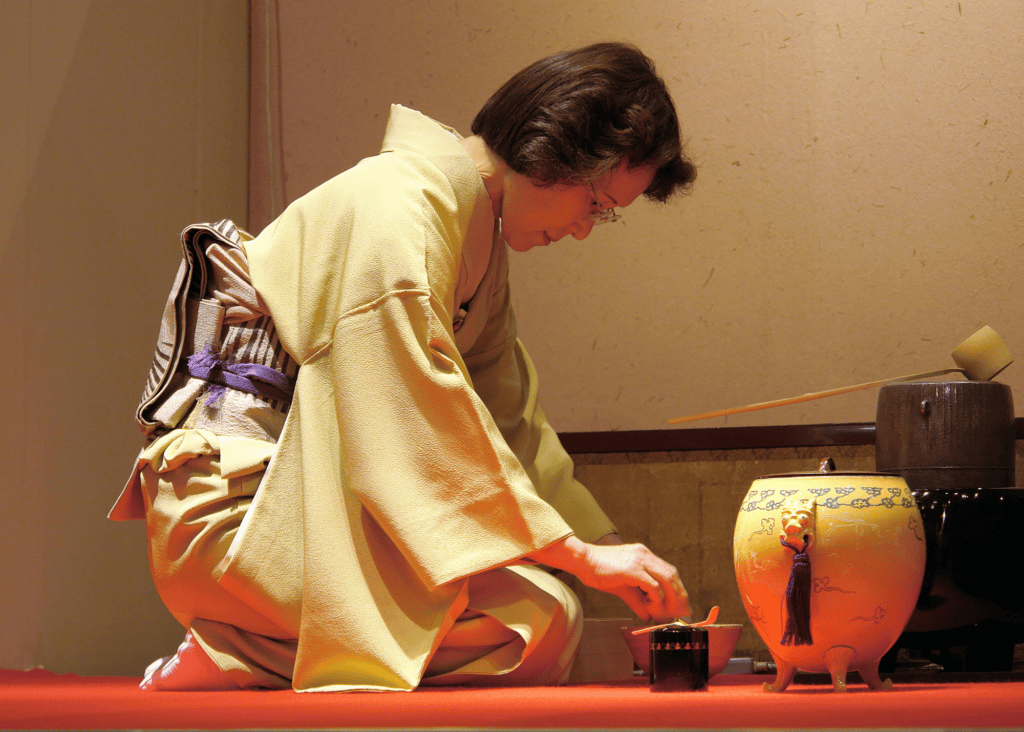
A traditional tea ceremony in Kyoto is the kind of experience that reveals how much intention can be built into something that looks, on the surface, like simply making and drinking tea. The rituals, the silence, the precision of every movement, all of it carries meaning that becomes clear only when someone walks you through it. Pairing that with time at local Shinto shrines and Buddhist temples, learning about the beliefs and practices that shape daily life in Japan, creates a cultural depth that no amount of sightseeing alone can replicate.

India rewards travelers who are willing to engage rather than observe from a distance. Participating in a Holi festival celebration, with its eruption of color and music marking the arrival of spring, is the kind of full-sensory experience that is impossible to replicate. Spending time in a rural village with local artisans, learning traditional crafts that have been passed down through generations, offers a quieter but equally profound counterpoint. India can feel overwhelming, which is exactly why the right planning makes such a significant difference.

Turkey sits at the crossroads of East and West in a way that shapes everything about its culture, its food, its architecture, its music, and its daily rhythms. Istanbul alone could occupy a traveler for weeks without exhausting its cultural depth. The Grand Bazaar is one of the oldest and largest covered markets in the world, and spending real time there with a knowledgeable guide reveals a trading culture that has been alive for centuries. A traditional Turkish cooking class, a hammam experience, a morning at a local tea house watching the city wake up, these are the moments that make Turkey feel less like a destination and more like a discovery. I keep falling in love with this country every time I go back, and for good reason.

Italy rewards travelers who slow down enough to actually learn something while they are there. A painting class in Florence, surrounded by Renaissance architecture and within walking distance of the Uffizi, is a completely different experience than touring the gallery alone. Learning about fresco techniques, understanding what Michelangelo and Leonardo were actually working against and toward, and then trying your own hand at something, gives you a relationship with the art that a museum audio guide simply cannot. Pair that with time in the Tuscan countryside learning about local food and wine traditions, and Italy becomes something much richer than beautiful backdrops.
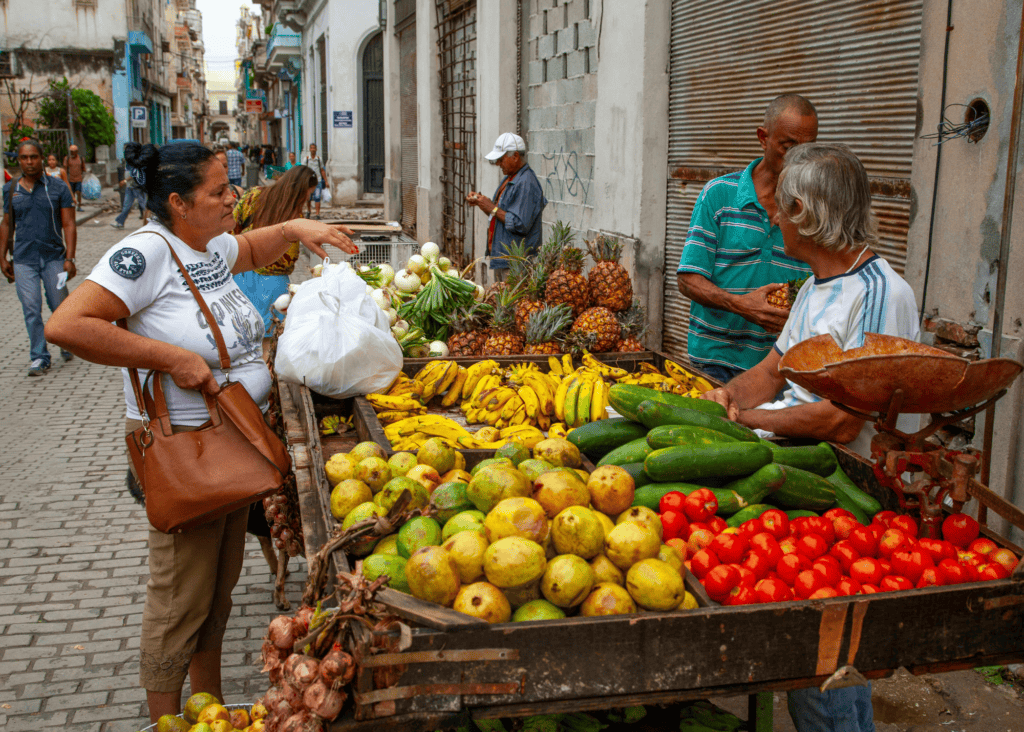
Greece’s cultural depth extends far beyond its ancient ruins, though those alone are worth the journey. The Orthodox traditions that shape the Greek calendar, the local festivals that fill village squares with music and food and dancing, the way meals are treated as long, unhurried social events rather than fuel stops, all of it points to a culture that is deeply lived rather than performed for visitors. Spending time on the mainland, in the Peloponnese, or in smaller island communities where locals still outnumber tourists gives you access to a Greece that feels genuinely authentic. Sit long enough at a taverna, and someone will almost certainly pull up a chair and join you.
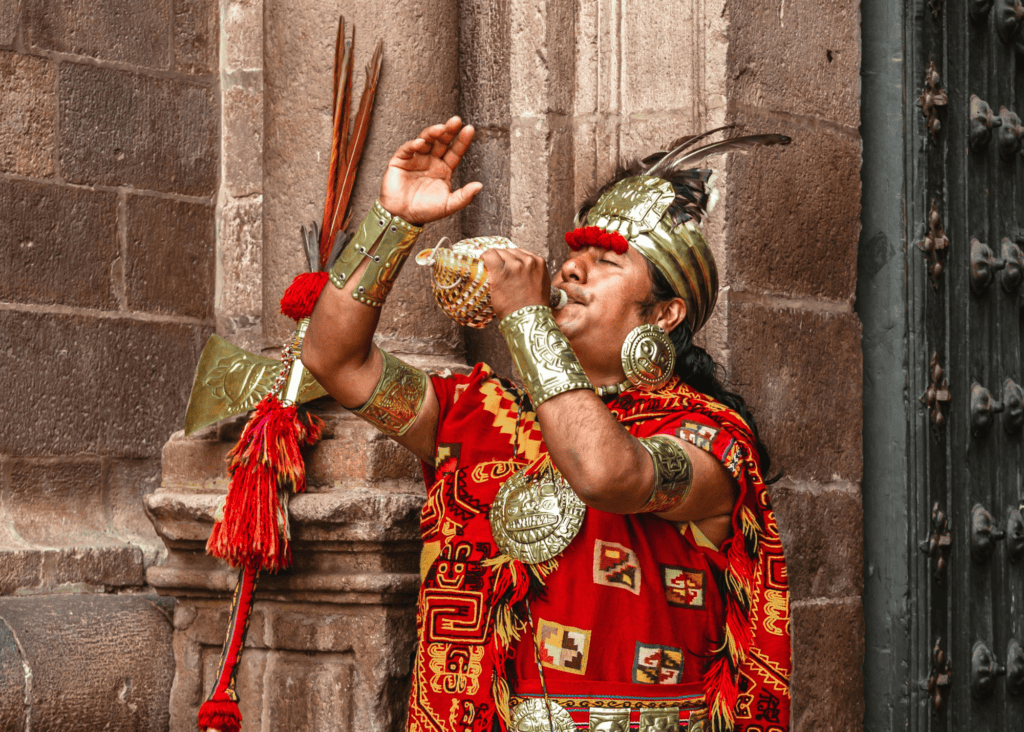
I have been to Peru and to the Sacred Valley, and the experience of visiting a local Andean community to learn about traditional weaving is one I would recommend to almost anyone. The patterns are not decorative. They carry meaning, history, and identity that has been passed down for generations. Combining that with time at Machu Picchu, approached thoughtfully and with a knowledgeable guide, creates a trip that feels like a genuine education rather than a bucket list check.
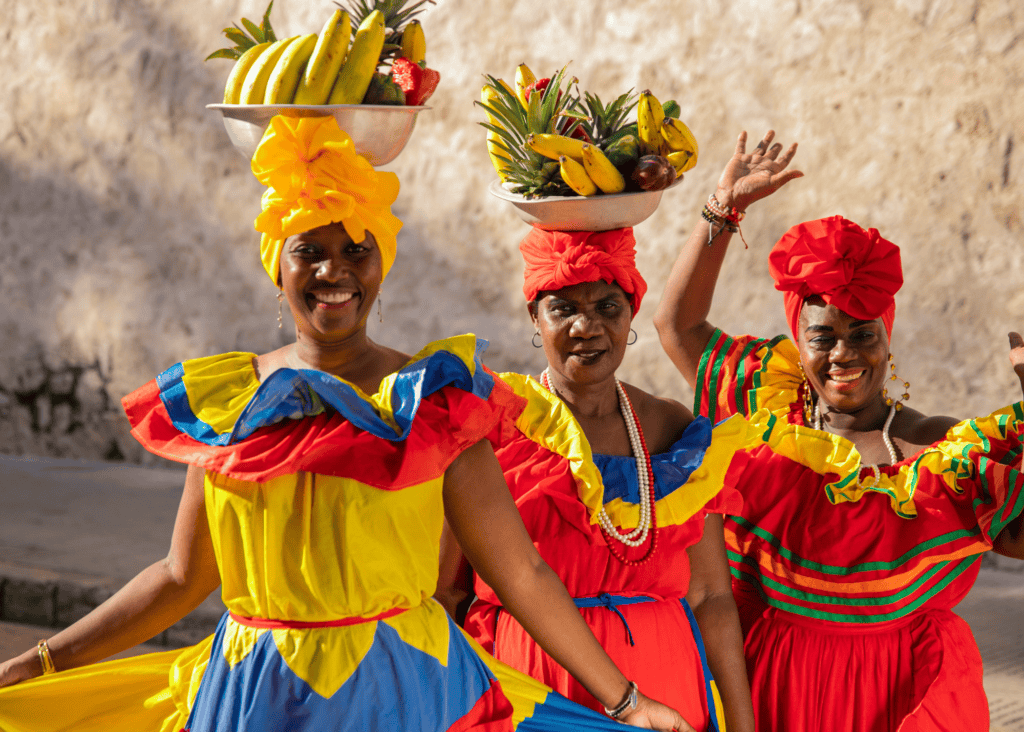
Colombia’s cultural richness surprises most first-time visitors, partly because the country is still shaking off an outdated reputation that no longer reflects its reality. Cartagena’s walled old city is one of the most beautiful and historically layered urban spaces in the Americas, with Afro-Colombian music, food, and art traditions woven into everyday life. The coffee region offers a completely different experience, slower and greener, built around the culture of coffee farming and the communities that have sustained it for generations. Medellín adds another layer entirely, a city that has reinvented itself through art, design, and an extraordinary civic pride that you can feel the moment you arrive. Colombia rewards curious travelers enormously.
Cultural and experiential travel changes how you see the world, and more importantly, how you see the people in it. It builds empathy in a way that is hard to manufacture any other way. It challenges the assumptions you did not even know you were carrying. And it gives you stories worth telling, not because they are impressive, but because they are real.
The best version of this kind of trip does not happen by accident. It is built around the right destinations, the right guides, the right pacing, and the right access. That is exactly what I love helping travelers figure out.
If you are ready to plan a trip that goes deeper than the surface, I would love to help you design it.