
Of the original Seven Wonders of the Ancient World, only one is still standing: the Great Pyramid of Giza. The others disappeared through earthquakes, fires, war, and thousands of years of history. But they were hardly the last extraordinary places humans created.
All over the world, there are places that make you wonder how anyone built them at all. Cities carved into mountains. Temples swallowed by jungle. A wall that seems to go on forever. A white marble mausoleum that somehow looks even more beautiful in person than it does in photographs.
I’ve visited six of the ten places on this list myself, and I can tell you that some of the world’s most famous sights really do live up to the hype. These aren’t places I’d fly halfway around the world to photograph and leave, though. They’re the starting points for some pretty incredible trips.
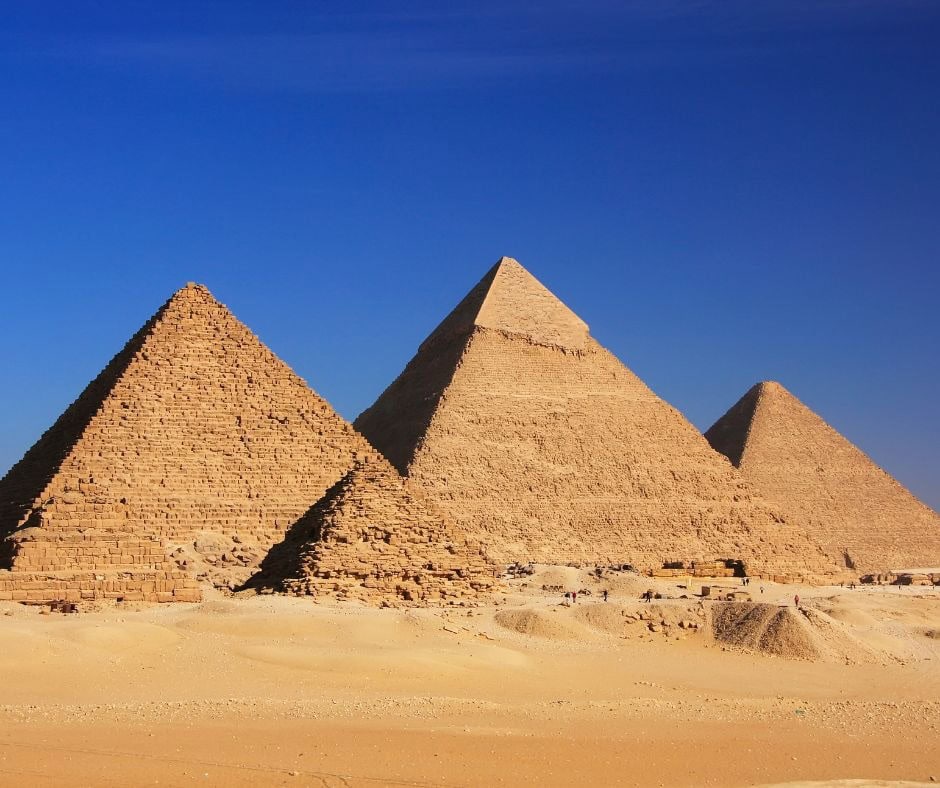
If we’re talking about wonders of the world, we have to start here. The Great Pyramid of Giza is the only one of the original Seven Wonders still standing, more than 4,500 years after it was built. That alone is hard to wrap your head around.
What photographs don’t really show is the scale of the whole Giza Plateau. There isn’t just one pyramid sitting by itself in the desert. You have the Great Pyramid, the pyramids of Khafre and Menkaure, smaller pyramids and tombs, and, of course, the Great Sphinx. And just beyond all of that is modern Cairo, which is much closer than those classic desert photographs would have you believe.
I wouldn’t go to Egypt just to check the pyramids off a list. Cairo is only the beginning. Luxor has temples and tombs that are every bit as fascinating, and farther south you have Aswan, Abu Simbel, and the Nile. Egypt is one of those places where the more you start looking into a trip, the longer your list gets.
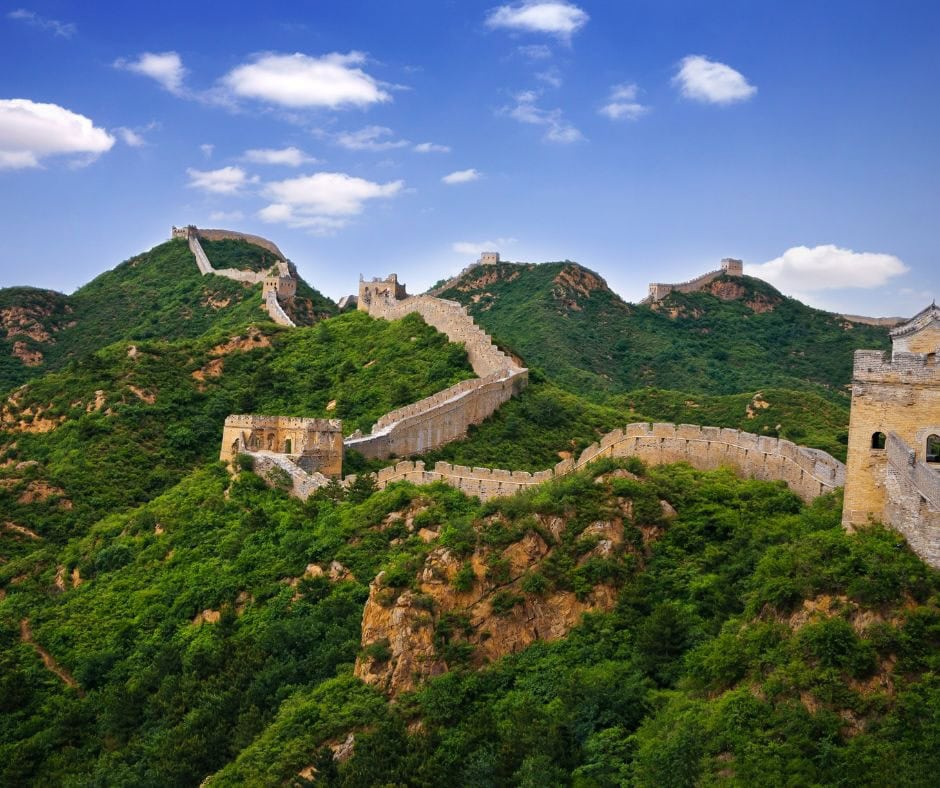
The Great Wall is another place where photographs don’t quite explain what you’re looking at. It stretches over mountains and ridges, disappears into the distance, and then seems to pop up again somewhere impossibly far away.
And despite the name, it isn’t really one wall. Different walls and fortifications were built, connected, rebuilt, and expanded over centuries. Today there are several sections you can visit from Beijing, and choosing the right one can completely change the experience. Badaling is the best known and busiest, while Mutianyu gives you beautifully restored sections with mountain scenery and usually fewer crowds.
I think this is one of those places you need to actually walk. You don’t have to hike for miles, but standing on the wall and looking at it snake across the mountains gives you a completely different sense of its size than seeing it from a viewpoint.
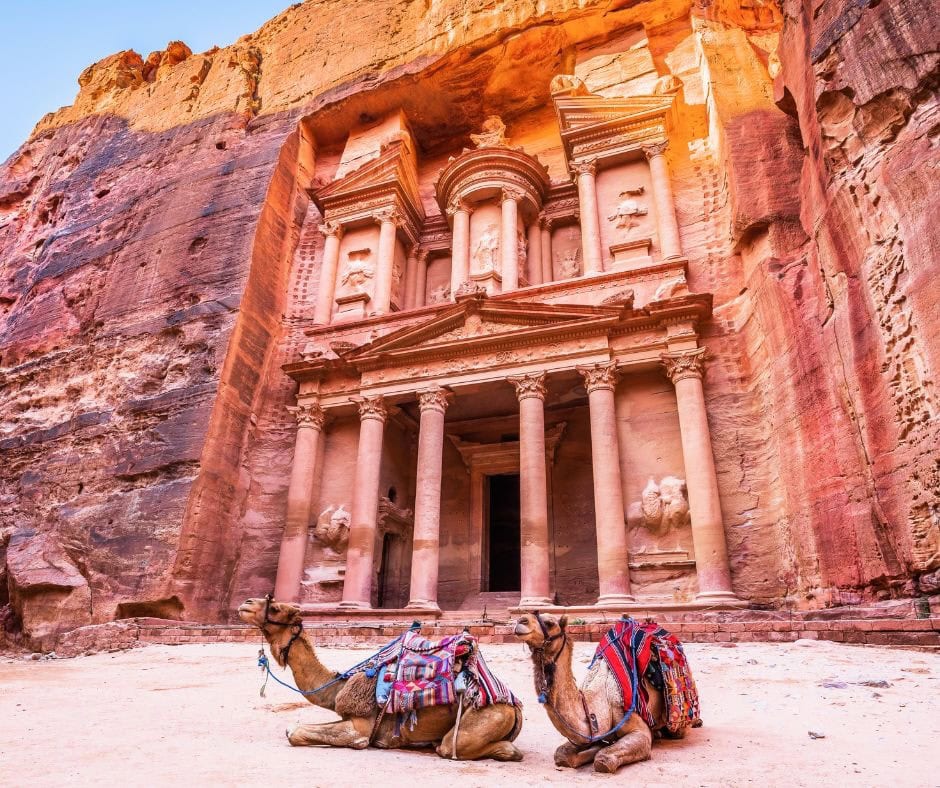
For centuries, Petra had largely disappeared from Western knowledge, although local Bedouin communities knew it was there. In 1812, Swiss explorer Johann Ludwig Burckhardt traveled through the region disguised as a Muslim traveler. He had heard stories about ancient ruins hidden in the mountains and convinced a local guide to take him there, bringing Petra back to the attention of the Western world.
Even the way you enter Petra sounds like part of the adventure. You walk through the Siq, a narrow canyon with towering sandstone walls, until the Treasury suddenly appears through an opening in the rock. It’s the view everyone knows, but the Treasury is only a small part of what was once a thriving Nabataean city. Tombs, temples, caves and ancient streets extend far beyond it, with the Monastery waiting at the top of hundreds of stone steps.
This isn’t somewhere I’d want to rush through in a couple of hours. Petra deserves a full day, and it’s only one reason to visit Jordan. Add Amman, Jerash, the Dead Sea and Wadi Rum, and Petra becomes the centerpiece of a much bigger trip.
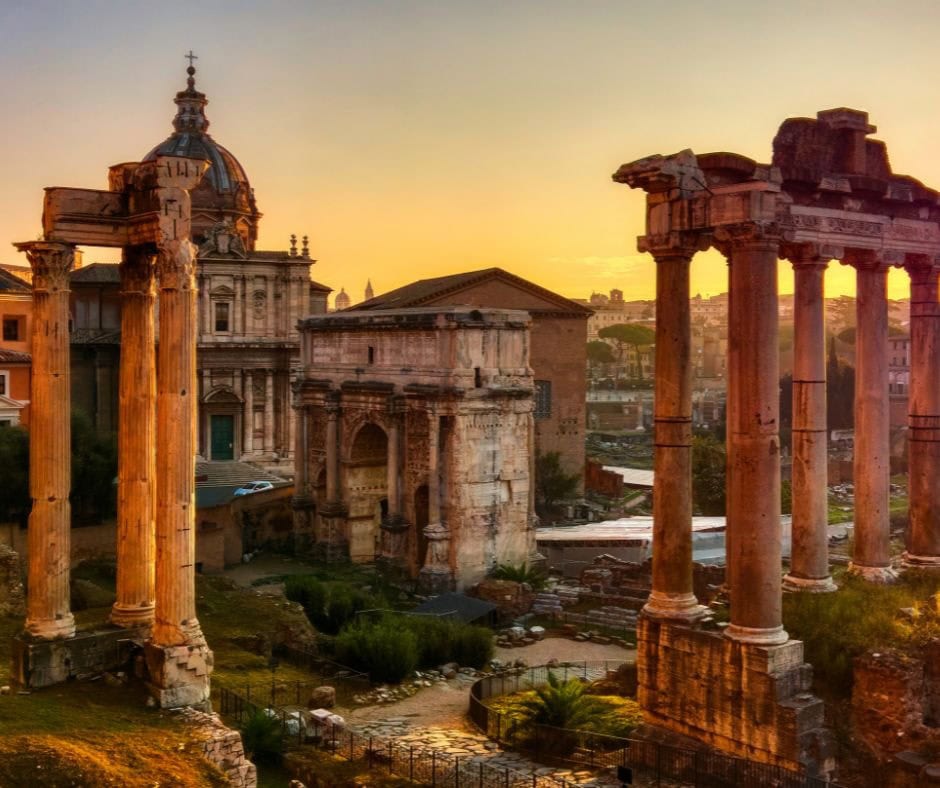
Rome is almost ridiculous when it comes to history. You can be walking to dinner, turn a corner, and suddenly there’s a 2,000-year-old ruin sitting between perfectly ordinary city streets.
The Colosseum is one of those famous landmarks that still impresses me every time I see it. But I wouldn’t visit the Colosseum without also spending time in the Roman Forum. Together they give you a much better idea of what ancient Rome actually looked like. The Forum wasn’t some distant archaeological site outside the city. This was the center of Roman public life, filled with temples, government buildings and gathering places.
I’ve visited Rome more than once, and this is somewhere I really recommend going with a good guide. Otherwise, you can find yourself looking at a pile of ancient stones thinking, “Well, I’m sure that was important.” Once someone starts showing you what stood where and what happened there, the whole place comes alive.
And that’s one of my favorite things about Rome. You can spend the morning in the ancient world, have pasta for lunch, wander into a beautiful church you weren’t even looking for, and end the day with gelato by the Trevi Fountain. The history isn’t separated from the city. It’s everywhere.
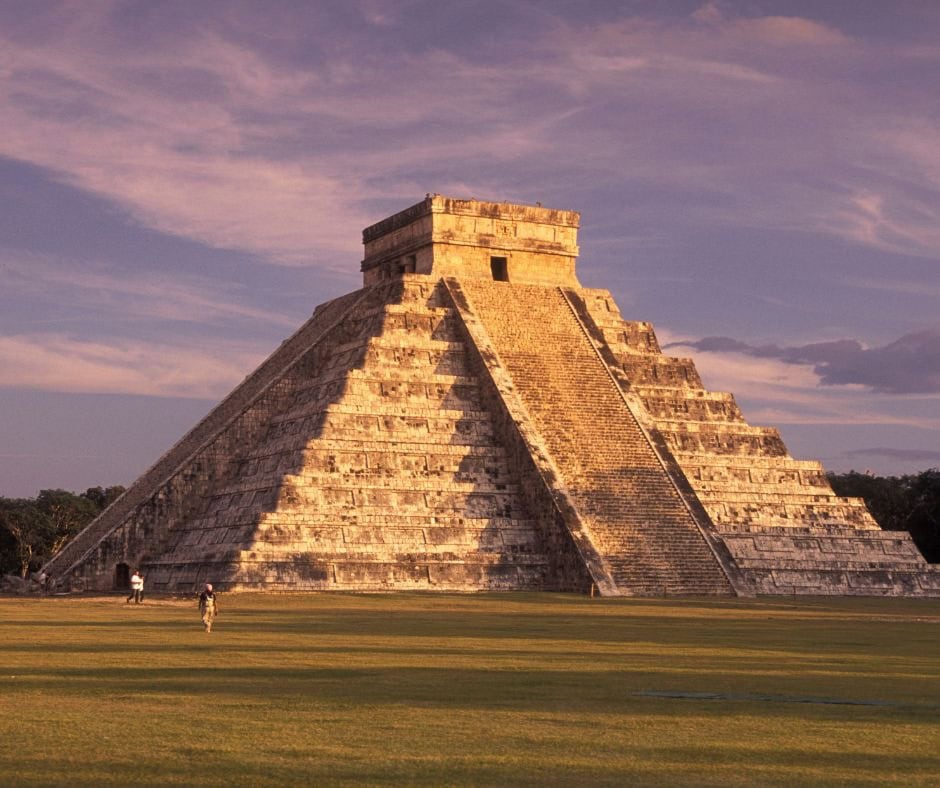
A lot of travelers go to the Riviera Maya for the beaches and never get very far beyond their resort. I think that’s a mistake, because the Yucatán has so much more to see.
Chichén Itzá is one of the best known Maya sites in Mexico, and El Castillo is the pyramid everyone recognizes. But once you’re there, you realize the site is much larger. There’s the enormous Great Ball Court, the Temple of the Warriors, an ancient observatory and other structures that reveal just how advanced Maya civilization was.
This is another place where I’d spend the money on a guide. There are details and stories behind what you’re seeing that aren’t obvious when you’re simply walking around taking pictures.
You can visit Chichén Itzá on a long day trip from the Riviera Maya, but I’d rather make it part of a bigger Yucatán trip if you have the time. Add Valladolid, swim in a cenote, eat somewhere that isn’t attached to a resort, and suddenly you have a very different Mexico vacation.
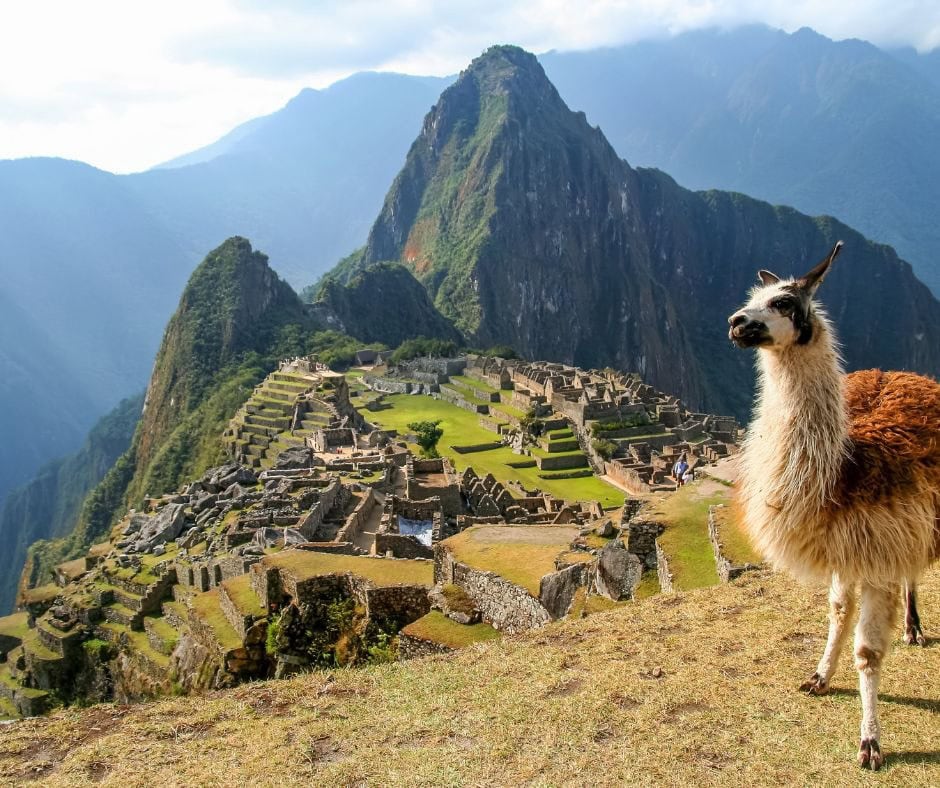
I had wanted to see Machu Picchu for years, and this was one of those places where I wondered whether I had built it up too much in my head. I hadn’t.
There is something about actually standing there, surrounded by those steep green mountains, that photographs just don’t capture. You’ve seen that classic view of Machu Picchu hundreds of times, but seeing it spread out below you is completely different.
What I also loved was that Machu Picchu wasn’t the entire trip. Cusco is fascinating, and the Sacred Valley is beautiful. Ollantaytambo has its own Inca ruins and cobblestone streets, and even the train ride toward Machu Picchu takes you through incredible mountain scenery. By the time you finally arrive, it feels like the culmination of the trip rather than one isolated attraction.
And no, you do not have to hike the Inca Trail to see Machu Picchu. I think people sometimes cross Peru off their list because they assume getting there requires a multi-day trek. It doesn’t. You can absolutely experience Machu Picchu without turning your vacation into an endurance test.
This one lived up to everything I hoped it would be.
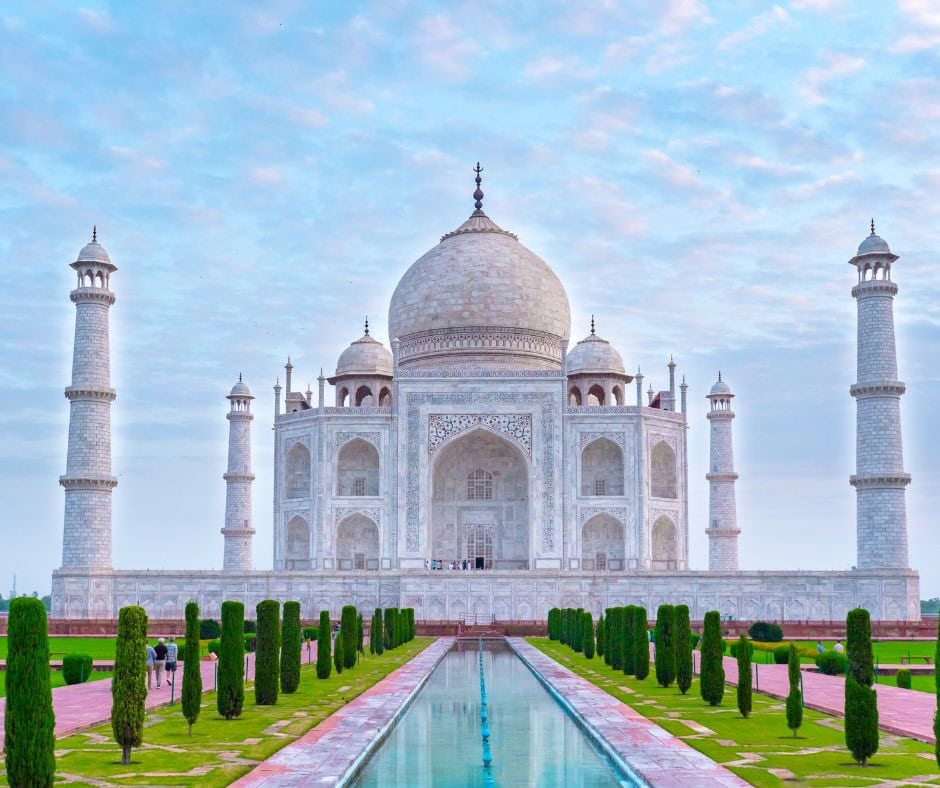
I wondered the same thing about the Taj Mahal. We’ve all seen it so many times in photographs that it almost feels familiar before you ever get there. Then you see it in person.
The Taj Mahal is one of the few places I’ve visited where I really did think, “Wow. It actually looks like that.” The white marble, the symmetry, the gardens, the reflecting pool, the details you don’t notice until you’re close to it. It is beautiful.
Of course, the story behind it is part of the fascination. Mughal emperor Shah Jahan had the Taj Mahal built as a mausoleum for his wife Mumtaz Mahal in the 17th century. It’s essentially one of history’s most extravagant monuments to love and loss.
But India is another destination where I would never fly in, see the famous monument, and leave. The Taj Mahal was incredible, but so was everything surrounding that part of my trip. Delhi is chaotic and fascinating. Jaipur brings palaces, forts and markets. India is colorful, noisy, beautiful, frustrating, fascinating and completely unlike anywhere else I’ve traveled.
The Taj may get you there. India is what you’ll remember.
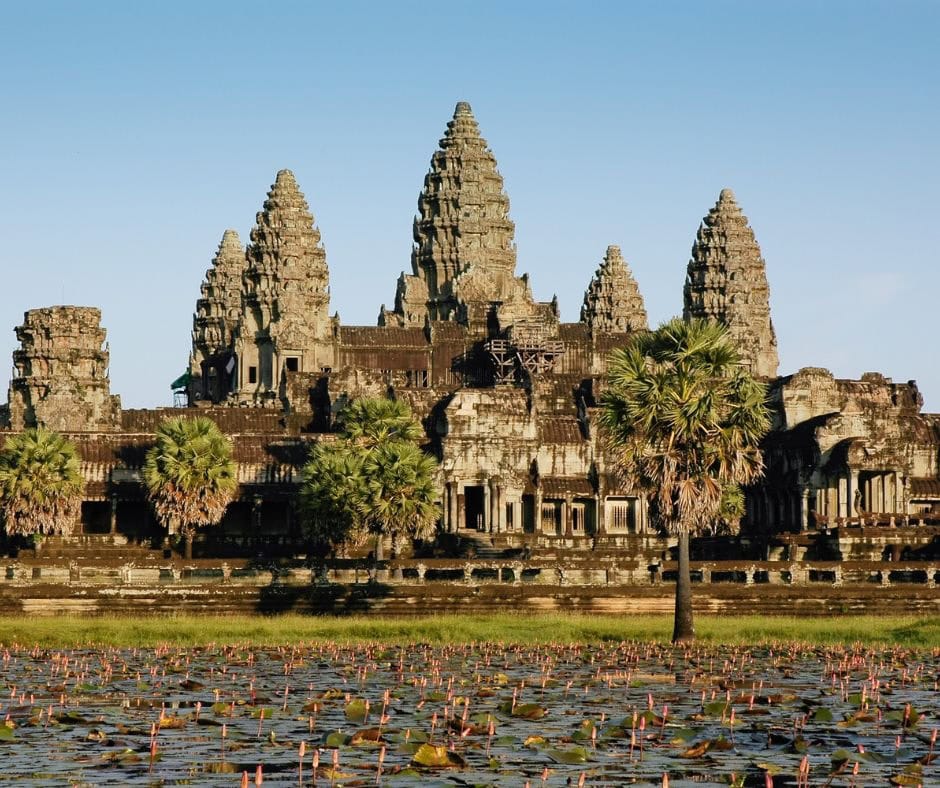
Before I went to Cambodia, I thought of Angkor Wat as one enormous temple. And yes, Angkor Wat itself is incredible. But what surprised me was how much more there is.
You could spend days exploring the temples around Siem Reap, and they don’t all feel alike. Angkor Wat is grand and symmetrical. Bayon has enormous stone faces staring out from its towers. Then there’s Ta Prohm, where giant tree roots twist over walls and doorways and make the ruins look as though the jungle is slowly taking them back.
That was one of my favorite things about visiting Angkor. You aren’t just looking at one famous monument and moving on. You’re exploring an entire landscape filled with temples, ruins, carvings and jungle.
I’d give it at least two or three days rather than trying to cram the highlights into one marathon sightseeing day. And leave some time for Siem Reap itself. Cambodia is far more than its temples, and some of the best parts of a trip happen after you’ve left the archaeological sites behind.
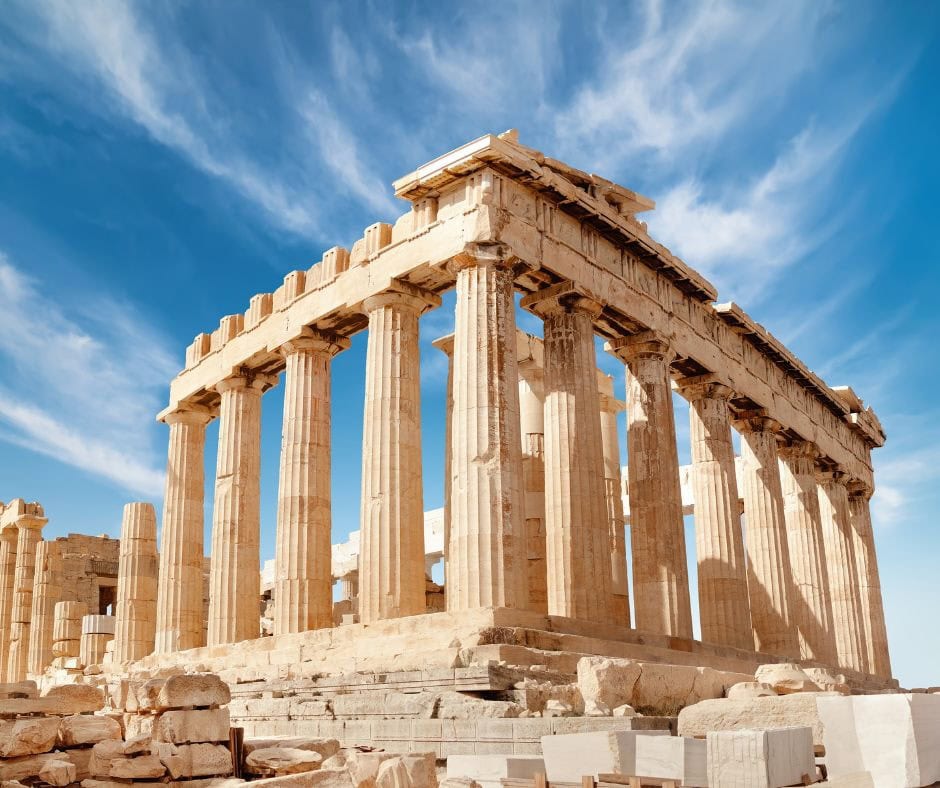
You can see the Acropolis from all over Athens. It sits above the city as if it has always been there, which, compared with almost everything around it, I suppose it has.
Walking up to the Parthenon is different. Suddenly you aren’t looking at it from a rooftop restaurant or a street below. You’re standing beside columns that have survived for roughly 2,500 years, looking out over modern Athens.
I also think Athens gets shortchanged by travelers who treat it as a one-night stop before Santorini or Mykonos. I’ve been there, and I wouldn’t rush through it. Visit the Acropolis, absolutely, but also go to the Acropolis Museum, wander through Plaka and Monastiraki, eat ridiculously good Greek food and give yourself time to see the city beyond its most famous hill.
Then go to the islands. Greece is better when you get both.
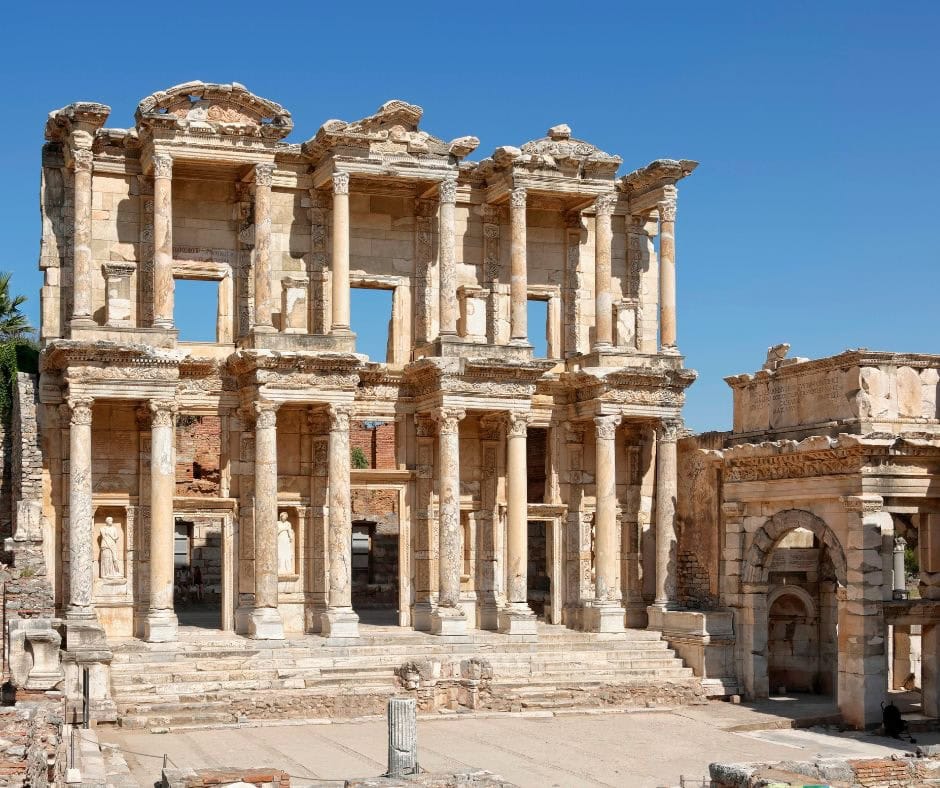
Ephesus surprised me.
I knew about the Library of Celsus before I went. That’s the photograph everyone sees, and it is every bit as impressive in person. What I didn’t expect was how much of the ancient city you can actually walk through.
You’re following streets that people walked thousands of years ago, passing the remains of shops, fountains, temples, homes and public buildings. There’s an enormous theater that once held thousands of people. The Terrace Houses still have mosaics and frescoes that give you a glimpse into how wealthy Romans actually lived.
That’s what made Ephesus so interesting to me. It isn’t one famous building surrounded by a modern city. You can actually start to picture the city that used to be there.
And Ephesus is easy to combine with a larger Turkey trip. Istanbul is one of my favorite cities, but Turkey doesn’t end there. The Aegean coast, ancient ruins, small towns and completely different landscapes farther inland make this a country worth seeing beyond its most famous city.
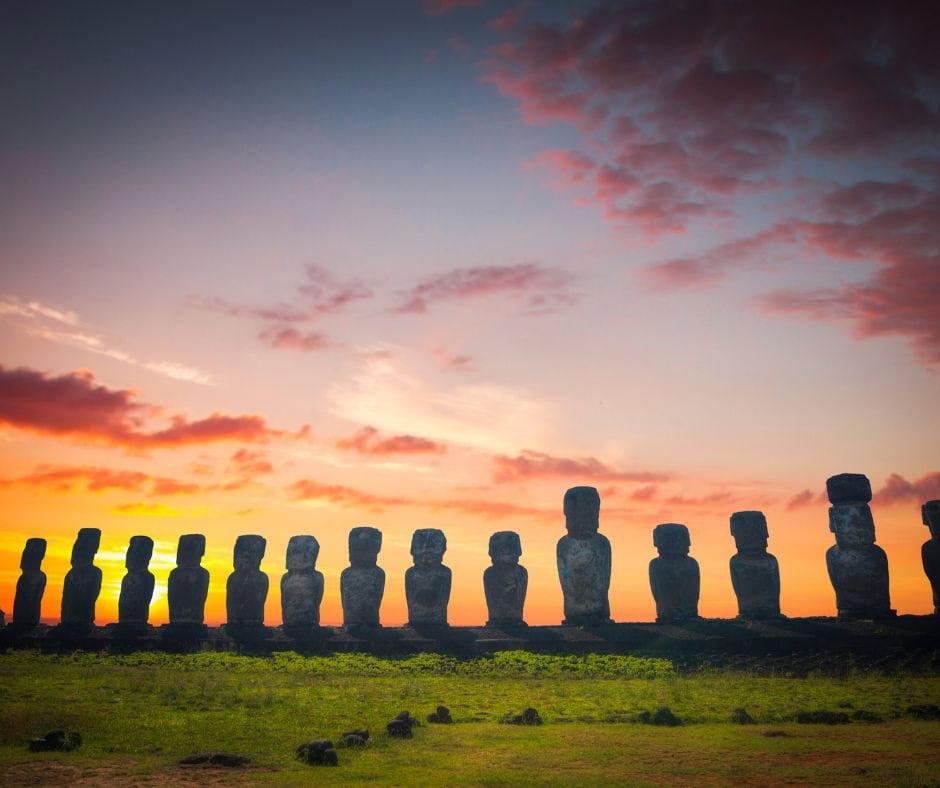
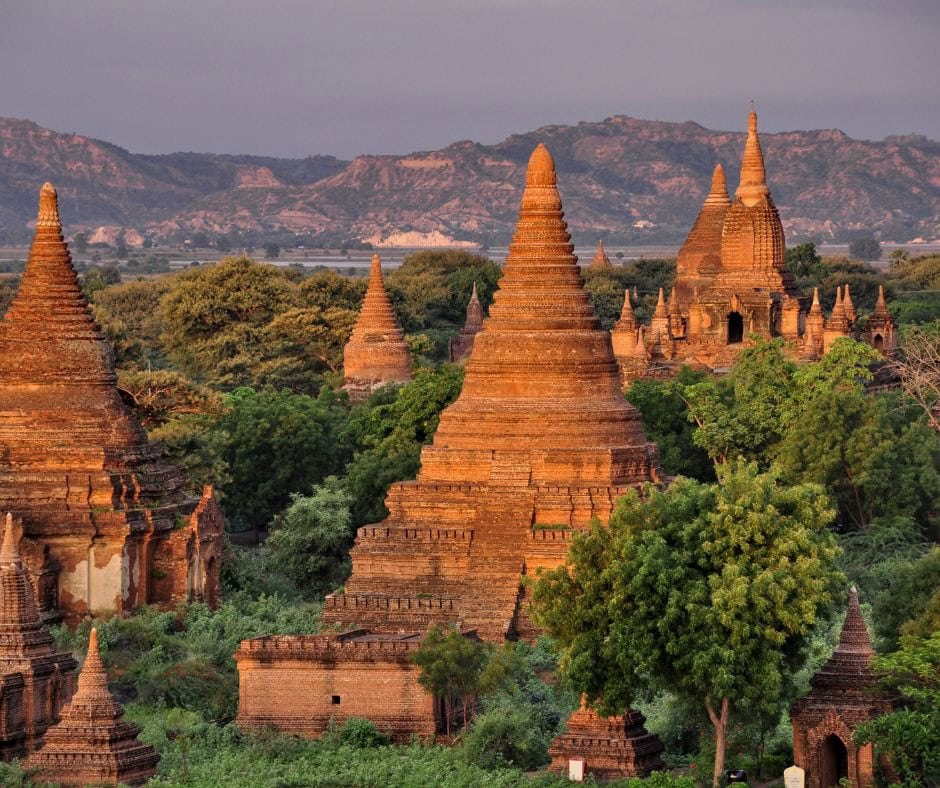
I could easily make this list longer. Easter Island’s Moai, Bagan in Myanmar, Borobudur in Indonesia, Abu Simbel in Egypt, Stonehenge in England and plenty of others could make a very good argument for number eleven. But I don’t think the point is to collect wonders like stamps in a passport.
The reason these places are worth traveling to see is that they open the door to somewhere bigger. You may go to Peru because you’ve always wanted to see Machu Picchu, but then you discover Cusco and the Sacred Valley. You may finally book India because the Taj Mahal has been on your list forever, only to come home talking just as much about Jaipur or something that happened in a market in Delhi.
That’s the kind of travel I love. Go see the famous place. Absolutely take the picture. But then keep going.
If one of these places has been sitting on your travel wish list, I can help you build a trip around it that goes well beyond checking off the famous sights.