
South Korea: Why Now Is the Right Time to Go
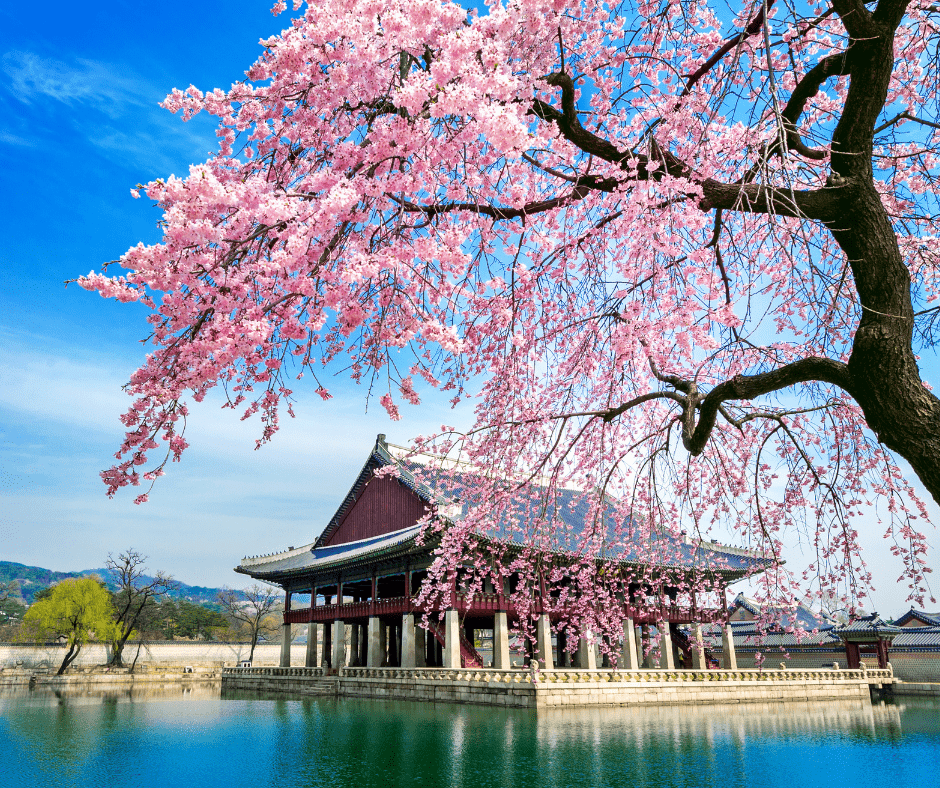
If Japan has been on your radar, or you’ve already made that trip, South Korea deserves to be next. Not as a consolation prize or a budget alternative, but as a destination that holds its own completely, on its own terms. I wrote about the classic Tokyo and Kyoto itinerary earlier this year, and the response made one thing really clear: travelers are hungry for Asia, and they’re ready to go deeper than the obvious first stop.
South Korea is where that deeper dive begins.
The timing is genuinely good right now. The dollar is strong against the Korean won, which means your trip goes further than it would have just a few years ago. Flights from the US into Seoul’s Incheon Airport are well connected, the infrastructure is world class, and the country just wrapped its highest inbound tourism year on record in 2025, so the international experience is polished and well supported without feeling overrun. National Geographic named South Korea one of their top destinations for 2026, and if you follow those kinds of signals, that one’s worth paying attention to.
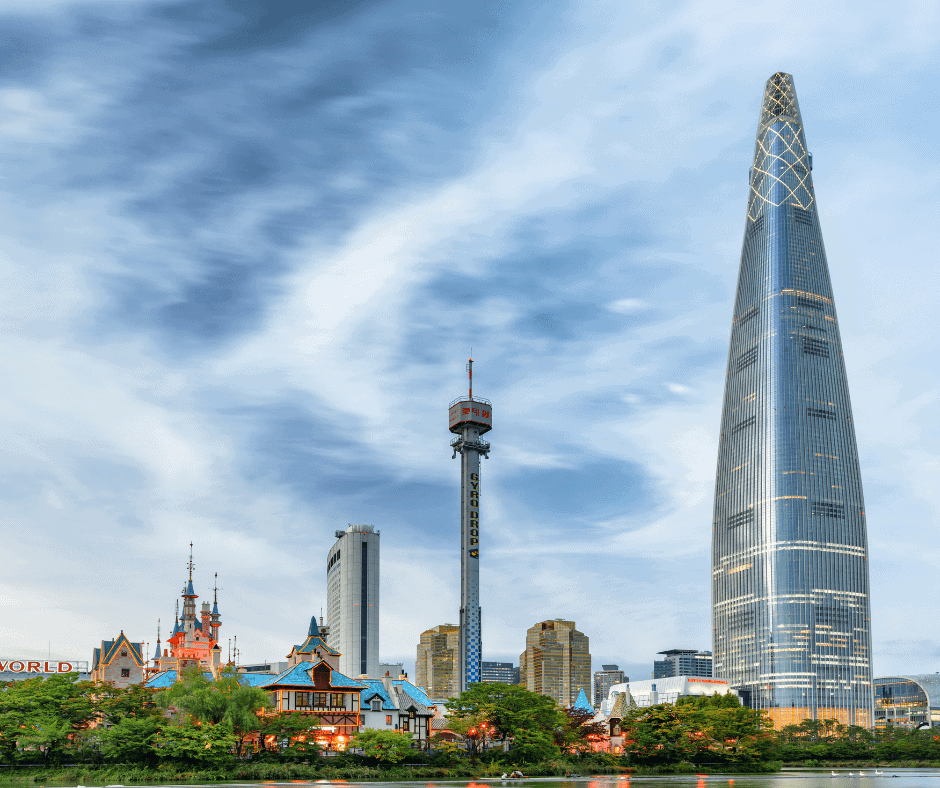
Seoul is the obvious starting point and it earns every bit of that status. It’s the kind of city that surprises people, not because it defies expectations exactly, but because the expectations most Americans arrive with turn out to be too small. The city has five royal palaces and they’re not tucked into a museum district. They sit right in the middle of the city, surrounded by glass towers and café lined streets, and the contrast isn’t jarring because it’s always just been that way. You can spend a morning at Gyeongbokgung Palace watching the changing of the guard in full Joseon Dynasty ceremony, wander the narrow lanes of Bukchon Hanok Village where traditional wooden homes have stood for centuries, and be sitting in a design forward coffee shop in Hongdae by early afternoon. Seoul has one of the highest café densities in the world, which tells you something about how seriously this city takes its everyday pleasures.
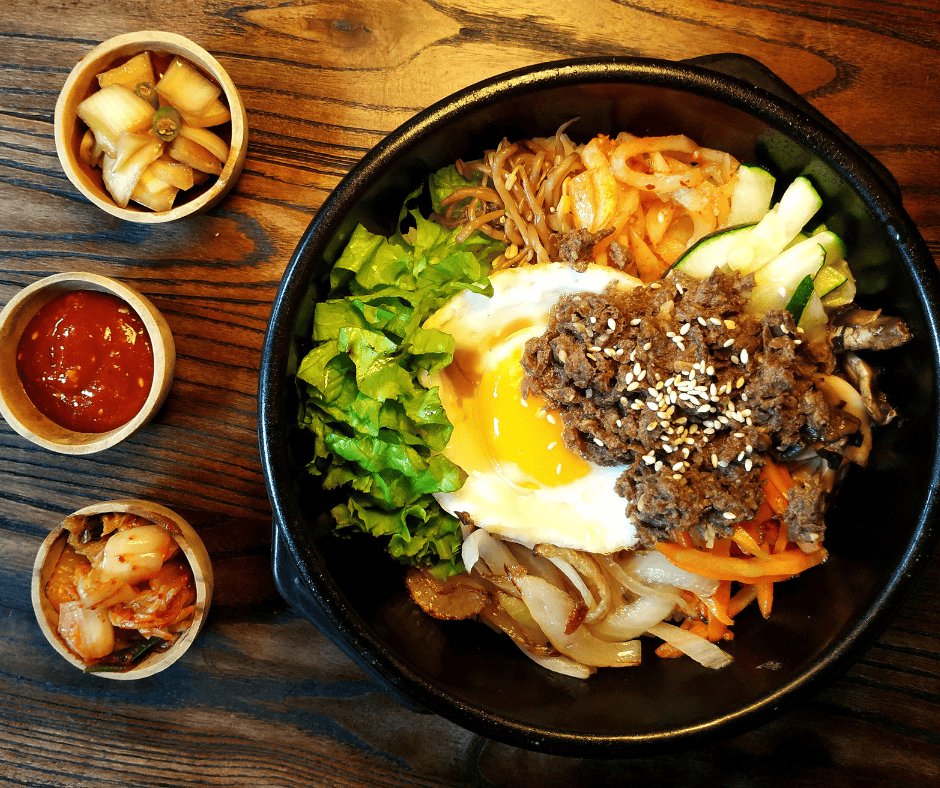
The food culture is its own reason to go. Meals in Seoul are social and abundant, built around sharing and staying at the table. Korean barbecue isn’t a special night out, it’s a Tuesday. Street markets like Gwangjang serve bindaetteok and fresh noodles to locals who’ve been coming for decades. The quality is consistent in a way that’s genuinely rare, and you don’t need a reservation at a famous restaurant to eat extraordinarily well. If food is one of the ways you experience a place, Seoul is going to deliver without you even having to try.

Skincare and wellness are woven into daily life here in a way that genuinely surprises most visitors. Dermatology clinics sit between coffee shops and convenience stores. A jjimjilbang, the traditional Korean bathhouse, isn’t a spa day, it’s just how people unwind after work. These experiences fit into the rhythm of a trip naturally rather than pulling you out of it, and for travelers who want to come home actually feeling restored, that’s a really appealing thing.
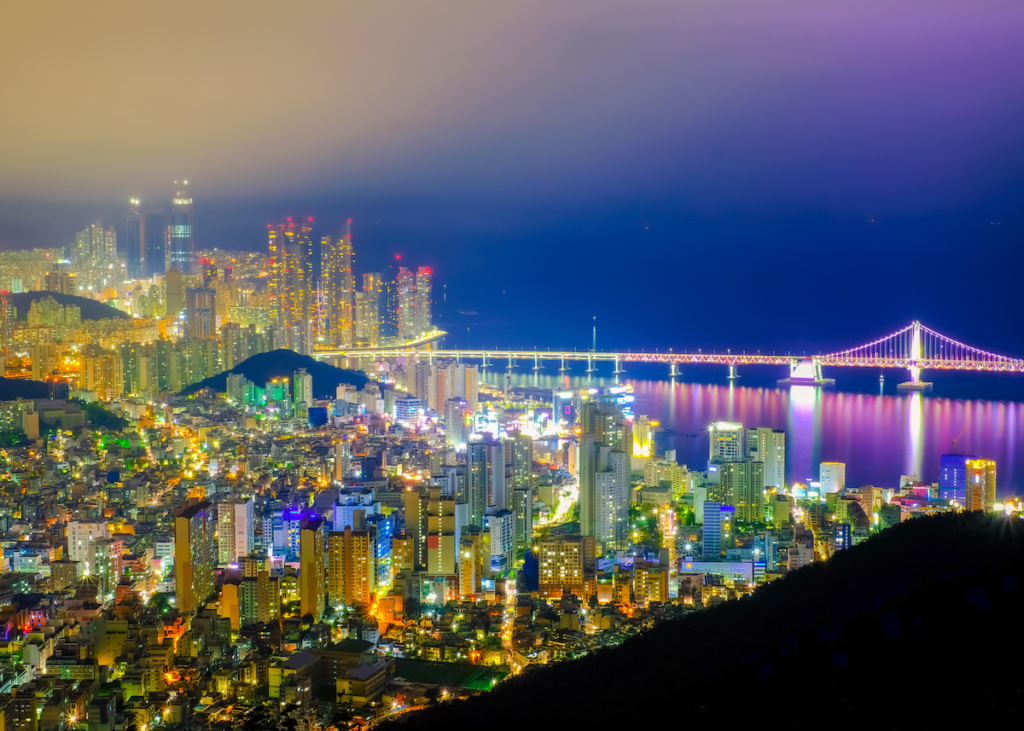
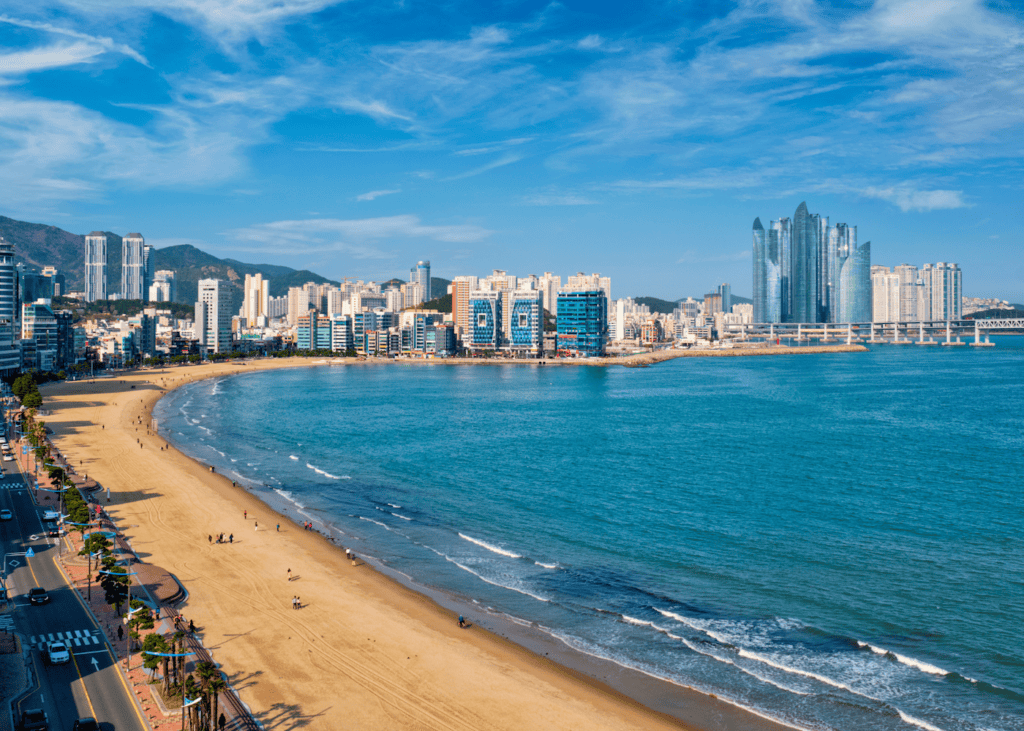
But Seoul is honestly just the beginning of the case for South Korea. Busan, the country’s second city, sits on the coast and has an entirely different energy: grittier, more maritime, with seafood markets that run around the clock and hillside neighborhoods painted in every color. Gyeongju, a few hours away, is essentially an open air museum, the ancient capital of the Silla kingdom with royal burial mounds sitting right in the middle of residential streets. And Jeju Island, off the southern coast, is its own world entirely, volcanic landscape, black sand beaches, and a cultural identity that’s distinct from the mainland in the best way.
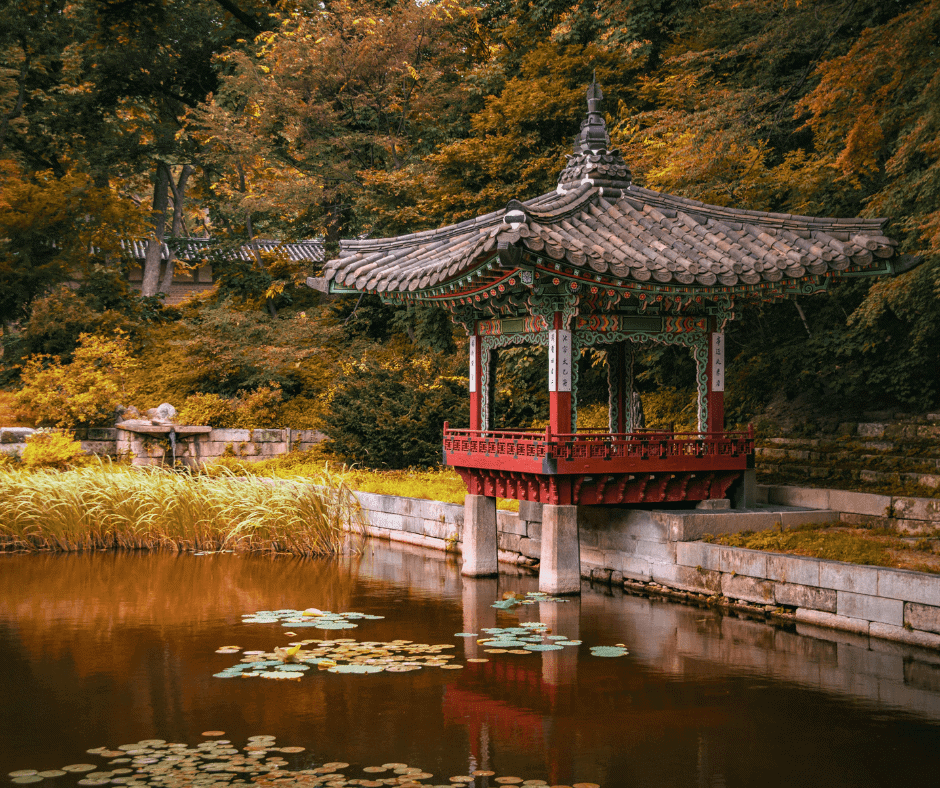
South Korea also has four genuinely distinct seasons, which means there’s almost no wrong time to visit, just different versions of right. Spring brings cherry blossoms and mild temperatures that make the palaces and hiking trails feel like a painting. Fall delivers foliage that rivals anything in New England, wrapped around mountainside temples and riverside parks. The mountains actually start within Seoul’s city limits, so you can hike before breakfast and be back downtown for lunch without it being a whole production.
The country is exceptionally safe, very navigable for English speakers, and honestly built for independent travelers who want to move efficiently. The Seoul subway system is one of the best in the world and it’ll take you just about anywhere you want to go.
If your Asia interest has been simmering and you’re wondering where to point it, South Korea is a really complete answer. It’s historically rich, visually striking, easy on the wallet right now, and far less written about in the English language travel space than it deserves to be. The travelers who go tend to want to go back.
When you’re ready to dig into the Seoul piece specifically, my Seoul Destination Guide covers the neighborhoods, the hotels, the restaurants worth knowing, and how to move through the city like someone who’s done their homework. And when you’re ready to turn that interest into an actual itinerary, I’d love to help you plan it.
For more smooth, efficient travel planning delivered straight to your inbox, subscribe here.