
10 Days in Italy Without Feeling Rushed
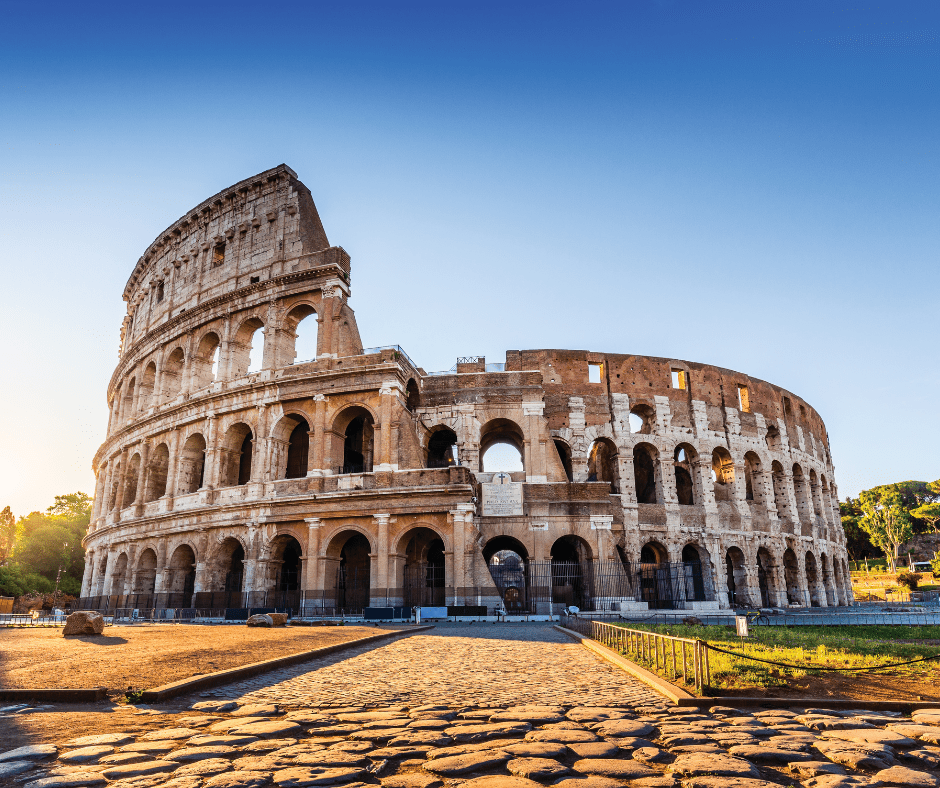
Ten days in Italy is a great trip. It’s just not a “see the entire country” trip. This is where planning usually goes wrong.
I constantly see itineraries trying to fit Lake Como, Venice, Florence, Tuscany, Rome, and the Amalfi Coast into ten days. On paper, it looks efficient. In reality, it’s trains, packing, checking in, checking out, and trying to appreciate the Colosseum while thinking about tomorrow’s transfer.
And honestly, many of those overstuffed itineraries are coming from AI tools and generic online planners. Ask for “10 days in Italy” and you’ll get something beautifully organized and completely unrealistic. It may look impressive, but it doesn’t account for real transfer times, traffic patterns, seasonality, geography, or how people actually feel by day seven.
Maps don’t show Amalfi Coast traffic. They don’t show how long it takes to settle into a countryside hotel. They don’t show how tiring constant one-night stays become. Italy is not a fast destination. It never has been. The food is slow. The evenings are slow. The rhythm is slow. Italy is better when you give it time.
Your itinerary should reflect that.
What 10 Days Actually Allows
Ten days is enough time to:
Focus on two regions comfortably
Possibly add a third if the logistics make sense
Stay at least three nights in most places
It is not enough time to “do Italy.”
Northern Italy feels different from central Italy. Tuscany feels different from Rome. Coastal Italy feels different from the cities. Once you understand that, planning becomes much clearer.
Structures That Work
Venice + Florence + Rome
For first-timers who want the classic highlights done well.
Spend 2–3 nights in Venice.
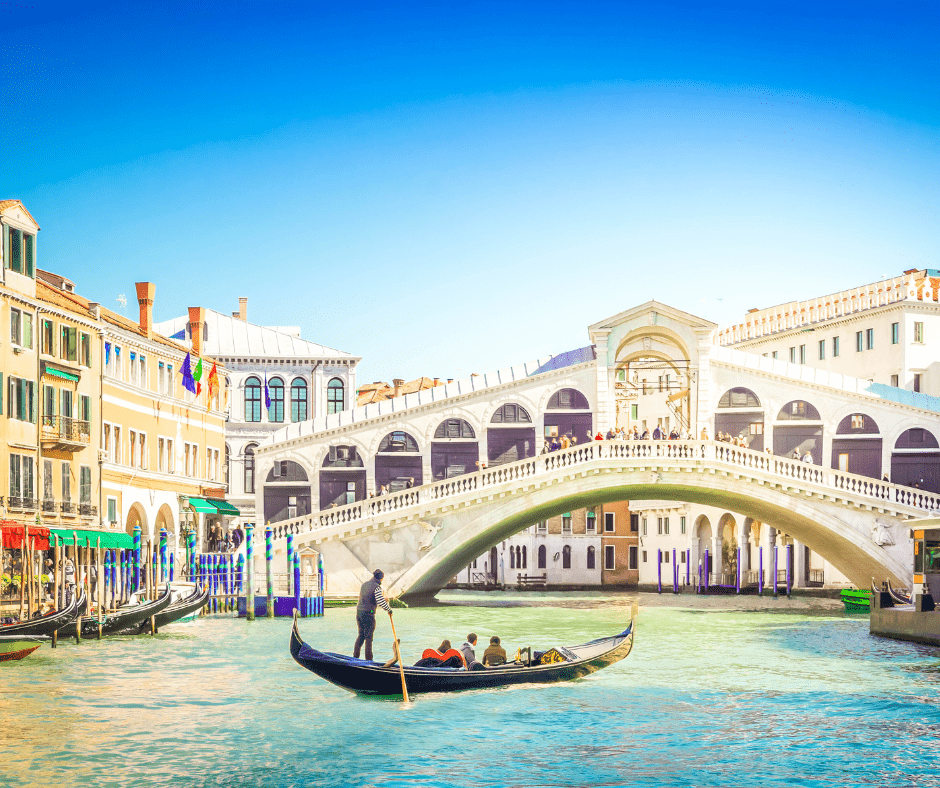
Stay overnight. Venice changes once the day-trippers leave. Wander residential neighborhoods. Take a vaporetto instead of rushing between landmarks. Slow mornings matter here.
Then 3 nights in Florence.
Focus your time. Pick one day trip or skip them entirely. Florence works best when you’re not trying to turn it into a hub for four different excursions.
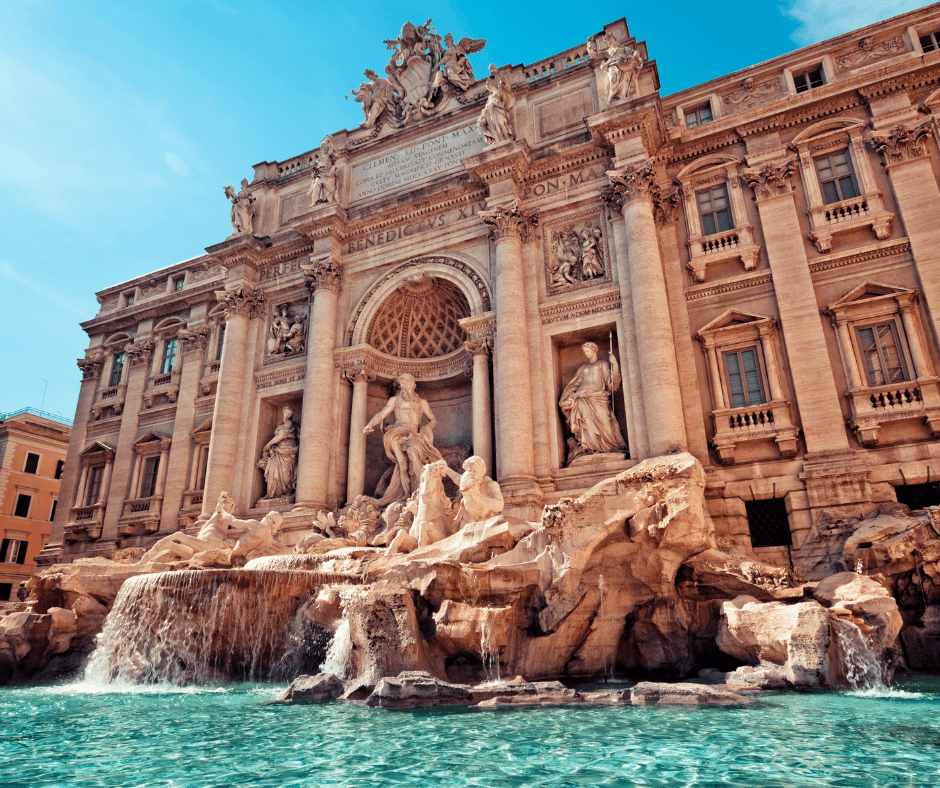
End with 3–4 nights in Rome.
Rome is layered and dense. You need time to separate the major sites over multiple days instead of stacking them back to back. It’s also a great place to end because it has energy and strong flight connections.
This version feels iconic but manageable.
Rome + Florence + Tuscan Countryside
Start in Rome for 3–4 nights.
Yes, see the Vatican and the Colosseum. But also leave room for wandering at night, long dinners, and time in a piazza without rushing off to the next reservation.
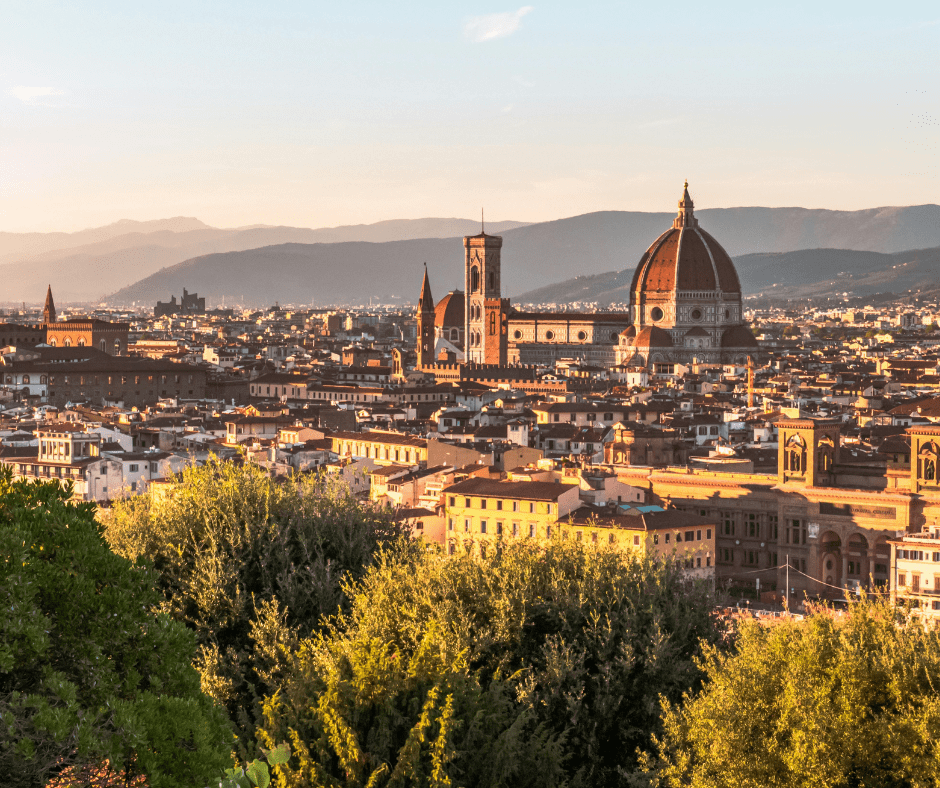
Then head to Florence for 3 nights.
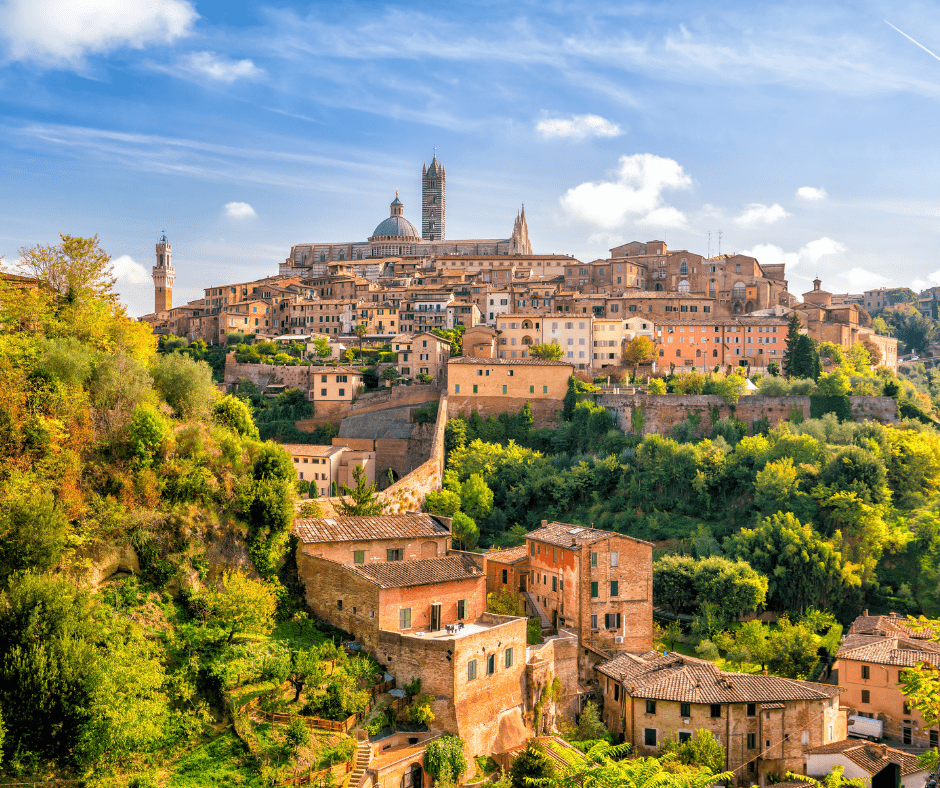
It’s compact and walkable. You can visit the Duomo, spend time in a museum or two, and still have room in the schedule. Add one meaningful day trip, maybe Siena or a wine region, not three.
Finish with 3 nights in the Tuscan countryside.
One unpack. Wine tastings. Scenic drives. A cooking class. Or a pool and nothing scheduled at all.
This trip gives you history, art, food, and scenery without constant movement.
Northern Italy Focus
If you prefer scenery and a slightly calmer rhythm, keep the trip concentrated in the north.
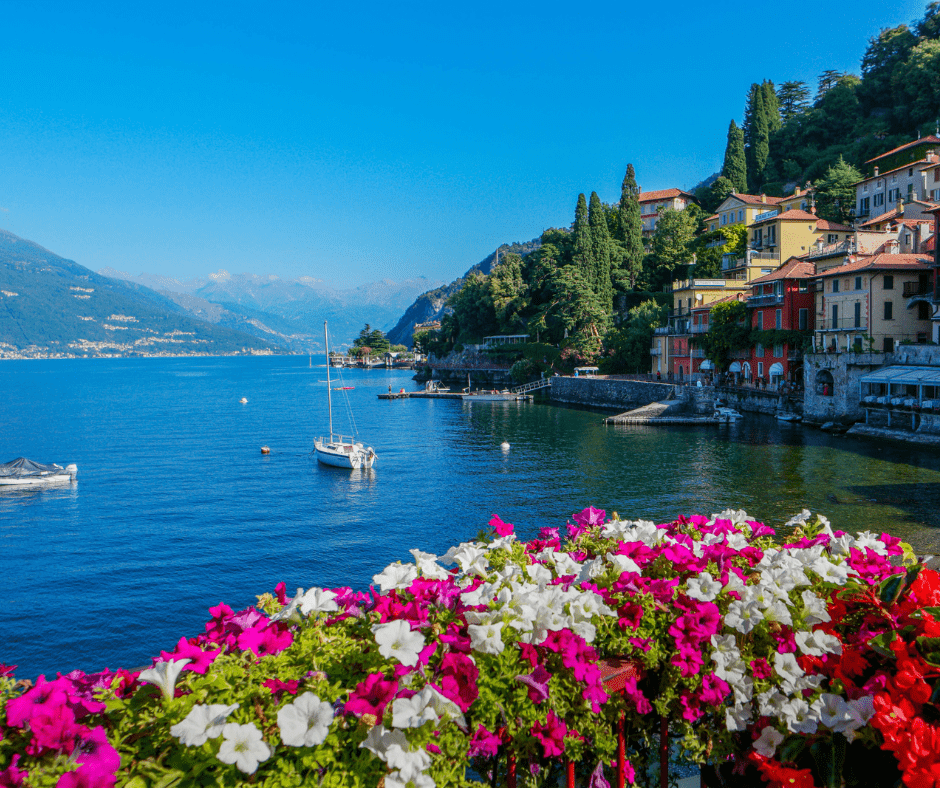
Base near Lake Como for 3 nights.
Choose one town as your base and explore by boat rather than hopping hotels. The goal here is to enjoy the lake, not race around it.
Add 2–3 nights in Venice.
It pairs well geographically and offers a completely different atmosphere without requiring long travel days.
Finish with 2–3 nights in Milan.
Milan brings a polished, modern contrast. Aperitivo culture, excellent dining, and easy airport access make it a practical end point.
This route keeps travel distances short and the pace consistent.
How Many Hotel Changes Is Too Many?
In ten days, two bases is ideal. Three is manageable if the travel times make sense. Once you start adding a fourth, the trip begins to feel more like logistics than vacation.
Every time you move, you lose part of a day. You pack up. You check out. You figure out a new neighborhood. Even when everything runs smoothly, that transition takes energy. Fewer bases almost always means a better experience.
But What About The Amalfi Coast?
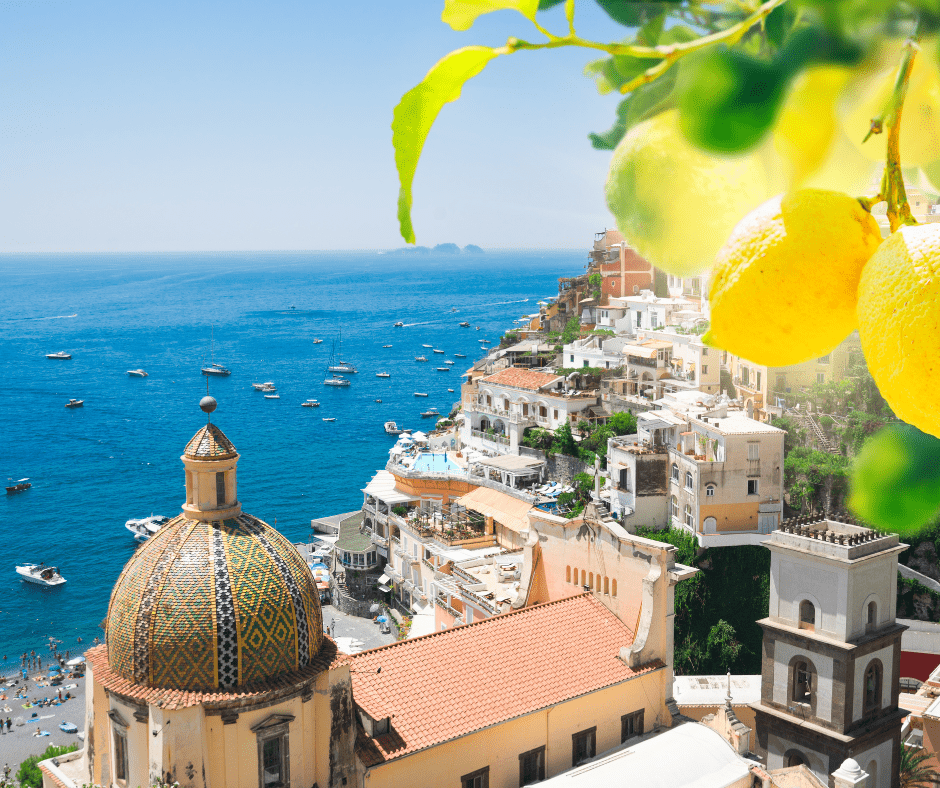
The Amalfi Coast is beautiful. It’s also slower to navigate, highly seasonal, and logistically different from Florence or Rome.
If Amalfi is high on your list, the structure of your trip changes. It’s not something you casually add onto an already full itinerary. The pace, transfers, and hotel availability all require more intention.
Because of that, I put together a full breakdown on how to choose the right coast in Italy in a way that actually works within a 10-day trip.
If You Only Have 10 Days
Choose depth over distance. Choose fewer regions.
Let yourself enjoy where you are instead of thinking about where you’re going next.
Italy isn’t going anywhere. You can come back. Most people do.
I created a sample 10 day itinerary that you can download and if you’re ready to design the Italian trip of your dreams, I would love to help!