
Coastal Italy: Which Italian Coast Is Right for You?
Italy has some of the most beautiful coastline in the world, and if you’re trying to figure out where to go in coastal Italy, you’re not alone. It’s one of the most common questions I get from travelers planning an Italy trip. The Amalfi Coast, Cinque Terre, Puglia, the Italian Riviera, Rimini… they all sound incredible, and they are. But the best coastal Italy destination for you depends entirely on what kind of trip you’re after. This guide breaks down each stretch of Italian coastline so you can stop second-guessing and start planning the right one.Coastal Italy is one of those places that looks exactly like the photos.
Cliffs. Turquoise water. Boats drifting past pastel villages. Aperol spritz in hand. Linen dress. Sunset. You get the idea.
But here’s what no one tells you: coastal Italy is not one experience. It’s several very different personalities stretched along the sea. And choosing the wrong one for your travel style is how a dreamy trip turns into “why are we dragging luggage up 200 stairs in 95-degree heat?”
Let’s break this down properly. Italy’s coastline runs long and varied, and each stretch has its own pace, terrain, and energy. Some are dramatic and vertical. Some are elegant and polished. Some are sandy and relaxed. They are not interchangeable and that decision shapes the entire feel of your trip.
Amalfi Coast
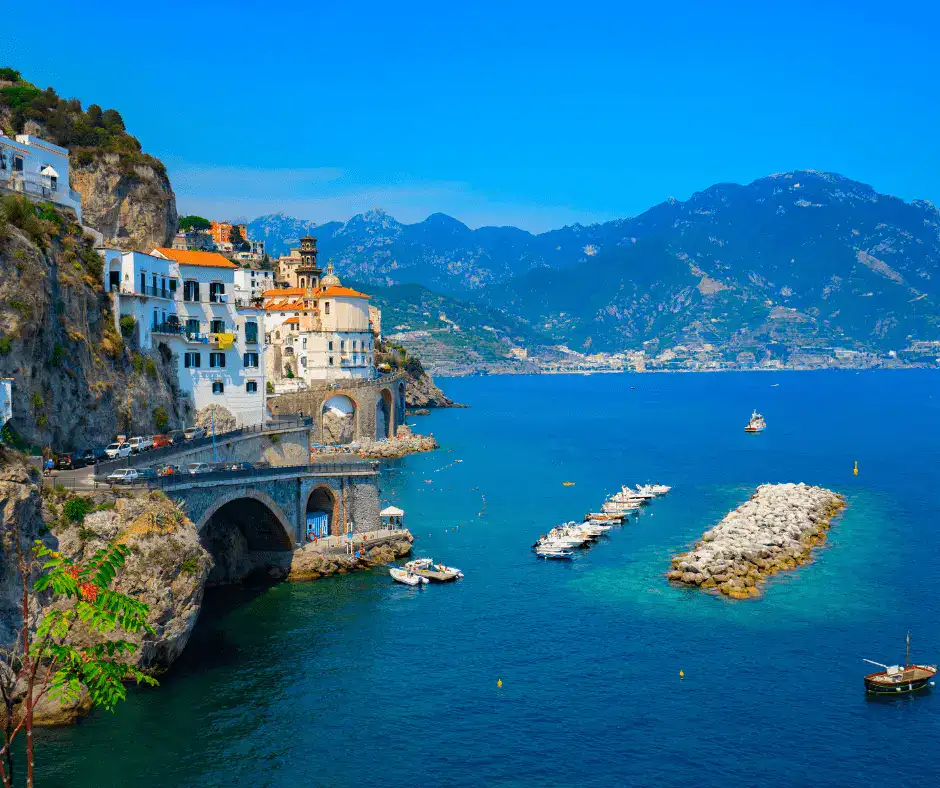
The Amalfi Coast is the one everyone recognizes immediately.
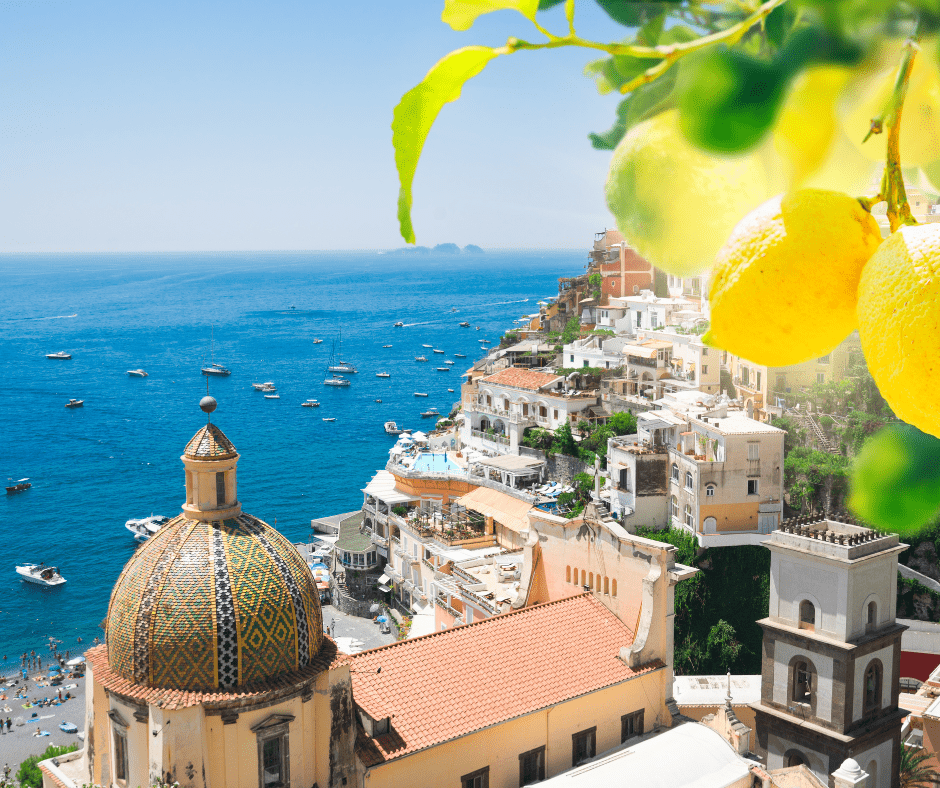
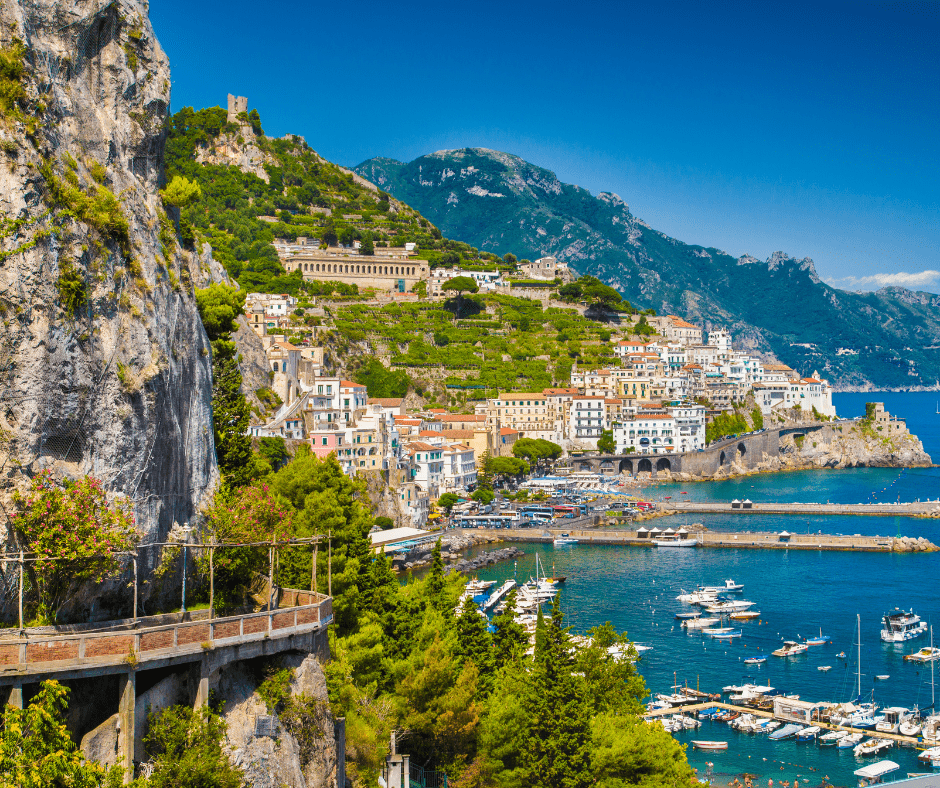
The road curves along steep cliffs above the Tyrrhenian Sea, revealing villages that seem to spill down the mountainside in layers of coral, peach, and sun-faded pink. Positano is vertical and cinematic. Ravello sits higher and quieter, with sweeping terraces that make you stop mid-sentence just to take in the view.
But Amalfi is not effortless. It is beautiful and physical. You climb to dinner. You climb back from the beach. Hotels are tucked into cliffs, which means luggage requires strategy.
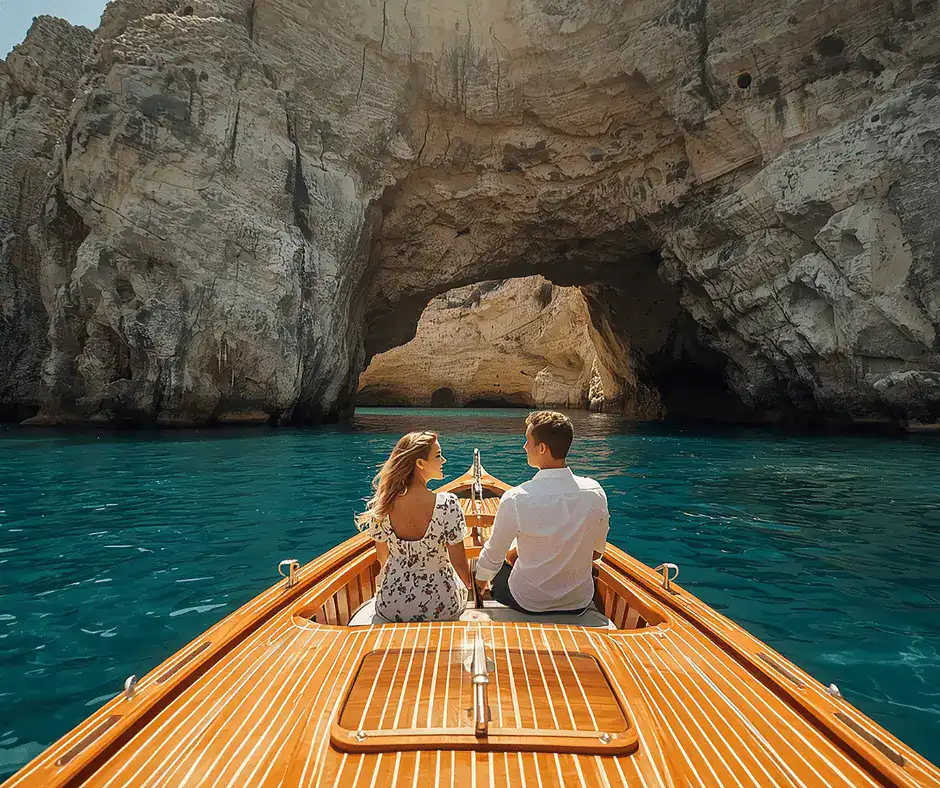
When it’s structured well, it feels indulgent. Mornings start with espresso on a terrace. A private boat day along the coastline becomes the highlight swimming in hidden coves, drifting past dramatic rock formations. Lunch stretches long, usually seafood, usually lemon somewhere on the plate because you’re in Campania and citrus is practically a religion.
It’s romantic and unforgettable, but it’s also compact and busy in peak season. Amalfi works best when you commit to one base and let the experience unfold instead of racing along the coast.
Italian Riviera
Now head northwest, toward the French border, and the mood shifts completely.
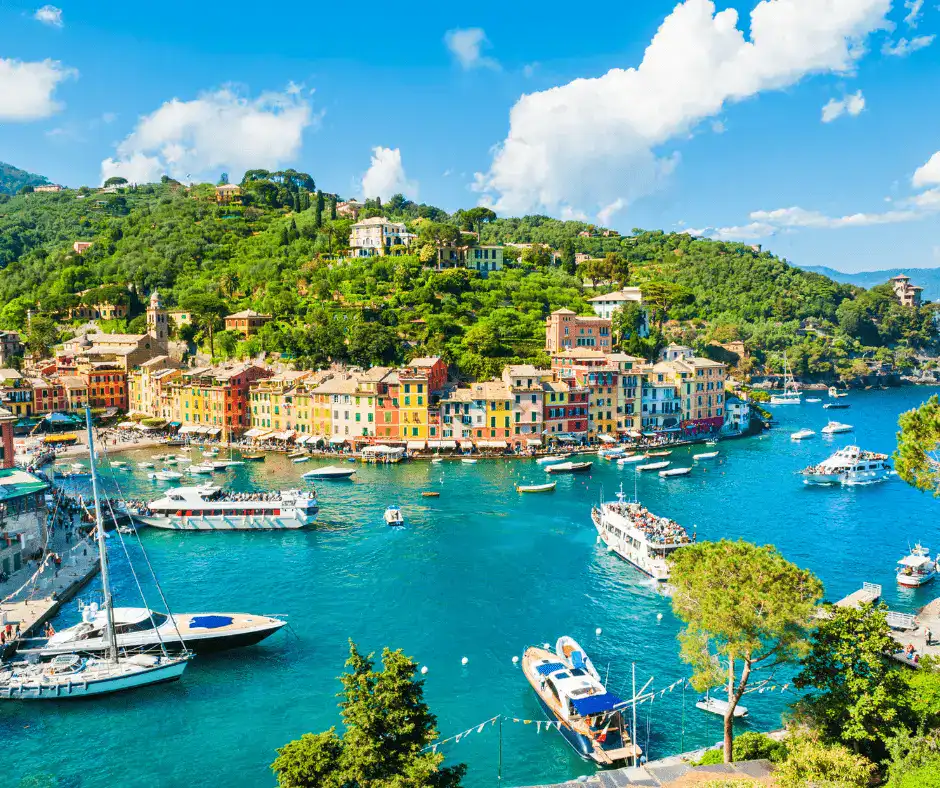
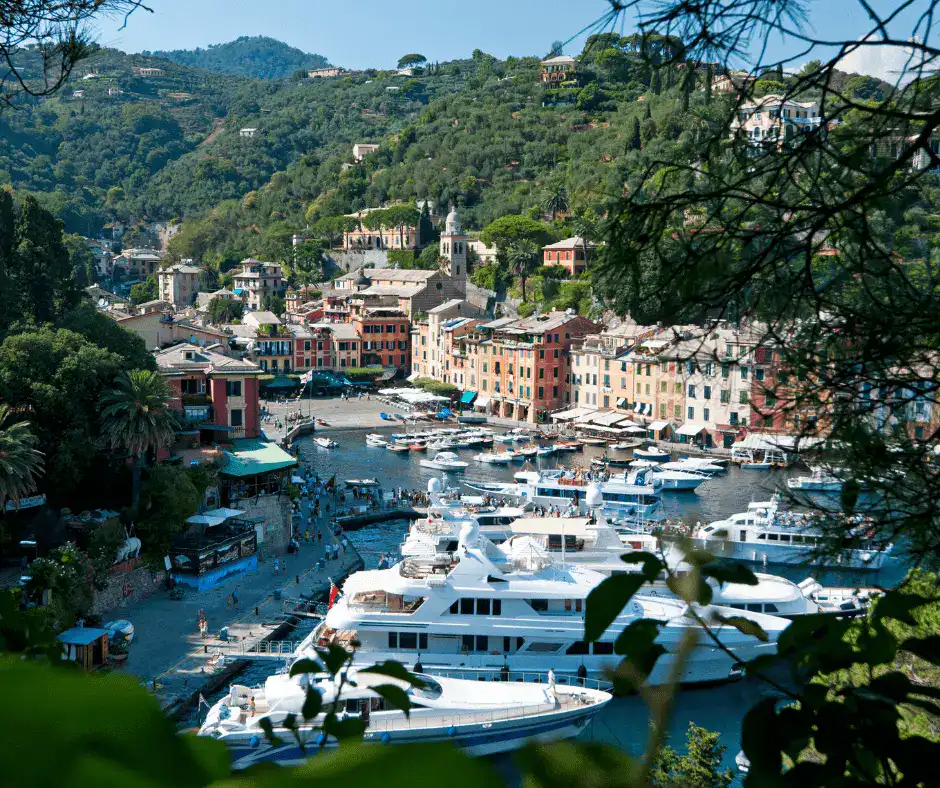
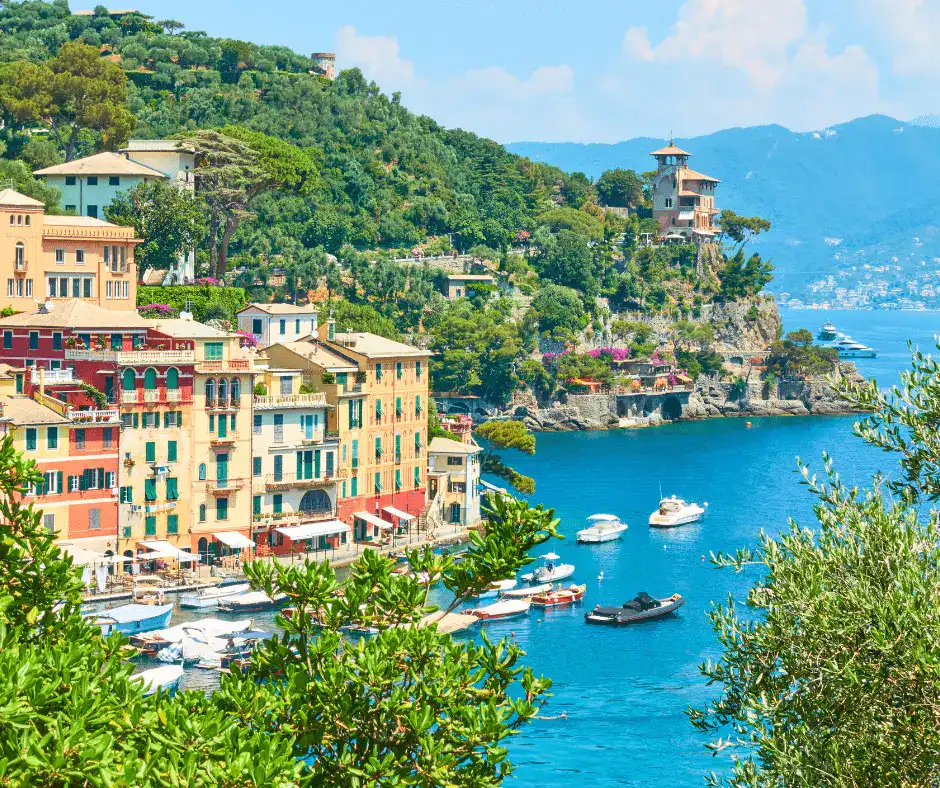
The Italian Riviera feels refined but relaxed. The coastline curves gently. The towns feel polished without trying too hard. Portofino’s harbor is intimate and glamorous, with yachts quietly anchored in calm water. Santa Margherita Ligure offers palm-lined promenades perfect for evening strolls. Camogli feels colorful and local, but without the intensity of Amalfi’s vertical drama.
This is coastal Italy where you walk along the water at dusk, linger at harbor cafés, and take short boat rides between towns. Swimming happens in rocky emerald coves rather than sandy beaches.
It pairs beautifully with Milan or Lake Como and works well for travelers who want beauty and charm without steep terrain or nonstop motion.
Cinque Terre
Cinque Terre sits within Liguria, but the experience feels distinct enough to stand on its own.
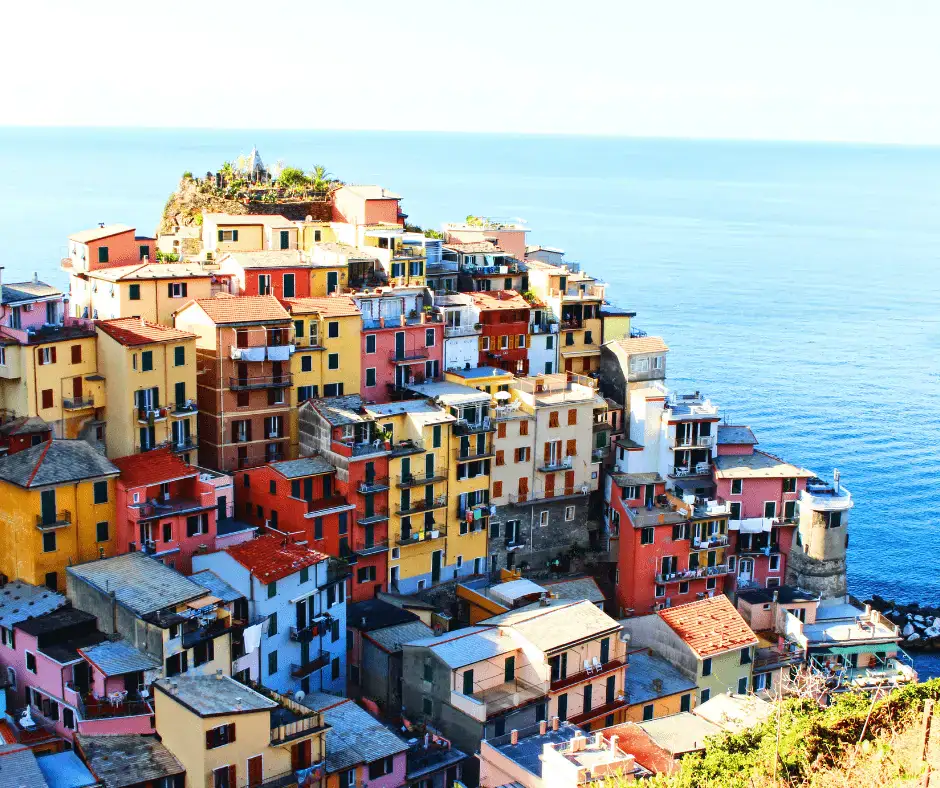
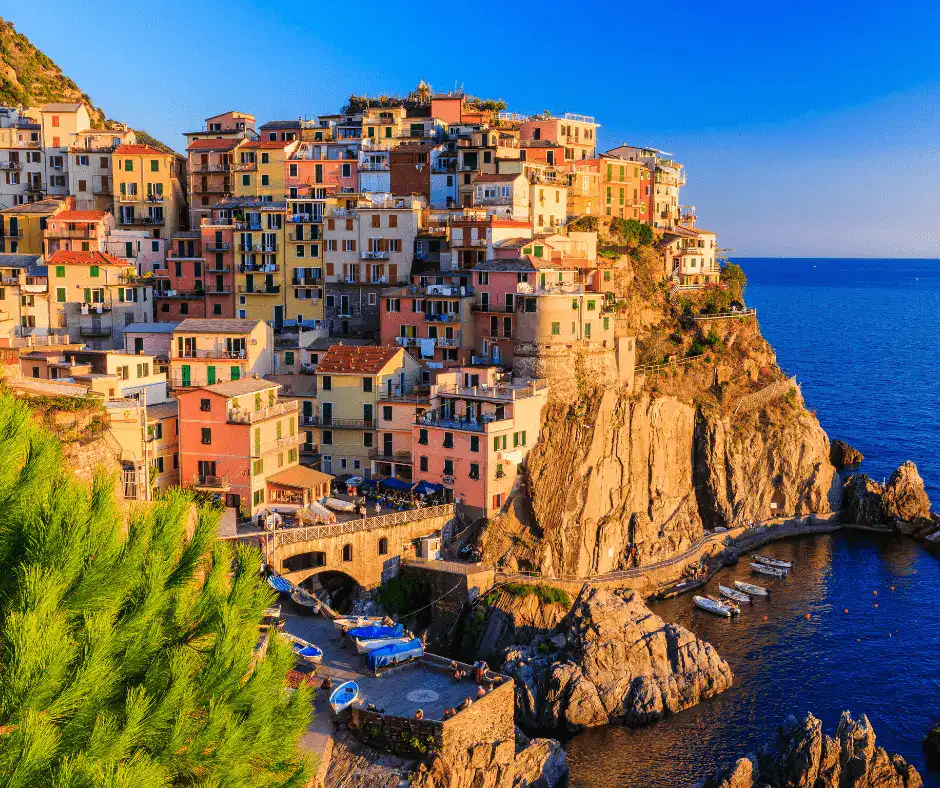
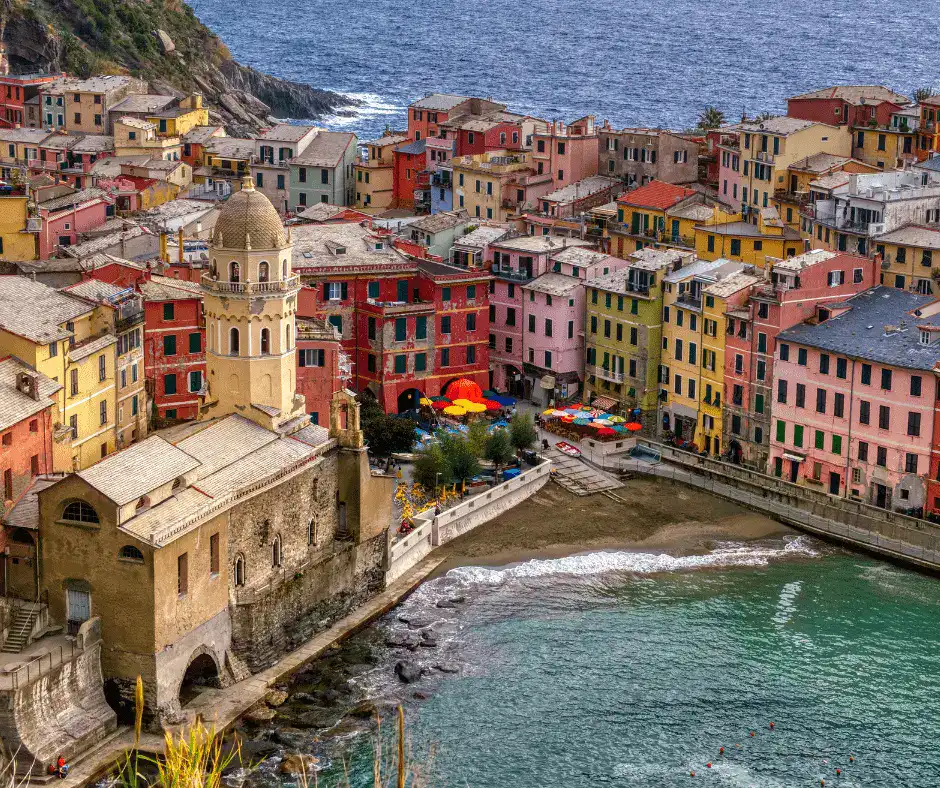
Five small villages cling to cliffs above the sea, connected by train and hiking paths rather than cars. Buildings glow in shades of faded red, mustard, and coral. The harbors are compact and photogenic without feeling artificial.
What many travelers don’t expect is how active it can be. You hike along cliffside trails with sweeping Mediterranean views. You move between villages by train. You swim off rocks or relax on the sandy stretch in Monterosso. Evenings are simple and satisfying; pesto (you’re in Liguria), local white wine, anchovies, and sunset over the harbor.
Two or three nights is usually perfect here. It pairs naturally with Florence or northern Italy and works best for travelers who enjoy scenery with movement built in.
Rimini & The Adriatic Coast
Now we cross to the Adriatic side of Italy, and the experience changes again.
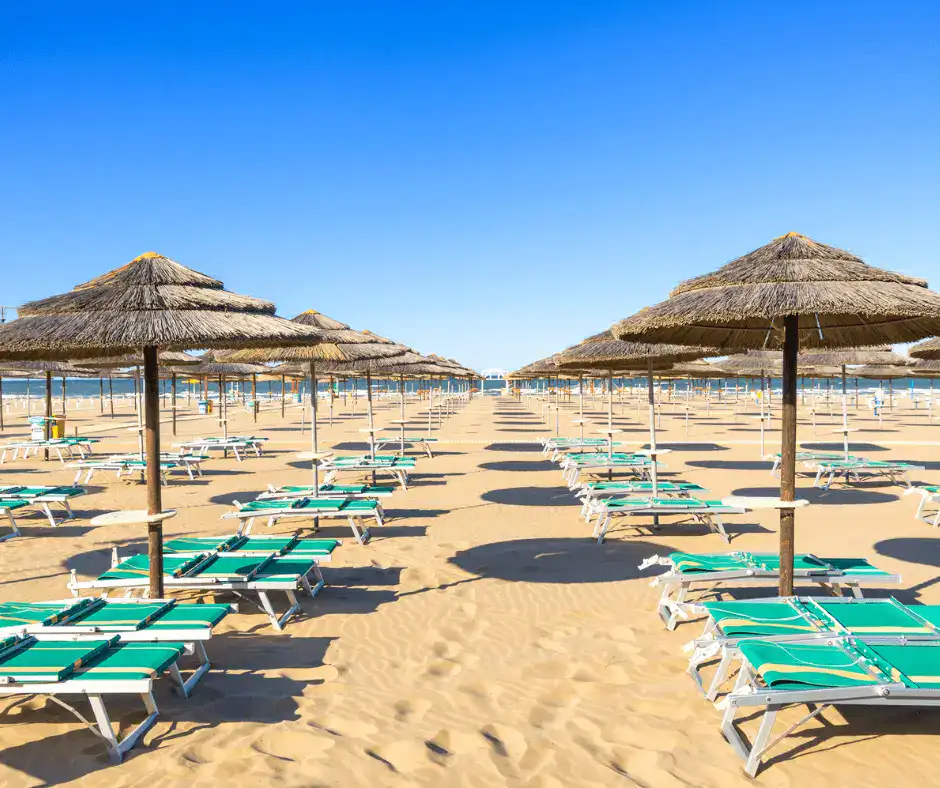
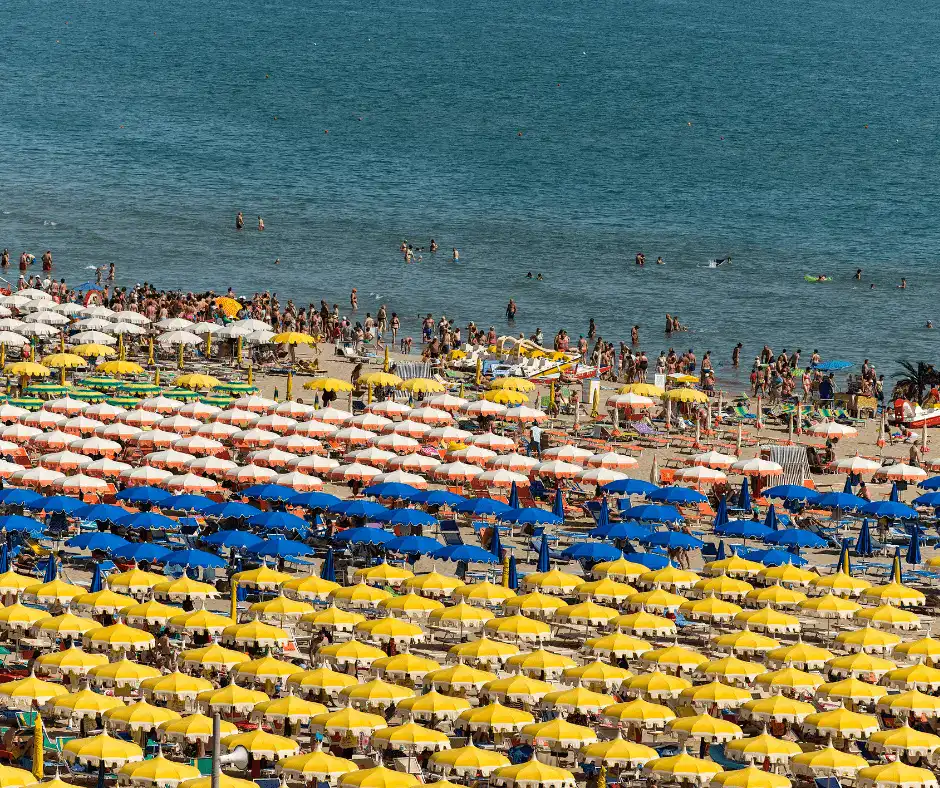
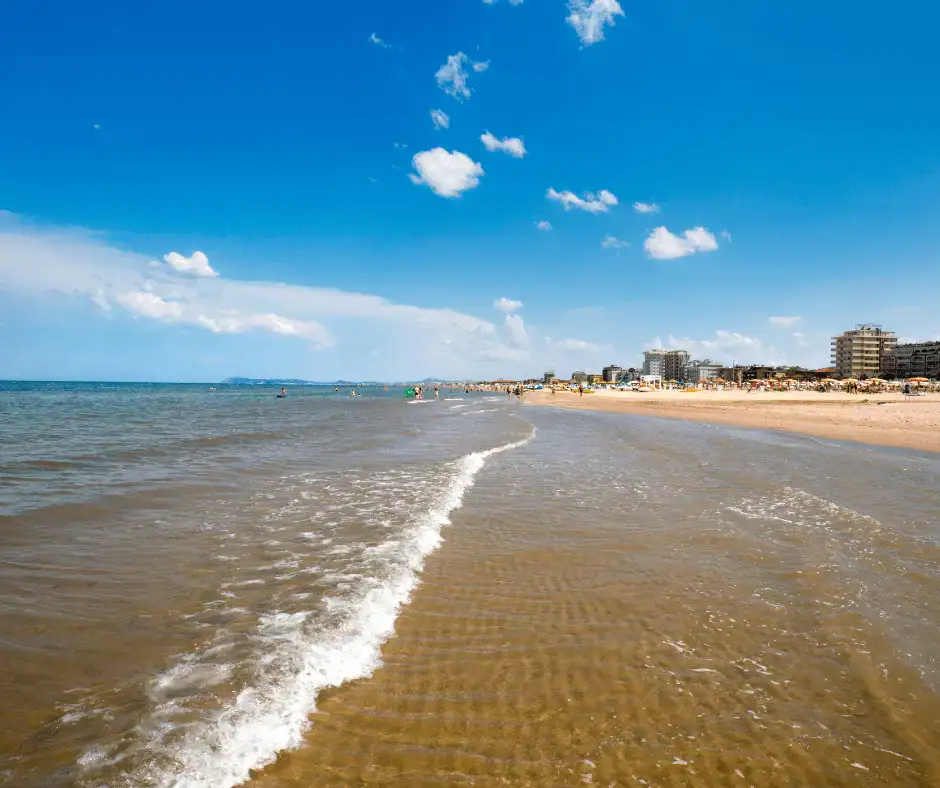
Rimini feels open, relaxed, and traditionally beach-oriented. The coastline is wide and sandy. Rows of neatly arranged umbrellas stretch along the shore in orderly patterns. The water is shallow and swimmable, making it especially appealing for families or anyone who truly wants beach time.
There are no cliffside roads to navigate and no endless staircases. Days revolve around swimming, lounging, and long seaside lunches. Evenings are about strolling the promenade and stopping for gelato before dinner.
And because you’re in Emilia-Romagna, the food scene is quietly outstanding fresh pasta, piadina, Adriatic seafood. It’s coastal, but it’s grounded and easy.
If what you want is true relaxation without dramatic logistics, this side of Italy delivers.
Puglia
Puglia sits along the Adriatic in southern Italy, and it feels very different from Amalfi or the Riviera.
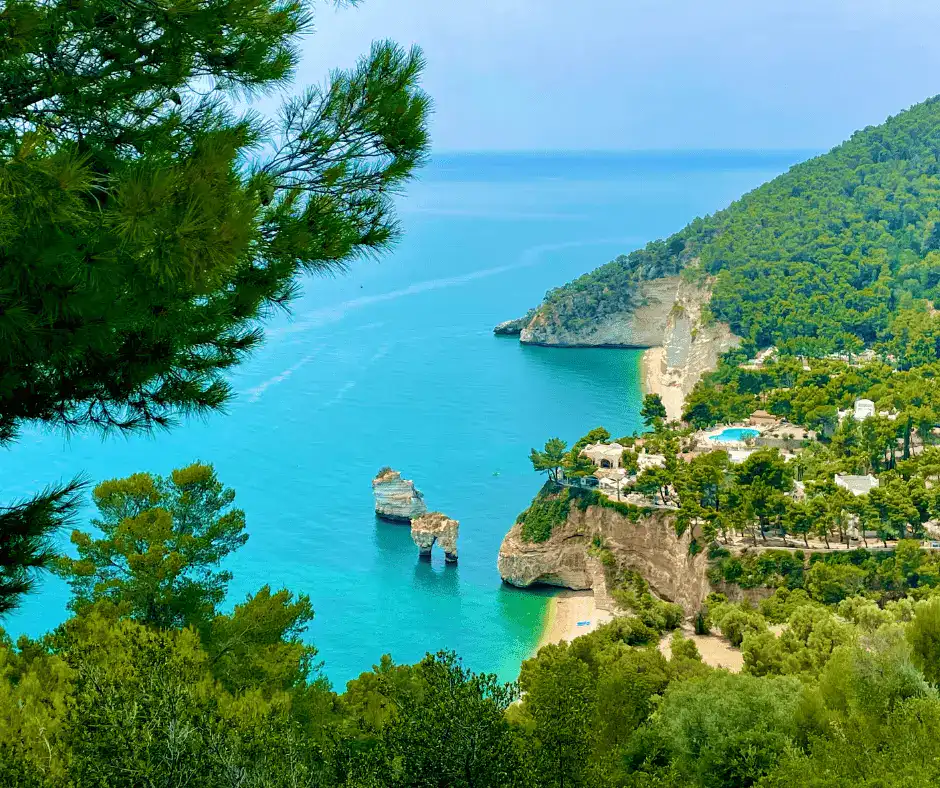
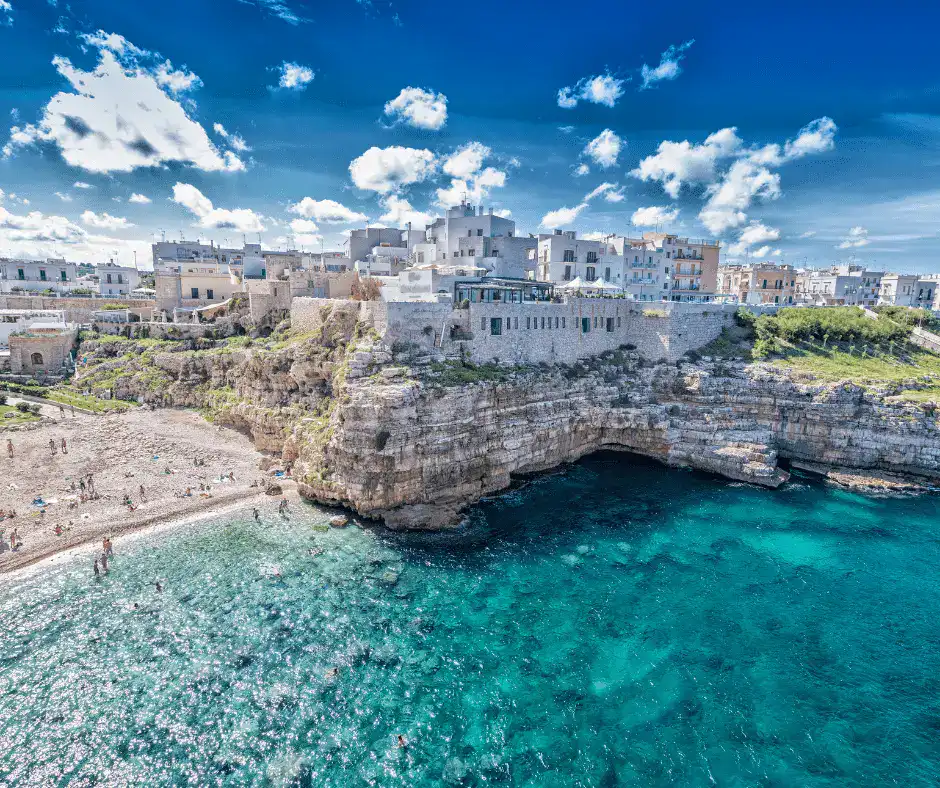
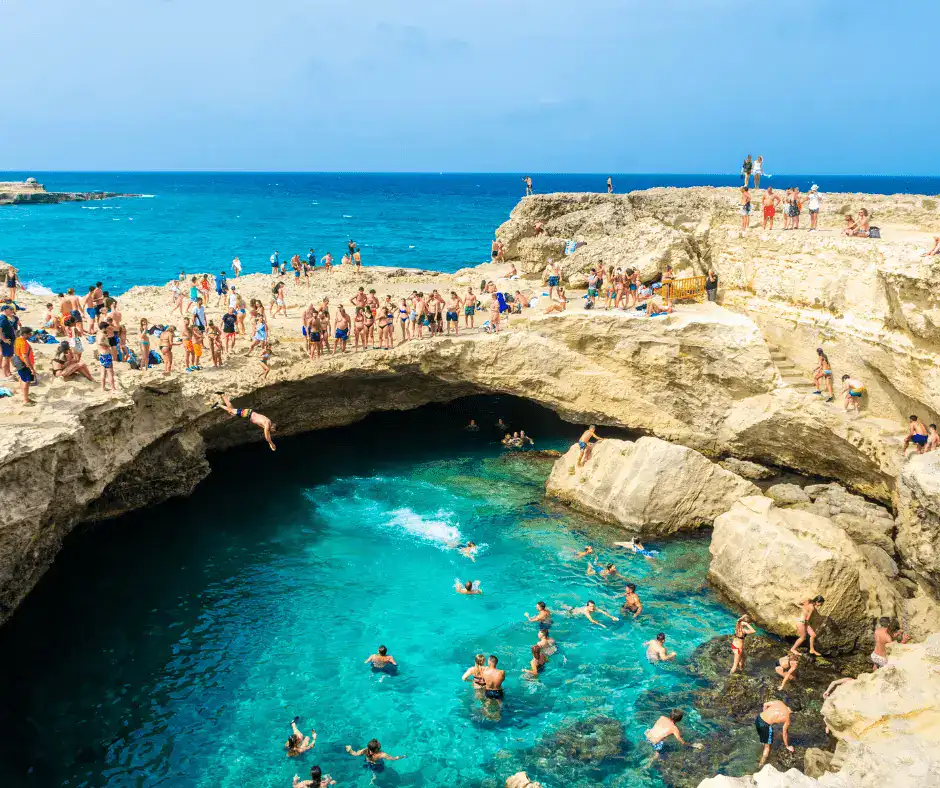
The coastline is flatter and more open. You’ll find limestone cliffs in places like Polignano a Mare, but you’ll also find sandy stretches and calm turquoise water. It’s less vertical, less dramatic and far less intense.
Bari is often the entry point. Its old town is lively and authentic, with narrow stone streets and a working harbor that feels real rather than curated.
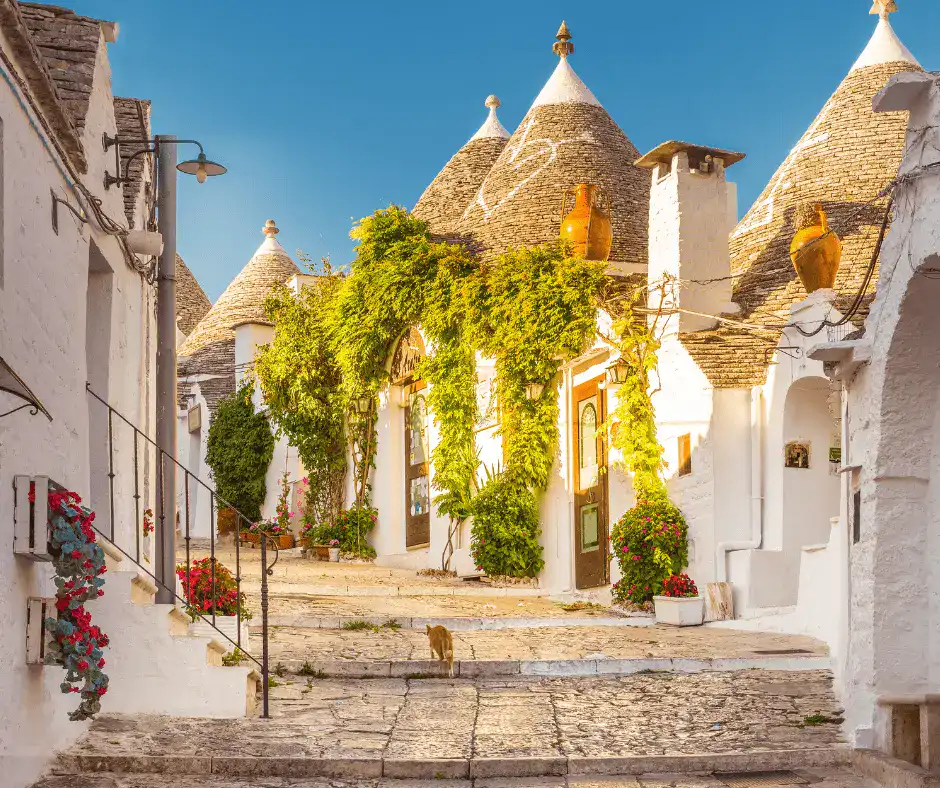
From there, the rhythm becomes slower. Days revolve around driving between whitewashed towns like Ostuni or Monopoli, swimming in clear water, and returning to a masseria tucked into olive groves. Evenings stretch long over seafood, orecchiette, and local wine.
Puglia works especially well for travelers who want coastal Italy without constant climbing or heavy logistics. It offers space, warmth, and food-driven experiences rather than cliffside drama.
How to Choose
Cliffside drama and iconic views? Amalfi Coast. Harbor elegance and polished charm? Italian Riviera. Compact villages and scenic hiking? Cinque Terre. Wide sandy beaches and traditional resort energy? Rimini and the Adriatic. Sun-soaked white towns, turquoise coves, and slower, food-driven evenings? Puglia.
There’s no wrong answer here… just the wrong coast for the wrong traveler. And that distinction matters more than most people realize before they book.
What doesn’t work is trying to cover it all. Italy is long, logistics take time, and every extra move chips away at the trip you actually came for. If you’re working with 10 days in Italy, that’s even more reason to commit to one stretch of coast rather than trying to sample them all.
Not sure where you fit in this picture? That’s exactly the kind of conversation I love having. Reach out and let’s figure it out.