
Sydney vs. Melbourne: A Tale of Two Cities

There’s a moment that happens to almost every traveler who lands in Australia for the first time. They step outside the airport, take in the light, the energy, the sheer scale of the place, and realize that nothing they imagined quite prepared them for the reality of it.
Australia has been on bucket lists for decades. But for many travelers, it stays there. Too far, too expensive, too complicated to plan. What’s shifting now is that more and more people are deciding it’s time. And once they go, the question is never “was it worth it?” It’s always “why did I wait so long?”
For most first-time visitors, the journey begins in the cities. And Australia’s two greatest cities, Sydney and Melbourne, are the perfect place to start. Not because they’re the safest or most obvious choice, but because they offer something that sets the tone for everything else the country has to offer: that rare combination of world-class sophistication and genuine, unhurried warmth.
Sydney is iconic in the truest sense of the word. The images are so familiar they almost feel like memories before you’ve even booked a flight. Melbourne is something different entirely. Quieter about its charms, deeper in its rewards, and the kind of city that stays with you long after you’ve left.
Together, they tell the opening chapter of an Australian story worth experiencing firsthand.

Sydney: The Harbour City
First Impressions
From the moment you arrive, Sydney makes itself known. The Opera House. The Harbour Bridge. That extraordinary harbour light. Some cities take time to reveal themselves. Sydney is not one of them.
Sydney grabs you from the start, sophisticated and sun-soaked, polished and utterly relaxed, sometimes all within the same afternoon.
That balance is really the key to understanding Sydney.
The Iconic Must-Dos
The Sydney Opera House deserves more than a photo from the outside. Take a guided tour inside those famous sail-shaped shells, or better yet, book a performance. The Opera House hosts over 1,800 shows every year, from world-class opera and ballet to comedy and contemporary music. Sitting inside that building as the lights go down is genuinely unforgettable.
The Sydney Harbour Bridge is equally essential. Walk or cycle across it for sweeping harbour views, or if you’re feeling bold, the BridgeClimb experience takes you all the way to the summit, 440 feet above the water, for a panorama that will take your breath away.
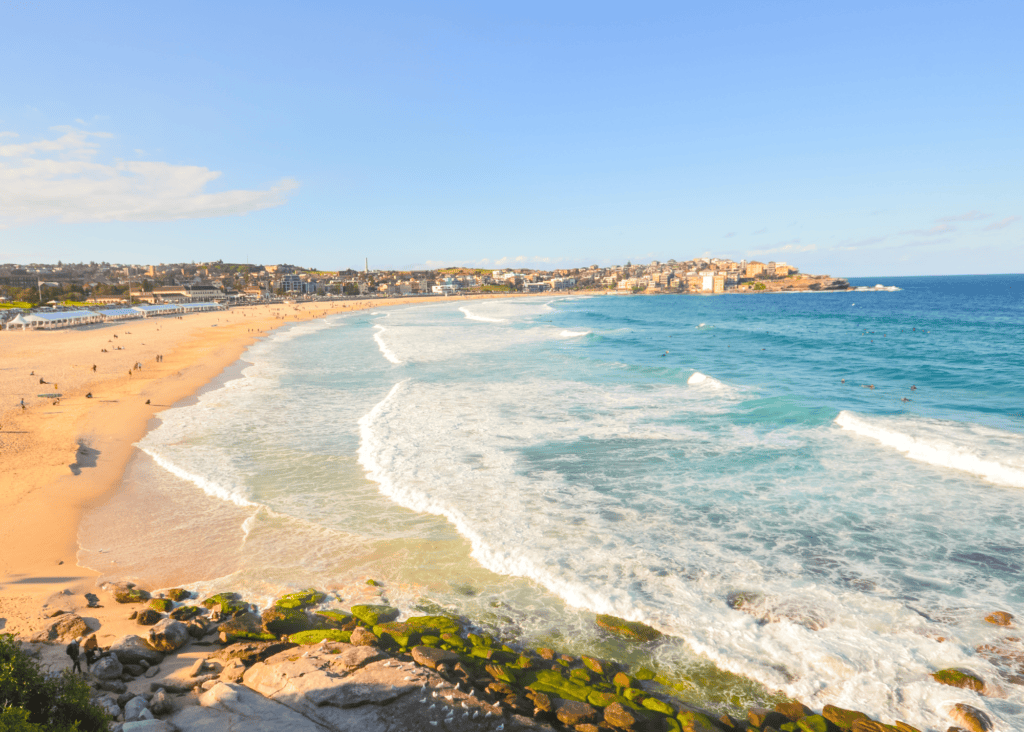
Bondi Beach rounds out the holy trinity of Sydney must-dos. The famous Bondi to Coogee Coastal Walk stretches about four miles along the cliffs, passing ocean rock pools, dramatic headlands, and hidden coves. Start early in the morning before the crowds arrive and you’ll have stretches of this walk almost entirely to yourself.
Beyond the Postcard
Darling Harbour is a fantastic full-day area. The SEA LIFE Sydney Aquarium, WILDLIFE Sydney Zoo, the Maritime Museum, and excellent waterfront dining are all within easy reach.
For something with more local flavor, The Rocks neighborhood tells the city’s colonial story through cobblestone streets, weekend markets, and historic pubs. Aboriginal culture is vibrant across Sydney, and cultural tours and exhibitions are worth seeking out intentionally rather than stumbling across accidentally.
The Royal Botanic Garden, tucked right next to the Opera House, is one of Sydney’s great free pleasures. A peaceful green escape in the heart of the city with harbour views woven throughout.
Day Trips from Sydney
Sydney’s surroundings are every bit as impressive as the city itself. The Blue Mountains are two hours away, offering waterfalls, forest trails, and sweeping lookouts that feel like a different country. The Hunter Valley offers vineyard tours and gourmet food. Port Stephens is known for its beaches, sand dunes, and dolphin-watching cruises.
When to Visit
The best months are the shoulder seasons, spring (September to November) and autumn (March to May), offering pleasant weather and fewer crowds. Plan for at least three to four days for the highlights, or five to seven days if you want day trips and time to truly settle in.
Melbourne: The Cultural Capital
First Impressions
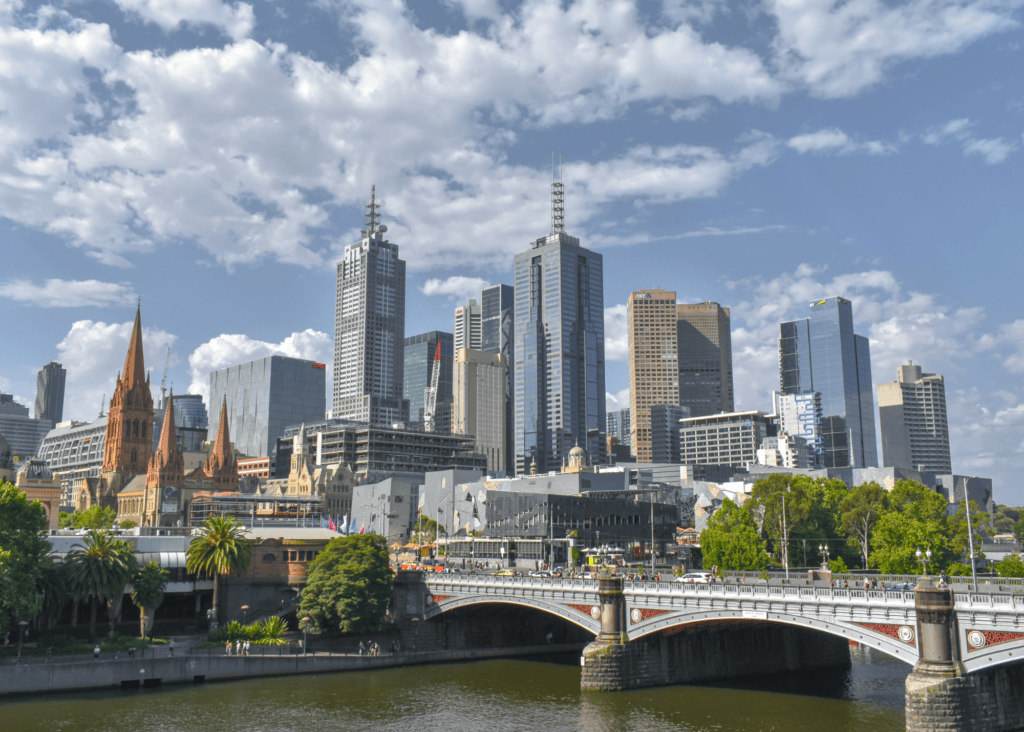
Some cities show you everything on the first day. Melbourne is not one of them. Walk the main streets and it’s polished and modern and perfectly pleasant. Turn down a laneway and the whole story changes. Street art covering walls from floor to ceiling. A tiny café with coffee that stops you mid-sip. Live music finding its way out of a bar you nearly walked right past. That’s where Melbourne lives. And once you find it, you won’t want to leave.
The Laneways: Melbourne's Living Soul
If there is one thing you absolutely must do in Melbourne, it is this: get lost in the laneways.
Hosier Lane is the most famous, an ever-changing canvas of stencils, tags, and murals by local and international artists. The artwork is never the same twice. Artists paint over each other’s work constantly, making it a living, breathing gallery.
Degraves Street is the quintessential café laneway, famous for alfresco dining, exceptional coffee, and street art. Pull up a chair, order a flat white, and just watch the city move. Hardware Lane buzzes with energy in the evenings with open-air dining and a lively atmosphere that spills onto the street. And AC/DC Lane, yes, named after the band, is a rock-and-roll pilgrimage site lined with bars and live music venues that come alive at night.
Coffee Culture: A Way of Life
Melbourne’s relationship with coffee is not casual. It is devotional. The city helped define the flat white and the specialty coffee movement, and its baristas approach their craft with genuine pride. Don’t order a “regular coffee” here. Learn the local language. A flat white is the Melbourne standard. Walking into Pellegrini’s Espresso Bar in the CBD, an iconic institution serving old-school Italian coffee since the 1950s, is stepping into living Melbourne history.

Culture, Markets and Neighborhoods
The Queen Victoria Market is the largest open-air market in the Southern Hemisphere and a Melbourne institution. Come hungry.
Melbourne’s neighborhoods are each a distinct world worth an afternoon. Fitzroy is bohemian and artsy, full of independent bookshops, vintage stores, and cafés where people linger for hours. St Kilda has a breezy beach vibe with an iconic Luna Park, excellent brunch spots, and if you time it right, little penguins that emerge from their burrows at sunset on the pier. Wild penguins waddling out in the evening, right in the middle of the city. That detail never gets old.
Day Trips from Melbourne
Phillip Island, about 90 minutes away, offers the famous Penguin Parade. Hundreds of little penguins emerging from the sea at dusk in an experience that delights adults every bit as much as children. The Great Ocean Road is a full-day adventure through dramatic cliffs, ancient rainforests, and the iconic Twelve Apostles rock formations rising from the Southern Ocean. And a sunrise hot air balloon ride above the Yarra River as the city lights up below is one of those experiences that locals forget to do and visitors never forget.
When to Visit
Autumn (March to May) offers the best blend of weather and things to do. Spring brings festivals and blooming gardens. And if you’re a sports fan, Melbourne in January means the Australian Open, one of the four Grand Slam tennis tournaments, drawing over half a million spectators and turning the entire city into a celebration.
Sydney or Melbourne: Who Wins?
The honest answer? Neither. And both.
Sydney wins on natural beauty, iconic landmarks, and beach life. Melbourne wins on food, coffee, art, and culture. Sydney dazzles immediately. Melbourne grows on you slowly and then never lets go.
If you only have time for one, go with Sydney for a first Australia trip. It delivers that jaw-dropping, pinch-yourself-you’re-really-here feeling immediately. But promise yourself you’ll come back for Melbourne. Once you’ve wandered its laneways, sipped its coffee, and felt its quiet creative pulse, you’ll understand why Melburnians never stop bragging about their city.
They’re right.
Practical Tips
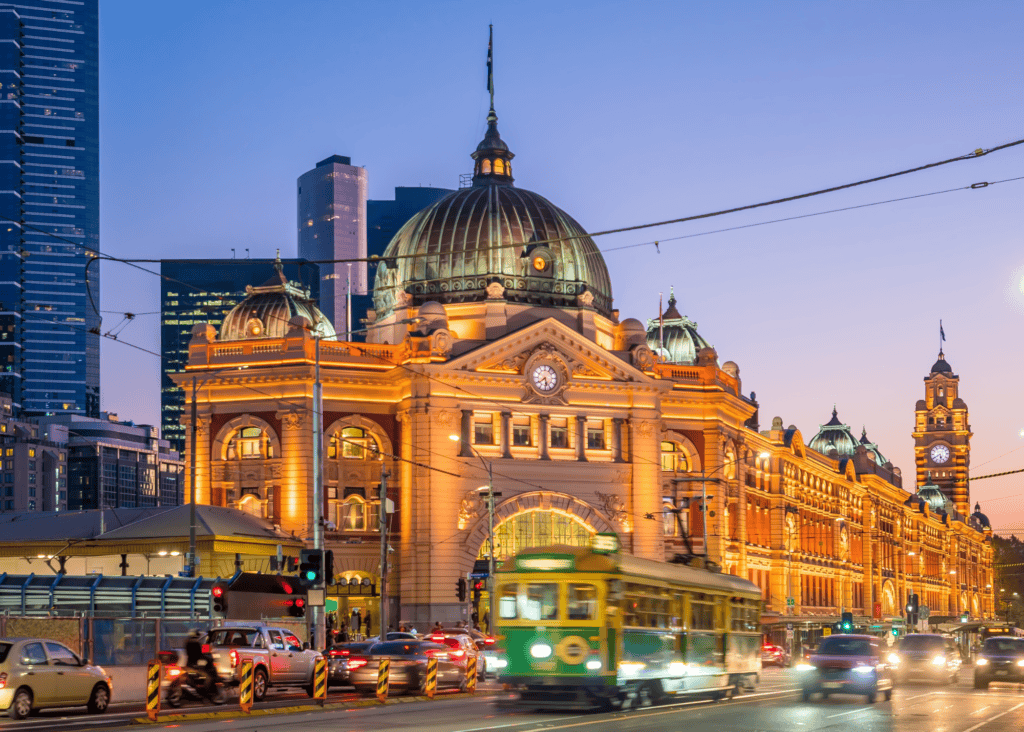
Getting between the two cities is easy. Flights run frequently and take about ninety minutes. In both cities, public transport is reliable and simple to navigate. Sydney’s Opal card and Melbourne’s Myki card work seamlessly on trains, trams, and buses. Melbourne’s free tram zone covers the entire CBD, meaning you can explore the city center without spending a dollar on transport.
Pack layers for Melbourne. The city is famous for “four seasons in one day” and the locals aren’t exaggerating. Most travelers spend seven to nine days combining both cities, and that pace works beautifully.
Australia’s two great cities each deserve a thoughtful itinerary that moves at the right pace. I’d love to help you design a Sydney and Melbourne trip that fits your travel style, the right hotels, the right experiences, and the right balance between both cities. To help you get a better idea of what you can do in each city, I have created a downloadable Top 10 list.
When you’re ready to move from inspiration to planning, let’s talk.