
Munich: A Bavarian City Worth Every Bit of the Hype
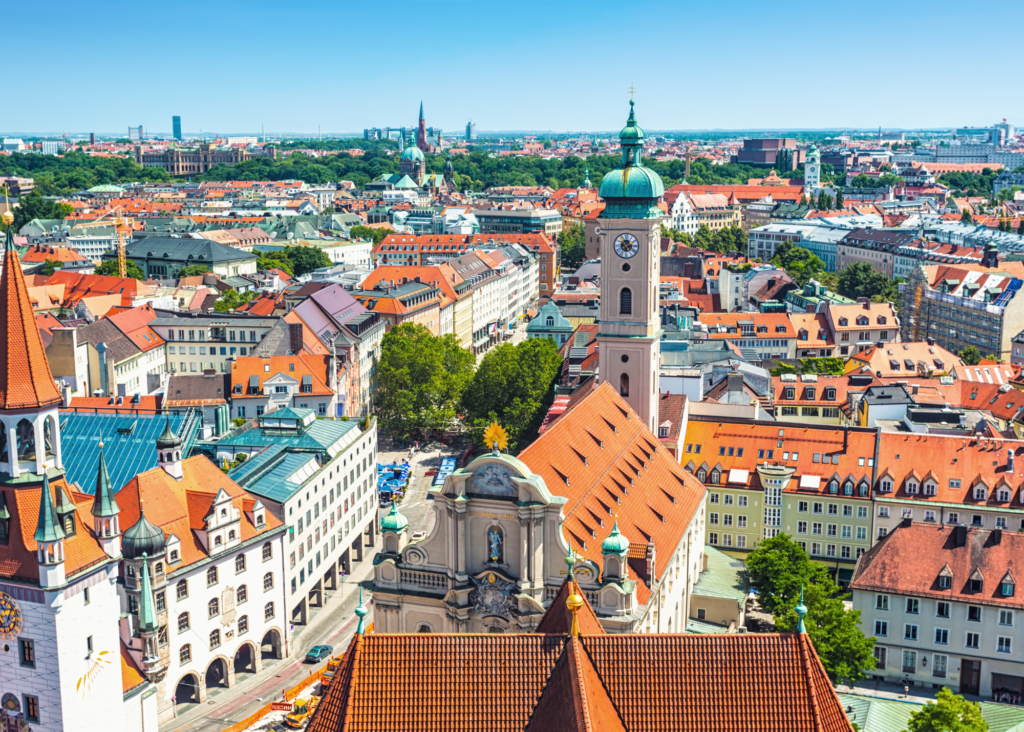
Munich is the kind of city that’s hard to argue with. The architecture is stunning, the food is unapologetically good, the beer gardens are a legitimate way of life, and the Alps are sitting right there on the horizon like a postcard you didn’t know was real. It checks every box without trying too hard, and that’s exactly what makes it so easy to love.
Bavaria’s capital sits in the southeastern corner of Germany with centuries of history baked into every street and square. It’s polished but not precious, historic but not frozen in time. People actually live here and enjoy it, and that energy comes through the moment you arrive. Wide boulevards, flower-filled window boxes, the smell of fresh bread and roasting meat drifting out of every market, it’s a city that engages all your senses before you’ve even figured out where you’re going.
If Munich isn’t already on your European itinerary, it should be.
Marienplatz
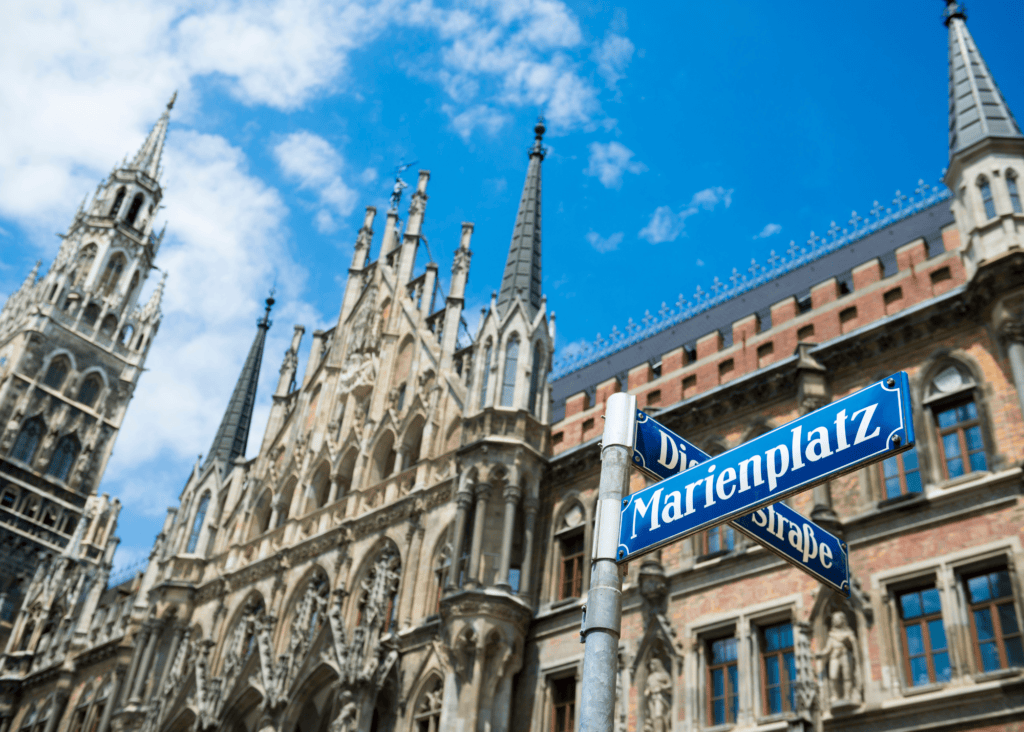
Start here. The central square is anchored by the Neues Rathaus, Munich’s neo-Gothic town hall, with its elaborately carved facade and the famous Glockenspiel perched up top. Twice a day the mechanical figures come to life and reenact scenes from Munich’s history, and even if you’re not typically a “watch the tourist attraction” person, you’ll watch. The square itself is lively year round, ringed with cafes and street life, and it sets the tone for the whole city perfectly. On warm evenings the whole place glows, locals and visitors mixing together over coffee and cold drinks while the city hums around them. Give yourself time to just sit with it before you move on.
The English Garden
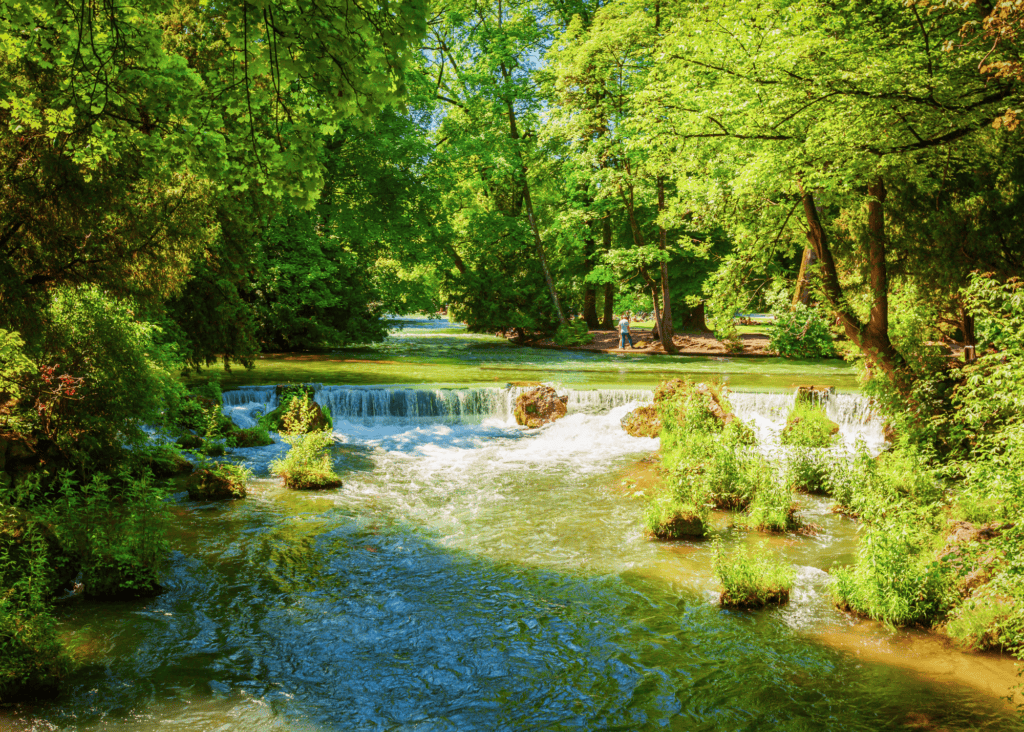
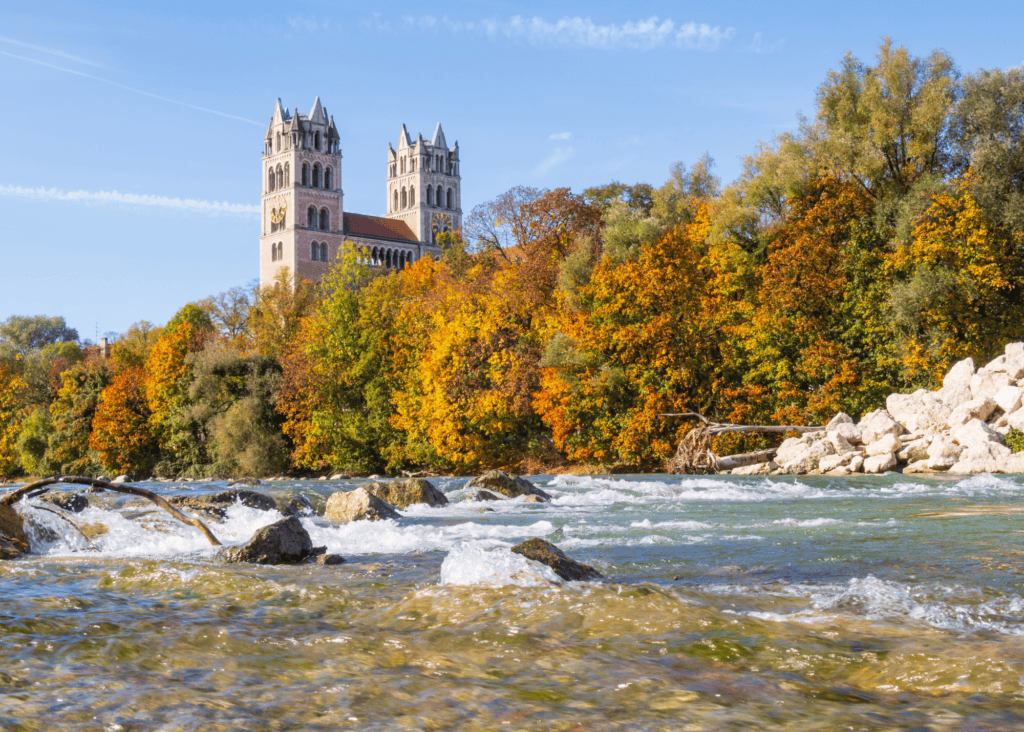
Seriously. One of the largest urban parks in the world sits right in the middle of Munich, and locals treat it like their backyard because it basically is. People run, cycle, picnic, and float down the Eisbach river channel on surfboards year round. Yes, actual surfboards, in the middle of a landlocked city. In summer the meadows fill up with sunbathers and the beer garden at the Chinese Tower is packed by noon. In fall the trees turn and the whole park goes amber and golden and almost unbearably pretty. It’s the kind of place where you plan to spend an hour and look up four hours later completely content. Grab something from a nearby bakery and just walk.
Nymphenburg Palace
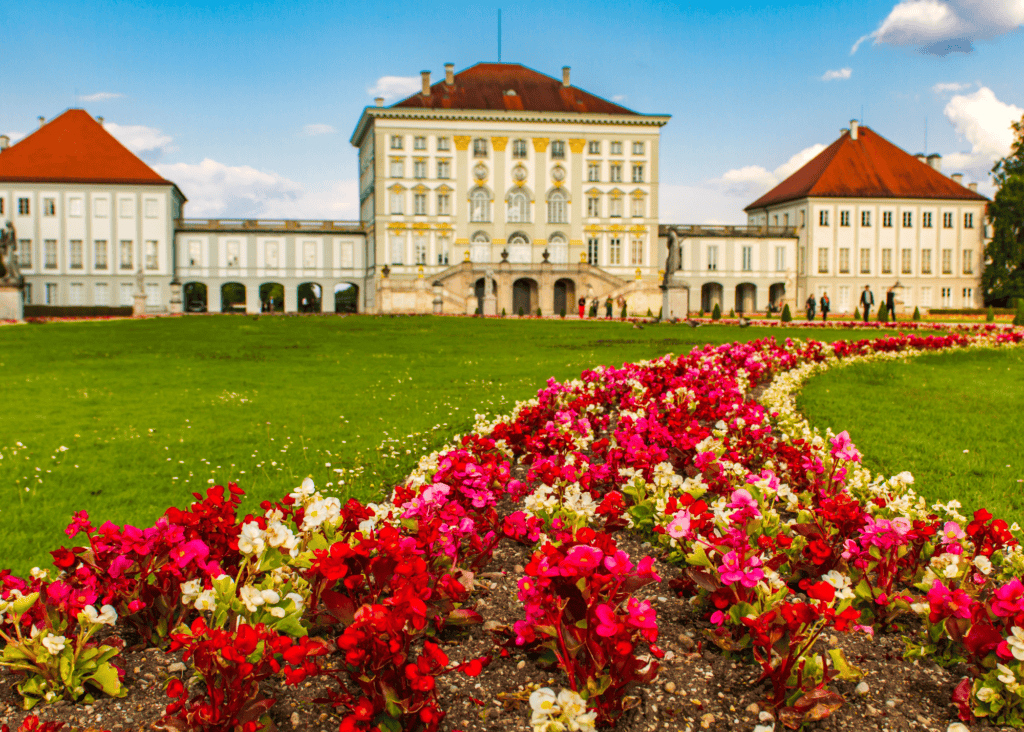
On the western edge of the city sits one of the most beautiful palace complexes in Europe. Nymphenburg was the summer residence of the Bavarian royal family, and it shows. The main building is grand and symmetrical, flanked by formal gardens that stretch out in every direction with fountains, canals, and perfectly manicured hedgerows framing the whole scene. Inside you’ll find elaborately decorated state rooms, painted ceilings, and the famous Gallery of Beauties, a collection of portraits commissioned by King Ludwig I of the women he considered the most beautiful in Bavaria. It’s equal parts regal and completely fascinating. You can tour the interior, wander the grounds, or just sit by the canal out front and take in the whole scene.
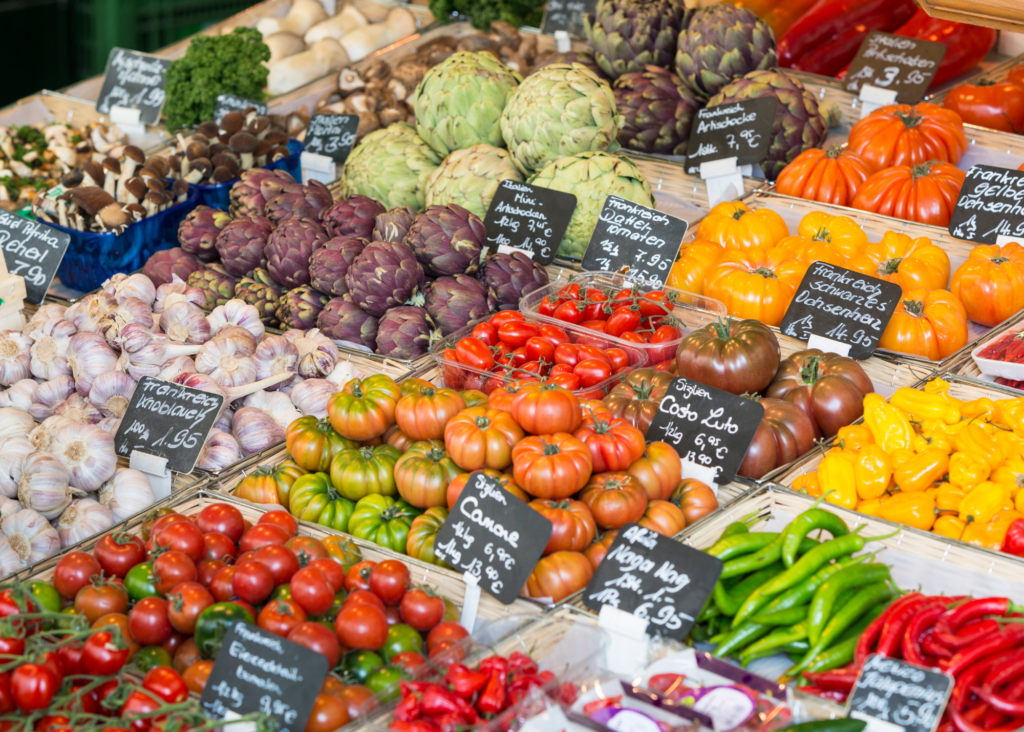
Viktualienmarkt
Skip the sit-down lunch and head straight to Viktualienmarkt instead. This open-air market in the heart of the city has been running since 1807 and it’s still one of the most vibrant food markets in Germany. Fresh produce, local cheeses, charcuterie, Bavarian pretzels, sausages, and stall after stall of things you want to eat immediately. The smells alone will stop you in your tracks. There’s an outdoor beer garden right in the middle of it all, shaded by old chestnut trees, where you can sit down with a Mass of beer and a plate of whatever looked best at the stalls. Get a tray, find a table, and eat like a local. This is Munich at its most unpretentious and most delicious.
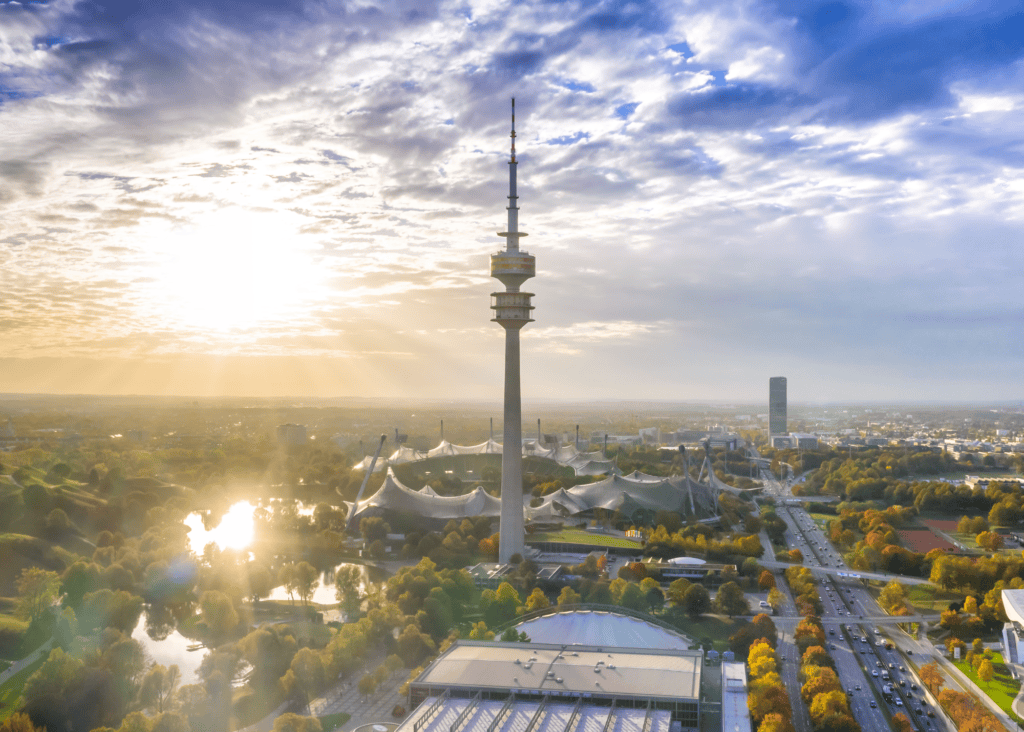
Olympiapark
Built for the 1972 Summer Olympics, Olympiapark has aged into one of Munich’s most enjoyable outdoor spaces. The sweeping tent-like roof structures are architectural icons, and the hill at the center of the park gives you a panoramic view of the city with the Alps stretched out behind it on a clear day. On the right morning you can see all the way to the mountains with almost no effort, just climb the hill, turn around, and stand there for a while. It’s a great place to decompress after a full day of sightseeing, and the vibe is relaxed and unhurried in a way that feels very Munich.
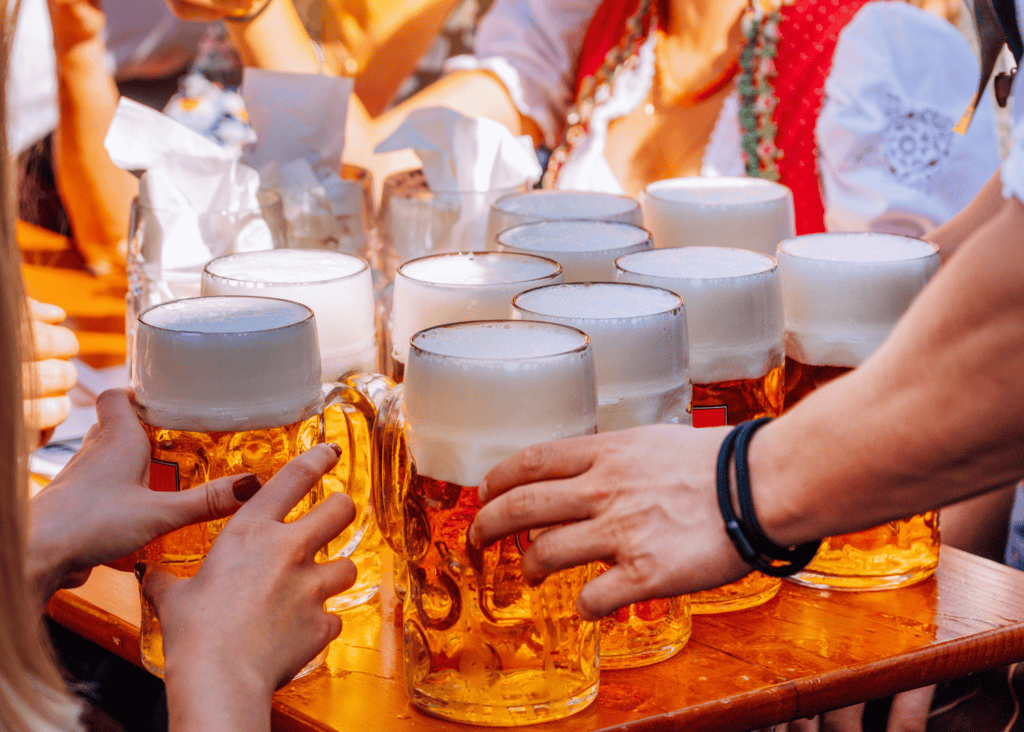
Oktoberfest
If you have any flexibility in your travel dates, consider timing your trip for late September into early October. Oktoberfest is the world’s largest folk festival and it started right here in Munich, on the Theresienwiese fairgrounds just southwest of the city center. What began as a royal wedding celebration in 1810 has grown into a two-week event that draws millions of visitors from around the world, and it’s every bit as spectacular as you’d imagine. Massive festival tents, each one hosted by a different Munich brewery, fill with long communal tables where strangers become friends over liters of fresh Märzen beer and whole roasted chickens. There’s live brass band music, traditional Bavarian dress everywhere you look, and an energy that’s completely unlike anything else in Europe. Book your accommodations months in advance if Oktoberfest is your window. It sells out fast and for good reason.
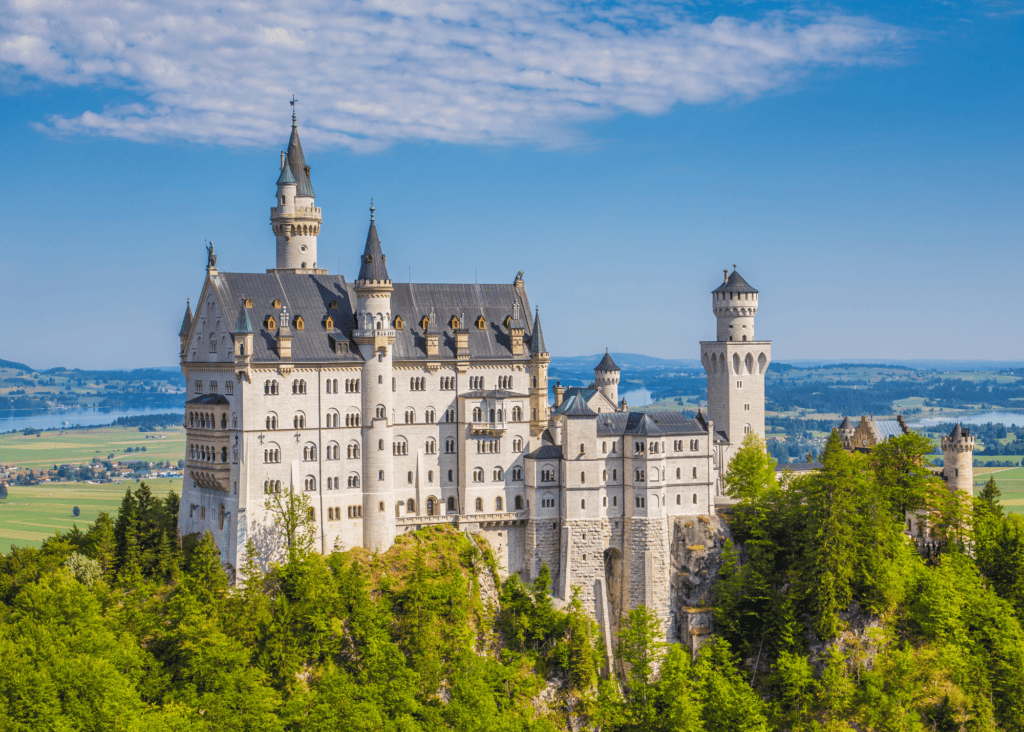
Neuschwanstein
The fairy tale castle that inspired Disney’s Sleeping Beauty sits about two hours from Munich by train and it’s one of the most iconic sights in all of Germany. King Ludwig II commissioned Neuschwanstein in the 1860s and it looks exactly like what it is: a castle built purely out of romantic fantasy, perched on a rocky cliff above a gorge with the Bavarian Alps rising up behind it. The interior is just as dramatic as the exterior, filled with elaborately painted rooms, medieval-inspired details, and a throne room that was never actually finished. The hike up to the castle is part of the experience, and if you time it right and catch it on a clear morning with a little mist in the valley below, it’s genuinely one of those travel moments you don’t forget. It’s an easy day trip from Munich and absolutely worth adding to your itinerary.
A few things to know before you go
Munich is a year-round destination and every season brings something different. Summer means beer gardens in full swing and long golden evenings that stretch past nine o’clock. Winter brings Christmas markets that are among the best in all of Europe, with mulled wine and roasted nuts and the whole city strung with lights. The public transportation system is excellent and easy to navigate, and most of the major sights are accessible on foot or by U-Bahn without much effort. Two full days gets you to the highlights. Three gives you room to breathe and actually experience the city rather than just move through it.
Planning a trip to Europe and want help building an itinerary that’s custom and well-researched from start to finish? That’s exactly what I do. Get in touch.