
Why Everyone Is Going to Italy Right Now And How to Go Anyway
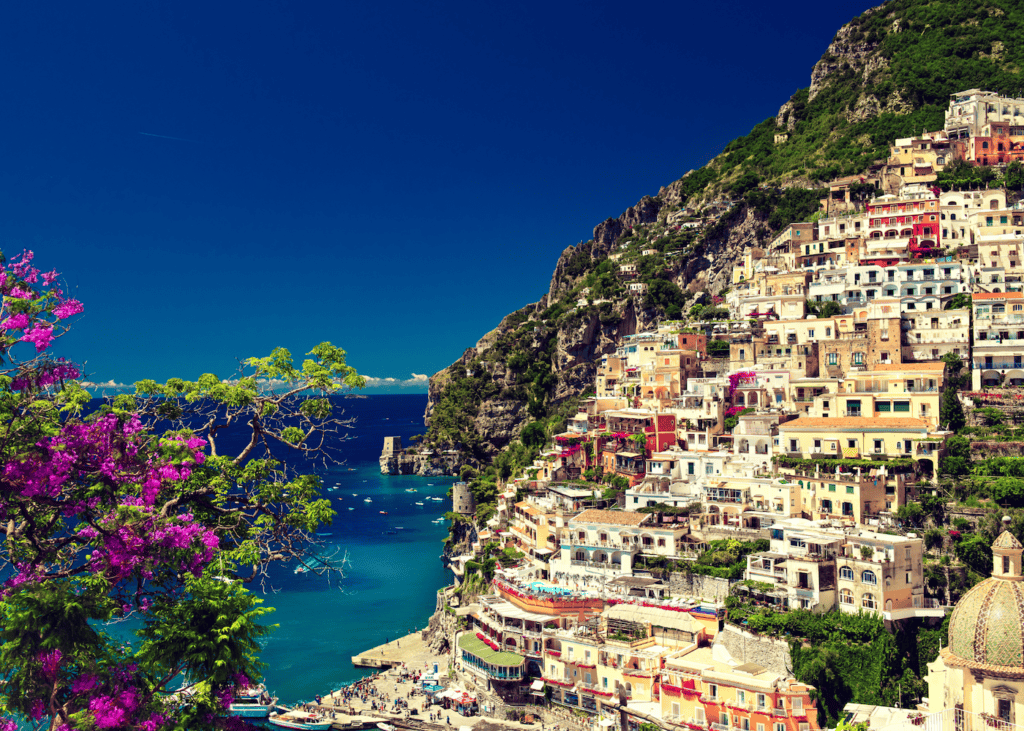
Italy has always been popular. But what’s happening right now is something different, and if you’ve been there recently or you’re planning a trip, you probably already feel it. The crowds have reached a level that honestly makes me a little sad, because this country deserves to be experienced, not survived. It’s still one of the most beautiful places on earth, with food and art and coastline that justifies every bit of the hype. But Italy travel has changed dramatically over the past five years, the best time to visit Italy keeps shifting, and if you’re planning a trip right now you deserve the real version of what you’re walking into.
The Numbers Tell the Story
he statistics coming out of Italy right now are genuinely hard to wrap your head around, so I’ll just say it plainly: in 2024 the country shattered its own tourism records, and 2025 came in even stronger with summer travel demand up nearly 18% over the year before. That’s not a modest uptick. That’s the difference between a two hour wait to get into the Colosseum and that little trattoria you read about being booked three weeks out before you even land.
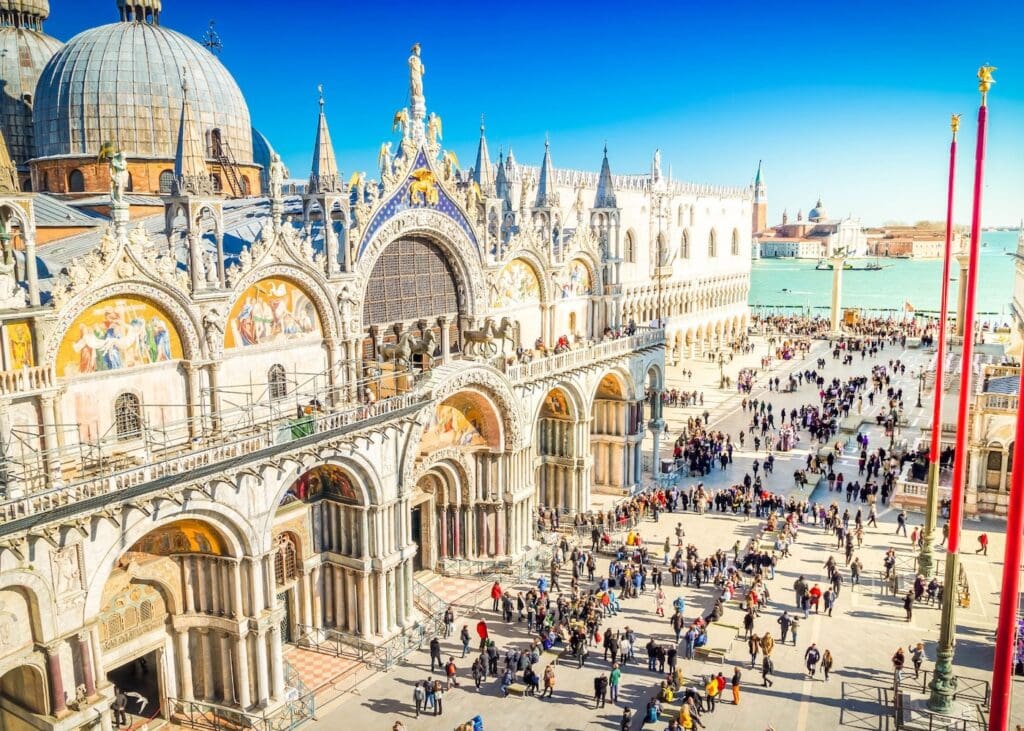
Venice is the most extreme example and honestly the one that makes me the most wistful. There are now nearly twice as many tourists there on any given day as there are people who actually live there. Twice. Rome isn’t far behind, and the 2025 Jubilee year poured even more visitors into a city that was already at its limit. And none of this is slowing down. International visitors to Italy have grown at more than double the European average since 2019. Italy isn’t just popular. It’s become one of those destinations that feeds on its own momentum.
Why Italy? Why Now?
Part of this is the post-pandemic travel explosion that hit every popular destination hard. People put off trips for two years and then booked everything at once. But Italy’s surge goes deeper than that.
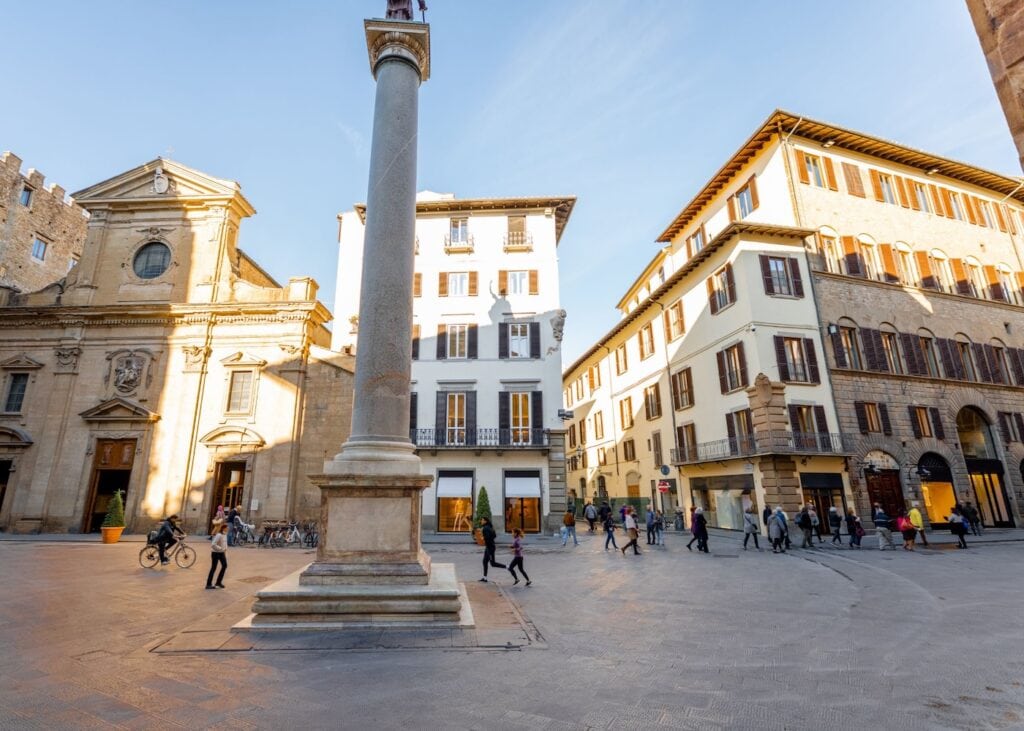
Social media changed everything. A single viral video of the Amalfi Coast or a sunset over the Tuscan hills reaches millions of people overnight, and a percentage of them immediately open a new tab and start planning. The visual nature of Italy, those colors, those piazzas, that coastline, makes it one of the most pinned and saved destinations on every platform, and that visibility just compounds. Then there’s the food obsession. Pasta-making classes, truffle hunting, wine tourism in Tuscany, these have gone from bucket list items to primary reasons people book. Slow travel has become a dominant trend and Italy is perfectly built for it. Put all of that together and you’ve got a country that almost never disappoints anyone who visits, which means the word of mouth alone keeps the momentum going indefinitely.
What This Is Actually Doing to Italy
Here’s the part that genuinely makes me sad, because it goes beyond inconvenient lines and overbooked restaurants.
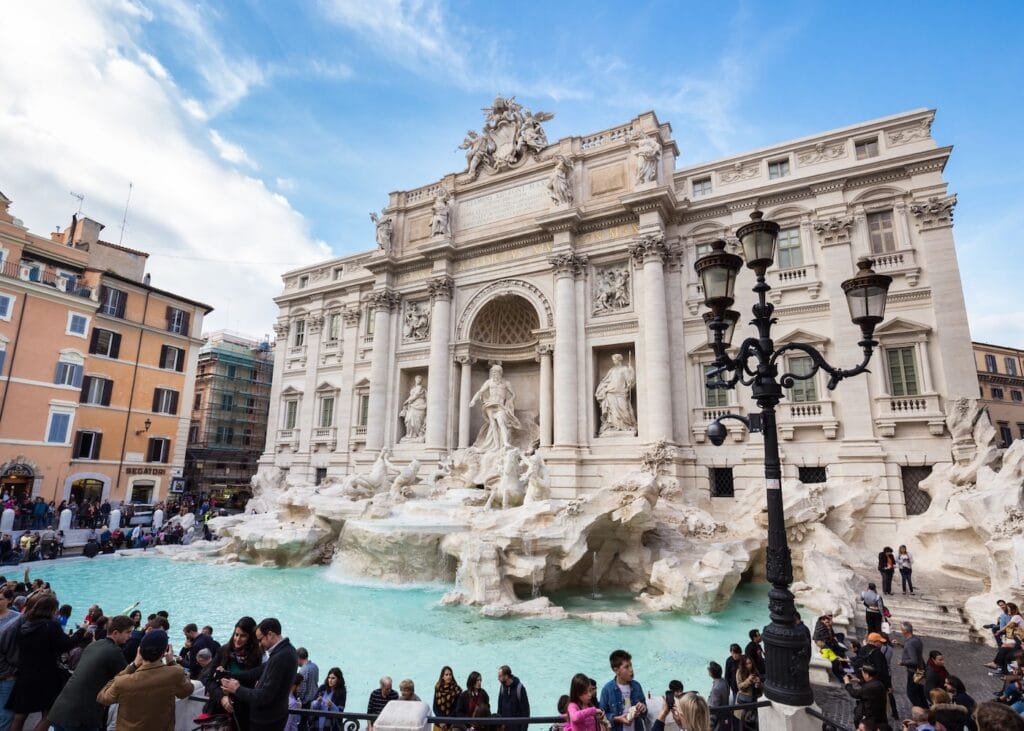
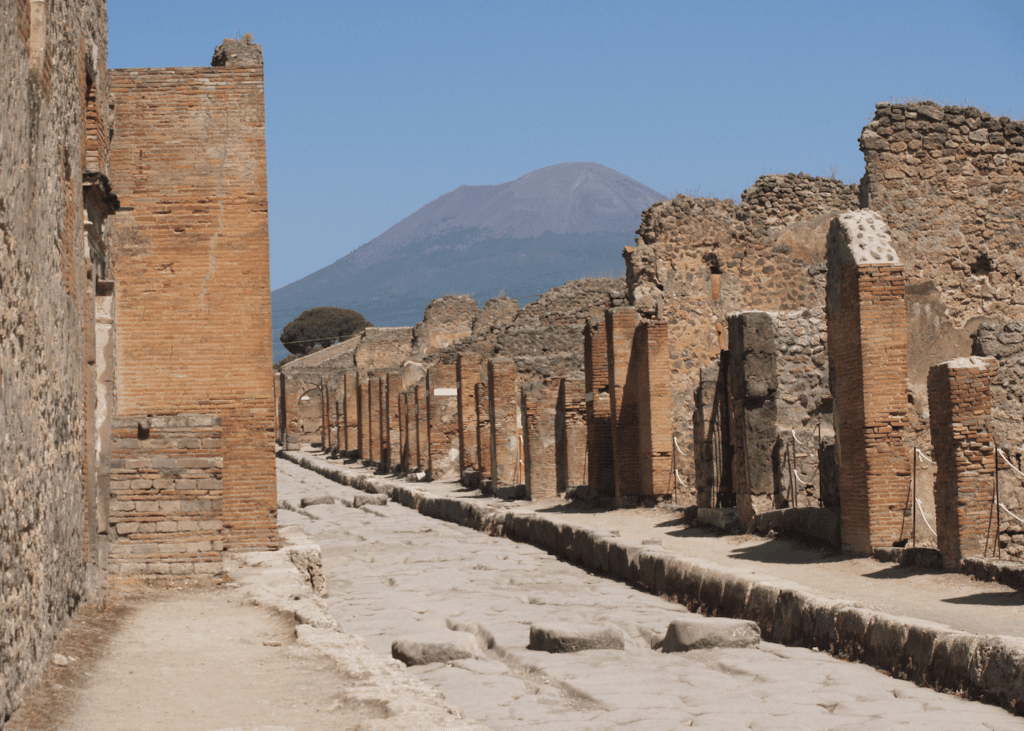
Venice is the most talked about example, and for good reason. The entry fees, the cruise ship restrictions, the ongoing debate about how to manage the flow of visitors, all of it is pointing to a city that’s working incredibly hard to protect what makes it special. But locals are leaving as housing costs climb, and the Venice that enchants millions of visitors every year is slowly becoming harder to actually live in. Pompeii now caps daily visitors because the foot traffic was literally wearing the ruins down. These are places that survived centuries of history, and the challenge now is making sure they survive us. Rome has already introduced fees to visit the Trevi Fountain, something that would have seemed absurd even ten years ago. Cities across Italy are rolling out tourist taxes, timed entry systems, and reservation requirements that simply didn’t exist before.
None of that is a reason not to go. It’s a reason to go thoughtfully, and to think carefully about how you travel there.
What This Means for Your Trip
Here’s the honest truth: Italy isn’t a wing-it destination anymore, at least not if you actually want to enjoy it. The shoulder seasons aren’t the secret they used to be. The logistics are more layered than they were even five years ago. And the difference between a trip that feels magical and one that feels like an obstacle course almost always comes down to how well it’s been thought through before you ever get on the plane.
Knowing which sites require timed entry, which regions to pair with the big cities to give yourself room to breathe, how to build an Italy itinerary that doesn’t leave you exhausted by day three, that’s where having someone in your corner makes a real difference. Italy is extraordinary and it’s absolutely worth going. You just need a plan that accounts for what it actually is right now, not what it was fifteen years ago.
If you want help figuring that out, reach out. Italy’s still worth every bit of it.