
How to Plan Multigenerational Vacations That Actually Work for Everyone
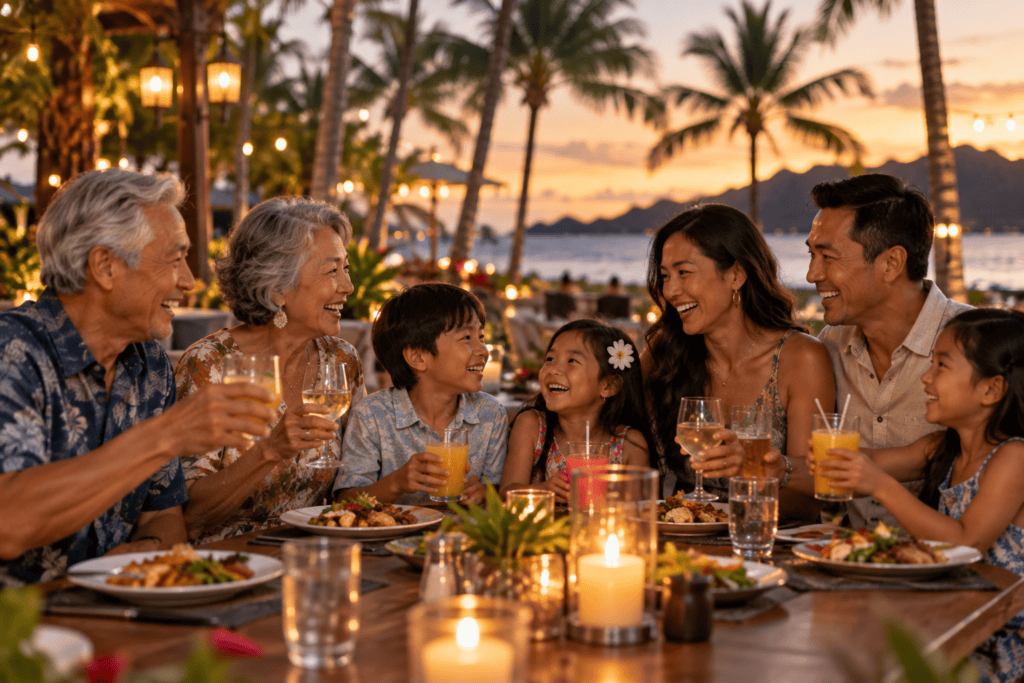
One person wants a beach. One wants a museum. One needs a nap by 2 p.m. and has opinions about it. And someone in the group described themselves as “easygoing” but has very specific feelings about restaurants. If you’ve ever tried to get grandparents, parents, and kids all moving in the same direction, you already know that figuring out how to plan multigenerational vacations has almost nothing to do with picking a beautiful destination and everything to do with building a trip that actually feels good for everyone who’s on it.
That’s exactly what makes these trips so worth doing when they’re done well. You’re not just booking flights and rooms. You’re creating space for something that doesn’t happen often enough, shared time across generations, real time, not a holiday dinner or a quick weekend but actual days together in a place that’s new to everyone. That takes more thought than most people expect going in.
The challenge isn’t that people love different things. That part is completely normal. The challenge is that different generations travel differently. Grandparents often want comfort, shorter walking days, and fewer hotel changes. Parents want a trip that feels worth the expense and effort, not a week of managing logistics in a new time zone. Kids need movement, some flexibility, and the comfort of familiar routines even when everything around them is unfamiliar.
Then there are the layers you don’t always see coming. Budget comfort levels vary. Mobility needs aren’t always obvious until you’re standing in front of a cobblestone street, a steep staircase, or a long airport connection. Sleep schedules, food preferences, room configurations, and attention spans all matter more when you’ve got three generations under the same itinerary. Successful multigenerational travel almost always comes down to realistic planning, not trying to please everyone every single minute, just making good decisions early before small mismatches become trip-long frustrations.
Start With the People, Not the Destination
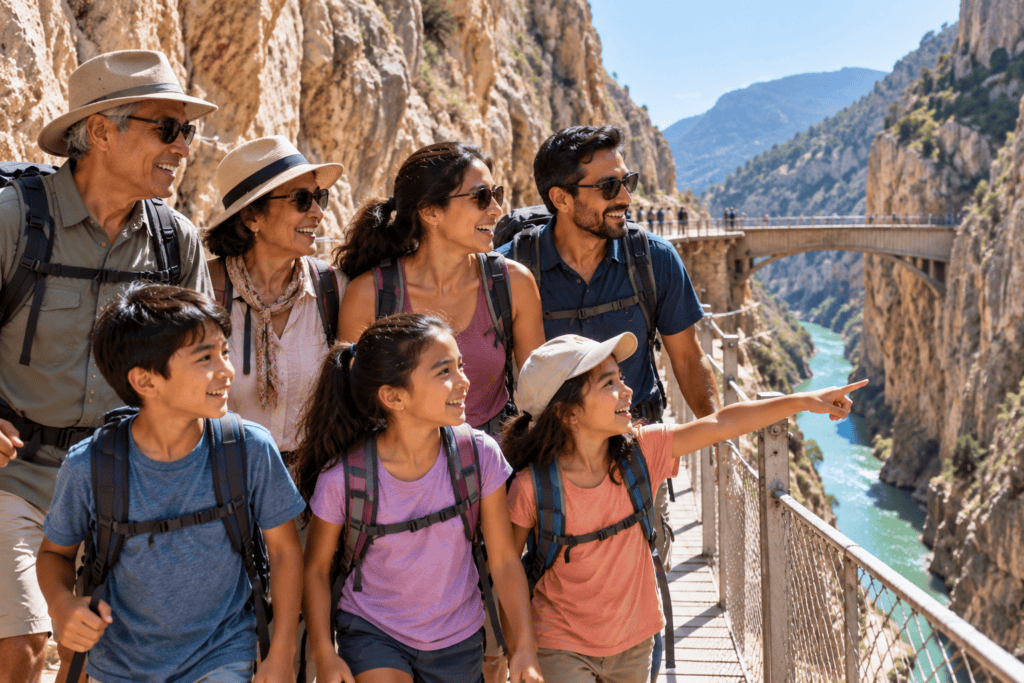
The first thing I ask families is what this trip is actually for. That sounds obvious, but it changes everything downstream. Is this a milestone birthday? A reunion with built-in breathing room? A heritage trip for grandparents to share something meaningful? A beach week where the whole point is just being together without a packed schedule? When the purpose is clear, the decisions get easier. You stop trying to force one trip to do ten different jobs.
That clarity is also where honesty matters most. Not every destination works equally well for every mix of people. A trip that looks perfect on paper can feel exhausting in practice if the pace is too aggressive or the logistics are too layered. The most useful questions before choosing a destination aren’t “where should we go” but “who is going.” What does each person need to feel comfortable? What kinds of days leave people energized versus depleted? Who needs privacy, and who wants to be together constantly? Those answers usually point to the right place far more reliably than any trending list.
Pacing Is Everything
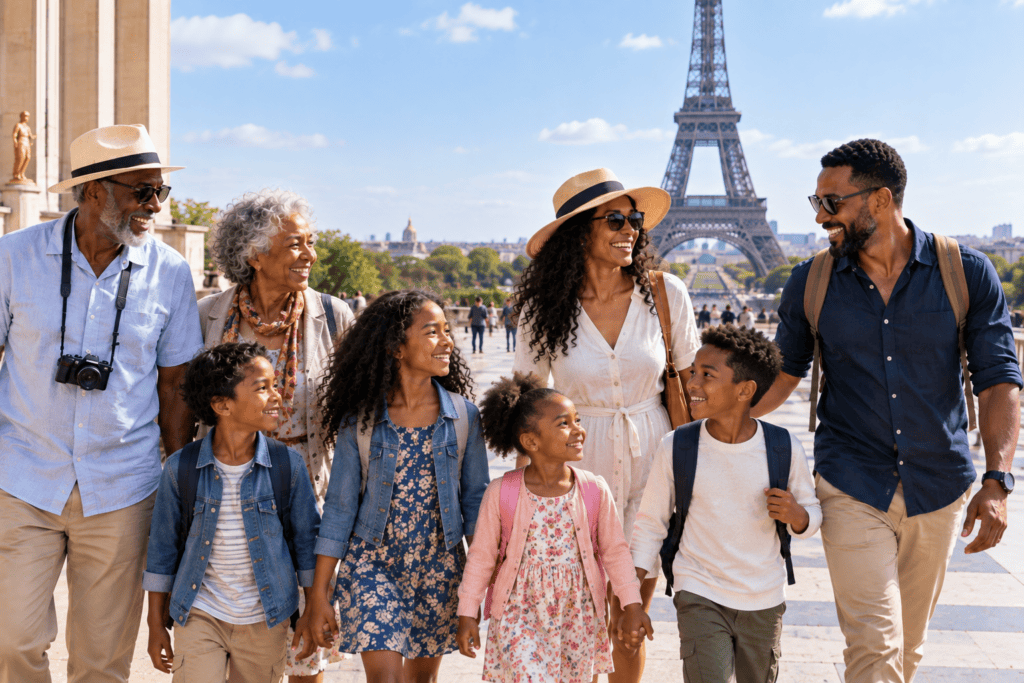
If there’s one place multigenerational trips fall apart, it’s pacing. Families consistently underestimate how tiring travel days, sightseeing, and nonstop togetherness can be, even when everyone is genuinely happy to be there. What feels “not too busy” to one person can feel completely packed to someone else. A better rhythm almost always means fewer hotel moves, slower mornings, planned downtime, and one anchor experience each day instead of three. That’s not a boring trip. That’s a trip people actually have the bandwidth to enjoy.
I’m a big believer in building in choice rather than requiring everyone to do everything together. Maybe the morning is shared, a private boat, a market visit, a cooking class, and the afternoon splits naturally. Grandparents rest. Parents find a wine bar or spa. Kids swim. Everyone comes back together for dinner. That structure tends to work beautifully because it balances real connection with enough room to breathe. Even in the closest families, nobody needs to be together every waking minute for a trip to feel special.
The Details That Make or Break It
Accommodations deserve more thought on these trips than almost anything else. Layout matters. Elevator access matters. Connecting rooms, suites, villas, and residences can make a real difference when the group wants both togetherness and privacy. A boutique hotel with beautiful bones might be completely wrong if the stairs are steep, the rooms are compact, or there’s nowhere comfortable for everyone to gather. A villa can be incredible for shared time, but only if service, transportation, and logistics are handled carefully. Otherwise what seemed like the easy option becomes one more thing for someone in the family to manage.
Budget conversations need to happen early too. Multigenerational travel gets expensive fast, and assumptions about who’s paying for what can create real awkwardness. Before plans get too far, it helps to clarify expectations around accommodations, experiences, and where the group wants to prioritize spending. There’s no right answer. What matters is that everyone’s on the same page before the itinerary takes shape.
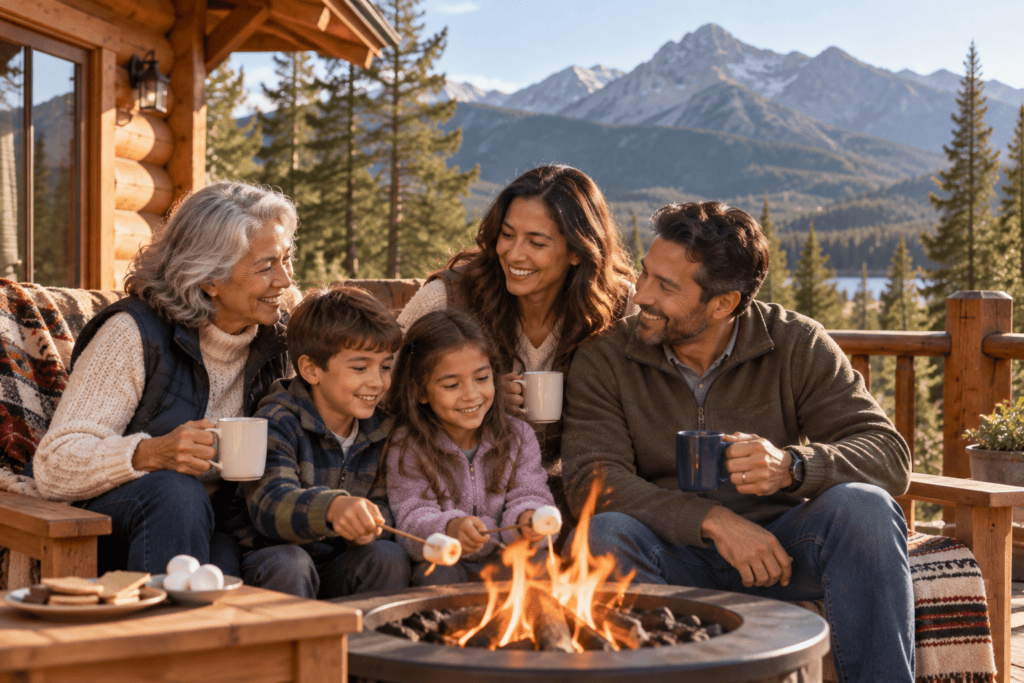
It also helps to identify the moments that really matter and build around those. Maybe it’s a sunset dinner, a boat day, a family photo session, or a private guide who can bring local history to life for grandparents and kids at the same time. Those become the memories. Everything else can flex. Not every activity needs to include everyone, and some of the best multigenerational trips I’ve seen are the ones where people felt free to fully participate in what suited them and skip what didn’t.

The best multigenerational vacations don’t happen because everyone wanted exactly the same thing. They work because the trip was designed with enough care that each person felt considered, and that’s what makes being together feel easy.
If you’re starting to think through one of these trips and want a second set of eyes, reach out. I love helping families get this right.