
What to Expect on Your First Safari
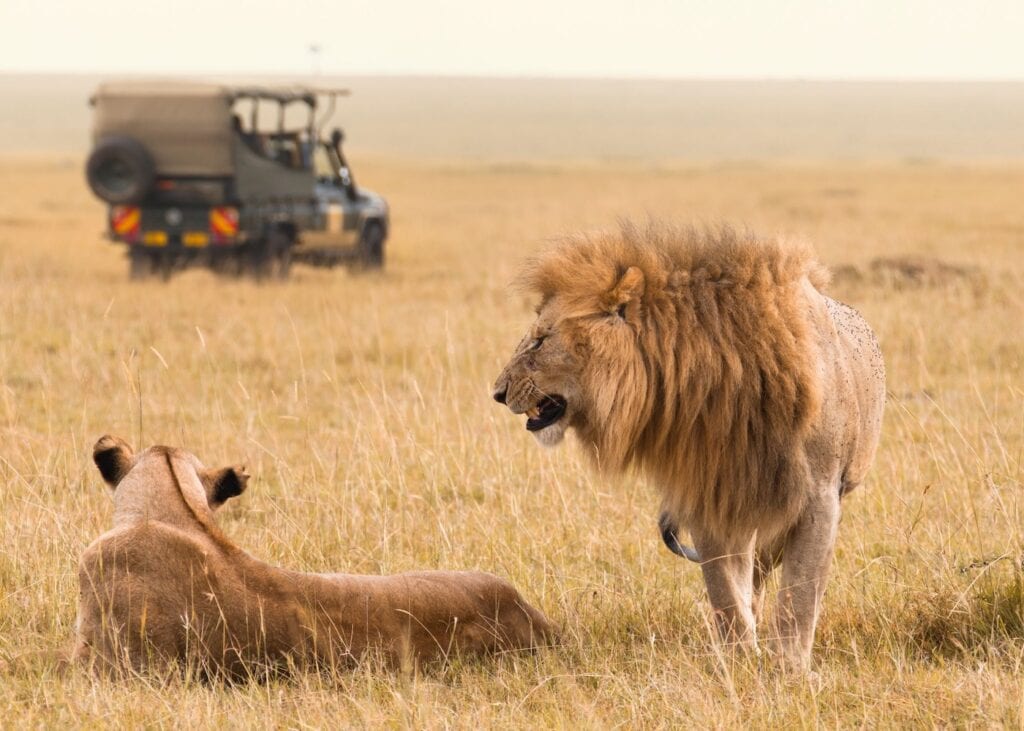
Nothing quite prepares you for your first safari. You can read every packing list and blog post out there, look at a hundred photos of lions in golden light, and still have no idea what it actually feels like to sit in an open vehicle at dawn while an elephant walks close enough that you can hear it breathing. That gap between what you picture and what it actually feels like is part of why people come home from their first safari completely changed on the subject. It’s not just the wildlife, though the wildlife is obviously the draw. It’s the pace of the days, the way time stops mattering in the way it usually does, and the small moments that end up sticking with you more than the big ones you expected to.
A Day on Safari
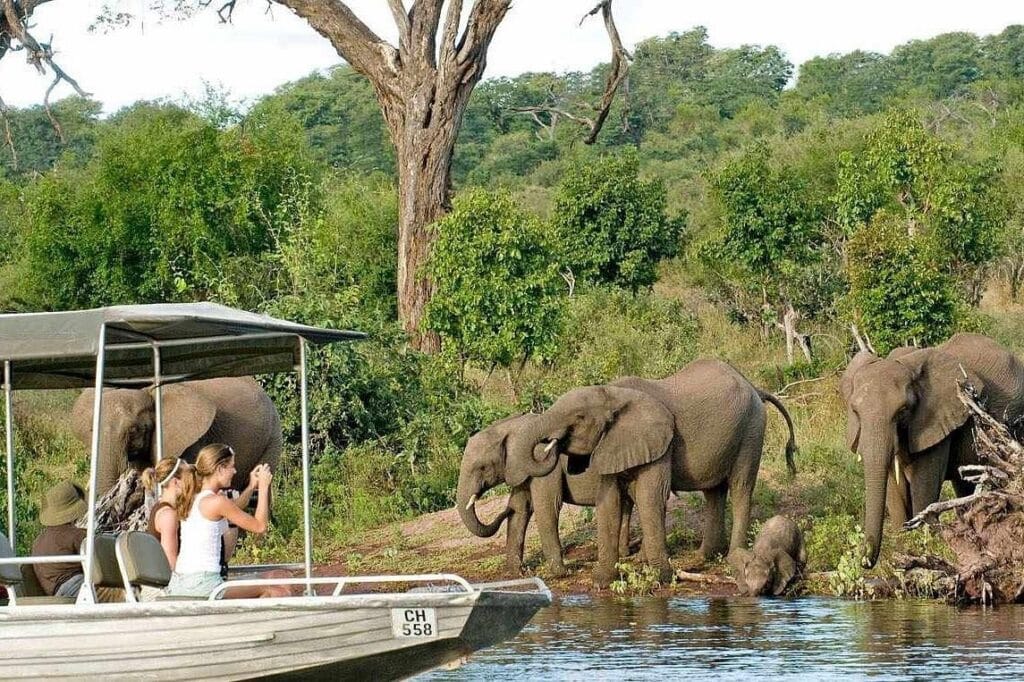
Each morning, you’ll be dressed and in the vehicle before the sun clears the horizon. Depending on where you’re staying, that means a game drive, or if your camp sits on a river like the Zambezi, a morning cruise instead. Either way your guide has coffee, tea, and something to snack on ready for you before you’ve even fully woken up. Drives usually run a few hours, and how long you’re out depends entirely on what you find. If nothing much is happening, your guide might head back early. If you’ve come across a pride of lions or a leopard on the move, you could easily stay out well past when you expected to be back.
You come back to camp for a real breakfast, not a grab and go situation. Eggs, fresh fruit, pastries, sometimes a full spread depending on the camp. After that, the middle of the day is yours. Some people nap. Some sit by the pool or on their private deck watching whatever wanders past, since animals don’t exactly respect camp boundaries. Lunch tends to be a slower, sit down meal too, and a lot of camps serve it outside if the weather allows.
By late afternoon you’re back out again, drinks and snacks packed along for the ride. At some point you’ll stop somewhere scenic for sundowners, watching the sky turn colors you don’t really get at home while you have a drink in hand. If your camp is near water, that afternoon outing might be an evening cruise instead of a drive. Dinner back at camp is often the highlight of the day socially, with everyone trading stories about what they saw that day before turning in early, since tomorrow starts before sunrise all over again.
If you’re used to packed vacation days where every hour is scheduled, this pace takes some adjusting to. There’s no rushing between things here. You’re watching, waiting, and letting the day unfold on its own schedule instead of yours. Couples tend to find it surprisingly intimate. Families come home with memories that don’t feel forced. Solo travelers often describe it as grounding in a way that’s hard to explain until you’ve actually lived a few days of it.
Setting Realistic Expectations for Wildlife
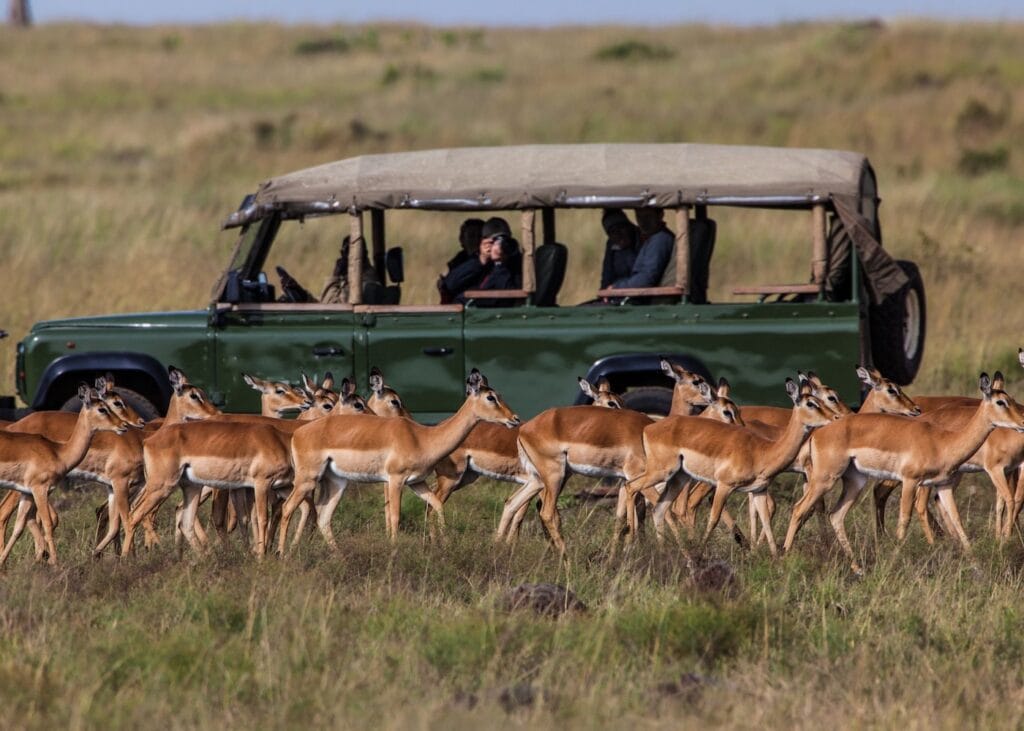
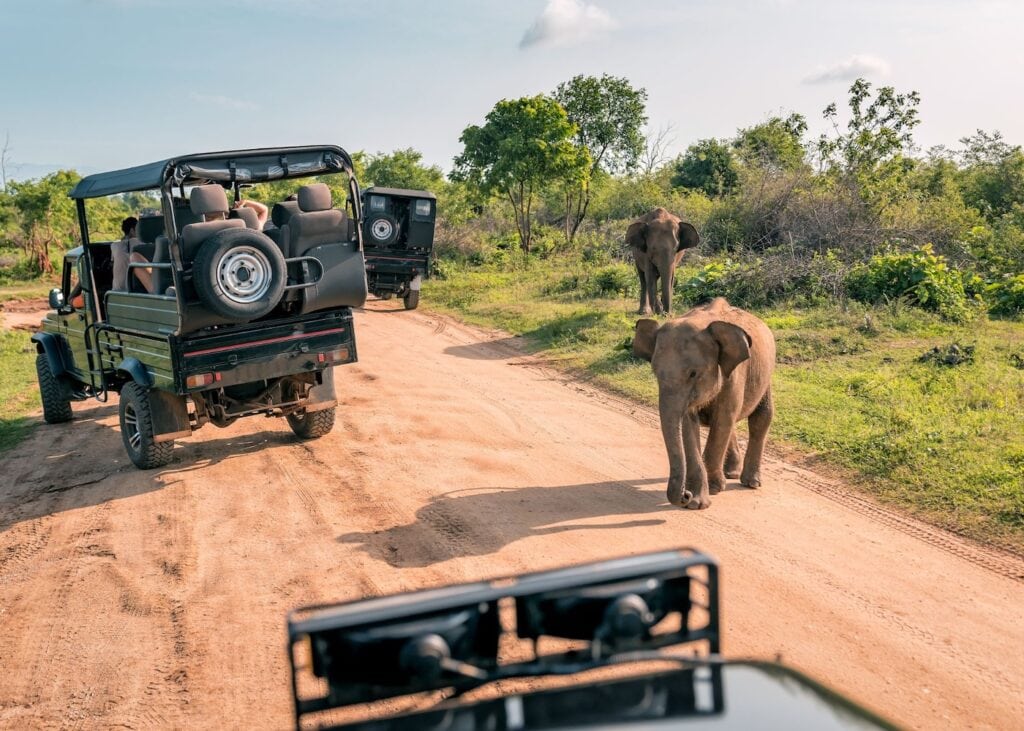
Almost everyone booking a safari wants the Big Five, lions, leopards, elephants, rhinos, and buffalo, and that’s completely normal. It’s the main reason most people go in the first place. But nobody can promise you’ll see all five. On my first safari, two weeks across several parks in Zimbabwe and Botswana, I never saw a single lion or leopard. That’s not a knock on the trip. It was still one of the best two weeks I’ve ever spent, and it’s exactly why it’s not a good idea build the whole experience around a checklist.
What a good advisor can do is stack the odds in your favor before you ever leave home. That means working with reputable safari operators, knowing which countries and regions tend to deliver strong sightings during a given season, and building your itinerary around that knowledge instead of guessing. Once you’re actually out there, it comes down to your guide, who’s reading tracks, watching the radio chatter from other vehicles, and piecing together where animals have likely moved since the last sighting. Some mornings that leads you straight to a leopard draped over a branch ten minutes in. Other mornings, it doesn’t lead anywhere at all, and that’s just how wildlife works.
The Guide is Everything
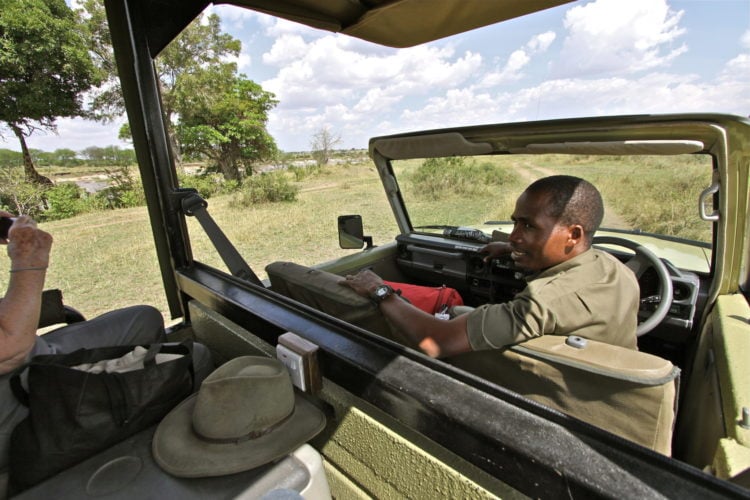
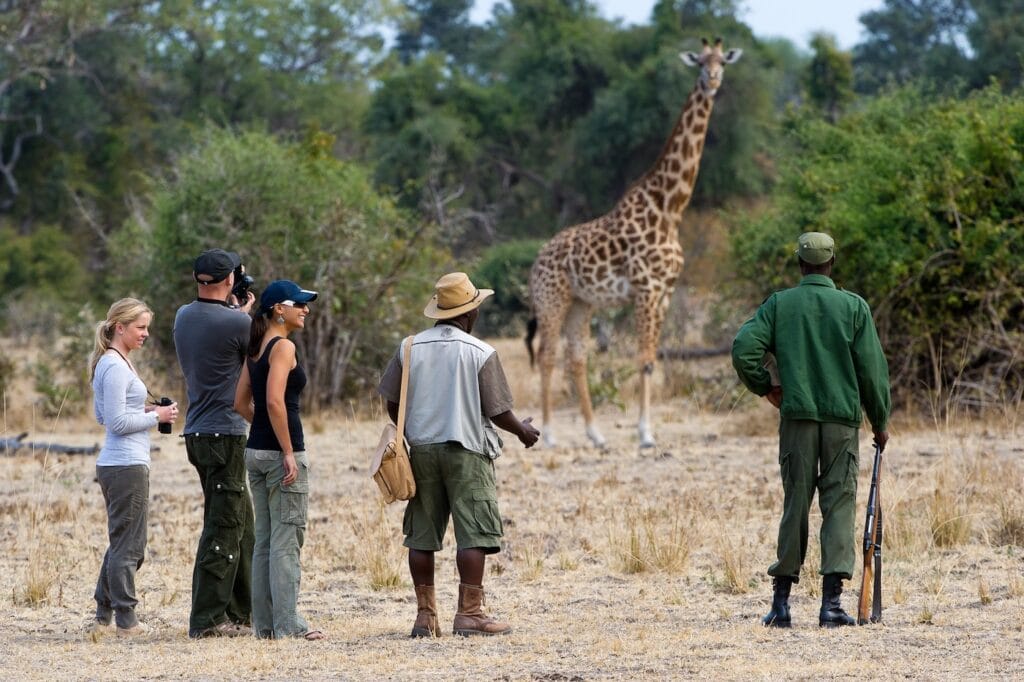
This is the part people underestimate the most and it’s honestly one of the most important aspects of a safari. A good guide doesn’t just drive you around. They’re reading animal behavior, tracks, and radio chatter from other vehicles all at once, and they know the terrain well enough to make a call on where to go next without wasting your morning. They also teach you how to read the bush yourself, pointing out fresh tracks, showing you what to look for in a set of prints, and noticing things you’d walk right past, like leaves or branches moving when there’s no wind. They know when to explain what you’re looking at and when to just stay quiet and let you take it in. A good guide can turn a distant shape in the grass into a real sighting because they know exactly where to position the vehicle and how much patience it’s going to take. A mediocre guide can leave you with the same drive and nothing to show for it. This is why I’m so picky about who we work with on the ground.
The Comfort You Didn't Expect
Comfort on safari doesn’t mean what it means on a beach vacation, and it helps to know that going in. The drive itself can get bumpy and dusty, especially on rougher bush roads. Guides jokingly call it the African massage! It’s not so bad. Honestly, you’re so focused on spotting wildlife, that how the ride feels isn’t a big deal.
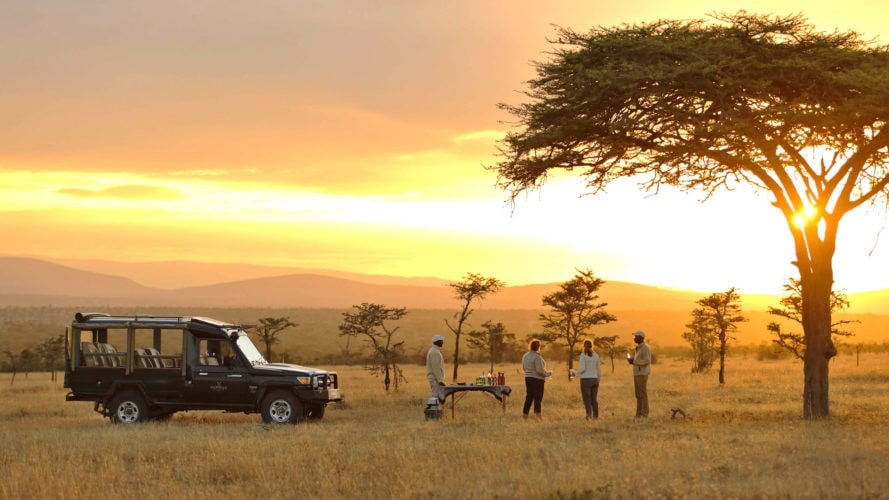
But even out in the bush, the little touches add up. When your guide stops for a snack or sundowner break, it’s rarely just a granola bar handed over the seat. Guides will pull out a folding table, cover it in an actual tablecloth, and set out drinks and snacks like you’re at a proper cocktail hour, except your view is a river bend or a stretch of open plain instead of a bar. Some drives include a picnic lunch set up the same way, table, chairs, real plates, right out in the middle of nowhere. It’s a strange, wonderful kind of contrast, dust on your boots and a properly laid table in front of you.
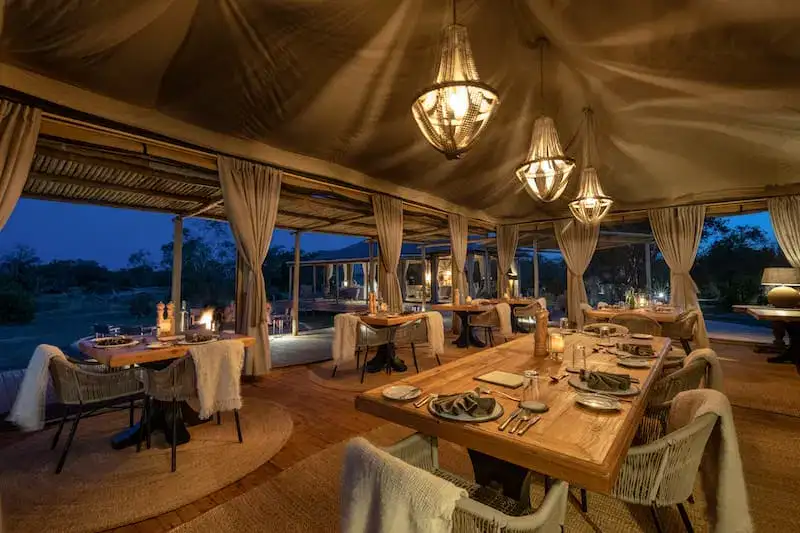
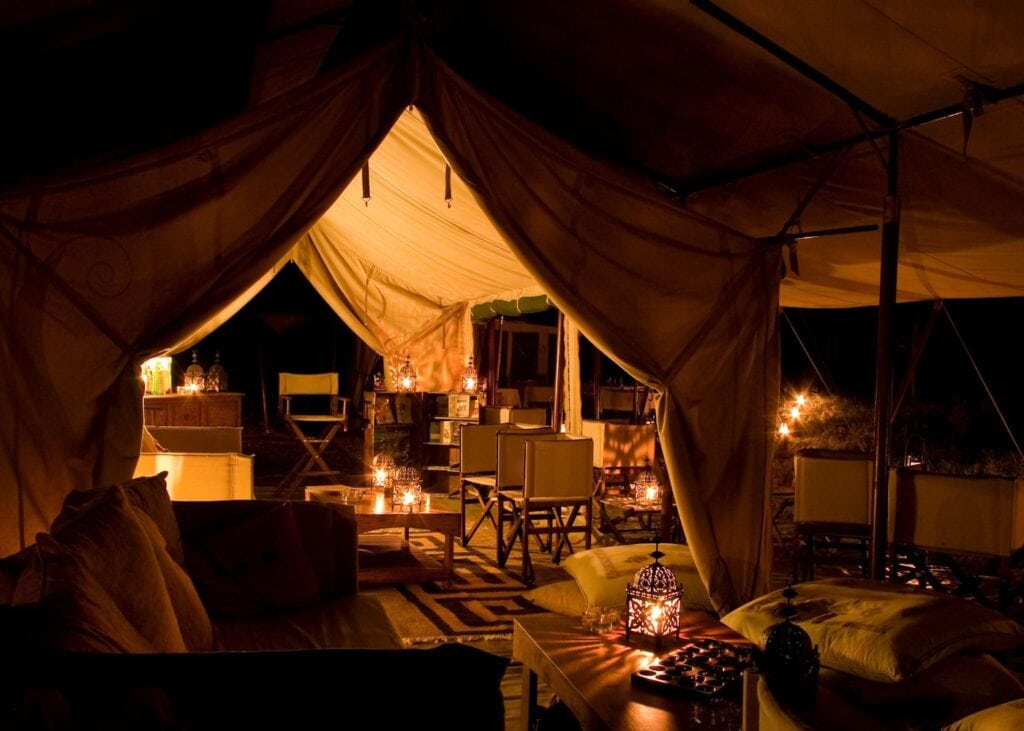
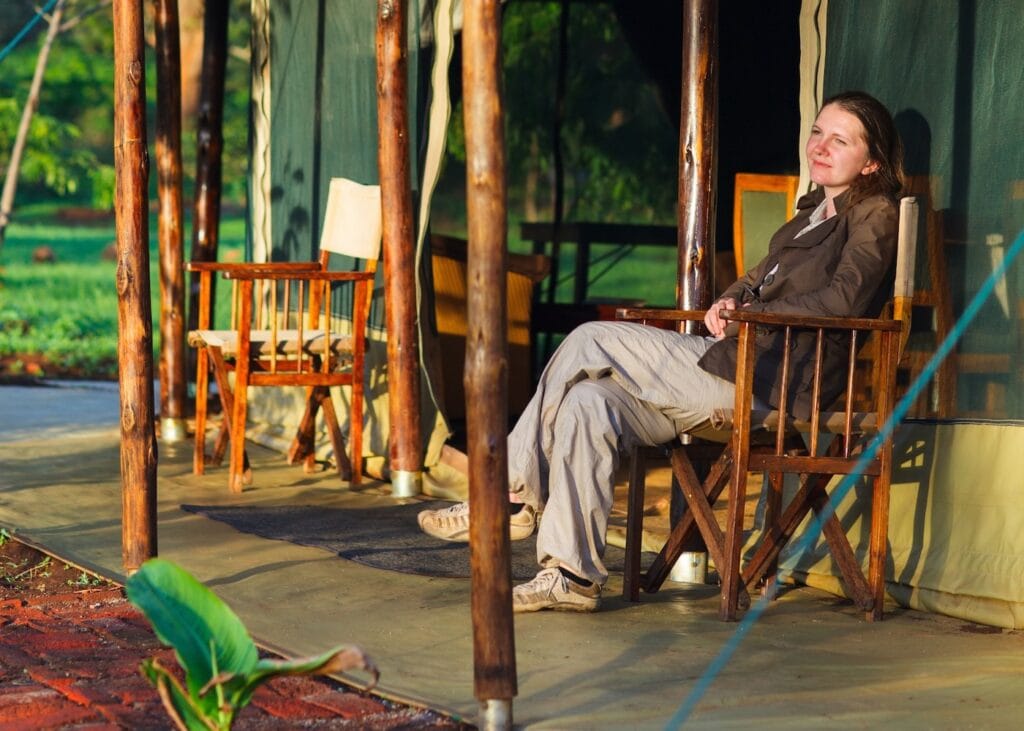
The comfort really shows up once you’re back at camp. Lodges and tented camps tend to be far nicer than people expect, with real beds, outdoor showers, and dinner outside under more stars than you’ve probably ever seen. You don’t have to give up comfort to be in the middle of nowhere, and honestly, after a dusty drive, camp feels even better for it.
Even at camp, comfort looks a little different than you’re used to. Wifi can be spotty. You’ll hear animals at night. If it’s dark out, whether that’s before a sunrise game drive or after dinner, staff will walk you to and from your tent, since there could genuinely be a hippo or something else moving through camp.
Packing is simpler than it sounds
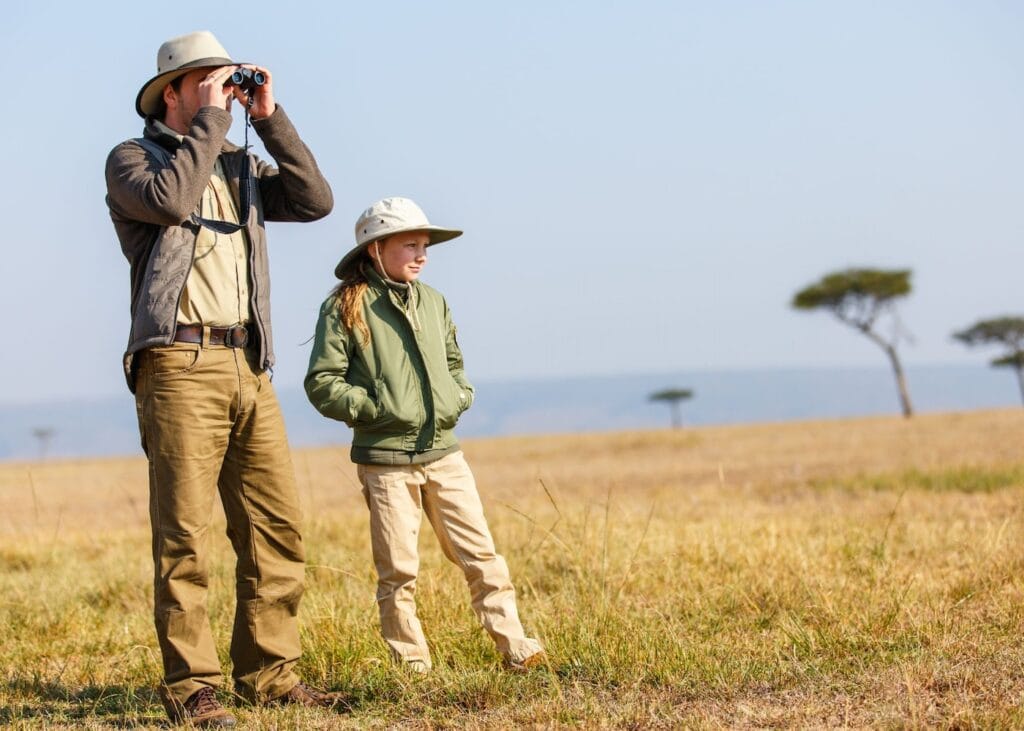
You don’t need a whole safari wardrobe. Neutral, light clothes, layers for cold mornings, a jacket, comfortable pants, sun protection, shoes you can move in. If you’re doing walking safaris that changes a little, but for a normal game drive trip, keep it simple. Ignore the Instagram reels of full get ready with me routines and outfit changes for every drive. That makes for a nice video, but it’s not practical or realistic once you’re actually out there, dusty and layering up before sunrise. Nobody on your vehicle is judging your outfit, and the animals certainly aren’t.
Where packing actually matters is if part of your trip involves a small bush plane, which is common if you’re moving between camps or flying into a remote area. Those planes have strict weight limits, usually far lower than what you’re used to on a commercial flight, and they almost always require a soft-sided duffel instead of a hard suitcase, since hard bags don’t fit in the cargo hold. Keep that in mind when deciding what and how much to pack.
Every Safari Feels Different
Most people going on their first safari have a few worries. Will it feel safe? Will the early mornings wear me out? Do I need to know more about animals going in? A good itinerary takes all of that into account, plus your budget, your season, and how much you actually want to move between camps. Kenya, Tanzania, Botswana, South Africa, Zambia, Zimbabwe, and Rwanda are all completely different experiences, and even two properties in the same country can feel nothing alike.
By the end, most people are surprised by what actually sticks with them. It’s usually not just the big sightings. It’s the quiet mornings, the sundowners, the guide who taught you to spot tracks in the dirt. When the trip is planned around all of that, you enjoy it even more.
If safari has been on your list, let’s talk about it.