
10 Days in Spain Without Feeling Rushed
Ten days in Spain is real time. Enough to fall for Seville, enough to have a favorite pintxos bar in San Sebastián by the end of the trip, enough to actually feel the difference between a morning in Madrid and an evening on the Costa Brava. But it’s not enough time to see the whole country, and the trip works a lot better once you stop trying.
Spain also isn’t a place that moves quickly, even when you want it to. Long lunches, late dinners, an afternoon lull in smaller towns where half the shops go dark for a few hours. That rhythm is part of what makes the country worth visiting, and it only really shows up once you slow down enough to notice it.
So the question isn’t how many cities you can fit in. It’s which two or three of Spain’s regions you actually want to know well. Here are three ways that can look.
Madrid, Toledo, & Andalusia
This is the version for a first trip, when you want Spain’s biggest names without racing between them.
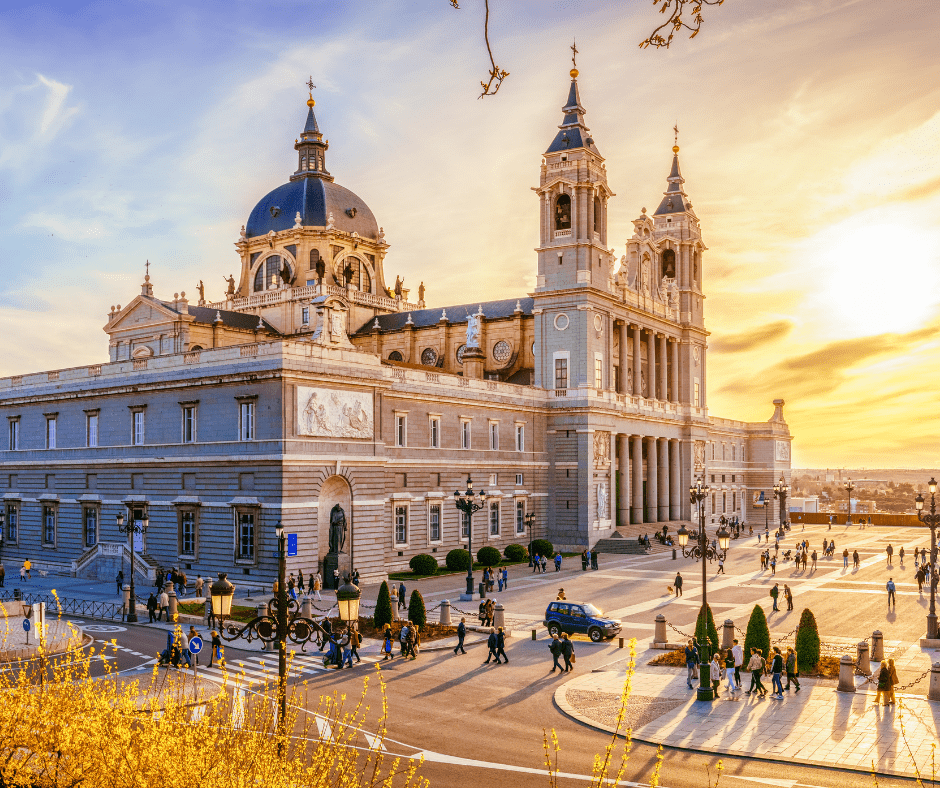
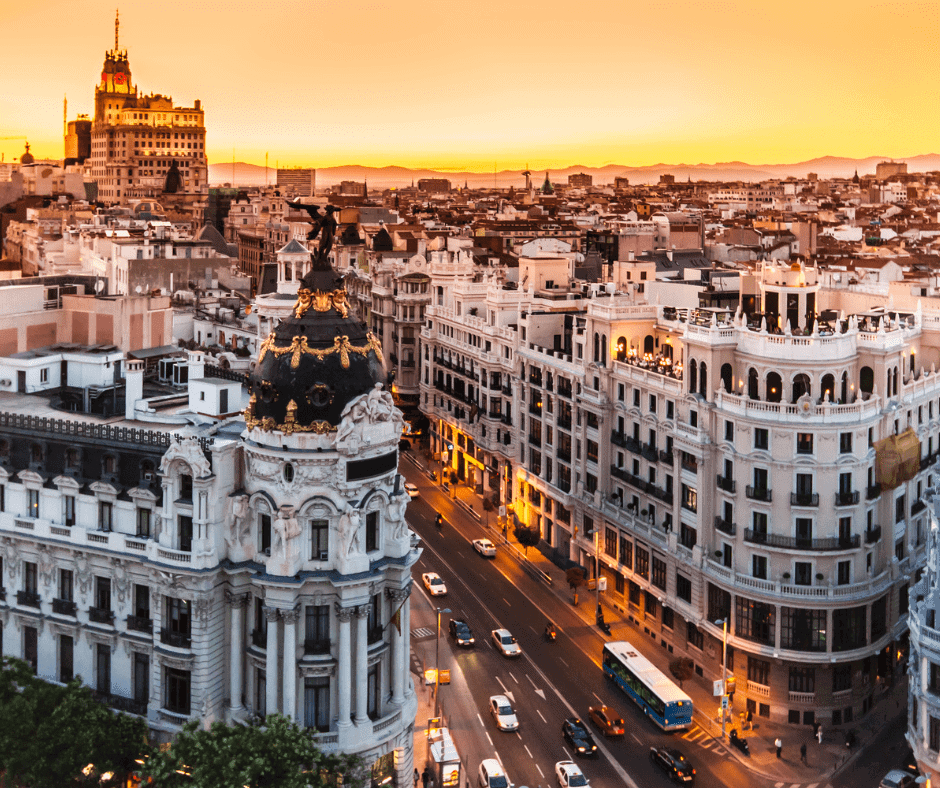
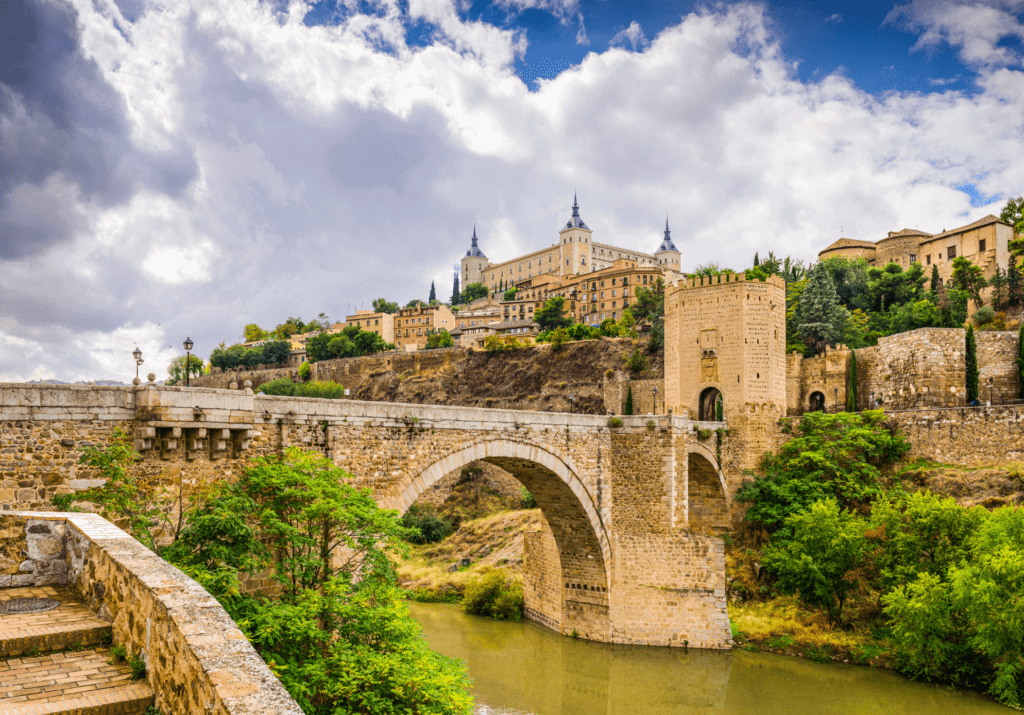
Give Madrid 3 nights. The Prado alone is worth a full unhurried morning rather than a rushed hour. Retiro Park is worth a slow morning too, whether that’s an early walk before the heat sets in, a rowboat out on the pond, or just people watching near the Crystal Palace. La Latina and Salamanca are worth an evening apiece, since they show two completely different sides of the city, one loud and tapas focused, the other polished and residential. From Madrid, Toledo makes an easy day trip. The walled old city and the views over the Tagus give you a full day of history without touching your suitcase.
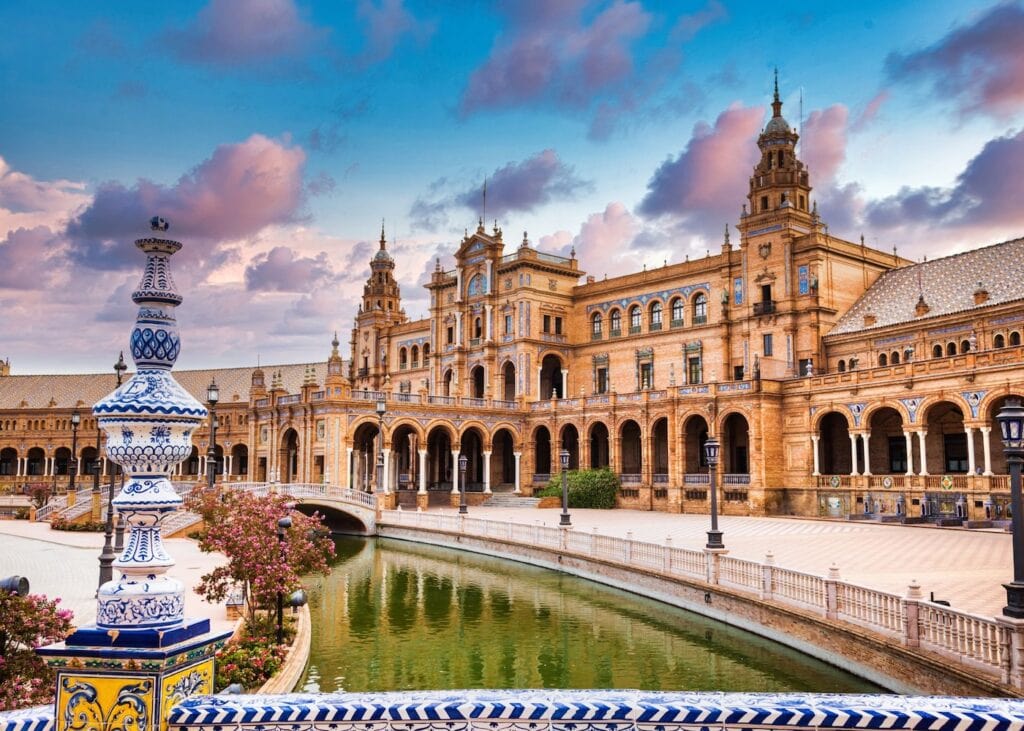
Move to Seville for 3 nights. Split a day between the cathedral and the Alcázar, then spend an evening just wandering Santa Cruz with no destination in mind. Seville is also where flamenco feels most at home, and a show in Triana, away from the tourist heavy versions near the main sights, is worth building an evening around.
Close with 3 nights in Granada. The Alhambra deserves a full morning rather than a rushed hour squeezed between other plans, since tickets sell out weeks ahead and the palace rewards unhurried time far more than a quick pass through. Save an evening for the Albaicín at sunset, when the views back across the valley to the Alhambra are at their best.
Finish with 1 night back in Madrid before flying home. It gives you a buffer if a train runs late, and one more relaxed evening in the city instead of a stressful sprint straight from Granada to the airport.
Barcelona and the Costa Brava
This route pairs one city with real coastline instead of stacking multiple cities back to back.
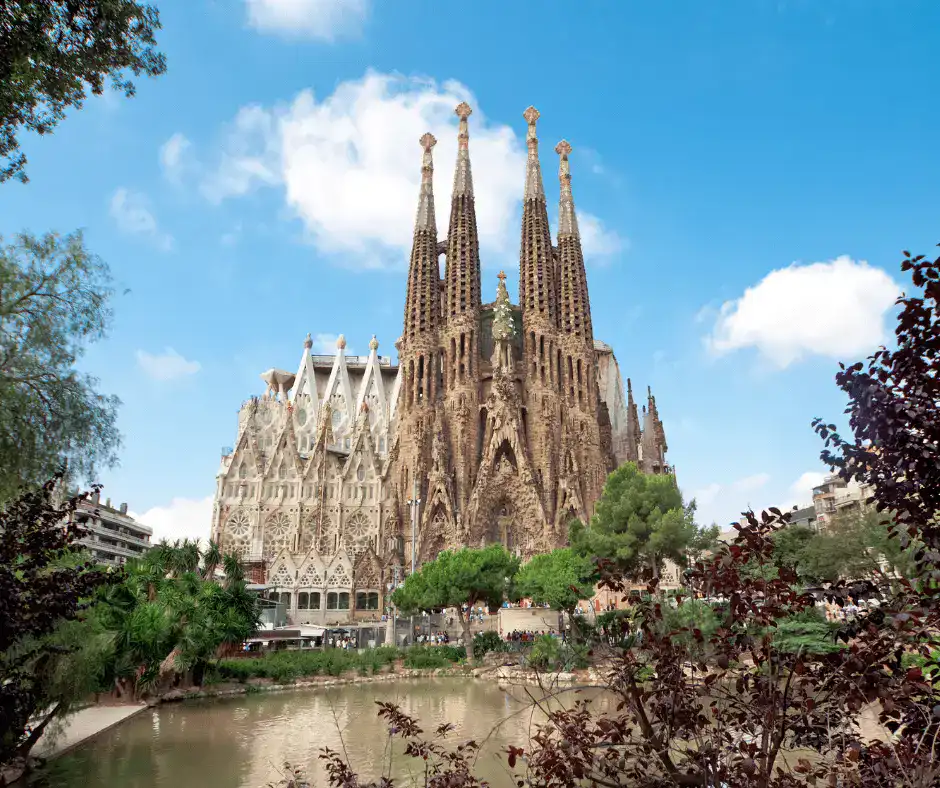
Spend 4 nights in Barcelona. Gaudí’s buildings, the Sagrada Família, Park Güell, Casa Batlló, could easily fill four days on their own, so pick two or three instead of trying for all of them. Spend a morning in the Gothic Quarter and an afternoon in El Born, since the two neighborhoods feel different enough to be worth separating rather than rushing through together. Go to La Boqueria market early, before the crowds show up, and save an evening for seafood near Barceloneta, close enough to walk the beach afterward.
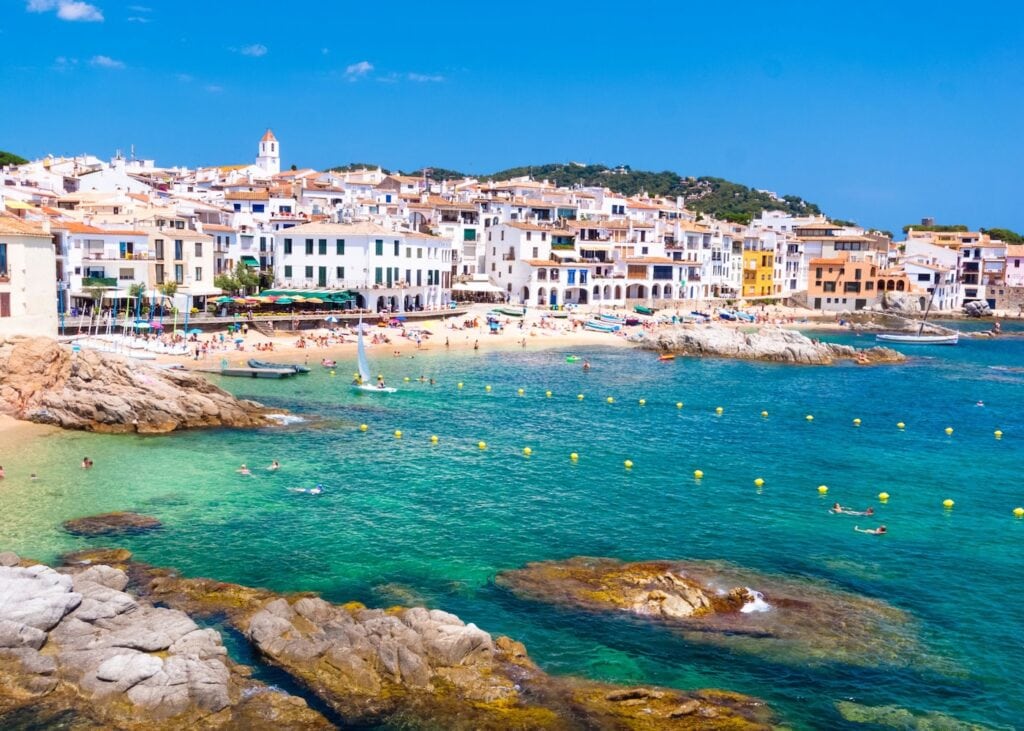
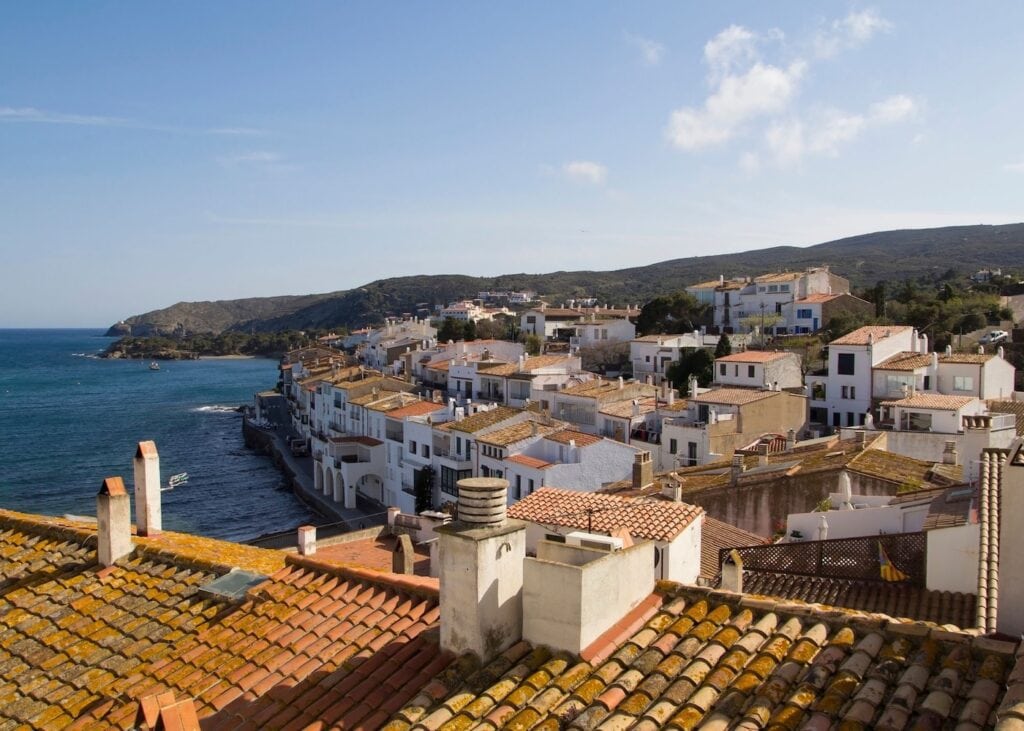
Move to the Costa Brava for 5 nights. Pick one base, Cadaqués and Calella de Palafrugell both work well, and explore the smaller villages nearby by car rather than changing hotels every couple of days. Tossa de Mar and Begur both make easy day trips from either base. This is where the trip actually exhales. Long lunches by the water, walks along the coastal path between coves, and afternoons with nothing on the schedule replace the museum lines from Barcelona.
Finish with 1 night back in Barcelona before flying home, so the last day is an easy return to the airport instead of a rushed transfer straight off the coast.
San Sebastián, La Rioja, & Bilbao
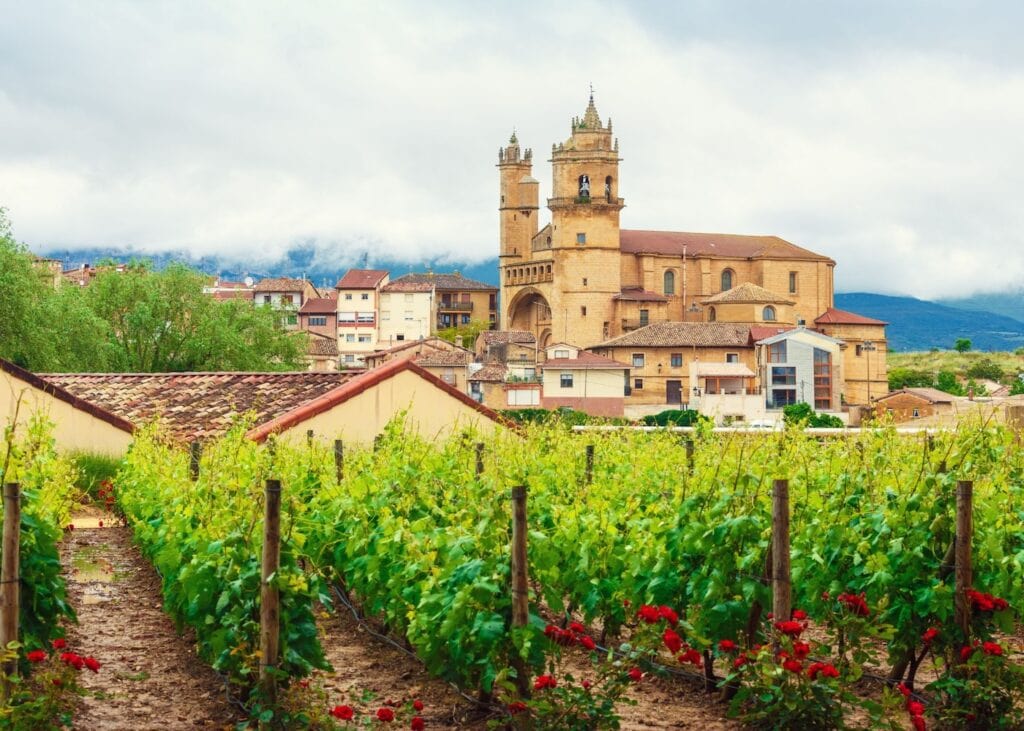
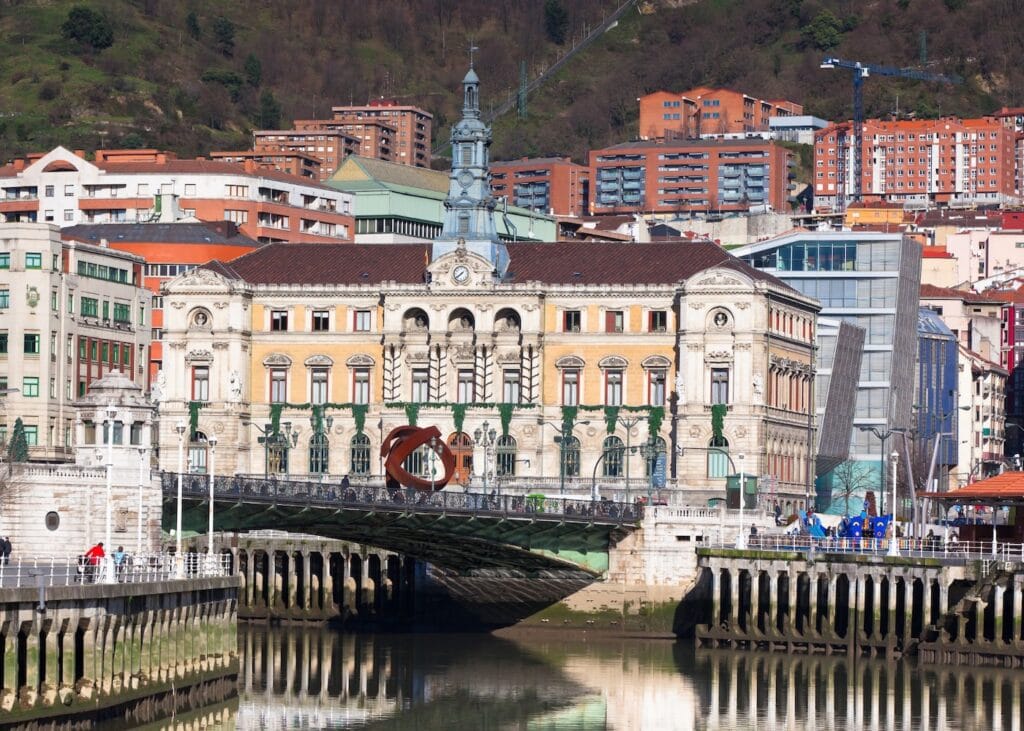
For travelers who care more about food and scenery than major monuments, the north makes a strong trip entirely on its own.
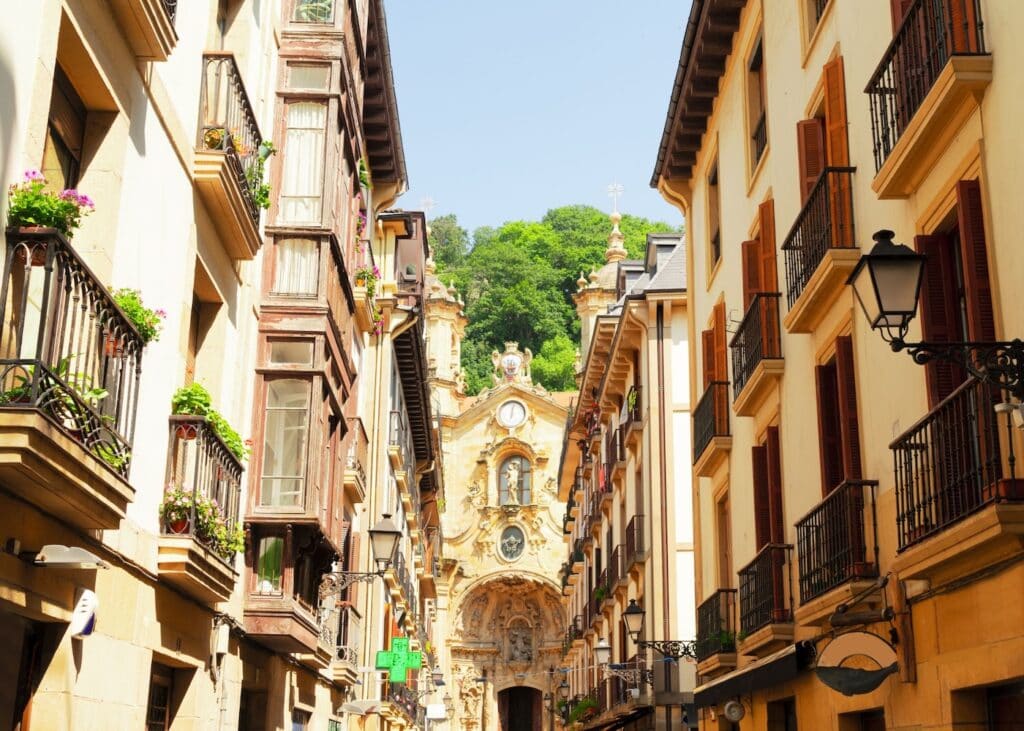
Base in San Sebastián for 4 nights. Mornings belong to La Concha beach, and Monte Urgull is worth the climb for the view back over the bay and the old town below. The Parte Vieja is where the real plan for dinner happens, moving between several small pintxos bars instead of committing to one sit down restaurant. If a day trip appeals, Hondarribia sits right on the French border, a smaller, quieter coastal town with a completely different feel from San Sebastián itself.
Move to La Rioja for 3 nights. Haro works well as a base for wine country, with Logroño close enough for an evening trip to Calle Laurel, a street built almost entirely around pintxos bars, a smaller version of what San Sebastián does on a larger scale. Laguardia, a walled hill town surrounded by vineyards, makes an easy day trip and pairs naturally with a winery visit or two.
Finish with 3 nights in Bilbao. The Guggenheim is the obvious draw, but the Casco Viejo old town and the Ribera Market deserve real time too, not just a quick stop on the way to the museum. Bilbao usually has the flight home, so ending the trip here means the last stretch stays relaxed instead of rushed.
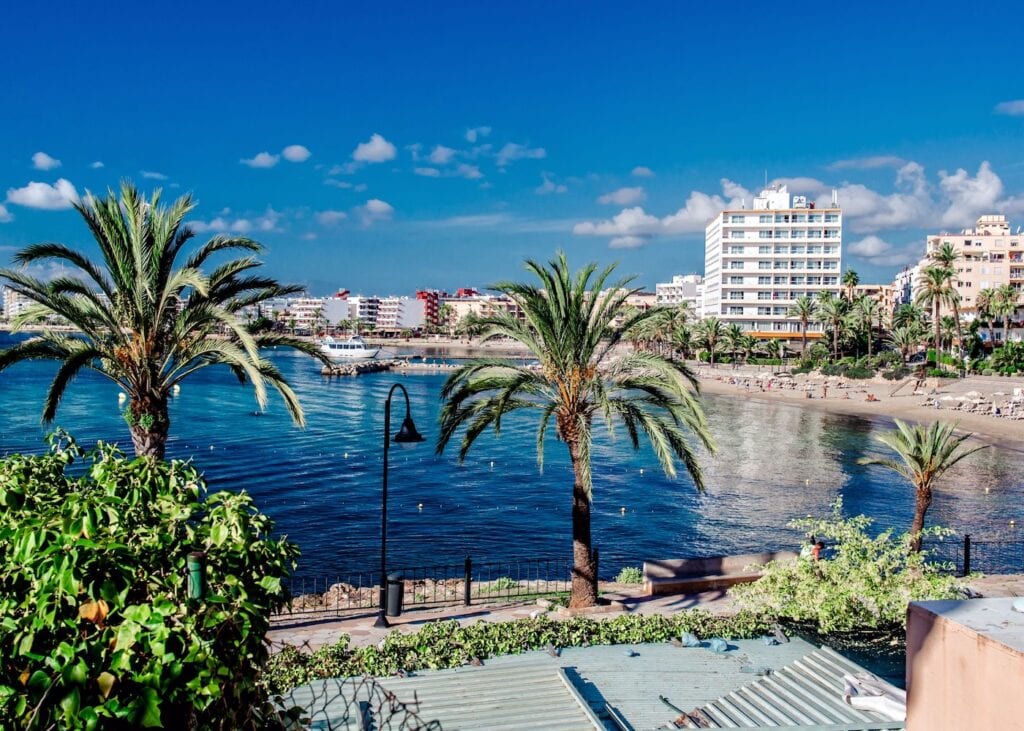
The Islands Are Their Own Kind Of Stop
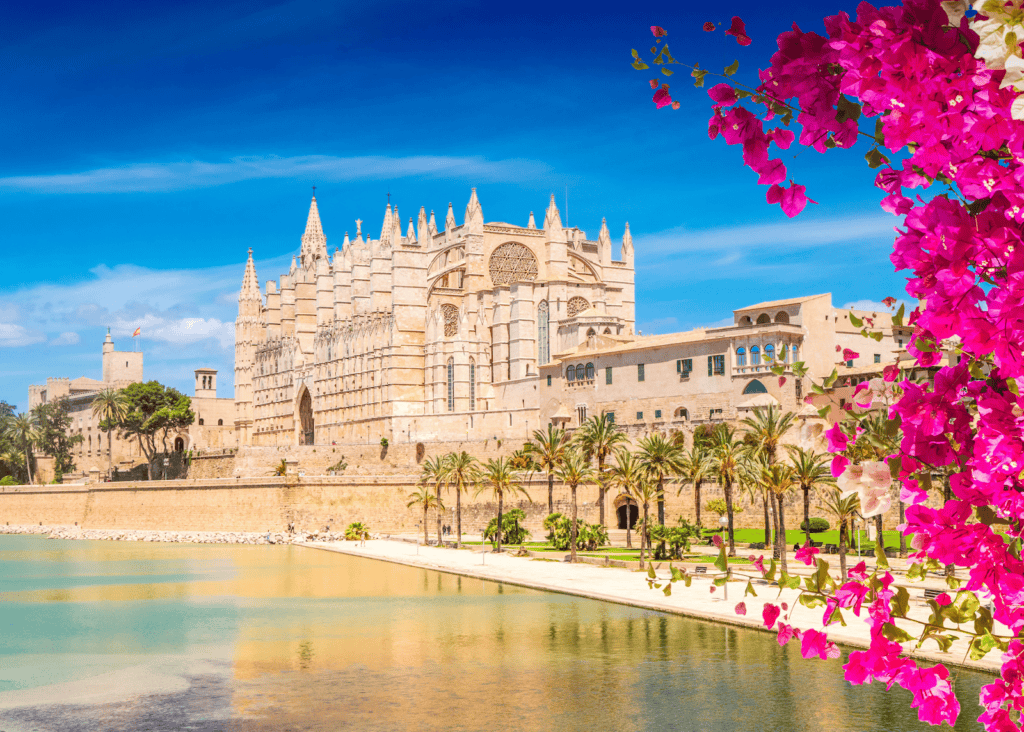
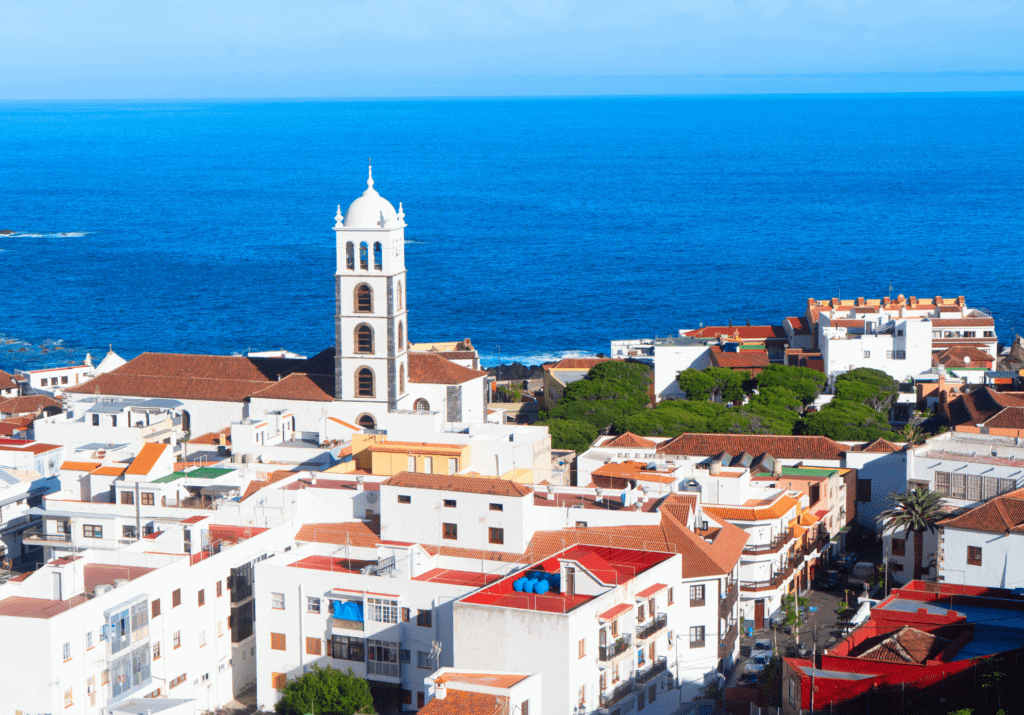
Mallorca, Menorca, Ibiza, and the Canary Islands don’t have to be a separate trip, but they do ask for a different pace than the mainland cities. Getting there takes a flight or a ferry, and once you’re there, the appeal is staying in one place and exploring coves and small towns slowly rather than treating the island as a quick stopover between other plans.
A trip like 3 nights in Madrid followed by a week in Mallorca works well within ten days, since it pairs a short cultural stop with real time to settle into the island afterward. What doesn’t work as well is trying to fit an island in for only a night or two alongside three or four mainland cities. At that point there isn’t enough time to actually enjoy it, and it ends up feeling like a detour rather than part of the trip.
One island alone can also easily fill the entire ten days on its own. Mallorca has enough range, Palma’s old town and cathedral, the mountain villages along the northwest coast, the marinas and beaches near the capital, to carry a full trip without the mainland at all. The same is true of Menorca’s quieter coves or Ibiza’s old town beyond its nightlife reputation.
If You Only Have 10 Days
The temptation with Spain is always to add one more stop. One more region, one more city, one more train ride that looks short enough on a map to justify itself. That’s how a reasonable looking itinerary quietly turns into six cities in ten days and a vacation that feels like an obstacle course.
In ten days, two regions is the sweet spot. Three works if the connections are quick, Madrid to Seville by high speed rail, for example. A fourth stop is usually where the trip starts to feel like a series of transfers rather than a vacation. Each move costs more than the time on the train. There’s the packing, the walk from an unfamiliar station to a hotel you’ve never seen, and the hour or two it takes before a new city stops feeling foreign. Spread that across four or five stops and a surprising amount of the trip gets spent in that in between state instead of settled anywhere.
The better trip is the one where you actually remember the details. The specific tapas bar in Seville, not just “Seville.” The exact table in San Sebastián where the pintxos kept coming even after you said you were full. That kind of memory only happens when you give a place enough days to stop feeling new. Spain isn’t a country you check off. It’s one you come back to, usually more than once, and the version of it you save for next time is half the fun of planning this one.
If you’re ready to build a Spain itinerary shaped around your pace instead of a generic checklist, I’d love to help.