
Why Andalusia Should Be Your First Trip to Spain
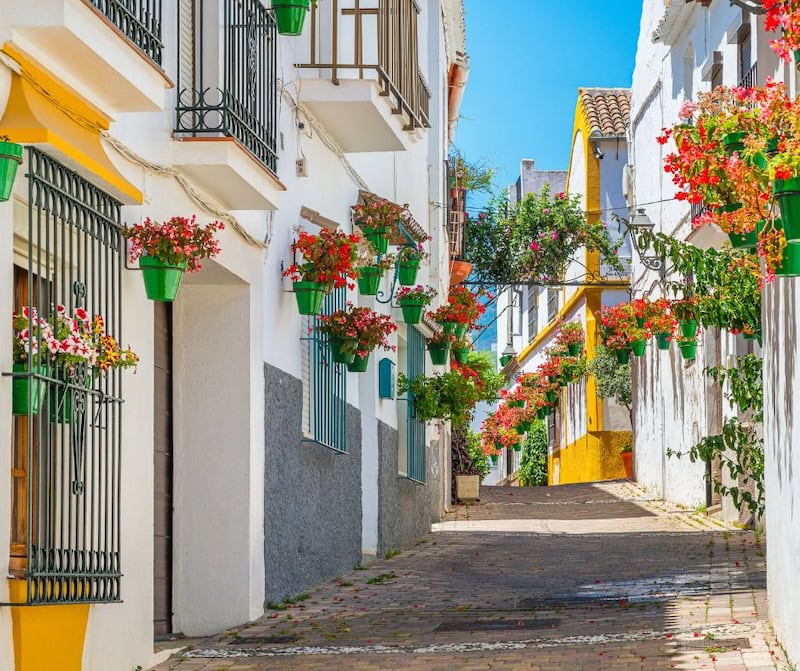
When people picture Spain, they’re usually picturing Andalusia without even realizing it. It’s the whitewashed villages spilling down hillsides, the orange trees lining quiet plazas, the flamenco drifting out of a bar on a side street, the Moorish palaces that look like they belong in a storybook. Add sunny beaches, incredible food, and some of the country’s most famous landmarks, and it’s easy to understand why so many travelers fall completely in love with the south.
Madrid and Barcelona tend to get most of the attention, but Andalusia offers something entirely different. The history, the architecture, the pace of daily life, all of it feels distinct from the rest of the country. Whether this is your first trip to Spain or you’re looking for something beyond the big cities you’ve already seen, Andalusia is one of the most special regions in the country.
What Makes Andalusia Different
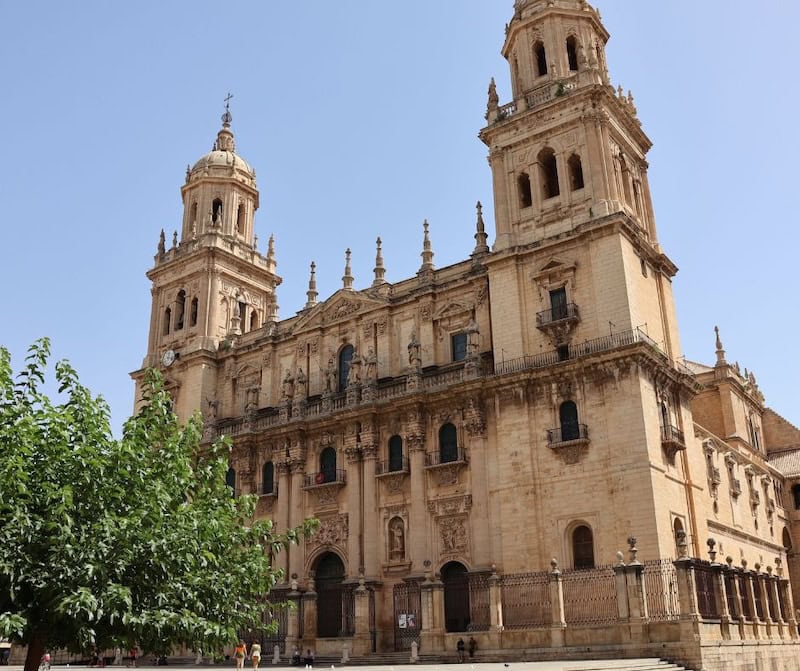
A lot of what sets Andalusia apart comes down to its history. For nearly 800 years, much of southern Spain was ruled by the Moors, and that influence is still visible almost everywhere you look. Intricate palaces, peaceful courtyards, colorful tilework, and impressive fortresses sit right alongside Gothic cathedrals and lively plazas, creating a blend of cultures you won’t find anywhere else in Europe.
Life also moves a little slower here. Lunches stretch long into the afternoon, evenings don’t really start until the sun begins to set, and people gather in plazas over tapas instead of rushing between attractions. It’s a region that’s just as enjoyable to wander as it is to sightsee.
Then there’s the sheer variety packed into one place. In a single trip, you can explore grand cities, hike dramatic mountain landscapes, relax on Mediterranean beaches, wander through whitewashed villages, and walk through one of the most famous palaces in the world.
The Best Places to Visit in Andalusia
Seville
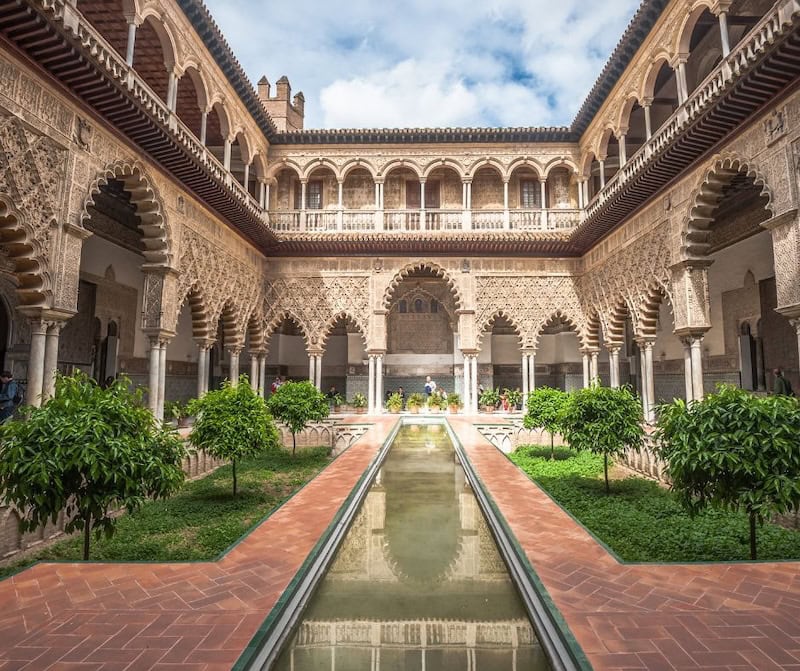
Seville is where I’d send anyone chasing the version of Spain they’ve always imagined. It’s the cultural heart of Andalusia, and everything about it, the flamenco, the festivals, the architecture, feels like it’s been building toward this exact moment for centuries. The cathedral is one of the largest in the world, and climbing the Giralda Tower gives you panoramic views across the rooftops that make the whole city click into place. A short walk away, the Royal Alcázar is full of intricate Islamic architecture, peaceful gardens, and courtyards so beautiful they’ve shown up in Game of Thrones. I could have spent an entire afternoon just standing in Plaza de España before wandering into the Santa Cruz neighborhood, where the streets narrow, the orange trees close in overhead, and the tapas bars start filling up as the evening settles in.
granada
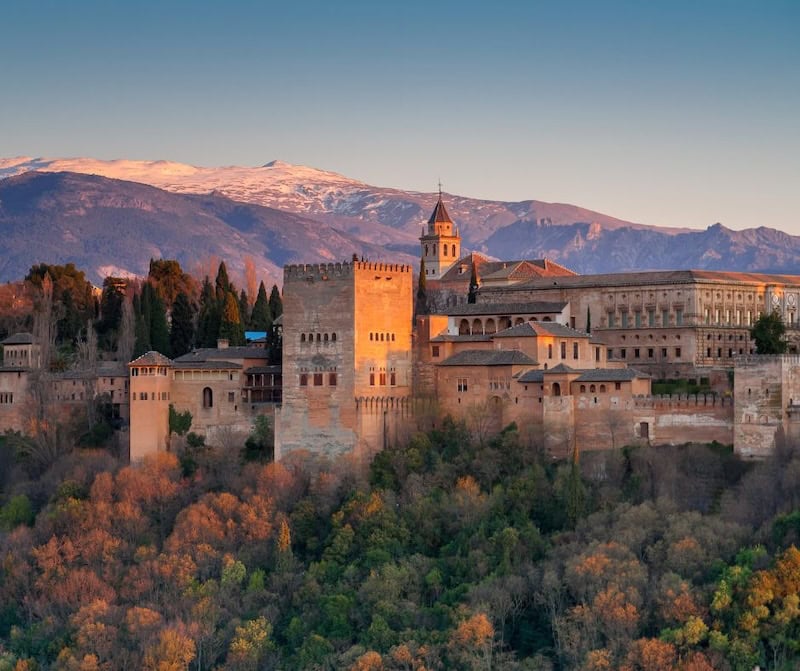
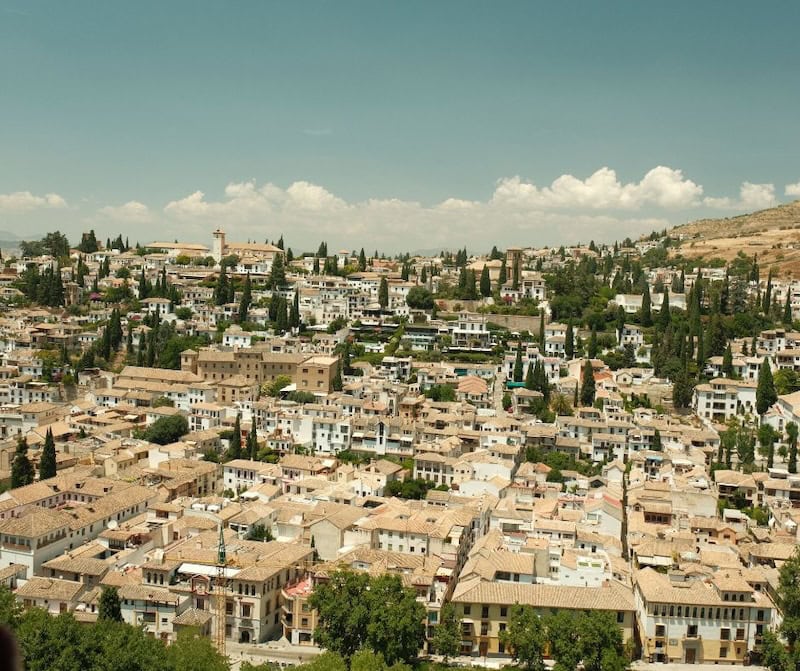
Granada might be the single most memorable stop I made in Andalusia. Sitting at the foot of the Sierra Nevada, the city pairs one of Europe’s most remarkable historic sites with neighborhoods that still feel wonderfully unspoiled. The Alhambra is the reason most people come, and it earns every bit of the hype. Walking through its courtyards, fountains, and gardens, with the Sierra Nevada rising behind it, is one of those experiences that stays with you long after the trip ends. Tickets sell out well in advance, so this is not something to leave until the last minute. Beyond the Alhambra, I loved getting lost in the Albaicín, Granada’s old Moorish quarter, where the winding streets and whitewashed buildings open up into some of the best viewpoints in the city. Across the valley, Sacromonte is known for its cave homes and traditional flamenco performances, and it’s worth carving out an evening for. If you’re looking for a place to stay, the recently restored Palacio Gran Vía sits right in the historic center, a few minutes from the Cathedral and the Alhambra, in a building that used to be a bank. It’s on my list for next time.
Cordoba
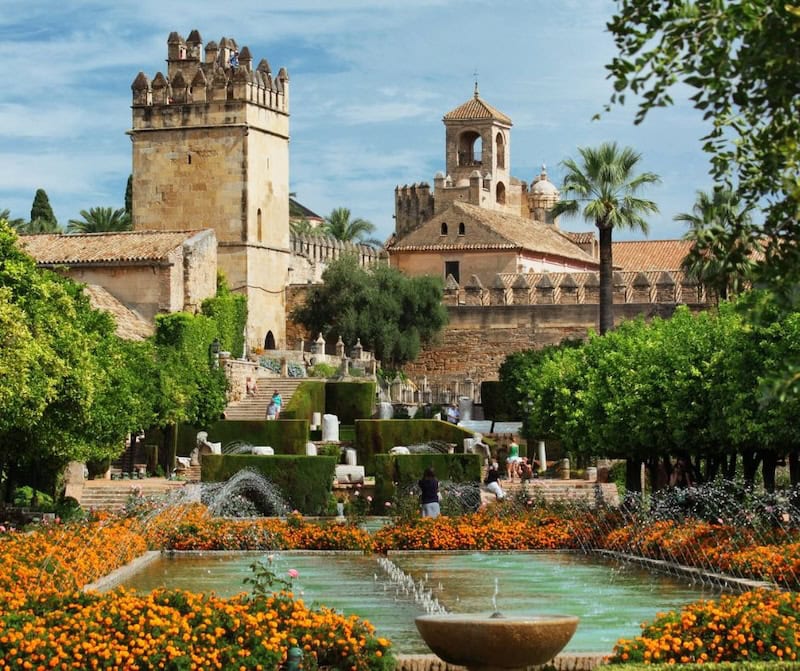
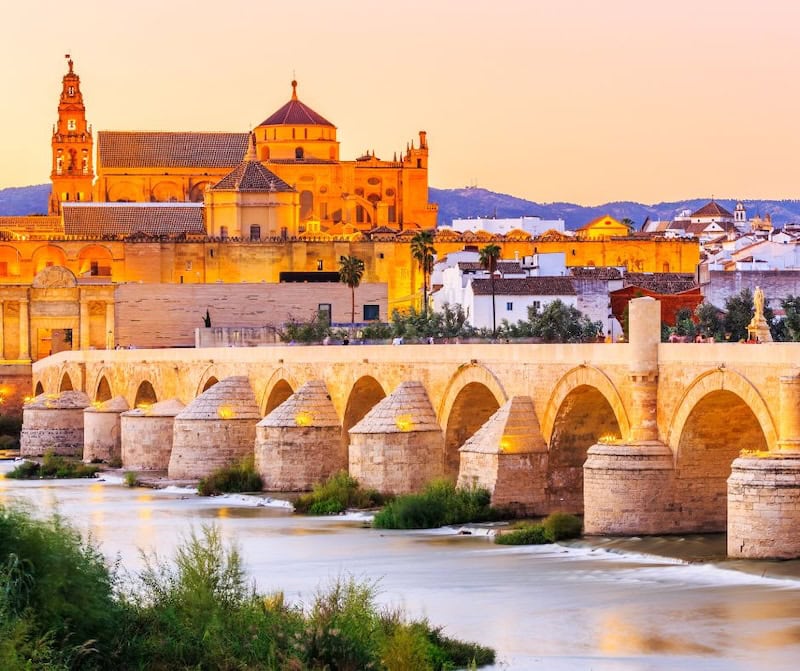
Cordoba is often treated as a day trip from Seville or Granada, but it deserves more time than most travelers give it. Its centerpiece is the Mezquita, one of the most extraordinary buildings in Europe. Originally built as a mosque before becoming a cathedral, the interior is unlike anywhere else, with hundreds of striking red and white arches stretching in every direction as far as you can see. Outside the Mezquita, Cordoba’s historic Jewish Quarter is full of flower filled patios and quiet corners, and the city’s food scene is one of the best in Andalusia, even if it doesn’t get talked about nearly enough.
Malaga
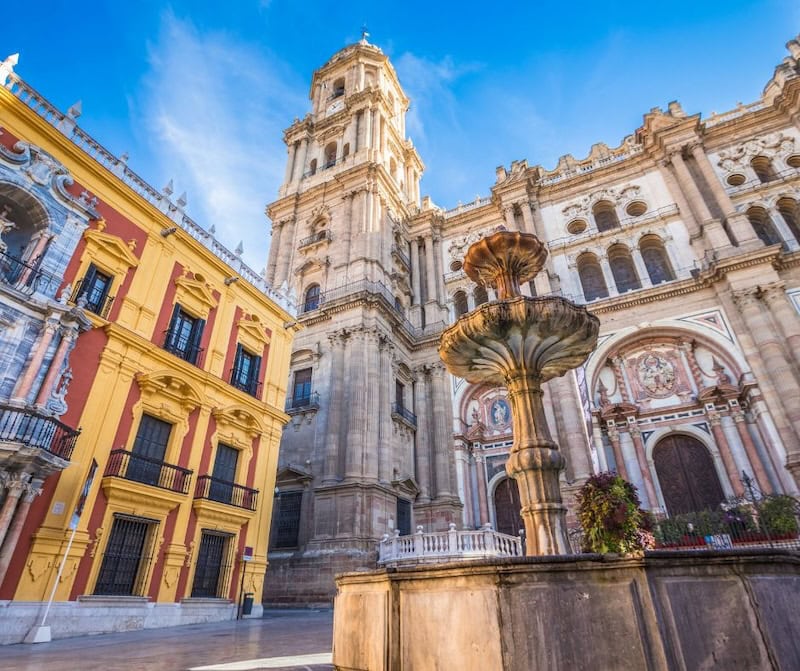
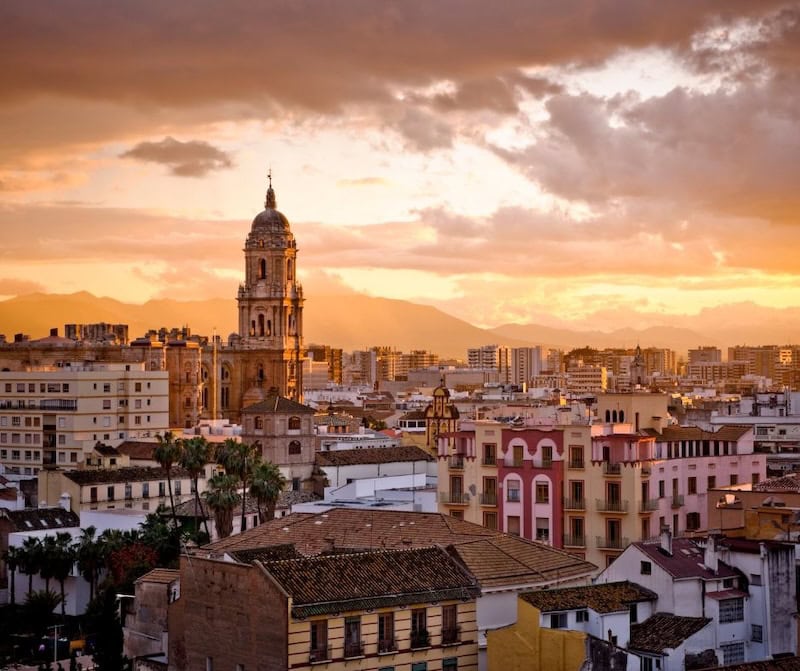
Many travelers know Málaga simply as the gateway to the Costa del Sol, but the city has become a destination in its own right. Its compact historic center is full of outdoor cafes, excellent restaurants, museums, and lively squares that stay busy well into the evening. The Alcazaba fortress looks out over the city, and the beaches are close enough to make it easy to combine sightseeing with a few hours by the Mediterranean. If you’re building in beach time, the Gran Hotel Miramar is one of Málaga’s most beautiful beachfront properties, within walking distance of both the water and the historic center.
Ronda
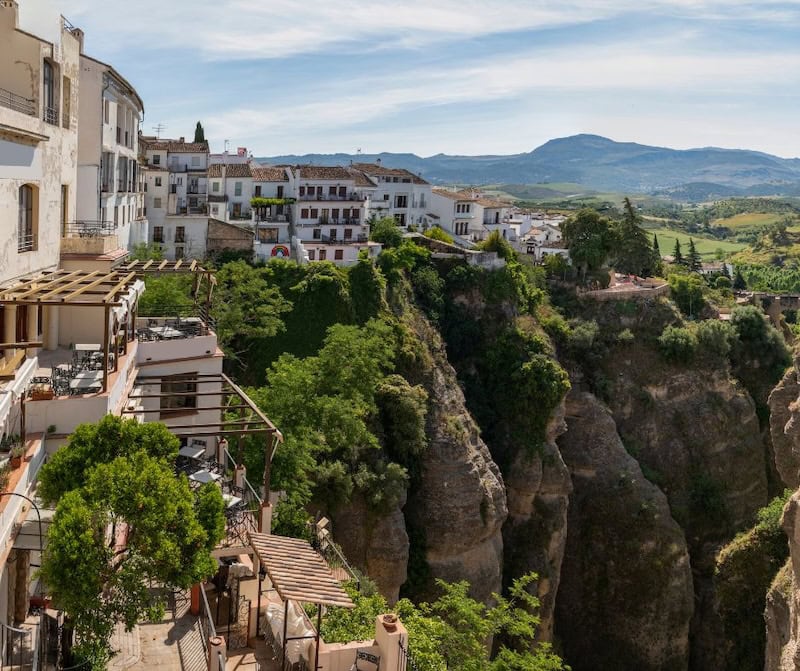
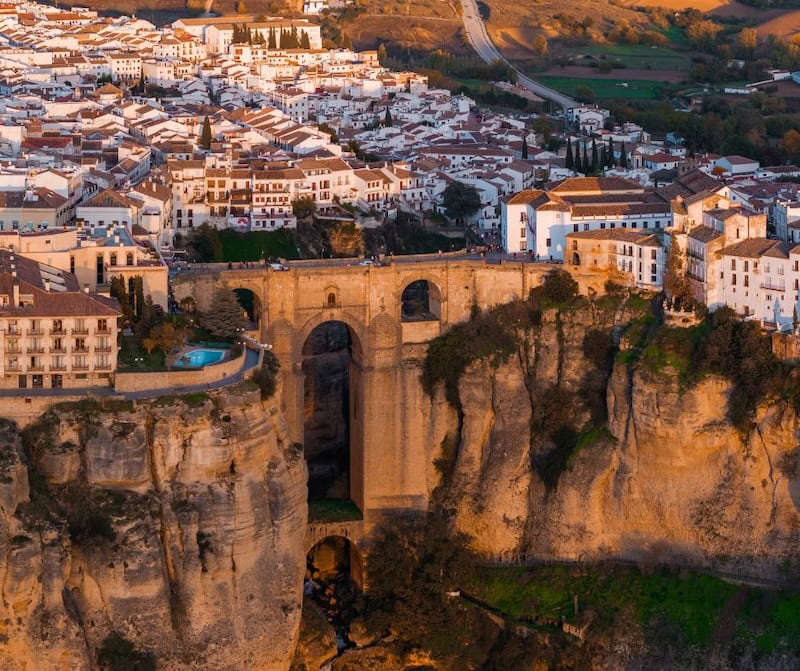
Perched dramatically above a deep gorge, Ronda is one of the most spectacular towns in all of Spain. Its iconic stone bridge connects the old and new sections of town while offering views into the El Tajo Gorge that are hard to fully process the first time you see them. Beyond that famous view, Ronda has charming streets, historic churches, and one of the oldest bullrings in the country. Most people visit on a day trip, but staying overnight lets you experience the town after the crowds clear out, which is when it’s at its best.
The White Villages
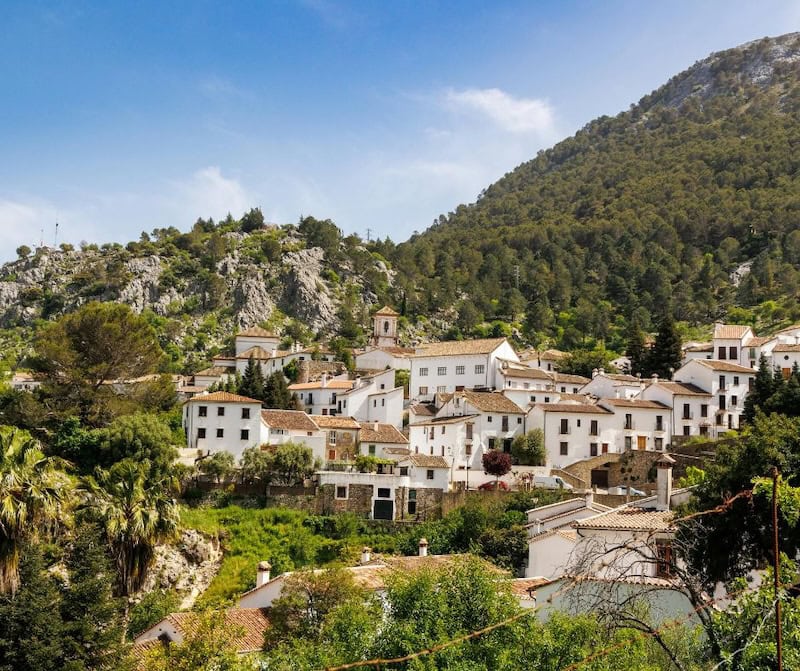
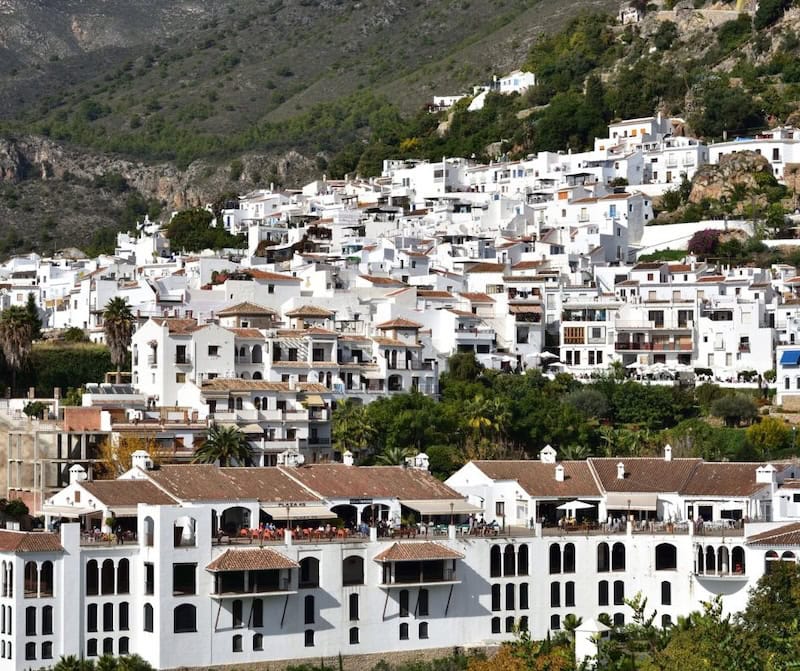
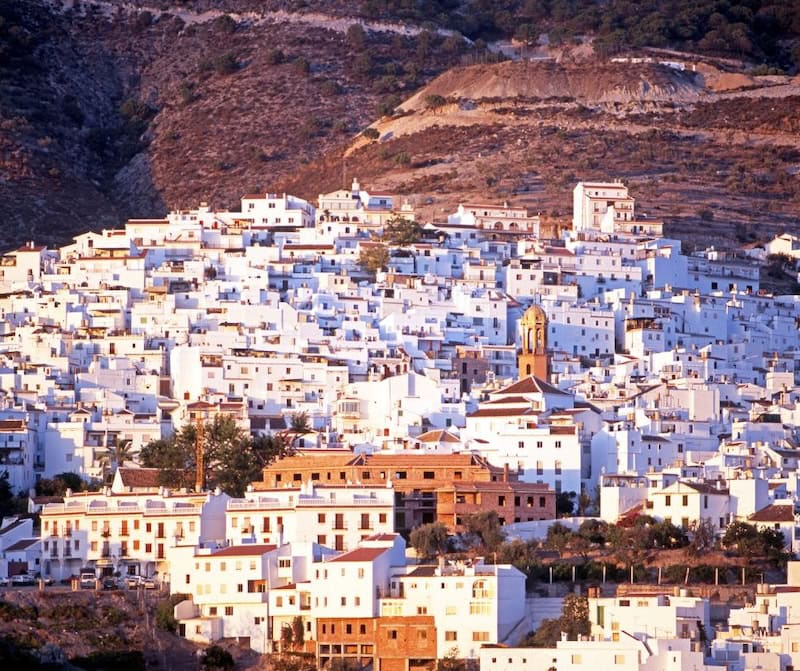
Scattered across the mountains of Andalusia are dozens of small whitewashed villages known as the Pueblos Blancos. Places like Frigiliana, Grazalema, Zahara de la Sierra, and Setenil de las Bodegas each have their own personality, but they share winding cobblestone streets, flower covered balconies, and views that stop you mid step. They’re best explored by car and make a wonderful addition to any trip through this part of Spain.
Beyond the Cities
Andalusia isn’t only about historic towns. The region also has beautiful beaches, national parks, and some genuinely scenic drives, and honestly, this is where a lot of the best memories end up happening.
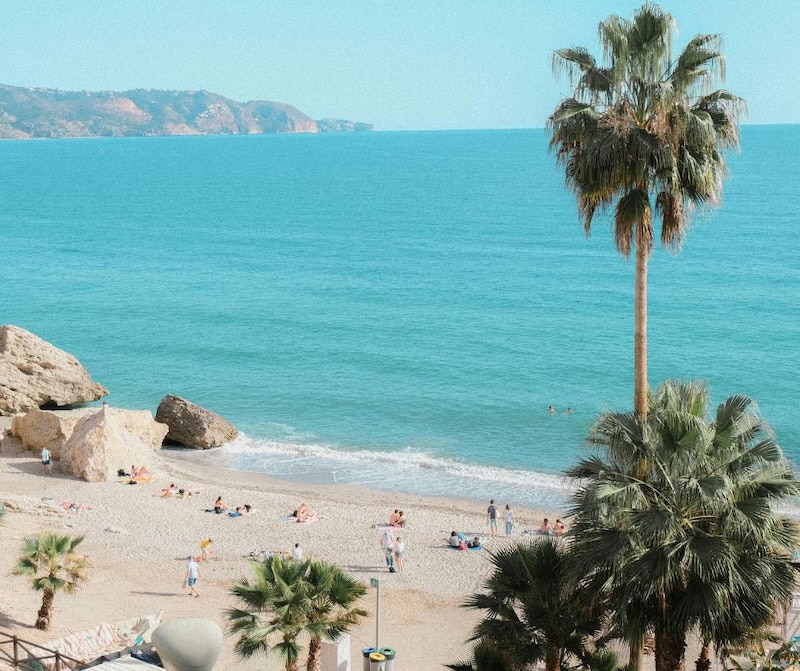
I made a point of stopping in Nerja on the Costa del Sol during my own drive through the region, and it’s exactly the kind of low key beach town that makes you want to slow down for a day or two. The Balcon de Europa gives you a sweeping view over the water, and just outside town, the Nerja Caves are worth carving out a couple of hours for, a massive underground system with chambers big enough to hold concerts. Further along the coast, Marbella brings a livelier, more polished energy, with a charming old town tucked behind the marina and beach clubs that stay busy from morning until well after dark. Estepona has a quieter, more local feel, known for its flower covered streets and a promenade that’s ideal for an evening walk before dinner.
Further south, Tarifa sits at the very tip of mainland Spain, where the Mediterranean meets the Atlantic. It’s one of the best places in Europe for windsurfing and kitesurfing thanks to the near constant wind, and on a clear day, you can actually see the coast of Morocco across the strait. It has a completely different feel from the rest of Andalusia, more bohemian beach town than historic city, and it makes a great final stop if you’re ending your trip near the coast.
For something wilder, Cabo de Gata-Nijar Natural Park protects one of the last stretches of undeveloped coastline in Spain, with volcanic cliffs, hidden coves, and beaches you’ll often have almost entirely to yourself. It takes more effort to reach than the Costa del Sol, but that’s exactly why it still feels untouched.
If you’re visiting in winter, the Sierra Nevada mountains near Granada are home to the southernmost ski resort in Europe, which makes for one of those wonderfully strange Andalusia days where you can ski in the morning and be back on a warm coastal terrace by evening.
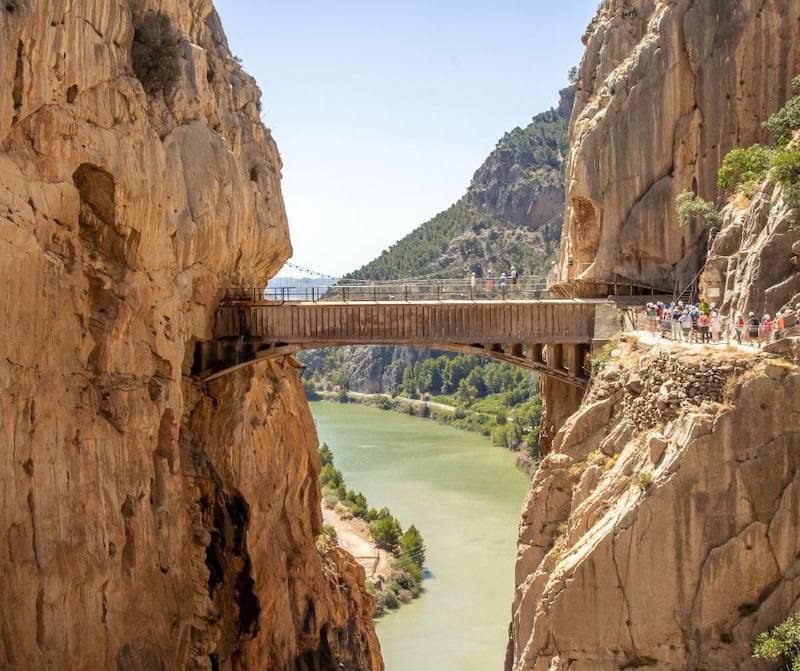
For something more adventurous at any time of year, Caminito del Rey is one of the most famous hikes in Spain. The restored walkway clings to the walls of a dramatic gorge and delivers unforgettable scenery without requiring any technical hiking experience, though it’s worth booking tickets ahead since spots fill up fast in peak season.
How Much Time Do You Need?
Seven days is really the minimum if you want to experience Andalusia without feeling rushed. That gives you enough time to visit Granada, Seville, and either Cordoba or Malaga. Ten days is even better. You’ll have room to add Ronda, explore one or two of the white villages, and settle into the slower pace that makes this region so special. With two weeks, you can comfortably work in the beaches, more mountain villages, and some of Andalusia’s lesser known corners.
Best Time To Visit
Spring and fall are my favorite times to visit Andalusia. Temperatures are comfortable, flowers are in bloom come spring, and sightseeing is far more enjoyable than during the intensity of summer. Summer is ideal if the beach is your priority, but cities like Seville and Cordoba regularly climb above 100 degrees, which makes afternoon sightseeing a real challenge. Winter is surprisingly pleasant here, especially compared to much of the rest of Europe. It’s not beach weather, but you’ll find fewer crowds and mild daytime temperatures that make city exploring easy.
Getting Around
The major cities are well connected by Spain’s excellent high speed trains, which makes it easy to move between Seville, Cordoba, Granada, and Malaga without renting a car at all. That said, if you want to explore the white villages, drive the scenic mountain roads, or visit places like Caminito del Rey, having a rental car opens up a lot more of the region. I rented a car for my own trip and it made all the difference, especially once I was ready to head off the main train routes and into the smaller towns along the coast. Plenty of travelers combine both, taking trains between the major cities and renting a car for a few days to explore the countryside on their own schedule.
Is Andalusia Worth Visiting?
Yes. Without question.
Few regions in Europe pack this much variety into one trip. You can stand inside one of the world’s greatest palaces in the morning, wander centuries old neighborhoods in the afternoon, eat fresh seafood by the Mediterranean in the evening, and spend the next day exploring mountain villages that feel completely untouched by time.
If you’re trying to decide where to begin your travels in Spain, Andalusia is hard to beat. It has the history, the culture, the scenery, the food, and the relaxed atmosphere that so many people picture when they dream about Spain, all wrapped into one unforgettable region.
Ready to build a custom Andalusia itinerary of your own? Let’s talk.