
Milford Sound vs. Doubtful Sound
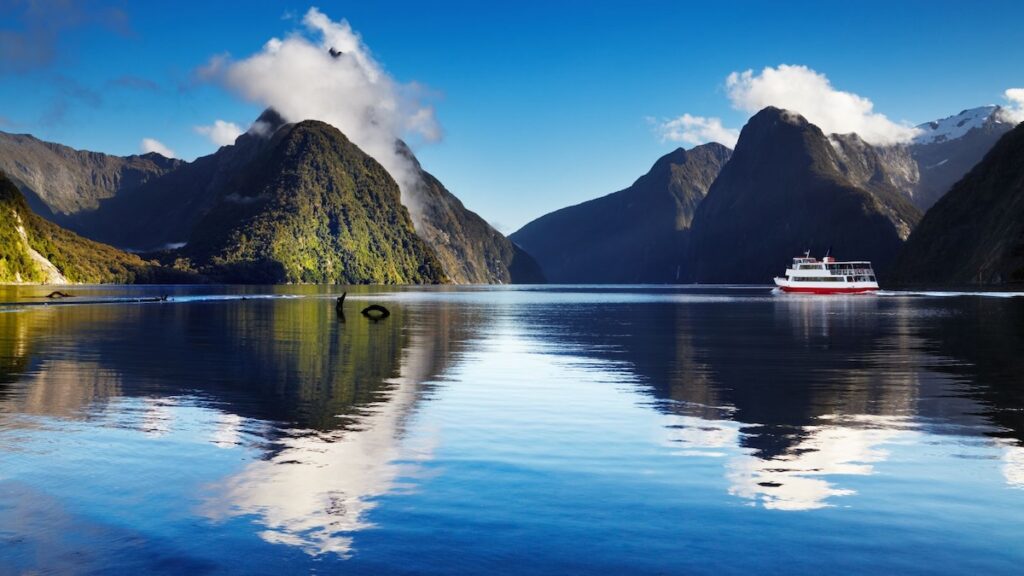
New Zealand’s South Island has plenty of dramatic scenery, but Fiordland is in a category of its own. Mountains rise straight out of black water. Waterfalls drop hundreds of feet down cliff faces still dripping from the last rain. Fur seals doze on rocky ledges, dolphins cut through the wake of passing boats, and on a quiet morning the only sound is water hitting water.
It’s also not the easiest part of New Zealand to visit. Fiordland sits tucked into the far southwest corner of the South Island, the weather can turn in minutes, and reaching its most beautiful corners takes real time. That’s part of what makes it feel so untouched, but it also means this is one part of a New Zealand itinerary worth planning with some care.
Fiordland has 14 fiords in all, though most travelers will realistically be choosing between two. Milford Sound is the name almost everyone knows. Doubtful Sound is worth the extra effort for travelers who want a lot more solitude. The rest, including the far more remote Dusky Sound, tend to show up on longer expedition cruises rather than a standard South Island itinerary.
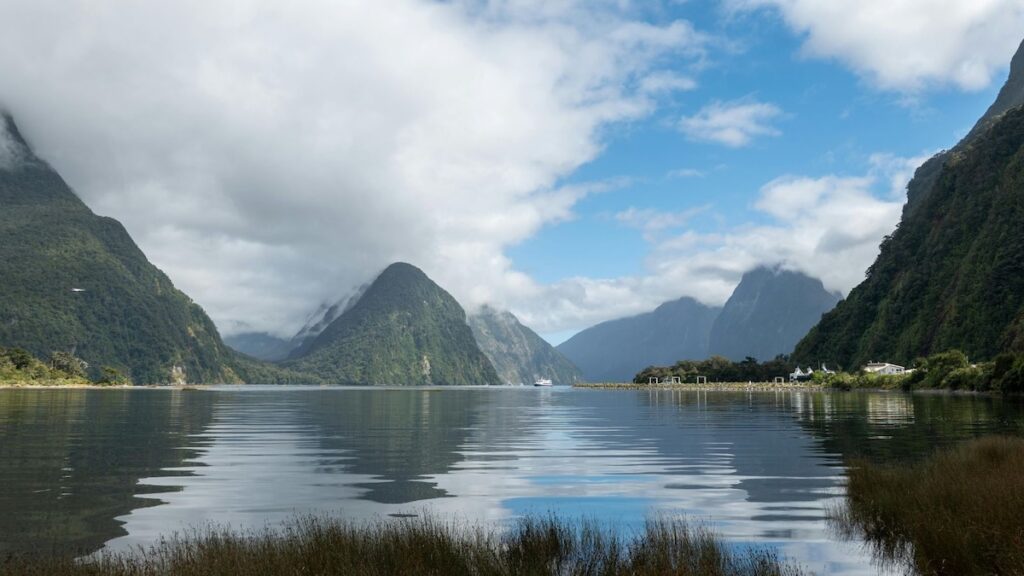
Milford Sound
If this is your first trip to New Zealand and you only have time for one Fiordland experience, Milford Sound is where to put it.
Mitre Peak rises nearly 5,600 feet straight out of the water and is the view most people picture when they think of this place. But the fiord looks different from one visit to the next, depending on the weather. On a clear day, the peak and the cliffs around it reflect perfectly in glassy water. After a hard rain, dozens of temporary waterfalls appear out of nowhere, streaking down rock faces that were bone dry the day before. This is one destination where a gray, drizzly forecast can actually work in your favor.
A cruise is the easiest way to take it all in. Smaller boats can tuck in close to the waterfalls and hug the edges of the fiord, while longer cruises give you more time drifting beneath the cliffs. New Zealand fur seals are a near guarantee, hauled out on the rocks near the fiord’s entrance. Keep an eye out for bottlenose dolphins too, and if you’re visiting between July and November, watch the rocky shoreline for Fiordland crested penguins, which are one of the rarest penguin species in the world and nest in this area during that stretch.
The drive from Te Anau is part of the experience, not just a means of getting there. Milford Road winds through beech forest, past glacial valleys and alpine meadows, before threading through the Homer Tunnel and dropping you down toward the fiord itself. Don’t treat this as a straight shot from point A to point B. There’s enough worth stopping for along the way that you’ll want to build in extra time.
You can visit Milford Sound as a day trip from Te Anau, and for most travelers that’s plenty. You’ll have time for the scenic drive, a few stops along Milford Road, and a full cruise before heading back. You can also visit from Queenstown, but it makes for a long day. Queenstown looks close on a map, but there’s no direct road through the mountains to get you there quickly.
If Fiordland is one of the main reasons you’re heading to the South Island, I’d spend at least one or two nights in Te Anau rather than squeezing Milford into a marathon day trip from Queenstown. Scenic flights from Queenstown are worth considering too, including options that combine flying in with cruising out. They cut out a lot of driving and give you a bird’s eye view of the mountains that you simply can’t get from the road, but they’re entirely weather dependent.
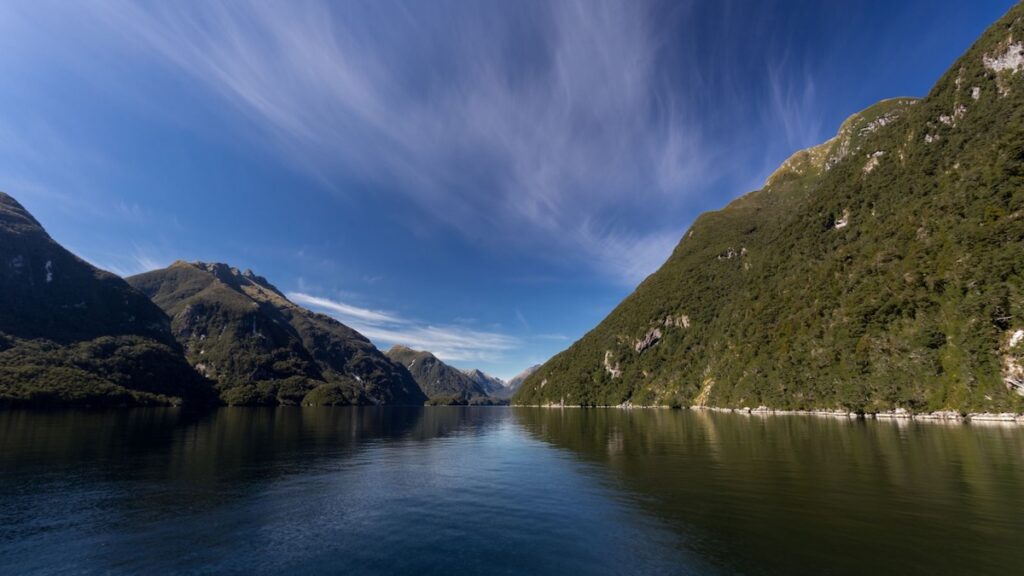
Doubtful Sound
Doubtful Sound takes real effort to reach, but that effort is exactly what keeps it quieter and wilder than Milford.
There’s no road that takes you there directly. Most trips start with a boat crossing Lake Manapouri, followed by a coach ride over Wilmot Pass, then another boat into Doubtful Sound itself. By the time you arrive, you’re a long way from towns, roads, and pretty much everyone else.
Doubtful Sound doesn’t center on one iconic view the way Milford does around Mitre Peak. It’s more about scale, mile after mile of fiord opening up as you travel through it. A resident pod of bottlenose dolphins lives here year round and often approaches boats, and fur seals and Fiordland crested penguins turn up regularly as well.
You can do Doubtful Sound as a full day trip, and for a lot of travelers that’s the right call. It still involves the full boat, coach, boat journey each way, so plan on the better part of a day even before the cruise itself begins. An overnight cruise is where Doubtful Sound is at its best. Once the day boats clear out, you get the fiord largely to yourself in the evening and early morning, and most overnight cruises include the option to kayak along the shoreline or swim right off the boat, weather permitting.
The tradeoff either way is cost and time. Doubtful Sound is pricier and more complicated to reach than Milford, whether you’re there for a few hours or overnight. I’d point travelers here when remote scenery and having the water mostly to themselves matters more than convenience.

When to Visit Fiordland
Fiordland doesn’t really have a dry season. This is one of the wettest corners of New Zealand, and the rain is part of what makes the landscape so lush and dramatic in the first place.
Summer, December through February, brings the longest days and the warmest temperatures, along with the biggest crowds. Cruises and rooms can fill up months before the holiday stretch, so this is the season to book earliest if it’s when you’re set on going.
March through May tends to bring fewer visitors and cooler, crisper air. Spring, September through November, means snowmelt feeding every waterfall in sight, and it overlaps with the best window for spotting Fiordland crested penguins.
Winter is the quiet season, and it can be stunning when snow settles on the peaks above the water. The tradeoff is shorter days and a higher chance that weather disrupts roads or activities, and it’s also worth knowing that some Doubtful Sound cruise options run on a reduced schedule or pause entirely outside the main season.
Whatever month you land on, I wouldn’t build an ironclad schedule around Fiordland. The weather is unpredictable no matter the season.
Where to Stay in Fiordland
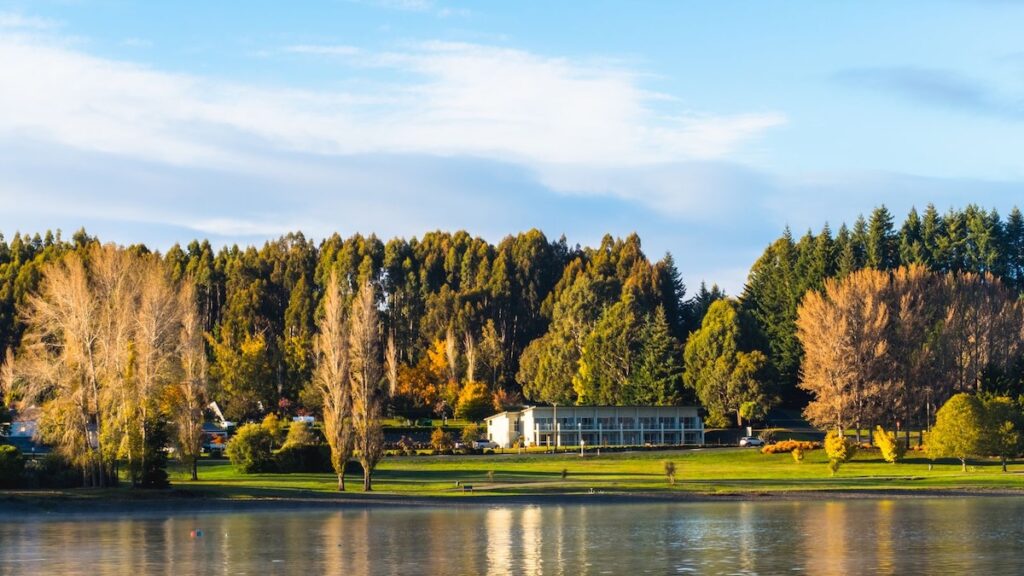
Te Anau is the most practical base for exploring Fiordland. It sits right on Lake Te Anau and has hotels, restaurants, shops, and easy access to Milford Sound. It’s also about twenty minutes from Manapouri, where Doubtful Sound cruises depart. Te Anau is a genuinely pleasant place to spend an evening too, not just a bed between excursions.
For travelers who want to see Milford Sound at dawn or dusk without a crowd, Milford Sound Lodge is the one place to actually stay overnight at the fiord itself. It’s a different kind of trip than basing out of Te Anau, quieter and more immersive, and worth considering if that experience matters more to you than convenience or cost.
Queenstown has far more hotels and restaurants, but I wouldn’t use it as a sole base if you’re spending more than one day exploring Fiordland. Too much of your time ends up lost to the road.
For a first New Zealand trip that includes Milford Sound, two nights in Te Anau is a solid starting point. Add another night or two if you’re taking on Doubtful Sound as well, or if you just want some breathing room in case the weather shifts your plans.
Practical Tips for Fiordland
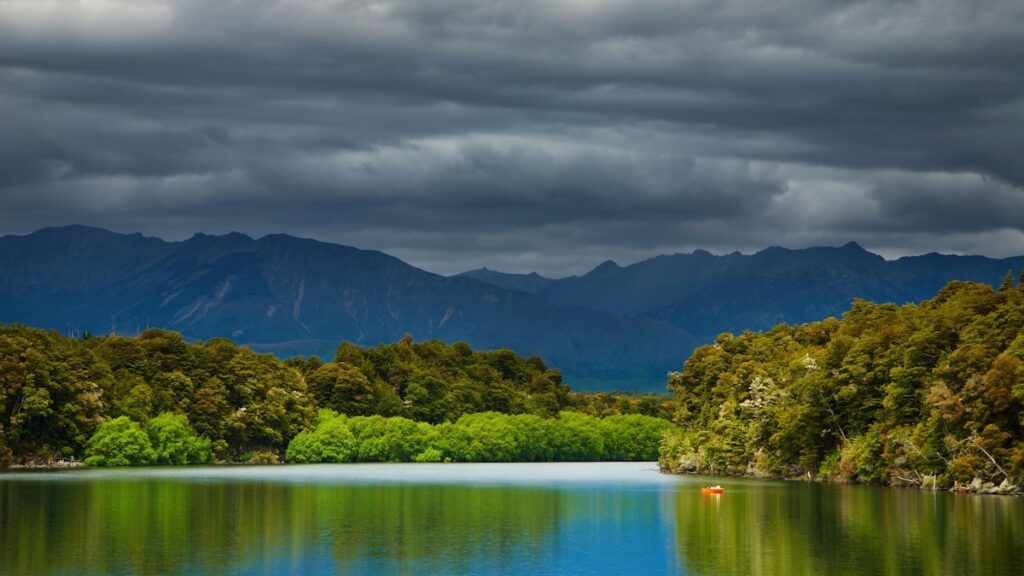
Cruising is the main reason most people come to Fiordland in the first place, but it doesn’t have to be the only thing on the itinerary. Kayaking puts you right at water level, which gives you a real sense of how tall the cliffs actually are. Scenic flights do the opposite, lifting you above the mountains, glacial valleys, and coastline for a view the road can’t offer. Hikers have real options here too, including the Milford, Kepler, and Routeburn Great Walks, though huts on the Milford Track in particular need to be booked well ahead, often months in advance for the summer season. You don’t need a multi day trek to experience the landscape on foot, though. Shorter walks around Te Anau and along Milford Road, some as short as twenty or thirty minutes, are easy to fold into a regular sightseeing day.
A few logistics are worth knowing before you go. Cell service drops off quickly once you leave Te Anau, so download whatever you need before heading toward Milford. There are also no shops or fuel stations between Te Anau and Milford Sound, so fill up and pack food and water before you go. Bring a waterproof jacket no matter what the forecast says, and wear shoes that can handle wet, uneven ground.
If you’re driving yourself, give yourself more time than any map suggests. Milford Road isn’t a drive to rush, and the stops along the way are half the point of taking it.
Most importantly, don’t hold out for a perfectly sunny forecast. Some of the best days in Fiordland turn out to be the rainiest ones, when waterfalls streak down every cliff face in sight.
For most first trips, Milford Sound is the better call. It’s easier to work into a South Island itinerary, the road trip alone is worth the drive, and you still get towering cliffs, cascading waterfalls, wildlife, and everything Fiordland is known for. Doubtful Sound is the better choice if you have extra time or if quiet, remote, and far from a crowd is what you’re actually after. And if Fiordland is one of the main reasons you’re coming to New Zealand at all, you don’t have to pick just one. With a few extra nights in the area, seeing both is entirely doable.
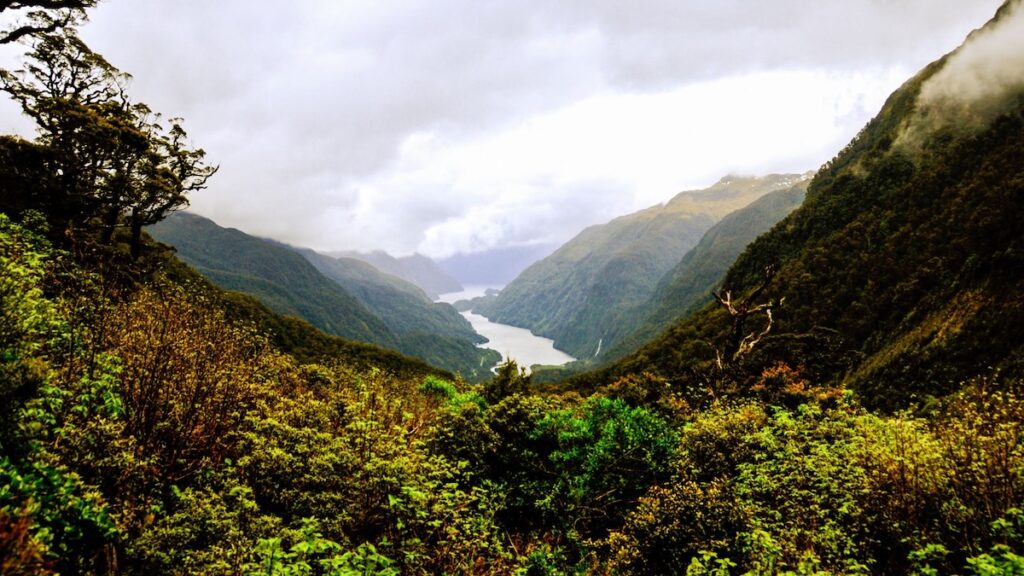
Fiordland takes more planning than many of New Zealand’s other highlights, but once you see these cliffs and waterfalls in person, it’s easy to understand why people go out of their way to get here.
If you’d like help working Fiordland into a full New Zealand itinerary, reach out and we can start mapping it out together.