
When is cherry blossom season in japan?
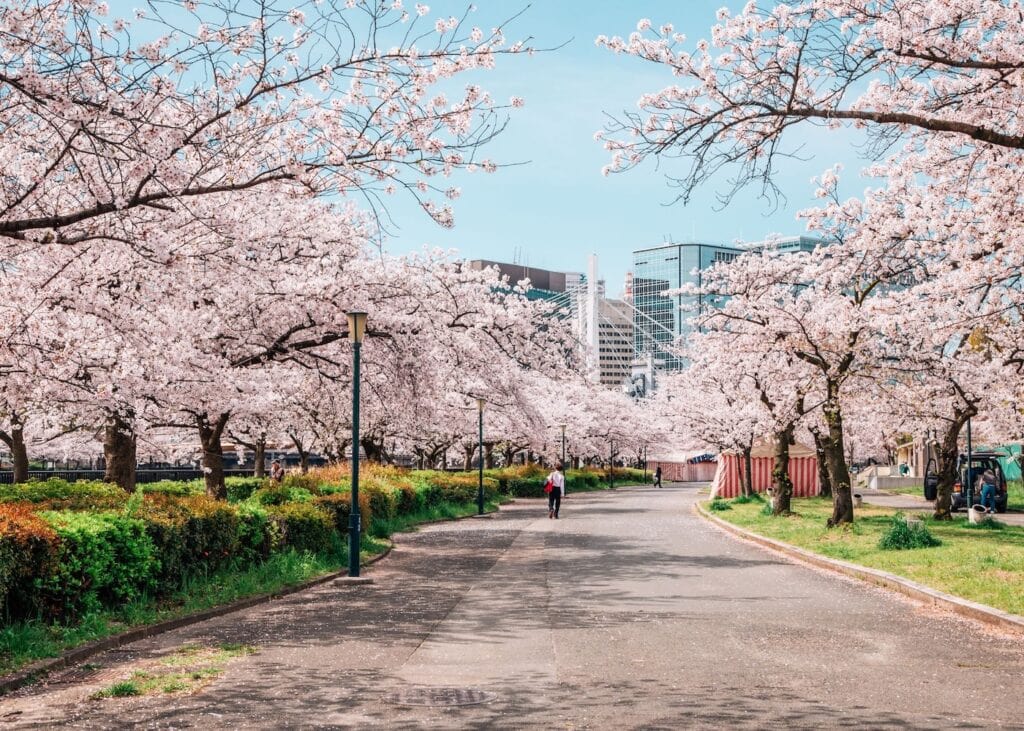
Cherry blossom season in Japan gets an enormous amount of hype, and by most accounts it lives up to it. Temples framed in pink, castle grounds covered in petals, Mount Fuji standing behind a row of flowering trees. It’s one of the most sought-after times of year to visit, and the country fills up accordingly.
There’s a catch, though. The dates change every year, and the flowers don’t stick around nearly as long as most people expect.
In Tokyo, Kyoto, and much of central Japan, the blossoms typically open between late March and early April. A warm spring can bring them out early, and a chilly one can hold them back. Once the trees reach full bloom, the flowers usually last about a week, sometimes less if heavy rain or a windy afternoon rolls through. Mother Nature doesn’t check anyone’s vacation calendar.
The good news is that the blossoms don’t open everywhere at once. The bloom works its way north across the country over several months. Here’s how the season plays out, where to go, and how to give yourself a real shot at seeing the trees at their peak.
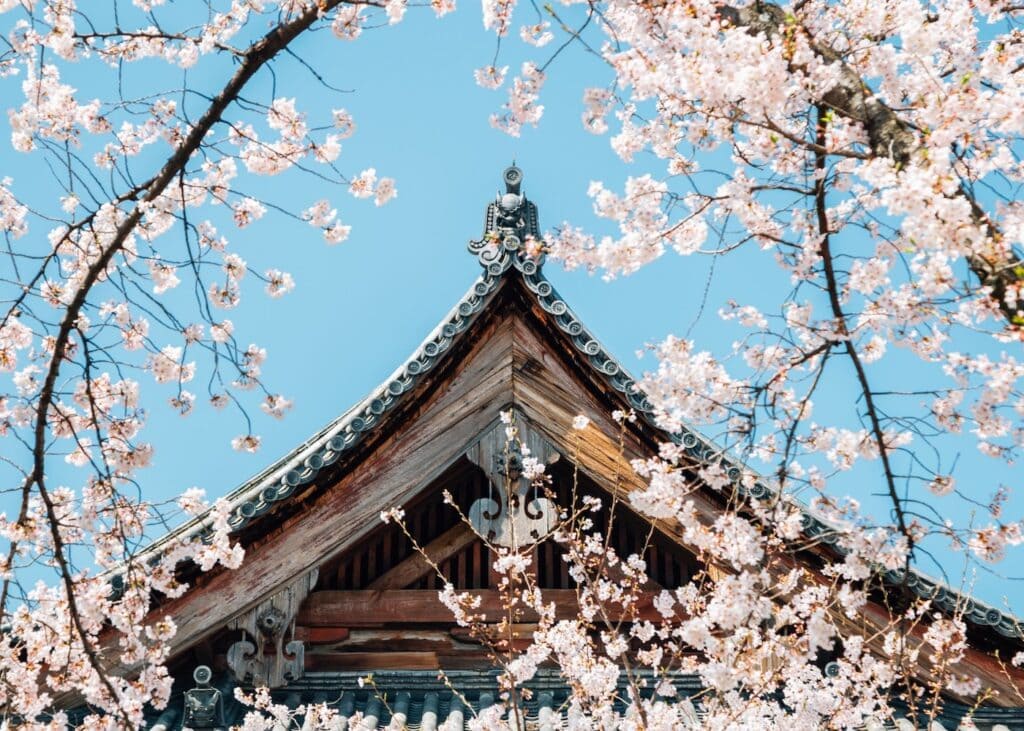
Bloom Timing in Japan
The flowers are called sakura, and the season is part of everyday life through hanami, the centuries-old tradition of gathering under the trees to enjoy them. Families, friends, and coworkers spread out blankets in the parks to eat, drink, and celebrate the end of winter, and joining in is one of the best parts of being there in spring.
In Tokyo, Kyoto, and Osaka, the season usually lands between late March and early April. The first buds open about a week before full bloom, and the peak window can be surprisingly short. If the blossoms are a priority, give yourself at least seven to ten days in Japan rather than building a quick visit around one forecast date. That breathing room means an early or late bloom won’t throw off the whole trip.
Japan’s geography helps a lot here. Okinawa starts things off with deeper pink, early blooming trees in January and February. Fukuoka and the rest of Kyushu usually follow from late March into early April, right alongside Tokyo, Kyoto, Osaka, and Hiroshima, though one city can run a few days ahead of another. Around Mount Fuji and at higher elevations, the trees tend to bloom in early to mid April.
Farther north, the season keeps going. Northern Honshu blooms through April, and Hirosaki Castle, with its moats and old wooden turrets, is one of the country’s most celebrated late season spots. Hokkaido brings up the rear in late April or early May, when Sapporo finally gets its turn. If your dates don’t line up with that classic late March window, you still have options. The blossoms are simply somewhere else.
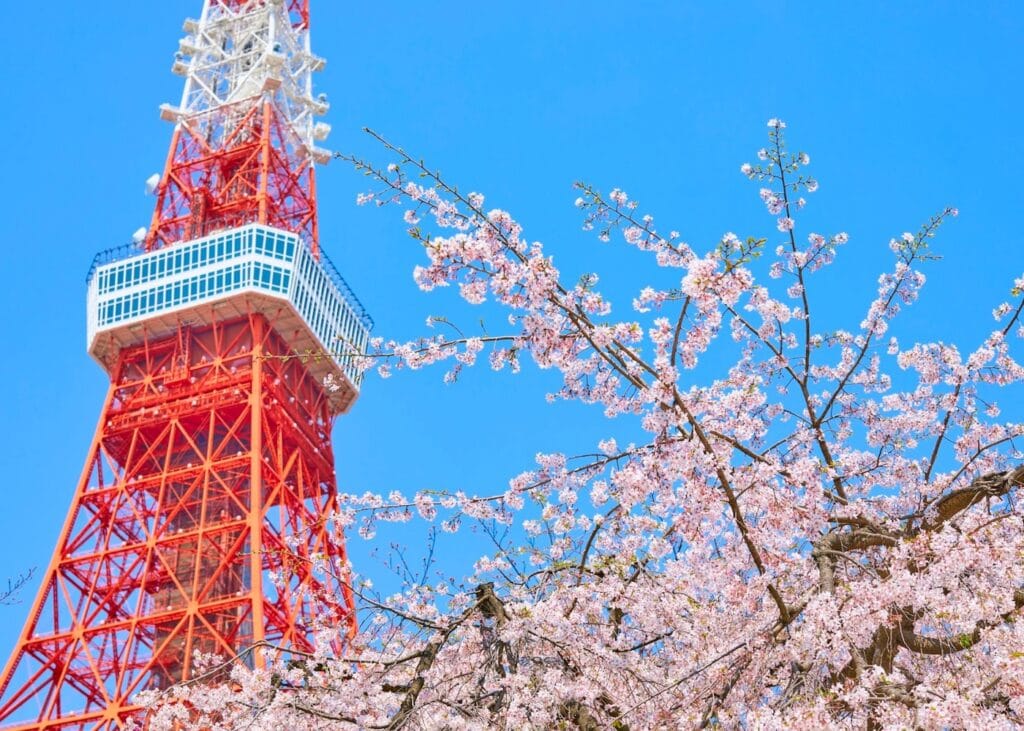
Tokyo
Tokyo makes it easy to catch the season without going far. Ueno Park is known for its long avenues of cherry trees and its festive picnic atmosphere. Along the Meguro River, branches reach out over the water and create one of the most photographed spring scenes in the city.
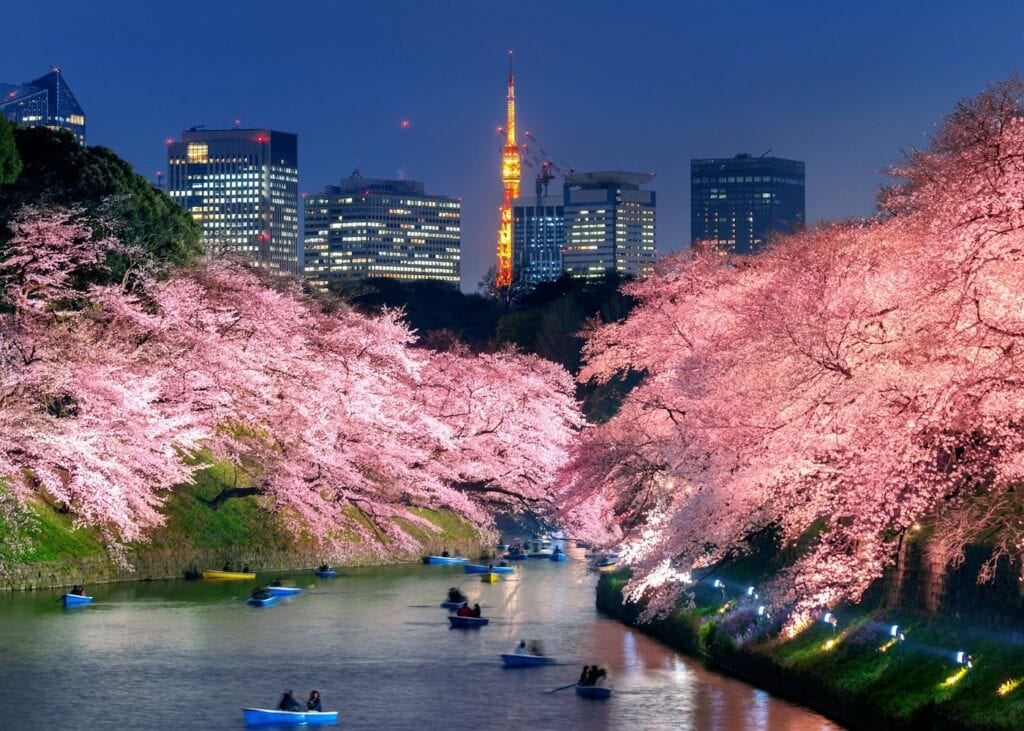
Chidorigafuchi is another standout, with cherry trees lining the old moat near the Imperial Palace. Depending on conditions, you can take a rowboat out and float right under the blossoms, which is about as charming as it sounds.
Part of Tokyo’s appeal in spring is the contrast. You can spend the morning under pink branches and the afternoon in the city’s restaurants, markets, museums, and neighborhoods.
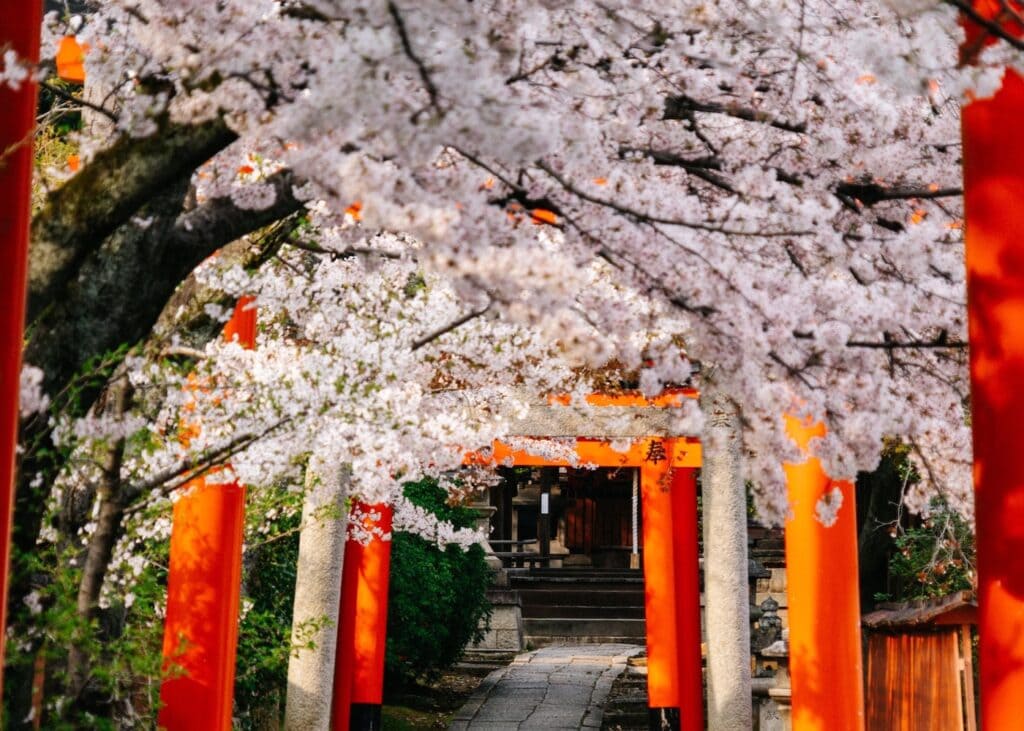
Kyoto
If your vision of cherry blossom season includes temples, gardens, and wooden townhouses, you’re probably imagining Kyoto.
The Philosopher’s Path is the city’s best-known blossom walk, with cherry trees lining a quiet canal that winds past neighborhoods and temples. Maruyama Park is home to a beloved weeping cherry tree that glows after dark when it’s lit up for the season. The grounds around Kiyomizu-dera and the banks of the Kamo River are lovely for wandering, too.
Kyoto gets very crowded in spring, so a central hotel location makes a real difference, and early mornings at the big name sites help you stay ahead of the masses. Leave some room for smaller temples and gardens, too. Some of the most beautiful trees in Kyoto aren’t the ones all over social media.
Osaka
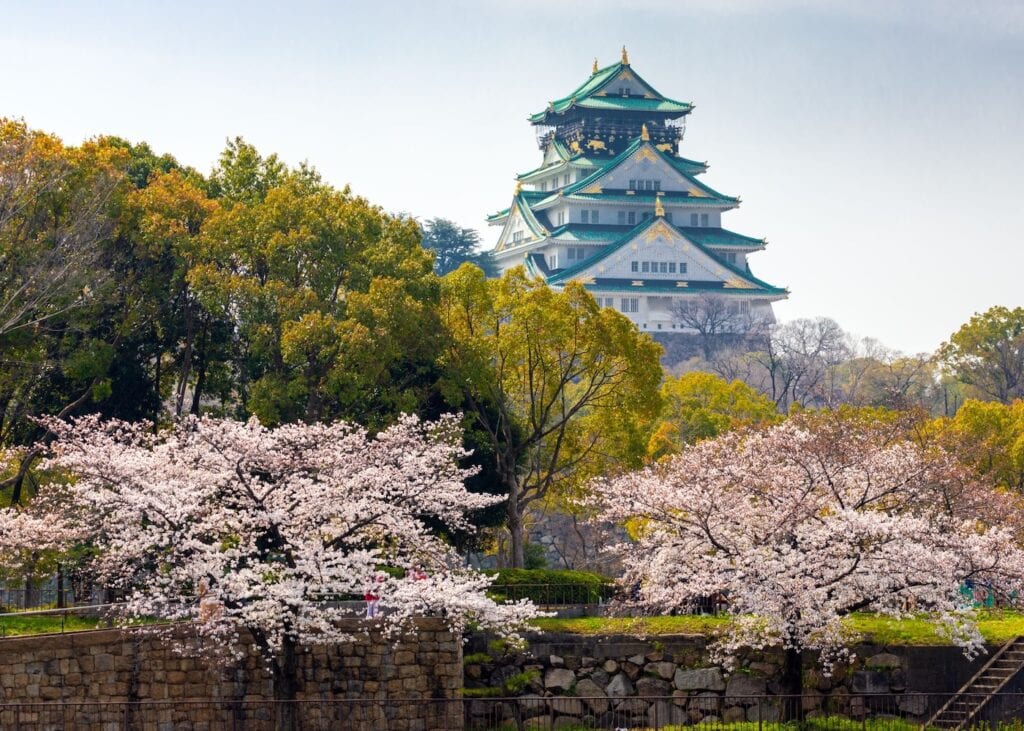
Osaka is the pick for travelers who want their blossoms with a side of serious food and big city energy. It’s a little less polished than Tokyo and a lot less hushed than Kyoto, and that’s a big part of its charm.
Osaka Castle Park is the star, with around 3,000 cherry trees surrounding the moats, massive stone walls, and castle tower. Inside the grounds, Nishinomaru Garden stays open into the evening for illuminated viewing during the season. Kema Sakuranomiya Park, along the Okawa River, adds a long, scenic riverside walk lined with trees.
After a day under the blossoms, Dotonbori serves up takoyaki, okonomiyaki, and kushikatsu under a wall of neon signs. Osaka also makes a handy base for day trips to Kyoto and Nara, both well under an hour away by train, and hotels here can be easier to come by than in Kyoto when spring demand peaks.
Mount Fuji
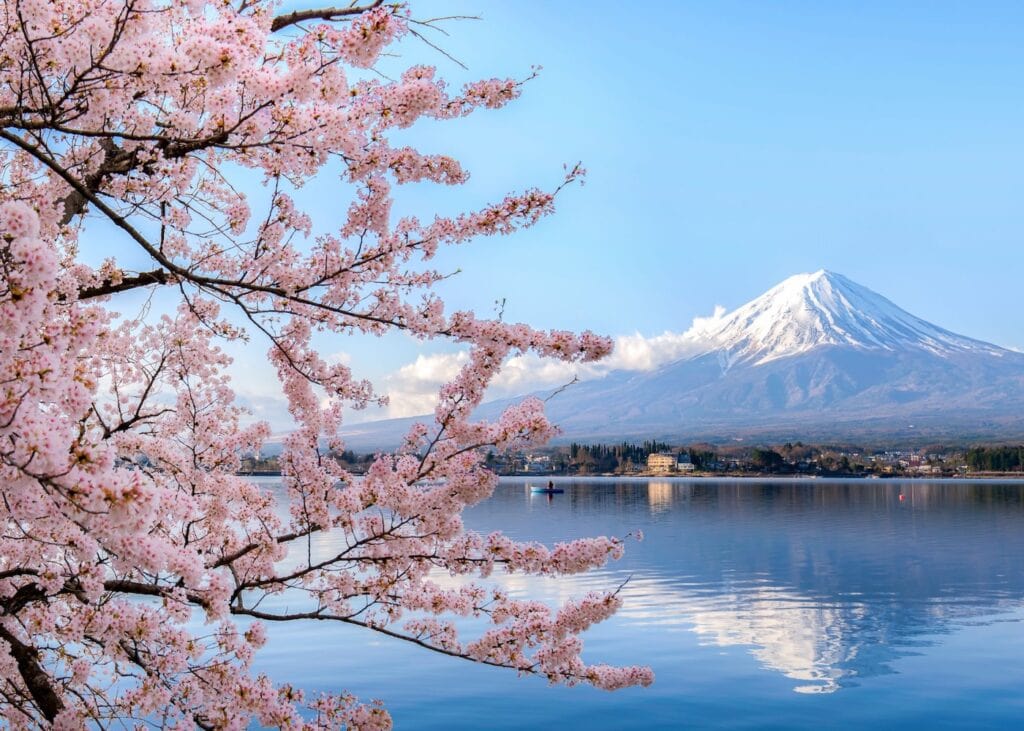
One of Japan’s most recognizable spring images is Mount Fuji rising behind a cloud of cherry blossoms. The Chureito Pagoda near Fujiyoshida is famous for this view, with its red pagoda, pink trees, and snowcapped peak lined up like a postcard. The area around Lake Kawaguchi has good viewing spots, too.
Because this region runs cooler than Tokyo, the blossoms usually arrive a bit later, typically in early to mid April.
One honest warning: Mount Fuji is a little shy. Clouds can hide it completely, even when the trees are at their best. If seeing the mountain matters to you, build in some flexibility rather than counting on a single day.
Beyond Peak Bloom
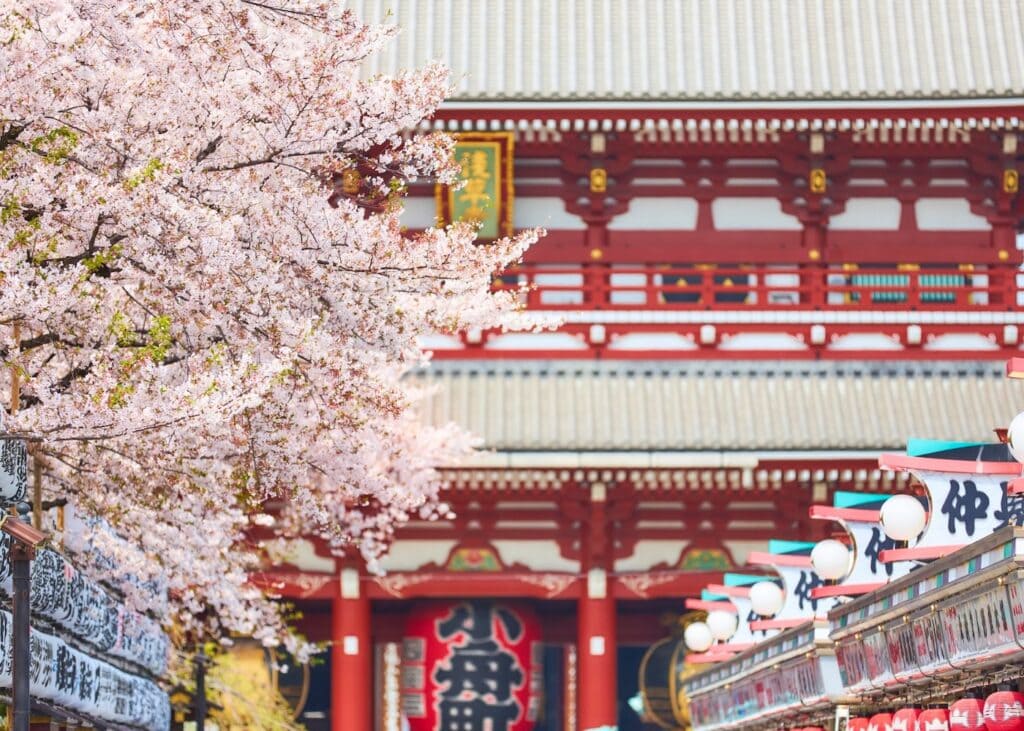
You’ll see the term peak bloom everywhere once you start researching. Japanese forecasts usually track two dates, first flowering and full bloom. But full bloom doesn’t mean every tree in a city opens on the same day.
Different varieties bloom on different schedules, and even trees in the same neighborhood can flower several days apart depending on sun and location. A few days before full bloom, the trees can already look spectacular. Afterward, the petals start to fall, drifting across paths and floating down rivers and canals, and plenty of travelers find that stage just as magical as the peak.
Early varieties stretch the season in the other direction, too. Kawazu-zakura, a deep pink variety, blooms weeks before the classic somei yoshino trees, and the town of Kawazu on the Izu Peninsula holds a festival for it from February into early March. Later varieties like yaezakura, with their fuller, ruffled flowers, carry the season past the main bloom. So aim for peak bloom, but know it isn’t the only good moment to be there.
Planning Your Trip
Cherry blossom season is one of Japan’s busiest travel periods, so a little lead time goes a long way. Start planning at least six to nine months ahead, especially if you have your heart set on a prime location in Kyoto or Tokyo. The best hotels and traditional ryokan can fill up months in advance, and spring rates tend to run higher.
If there’s one thing I’d underline twice, it’s this: don’t pin the whole trip on one predicted bloom date. Forecasts are helpful, but they’re not promises. A warm winter can bring the flowers out early, a cold one can delay them, and a stormy week can cut the show short. A travel window and a route that give you a shot at blossoms in more than one place will serve you far better.
For a first visit, Tokyo and Kyoto make a natural foundation, and adding a cooler stop like the Mount Fuji area can extend your chances if the cities bloom early. It also helps to remember that Japan has far too much to offer to spend an entire vacation chasing cherry trees. Blossom viewing fits beautifully alongside temples, food experiences, gardens, an onsen soak, or a day in the countryside. That way, if the blossoms show up a few days early or late, you’ll still have a trip to remember.
Once you’re there, get out early. The most visited spots fill up fast, especially on weekends, and an early start lets you enjoy the scenery before everyone else rolls out of bed. Evenings can be enchanting, too, at places where the trees are lit up, though those nighttime viewings draw plenty of company.
As for packing, spring in Japan is cooler than many travelers expect. Late March and early April often bring chilly mornings, mild afternoons, and the occasional shower, so bring layers for long stretches in parks, gardens, and temple grounds. Comfortable walking shoes are a must, since blossom hunting usually means hours on your feet, and a lightweight rain jacket or compact umbrella earns its spot in the suitcase. If your route heads north or into the mountains, pack a little warmer. Spring arrives on a very different schedule there than it does in Tokyo.
Spring is a lovely time for Japan, as long as the blossoms are part of the trip rather than the whole plan. Choose the places that excite you most, give yourself room to explore them, and let the trees do their thing. Even if the timing isn’t perfect, Japan gives you plenty to fall in love with.
If you’d like help putting together a custom, well-researched cherry blossom itinerary built around realistic bloom windows, let’s talk.