
The Wildlife Destinations David Attenborough Made Us All Want to Visit
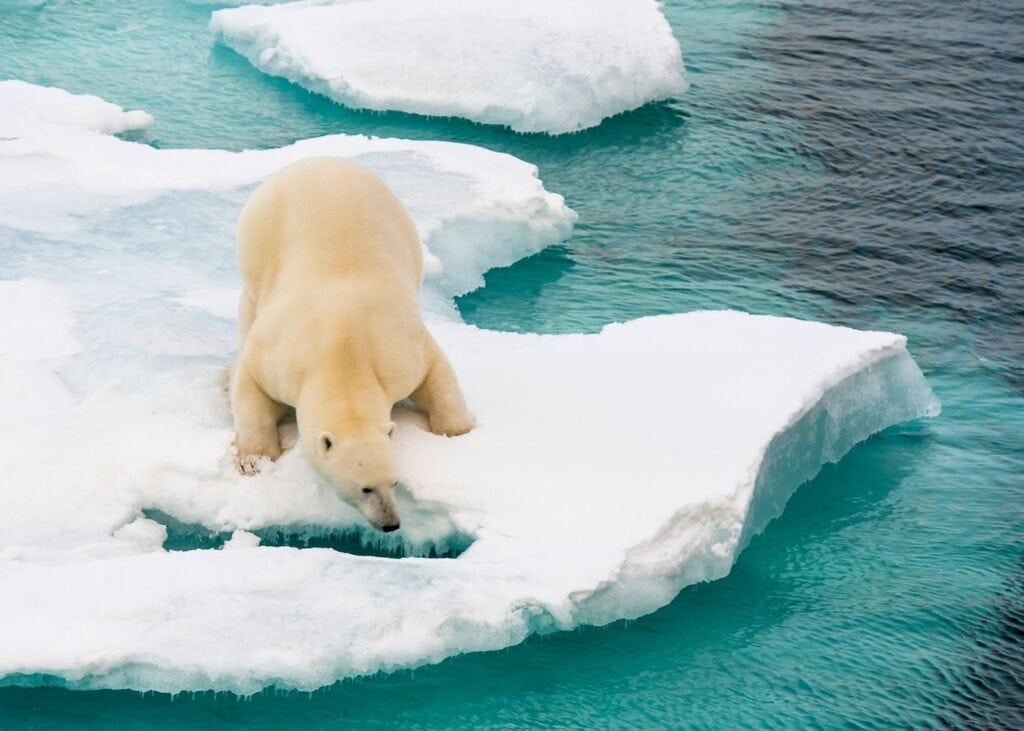
The man just turned 100 years old. One hundred. And in that century, David Attenborough did something no one else has ever done quite the same way: he made people care. Not just about polar bears in the abstract, or coral reefs as a concept, but about specific animals in specific places. He made you feel like you knew them. And once you felt that, you wanted to go.
I’ve spent a good portion of my life chasing that feeling. Walking with rescued elephants in Thailand, volunteering with a wildlife conservation program in Zimbabwe, watching mountain gorillas in Rwanda. Long before wildlife travel had a name, Attenborough was the reason people like me started chasing it. Going to see the real thing instead of just watching it on a screen.
So in honor of his 100th birthday, here are the seven wildlife destinations his work made famous. These are bucket list trips. Some are more accessible than others. All of them are worth it.
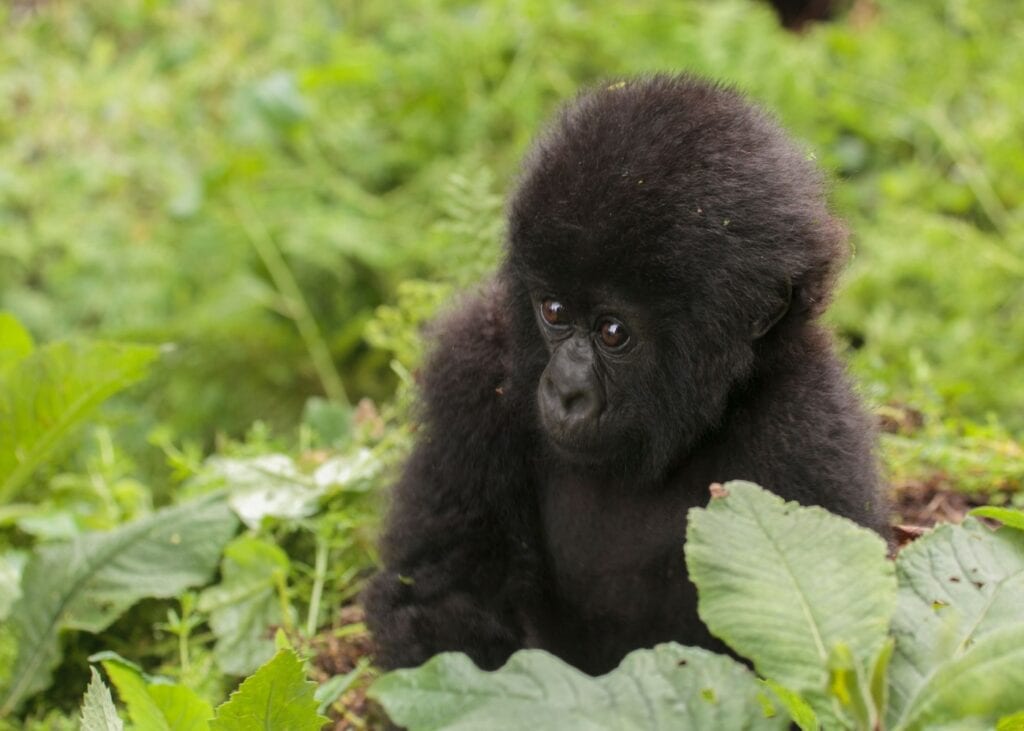
Rwanda: Where His Most Famous Moment Happened
In 1978, while filming Life on Earth in Rwanda’s Volcanoes National Park, a baby gorilla named Pablo climbed on top of Attenborough while he was on camera. Other gorillas tried to untie his shoes. He sat there, completely still, laughing quietly, visibly undone by the whole thing. It became one of the most iconic moments in the history of nature documentaries, and it’s still the first thing Attenborough mentions when people ask about his most cherished memories.
Volcanoes National Park is still where you go to see mountain gorillas, and the trekking experience is run with genuine care. Permits are limited, groups are small, and the revenue funds conservation and local communities directly. Rwanda is also a much richer trip than most people expect, with Kigali, Nyungwe Forest, and Akagera National Park rounding out a country that delivers on every level.
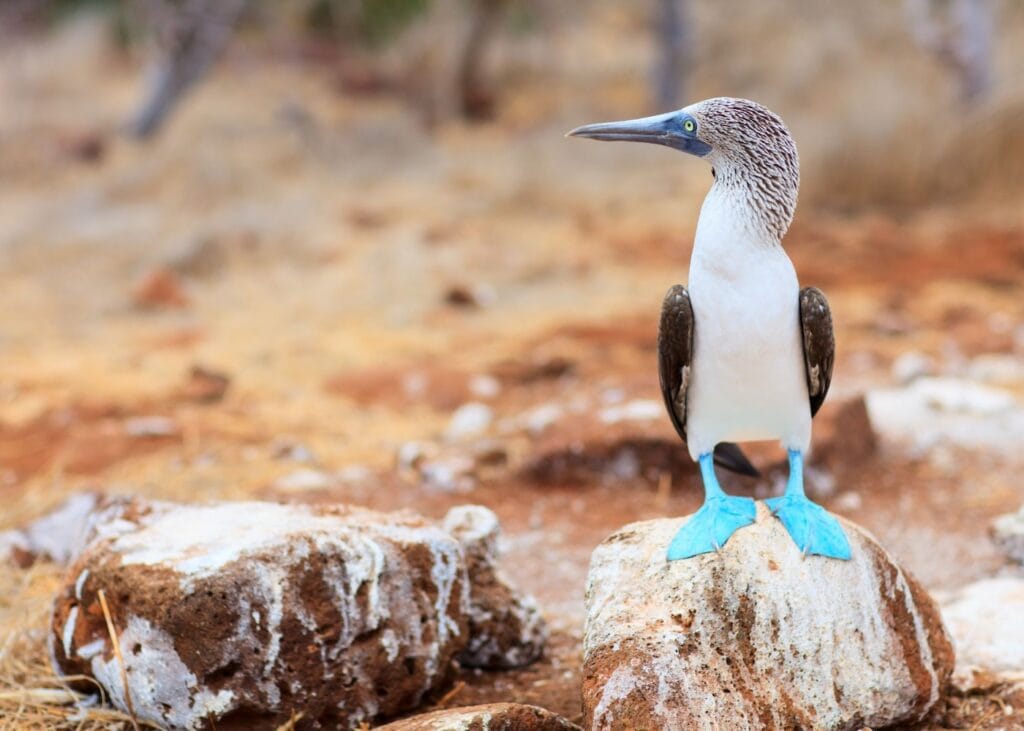
The Galápagos Islands: Darwin's Living Laboratory
Attenborough’s relationship with the Galápagos goes back to the 1970s, and he returned decades later to present his own dedicated documentary series there. It’s not hard to understand why. The islands sit more than 600 miles off the coast of Ecuador, and the wildlife there has evolved in near-total isolation, which means the animals have essentially no fear of humans. You can stand next to a marine iguana sunning itself on a rock and it won’t move. A sea lion may swim circles around you while you snorkel. Blue-footed boobies perform their courtship dances at eye level.
Most travelers fly in from Quito or Guayaquil and explore by small expedition cruise, which lets you reach the outer islands where the most extraordinary wildlife lives. It takes effort to get there. It is absolutely worth every bit of it.
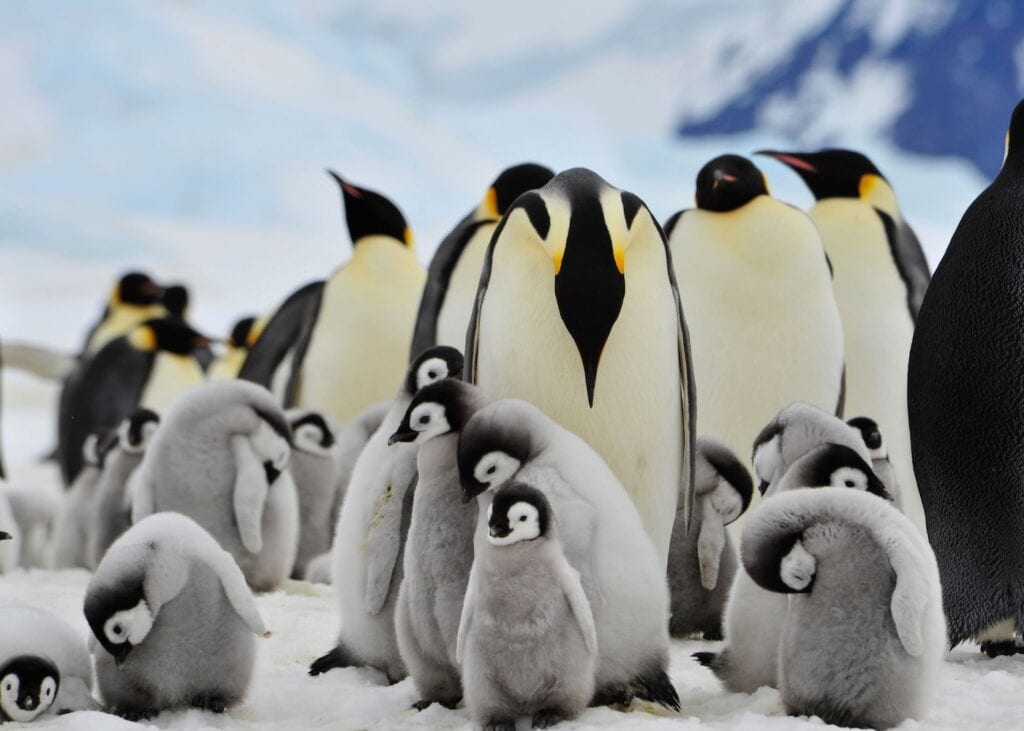
Antarctica: The Last Wild Place
Frozen Planet aired in 2011 and promptly put Antarctica on the bucket list of an entire generation of travelers. Attenborough narrated the series, and the footage, shot over 2,300 days of filming, showed the poles in a way they had never been captured before. Emperor penguins huddled against blizzards. Orca pods hunting in coordinated packs. Humpback whales surfacing through sea ice.
Most people reach Antarctica by expedition cruise departing from Ushuaia, Argentina, crossing the Drake Passage and arriving at the Antarctic Peninsula. It is remote, expensive, and unlike anything else on the planet. The wildlife you see, including Weddell seals, macaroni penguins, and blue whales, exists at a scale that genuinely stops you. If you’ve ever watched Frozen Planet and thought “I want to be there,” follow your instincts!
Borneo: Where His Career Began
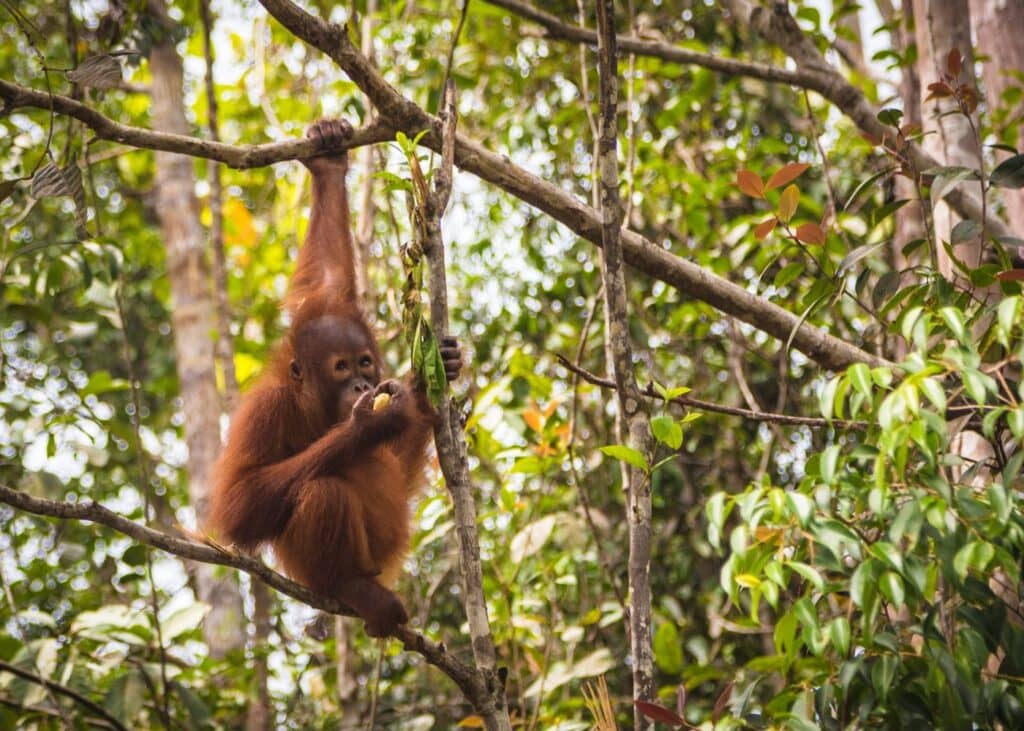
In 1956, a 30-year-old David Attenborough traveled to Borneo as part of Zoo Quest, his first major series for the BBC. He was searching for orangutans in the rainforest, and when one finally appeared overhead, dangling from the branches above him, he described it as the moment he understood what he wanted to spend his life doing.
He’s returned to Borneo many times since, most recently in Seven Worlds, One Planet, where he documented the devastating impact of deforestation on orangutan habitats. That context matters when you visit. Camp Leakey in Tanjung Puting National Park welcomes visitors to observe orangutans in a rehabilitation setting, alongside guides who understand the forest and the animals deeply. The Borneo Orangutan Survival Foundation does some of the most important conservation work happening anywhere right now, and a visit there is something you don’t forget.
Alaska: The Salmon Run
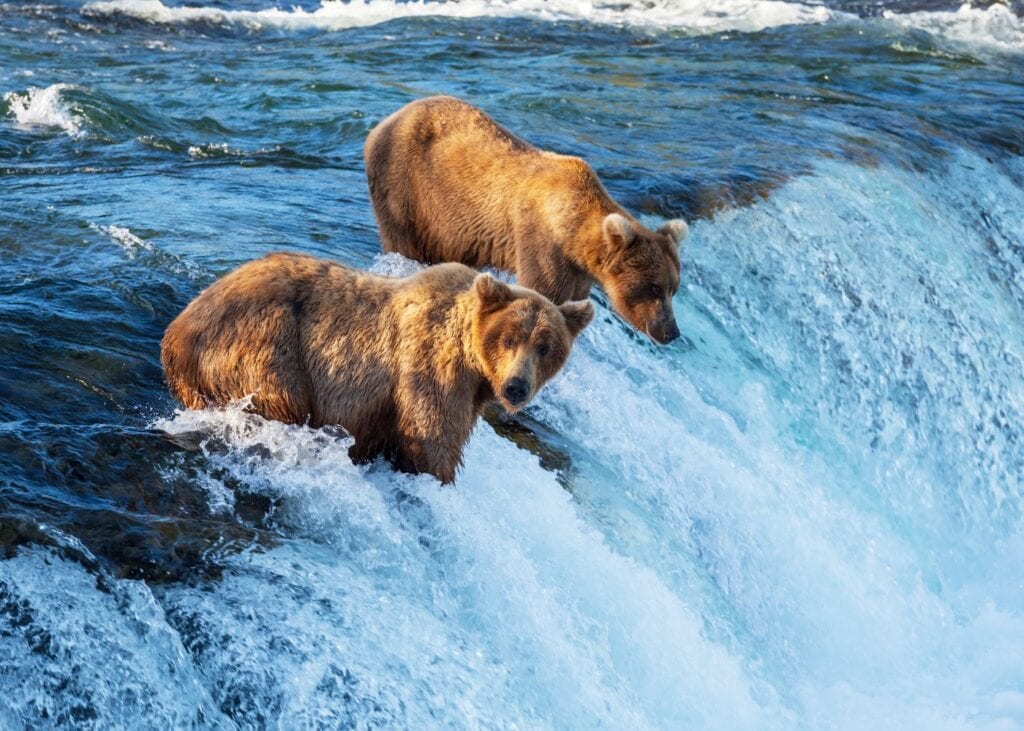
Nature’s Great Events, which Attenborough narrated in 2009, dedicated an entire episode to the Alaskan salmon run, one of the most dramatic wildlife events on the planet. Every year, millions of sockeye salmon return from the Pacific to the rivers where they were born, and the brown bears of Katmai National Park have figured out exactly where to stand.
Brooks Falls is where it all happens. Bears line up along the cascade, some standing directly in the current, some perched at the lip of the falls, snatching salmon mid-air. Between late June and September, you can watch this from designated viewing platforms, and peak bear activity in early July and again in late August is something that earns every superlative people throw at it. Alaska is also one of those places that tends to expand a trip in the best possible way, with glaciers, fjords, and wildlife well beyond the bears once you start exploring.
The Serengeti, Tanzania: The Greatest Show on Earth
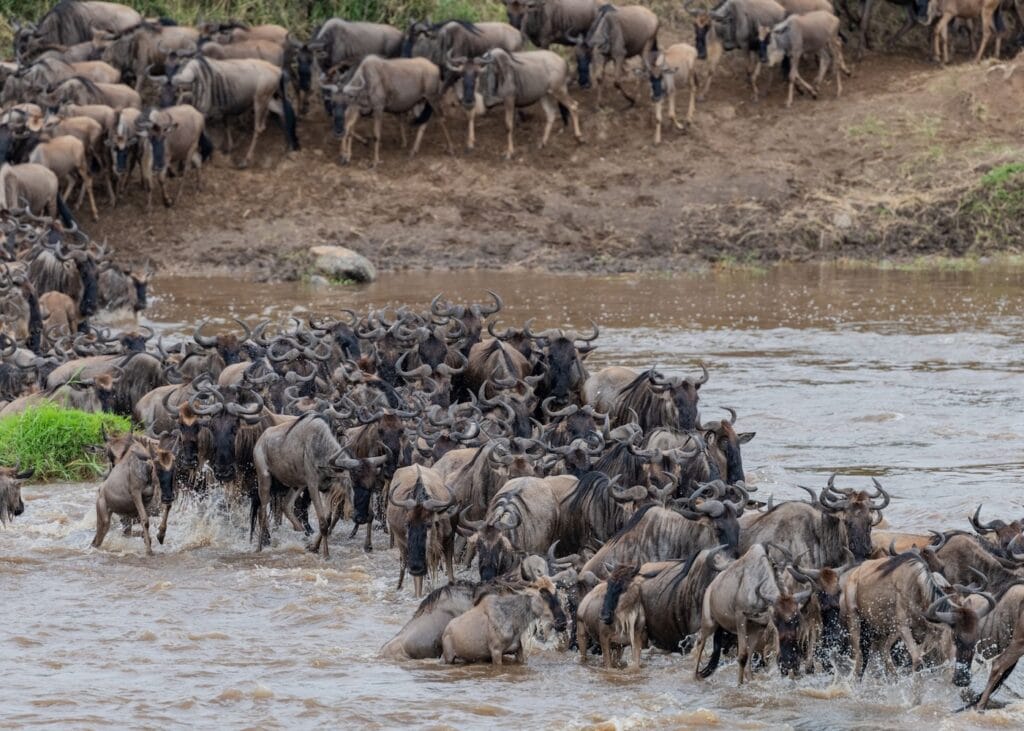
The Serengeti has featured in more Attenborough productions than almost anywhere else, from Planet Earth to Seven Worlds, One Planet to Africa. And the reason is simple: nothing else on the planet compares to the scale of wildlife that moves through this landscape. The great wildebeest migration alone involves over a million animals crossing the plains and the Mara River, with every predator on the continent seemingly aware of the schedule.
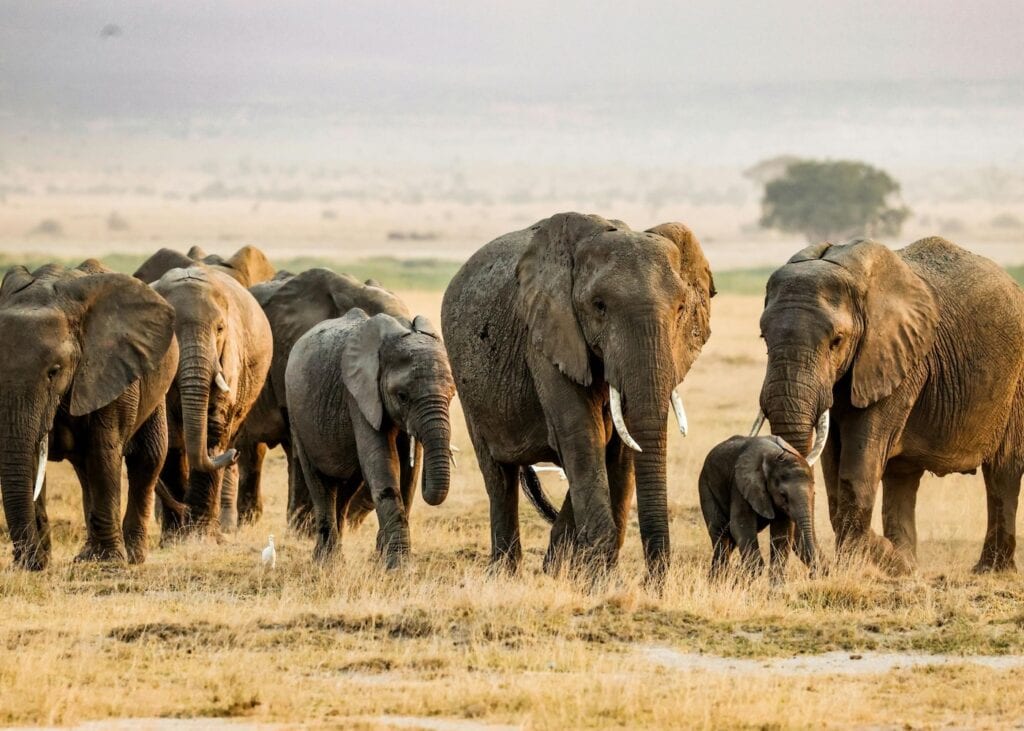
Even outside migration season, the wildlife density here is extraordinary. Lion prides sprawl across kopjes in the afternoon heat. Cheetahs scan the open plains from termite mounds. Elephants move through in family groups that look like they own the place, because they do. A well-planned Tanzania safari pairs the Serengeti with Ngorongoro Crater and often Tarangire or Lake Manyara, rounding out a trip that delivers at every turn.
The Daintree Rainforest, Australia: His Favorite Place on Earth
Attenborough has called the Daintree “the most extraordinary place on Earth,” and he’s said it more than once. That’s a strong statement from a man who has stood on every continent. The Daintree, in far north Queensland, is the world’s oldest tropical rainforest at over 180 million years old, and it sits at the edge of the Great Barrier Reef, meaning two of the planet’s most biodiverse ecosystems exist within an hour of each other.
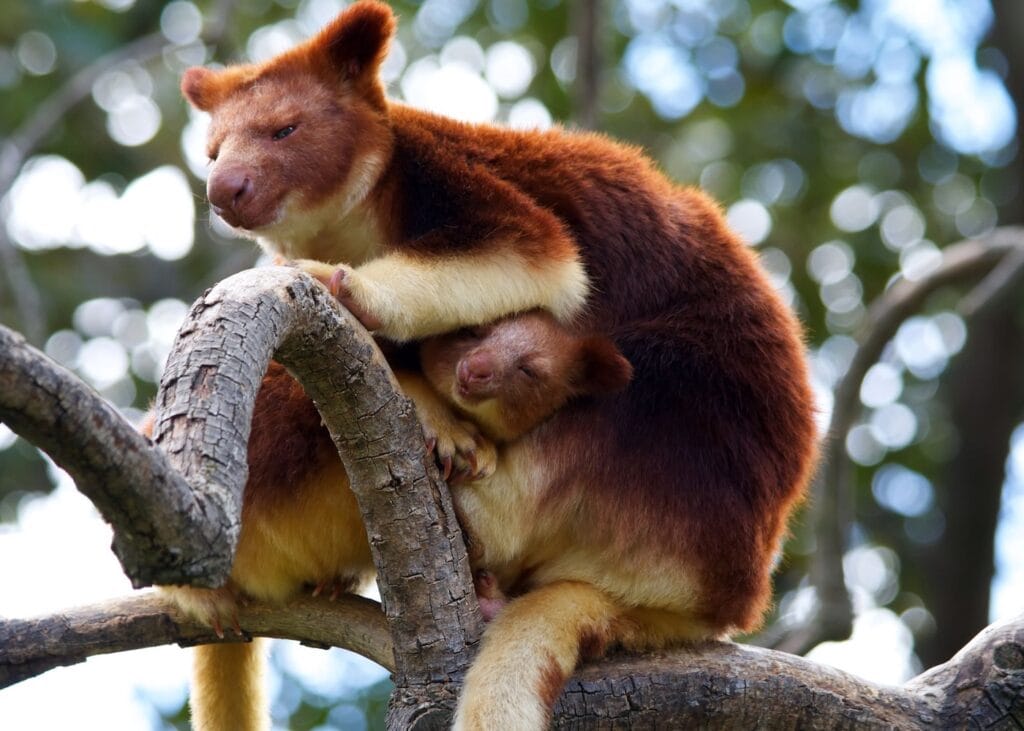
The wildlife here is genuinely strange in the most wonderful way. Southern cassowaries, which Attenborough has filmed and referenced throughout his career, look like something out of a prehistoric world. Tree kangaroos, crocodiles, and hundreds of bird species live in a forest so dense and green it feels separate from the rest of Australia entirely. Add a day or two on the reef, where you can snorkel or dive above coral gardens and alongside sea turtles, and you have a trip that earns its place on any serious traveler’s list.
A hundred years is a long time to spend showing people what the world looks like. What Attenborough understood is that love drives protection. And he spent a century making sure we all fell in love.
If any of these destinations are on your radar and you’d like help putting a trip together, reach out. Wildlife travel one of my favorite types of trips to design!