
Beyond Santorini and Mykonos: The Island of Crete, Greece
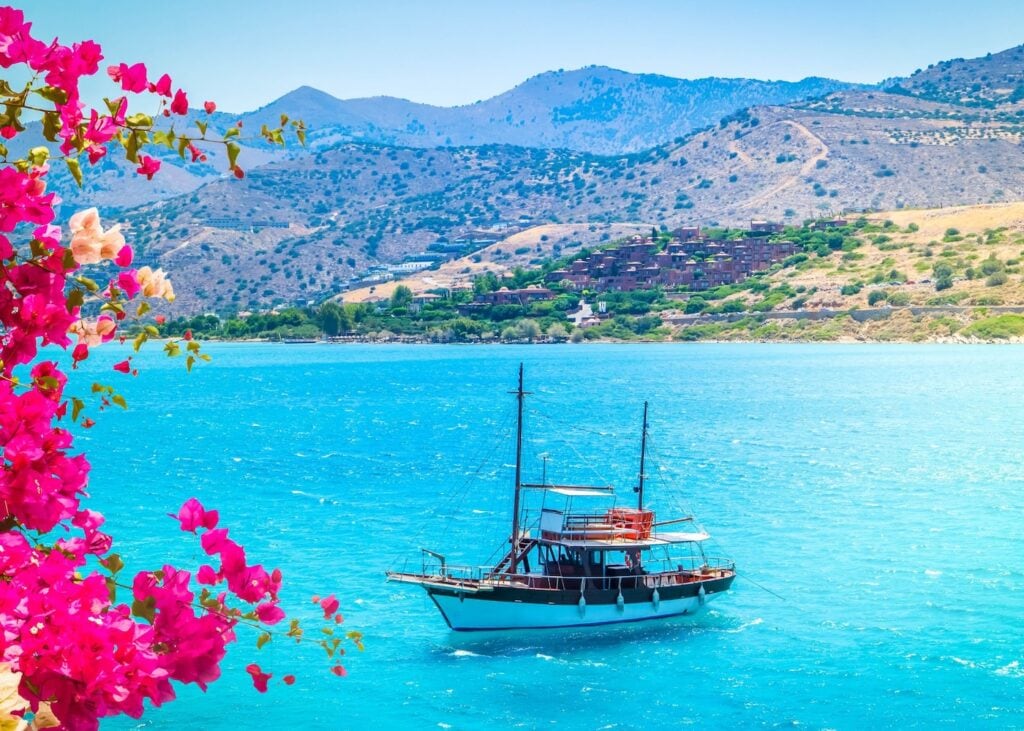
Most people planning a Greece trip have the same short list in their heads. Santorini for the sunsets. Mykonos for the energy. Maybe Corfu if they’ve already done those and want something a little different. Crete almost never makes that first round of planning, which is honestly a little wild to me, because Crete isn’t just another island to consider. It might be the best one.
Greece has so much more going on than most itineraries give it credit for, and the islands are a perfect example of that. The Ionian Islands alone would surprise most people who think Greece is just blue domes and white walls. But Crete is in a category of its own. It’s the largest island in Greece, the fifth largest in the entire Mediterranean, and it’s so big and so varied that it genuinely doesn’t feel like an island at all. It feels like its own country.
The food is different here. The history goes back further than anywhere else in Greece. And there’s enough to see and do that a week barely scratches the surface. If you’ve been sleeping on Crete, it’s time to fix that.
Chania
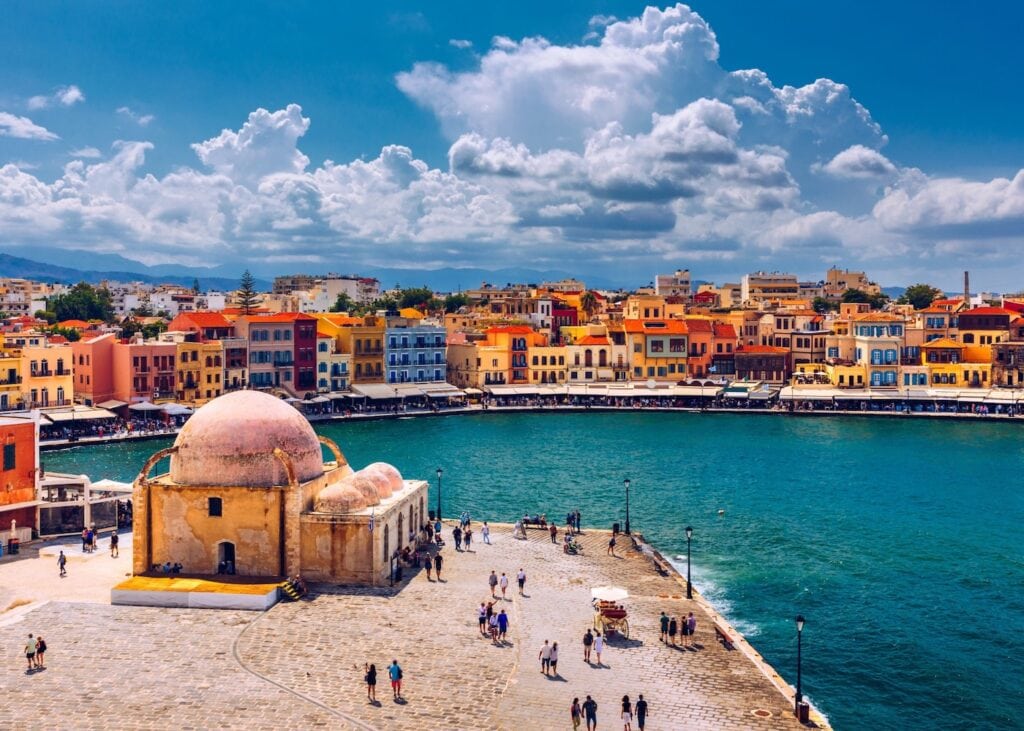
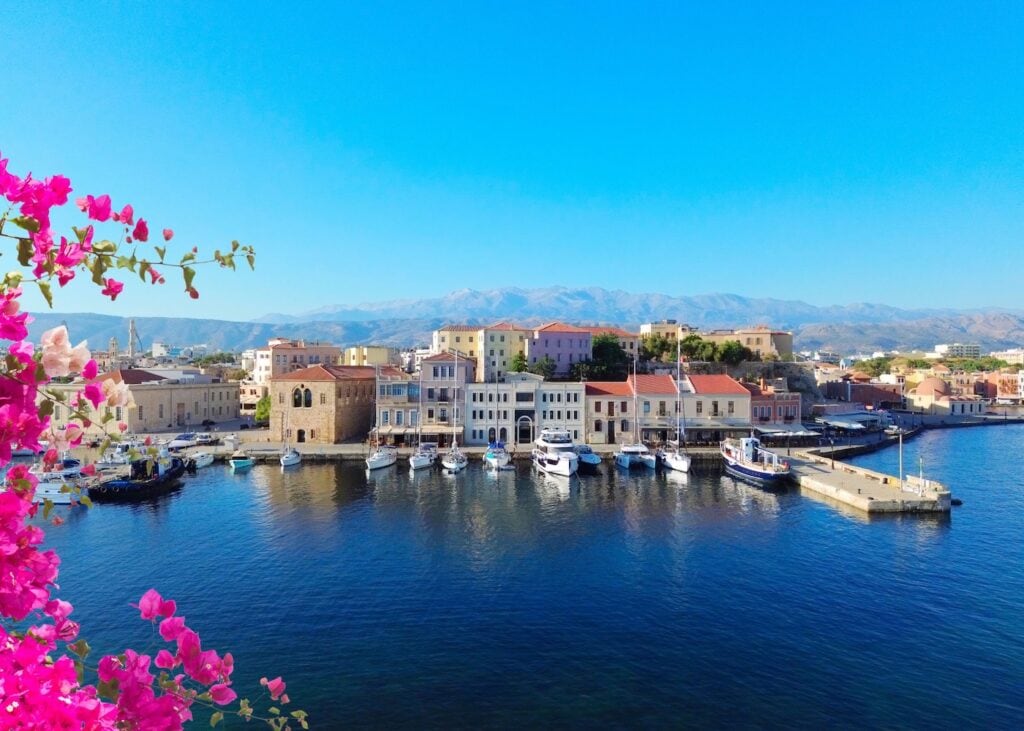
Chania is where most people flying into western Crete land, and if you’re smart you’ll build in extra time here because it’s genuinely one of the most beautiful cities in all of Greece. The old Venetian harbor is the kind of place that stops you mid-sentence. A 16th century lighthouse anchors the end of the breakwater, pastel buildings in every shade of yellow, orange, and terracotta line the waterfront, and tavernas spill out onto the pavement with tables practically in the water. In the evenings the whole harbor glows and it’s hard to convince yourself to leave.
Wander back from the water and you’re in a maze of narrow lanes that wind through centuries of history. Venetian mansions sit next to Ottoman mosques, little churches tuck themselves into unexpected corners, and shops sell Cretan olive oil, thyme honey, and herbs that smell incredible even through the packaging. The food scene in Chania is serious and deeply local. Dakos is the thing to order first, a Cretan barley rusk piled with crushed ripe tomatoes, crumbled mizithra cheese, and olive oil so good it makes you reconsider every olive oil you’ve ever bought at home. Cretan cuisine has a reputation as one of the healthiest and most flavorful in the Mediterranean, and after a few meals in Chania you won’t need anyone to convince you of that.
Heraklion and Knossos
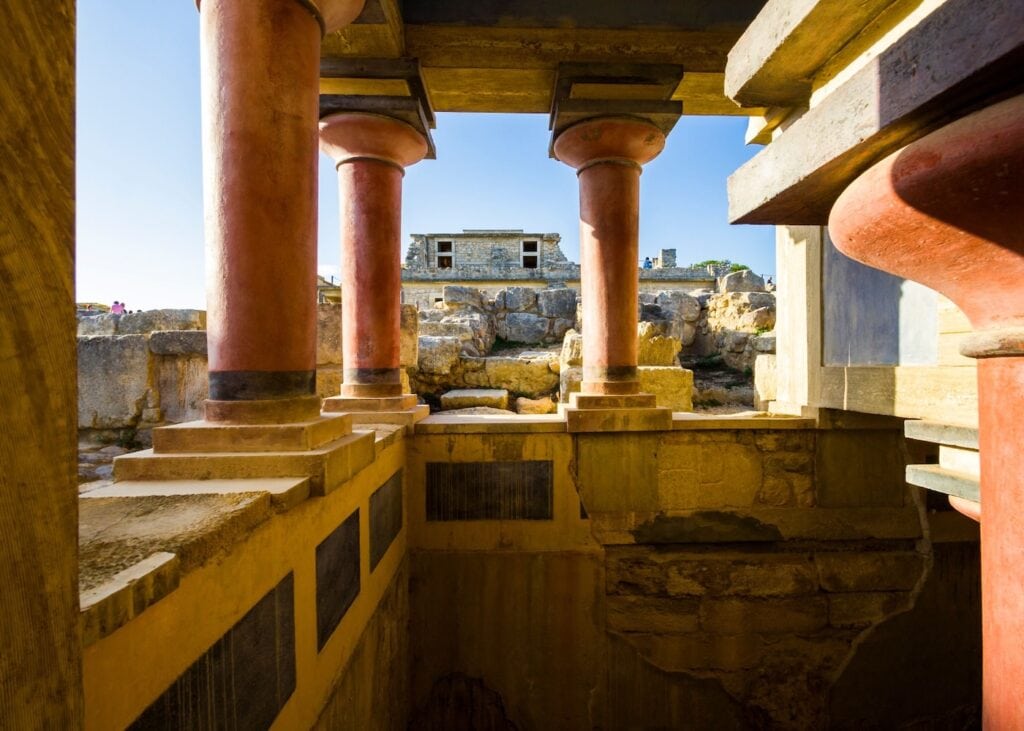
Heraklion gets written off by a lot of travelers as just an airport city to pass through on the way somewhere else, and that’s a real shame because it’s sitting on some of the most extraordinary history in the entire ancient world. The Heraklion Archaeological Museum is one of the finest in Europe, full stop, and it houses the world’s most extensive collection of Minoan artifacts. The frescoes from Knossos alone are worth the visit, vivid and surprisingly modern looking for something that’s been in the ground for thousands of years.
The Palace of Knossos is just a few kilometers outside the city and it’s the kind of place that genuinely shifts your sense of how old civilization really is. This is a Bronze Age site dating back over 3,500 years, the heart of the Minoan civilization which was the oldest in Europe, and when you walk through it you start to understand what that actually means. Running water. Multi-story architecture. Elaborate drainage systems. Frescoes on the walls. These people were not living in caves. The mythology of the Minotaur and the labyrinth was born here too, which gives the whole site an extra layer of drama that’s honestly hard to shake even after you’ve left.
Rethymno
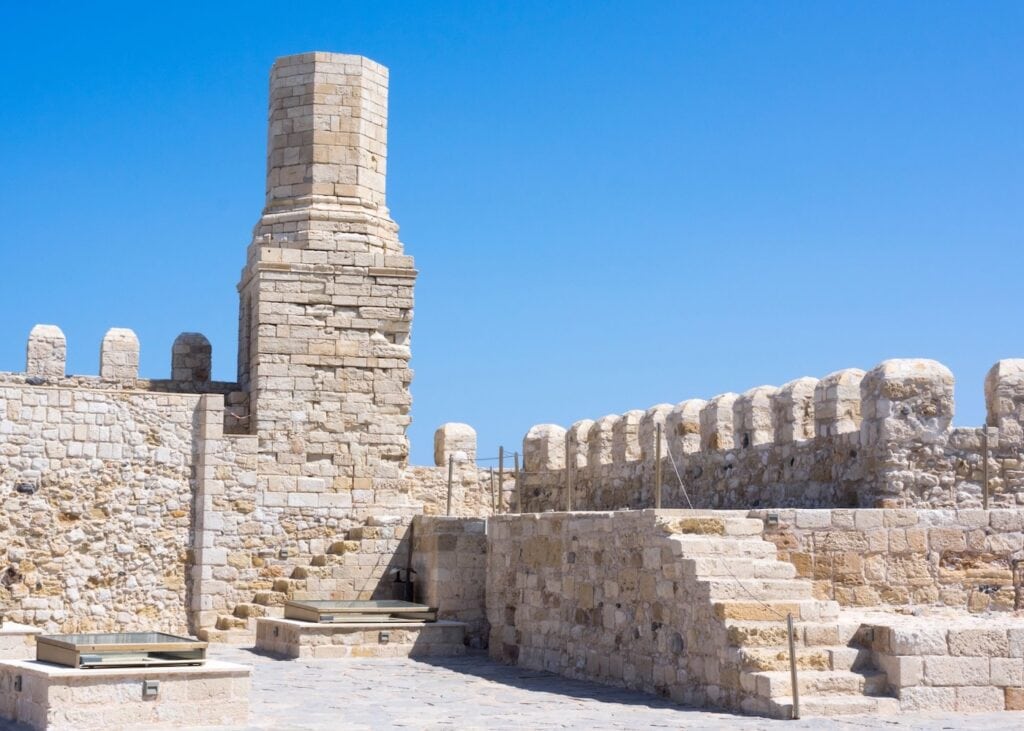
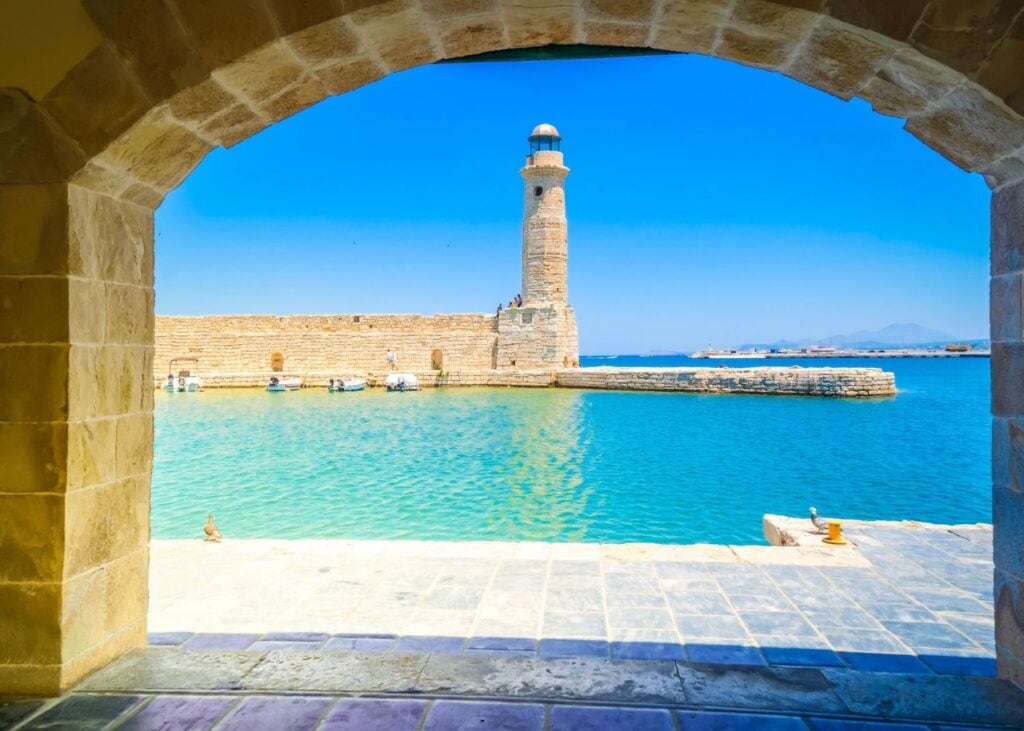
Rethymno sits between Chania and Heraklion along the northern coast and it tends to be the one that people who’ve been to Crete before say is their favorite. It has that quality that the best travel destinations have, where it feels completely itself rather than designed for visitors. The Fortezza, a massive Venetian fortress built in the 16th century, sits up on the hill above the harbor and the views from up there over the town and the sea are the kind that make you stand still for longer than you planned.
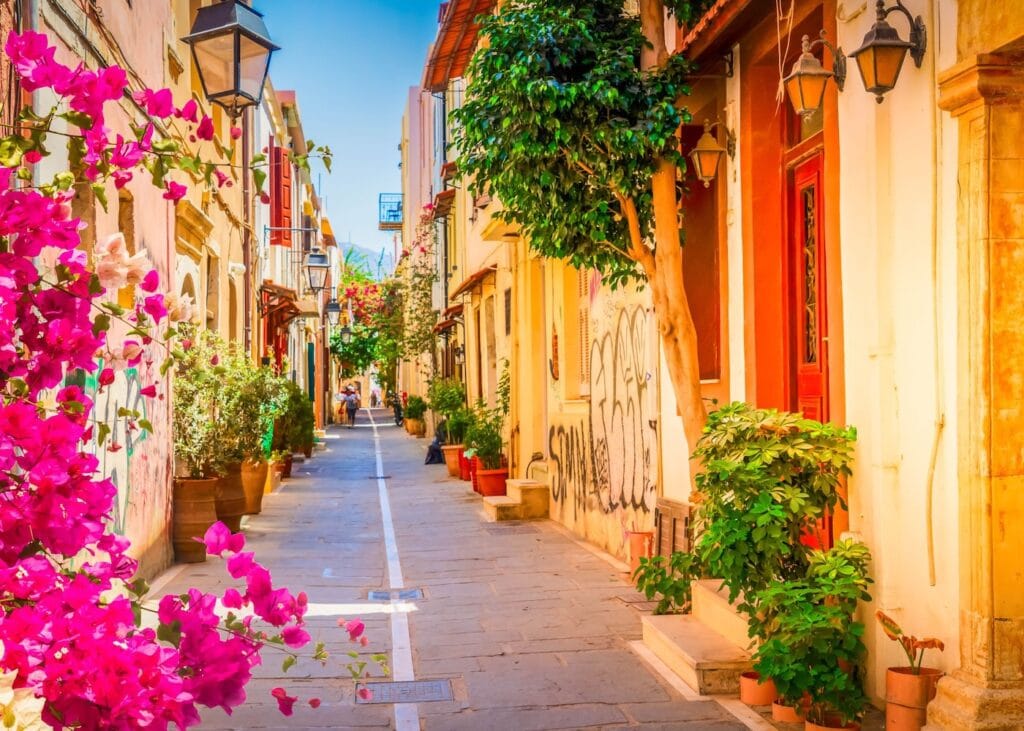
The old town below it is a beautiful tangle of Venetian and Ottoman architecture, narrow cobblestone streets, and the kind of independent restaurants and coffee shops that make you want to cancel your plans for the day. It’s smaller and more relaxed than Heraklion, a little more polished than the purely beach-focused towns further east, and it has a university that brings a younger, more local energy to the whole place. The long sandy beach that runs right alongside the old town is walkable from everywhere and swimmable for most of the year, which is a combination you genuinely don’t always find in a city this historically rich.
Elafonisi and Balos
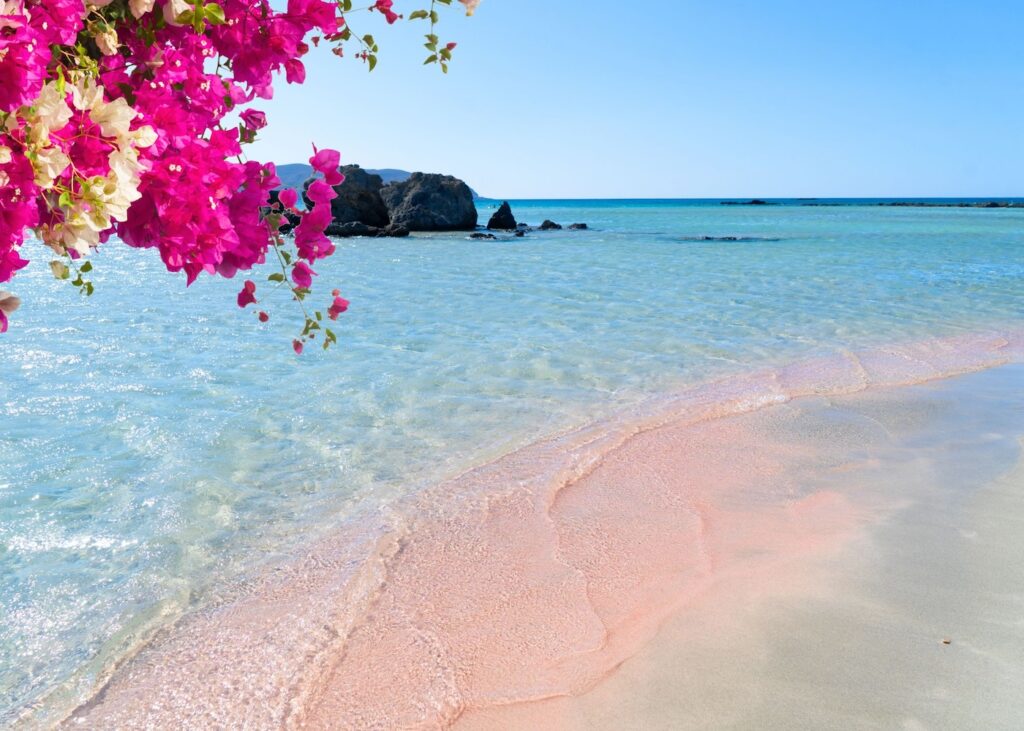
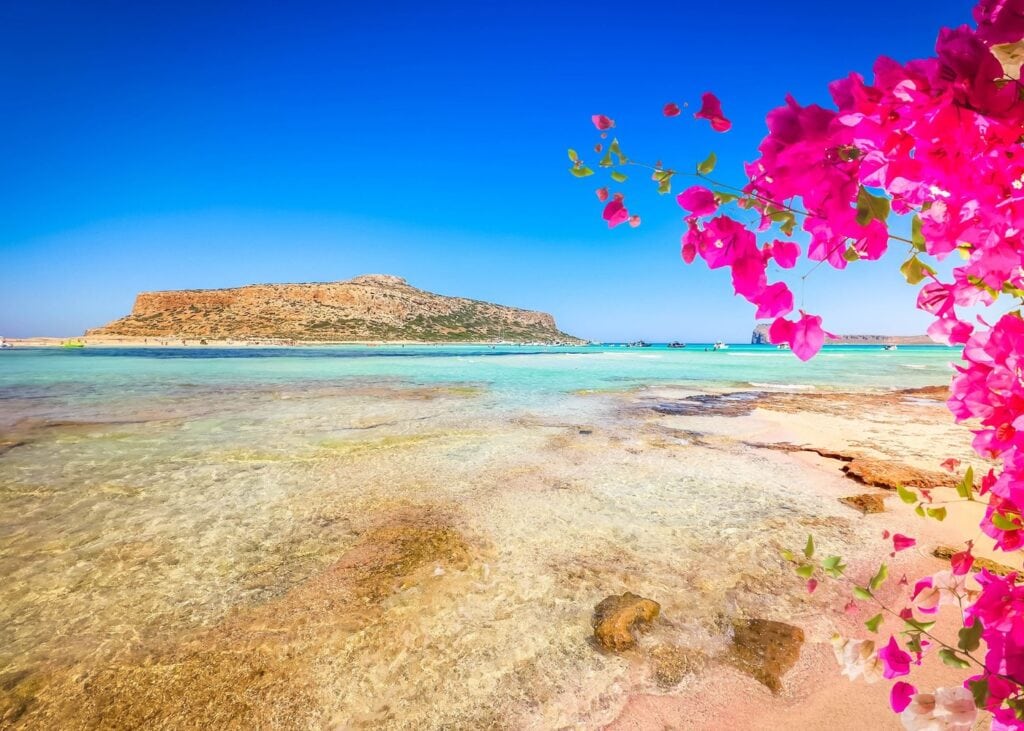
Crete has hundreds of beaches and some of them are legitimately among the best in Europe, but two in particular have earned a reputation that reaches well beyond Greece and both of them deliver. Elafonisi is on the far southwest coast and it has something you won’t find at most beaches anywhere: pale pink sand. The color comes from tiny crushed shells mixed into the white sand and it gives the whole beach this soft, almost dreamlike quality, especially in the late afternoon light. The water is shallow and turquoise and stretches out from shore in this wide, calm expanse that’s perfect for wading, swimming, or just standing there looking at it. It’s a protected nature reserve which means development is limited and the beach stays feeling like a natural wonder rather than a resort backdrop.
Balos Lagoon is at the very northwest tip of the island, which means getting there takes either a long bumpy drive down a dirt road or a boat from Kissamos, and honestly either way is worth it. The lagoon is one of those places that photographers struggle to do justice to. The water shifts between turquoise, white, and pale green depending on where you’re standing, all of it framed by dramatic rocky headlands that drop straight into the sea. People say it doesn’t look real when they see photos of it and then they get there and say the exact same thing in person. Go in May or early June if you can and you’ll have a version of it that feels almost private. August is busy but it’s still stunning.
Matala
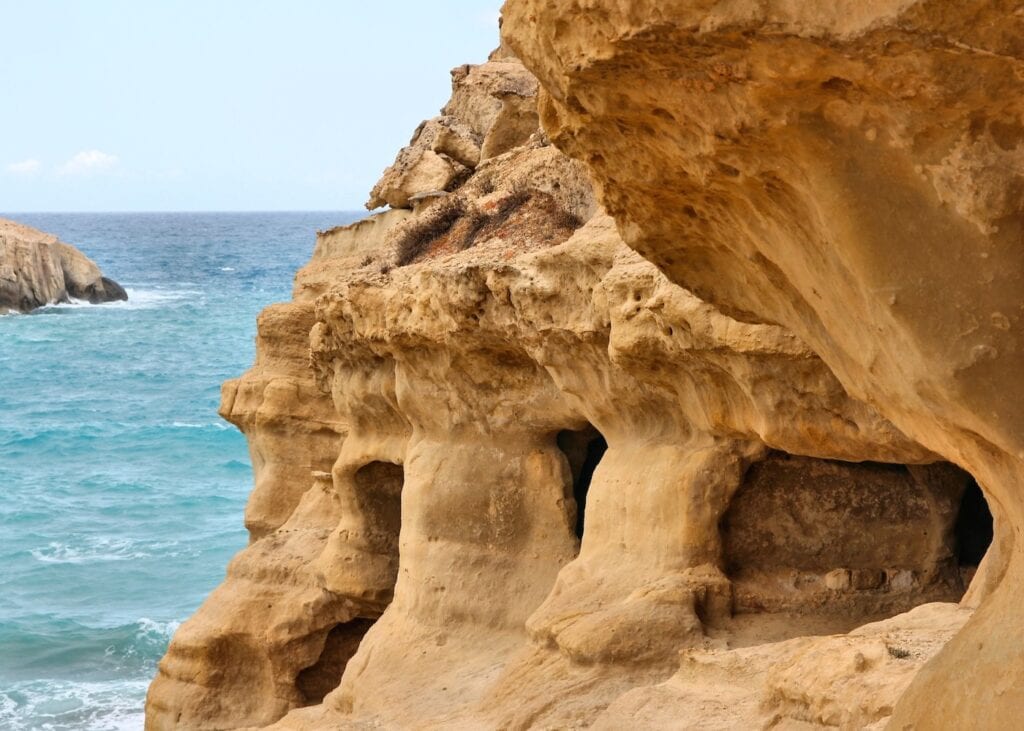
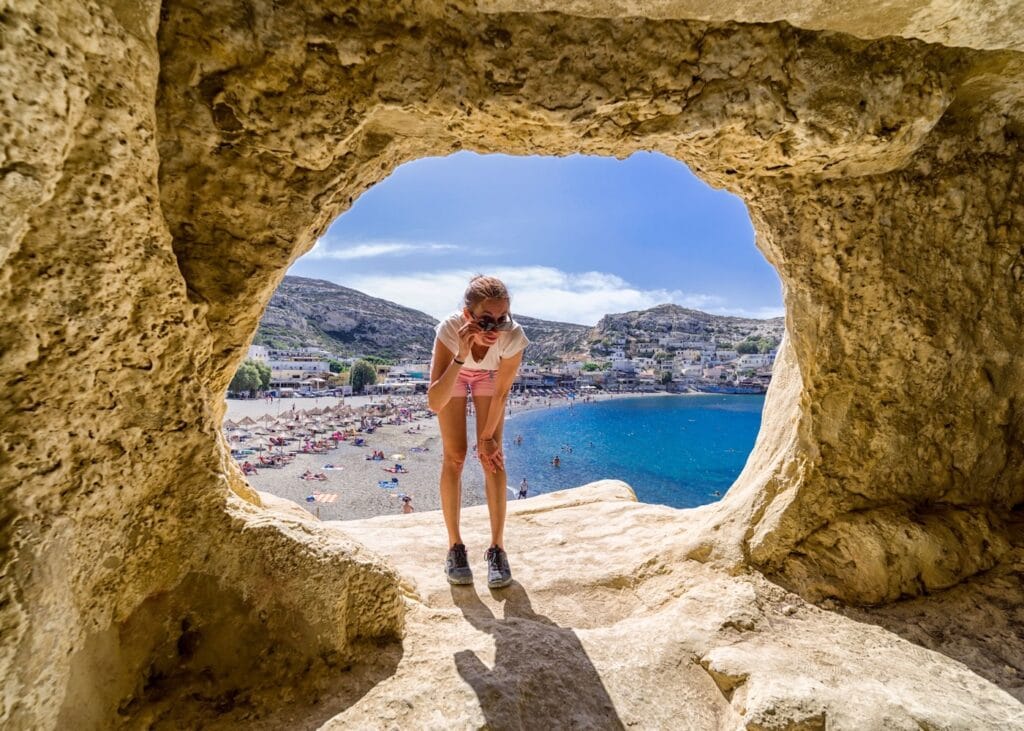
Matala is one of those places that has a story behind it, and the story makes it even better. The beach itself is beautiful, a wide crescent of golden sand on the southern coast with clear water and the kind of relaxed energy that the south side of Crete does really well. But what makes Matala genuinely unique are the caves carved into the sandstone cliffs above the beach. These are ancient Roman tombs that were repurposed over the centuries, and in the 1960s and 70s they became famous as a gathering spot for hippies from all over the world, including, reportedly, Joni Mitchell. The caves are fenced off now but you can still walk up and look through them, and the whole place has this laid back, slightly eccentric character that feels completely different from the more polished resort towns on the north coast. It’s worth the drive down for the afternoon.
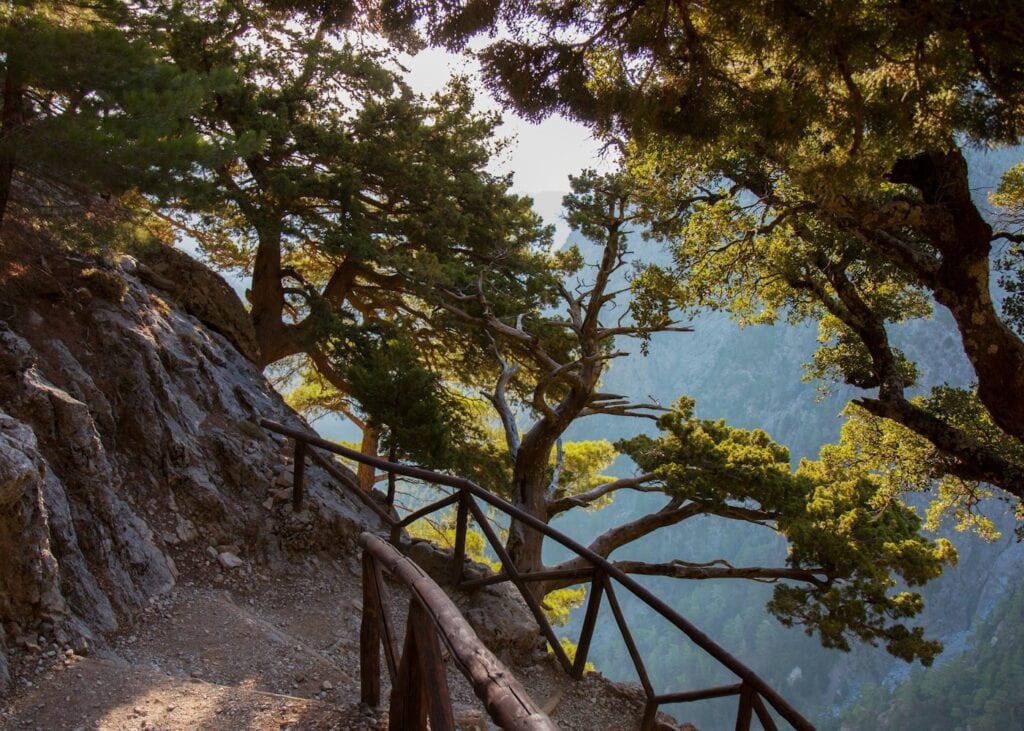
The Samaria Gorge
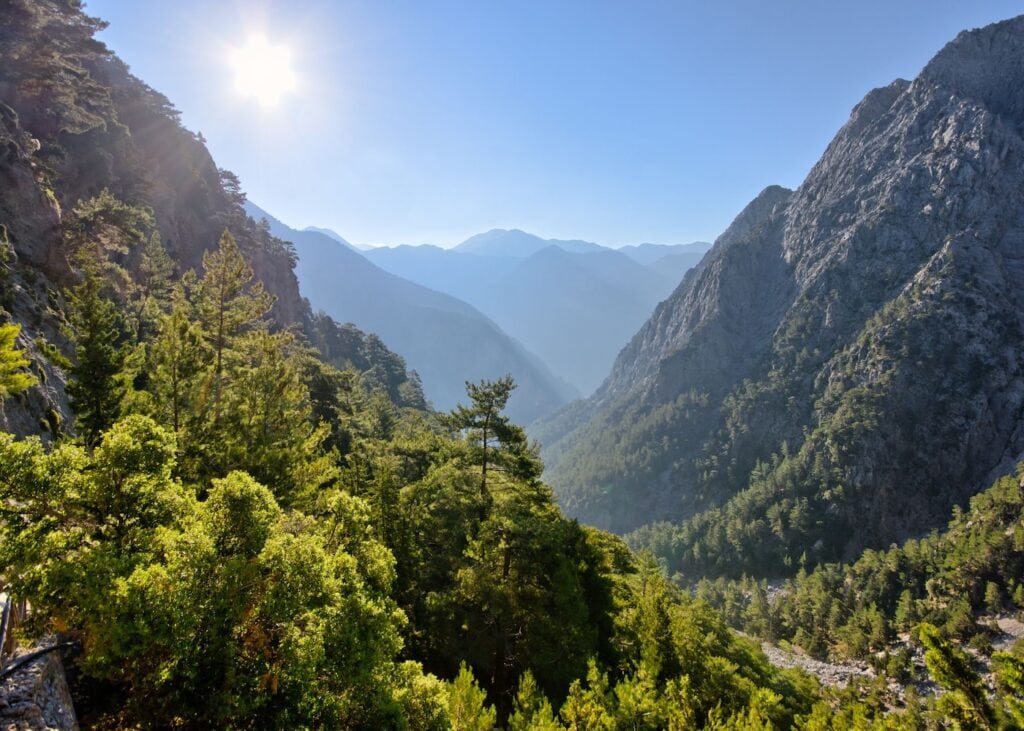
If there’s any hiker in you at all, the Samaria Gorge needs to be on your Crete list. It runs about 16 kilometers through the White Mountains in the southwest of the island and it’s one of the longest gorges in Europe, carved out over thousands of years into something that feels genuinely epic to walk through. The scenery changes completely as you go, starting in pine forest with the mountains rising around you, opening into wider rocky stretches, and then narrowing dramatically near the end at a section called the Iron Gates where the canyon walls close in to just three or four meters apart with cliffs towering hundreds of meters above you on both sides. It’s one of those moments where you stop talking because the landscape demands it. The gorge is open from May through October and you’ll want to start early, both for the cooler temperatures and to beat the groups that arrive later in the morning.
When to Go
May, June, and September are the sweet spots for Crete. The weather is genuinely warm, the sea is swimmable, the light is that golden Mediterranean light that makes everything look beautiful, and you’re not fighting peak summer crowds for a parking spot or a table at dinner. July and August are hot and very busy, though Crete handles the summer better than smaller islands simply because there’s so much more room to spread out across. October is a lovely option too if you want a quieter, more local version of the island with the occasional afternoon shower thrown in. The shoulder seasons here aren’t a compromise. They’re genuinely the better experience.
Getting Around
Rent a car. Crete is big, the best things are spread out across the island, and relying on public buses is going to cost you both time and options. The north coast highway connecting Heraklion, Rethymno, and Chania is easy, well-maintained driving. The roads heading into the south and west get narrower and more adventurous, which is honestly part of what makes exploring the island so satisfying. You feel like you’re actually finding things rather than being delivered to them. Both Heraklion and Chania have international airports with direct connections from many European cities, and you can also arrive by ferry from Athens or from other Greek islands if you want to work Crete into a longer island itinerary.
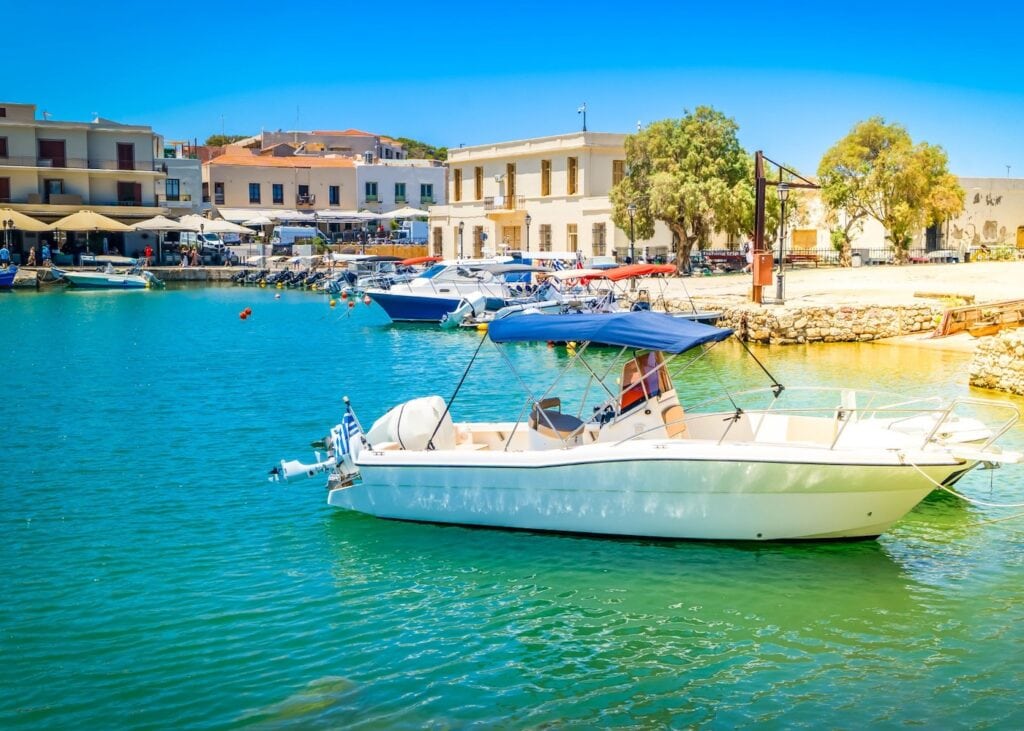
Crete is the kind of place that changes how you think about Greece. Most people who go expecting a beach vacation come back talking about the food, the history, the villages they stumbled into, the hike they weren’t sure they could finish. It’s an island that gives you more than you came for, and that’s a rare thing. If you’ve been putting it off in favor of the more obvious choices, this is your sign to move it to the top of the list.
Planning a trip to Crete and not sure where to start? That’s exactly what I’m here for. Let’s build something custom and experience-backed together. Reach out here.