

Eco-travel is one of those terms that gets thrown around a lot, and like most things that become trendy, the meaning can get a little blurry. So let’s start with what it actually is, because it is simpler than it sounds and more impactful than most people realize.
At its core, eco-travel is travel that is mindful of the places you visit. It considers the environment, the local community, and the economy of a destination. It is about making choices that leave a place intact, and ideally a little better, for the people who live there and the travelers who come after you. Sustainable travel takes that a step further, actively seeking a positive impact rather than simply minimizing a negative one.
This does not mean roughing it or giving up comfort. Some of the most beautiful and well-run properties in the world are also among the most environmentally responsible. Thoughtful travel and enjoyable travel are not opposites.
Eco-travel shows up differently depending on where you are and what you are doing. A few destinations that do it particularly well:
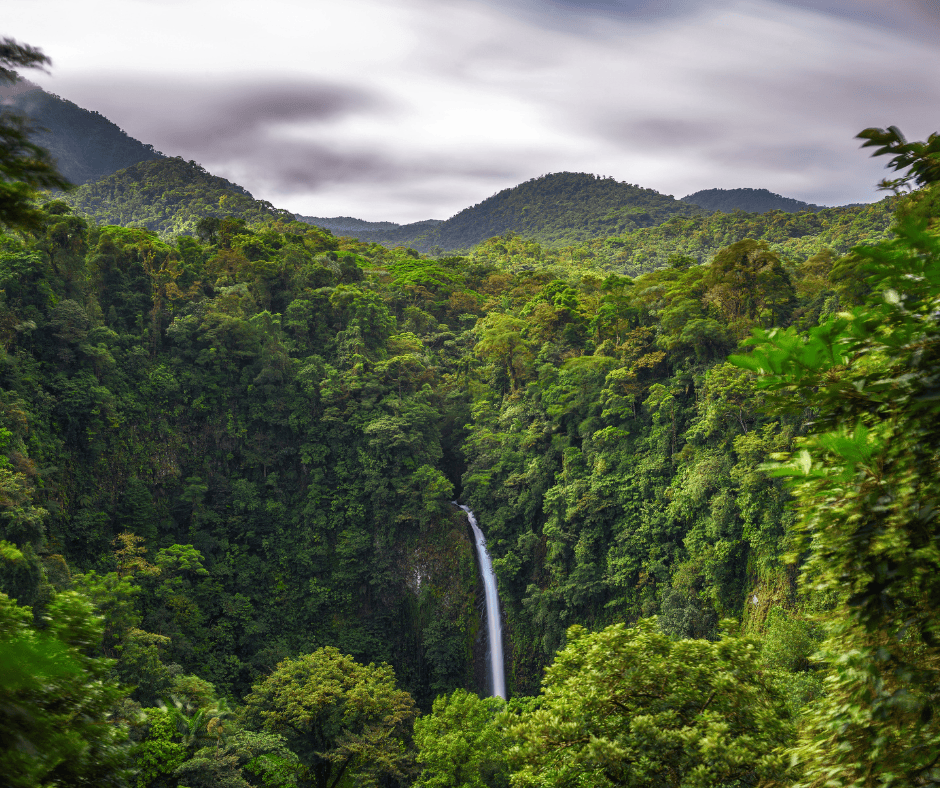
Costa Rica has been a leader in sustainable tourism for decades, and it shows. Much of the country’s rainforest is protected, wildlife corridors are maintained, and the lodge culture has developed around low-impact design, solar energy, and farm-to-table dining. Staying in a well-run eco-lodge in the jungle here is one of those experiences that genuinely changes how you think about travel.
The Galápagos Islands operate under strict visitor guidelines designed to protect one of the most ecologically unique places on earth. Tour group sizes are limited, wildlife interaction rules are enforced, and the entire experience is structured around preservation. Choosing responsible operators here is not optional, it is essential, and the payoff is access to wildlife encounters that are unlike anything else in the world.
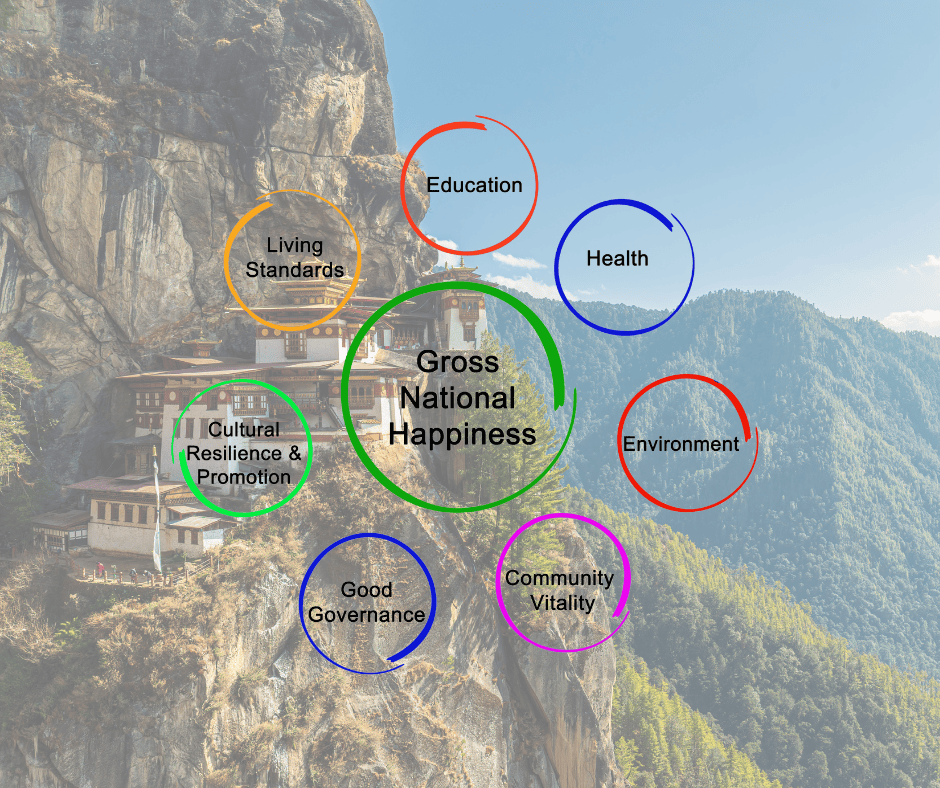
Bhutan approaches tourism differently than almost any other country. Rather than maximizing visitor numbers, it charges a daily sustainable development fee that funds education, healthcare, and conservation. The philosophy is rooted in Gross National Happiness rather than GDP, and it shapes everything about how the country welcomes visitors. It is not the cheapest destination, but it is one of the most intentional.
New Zealand has woven sustainable tourism into its national identity. The Great Walks are managed to protect the landscape while giving hikers access to extraordinary scenery. Conservation volunteering opportunities exist throughout the country, and the culture of environmental stewardship runs deep.
You do not have to overhaul everything to make more sustainable choices. A few things that actually matter:
Where you stay makes a significant difference. Look for properties with green certifications or a clear, transparent commitment to sustainability. These are often smaller, more personal properties that also tend to offer a better experience overall.
Spending locally is one of the most direct ways to support a destination. Choosing local guides, eating at family-run restaurants, and buying from artisan markets keeps money in the community rather than flowing to outside corporations.
Carbon offsets for flights are imperfect but worth considering, particularly for long-haul travel. Many airlines offer the option at booking, and several independent organizations allow you to offset travel emissions directly.
Reef-safe sunscreen matters more than most people realize, particularly in destinations with coral reefs. Conventional sunscreen chemicals have been shown to damage coral, and many popular beach destinations have already banned certain formulas. Check before you go.
The leave no trace principle is the simplest and most universal guideline. Take nothing, leave nothing, and treat the places you visit with the same care you would want someone to show your own home.

The places we love to travel are not limitless. Coral reefs, rainforests, wildlife populations, and ancient sites are all affected by how we show up as visitors. Eco-travel is not about guilt. It is about awareness and intention, making choices that reflect a genuine appreciation for the world you are lucky enough to explore.
The good news is that traveling responsibly and traveling well are increasingly the same thing. The most rewarding experiences I have seen clients have are almost always the ones that were planned with care, rooted in a real place, and built around local knowledge rather than mass tourism infrastructure.
Curious where to start? I put together a free list of 10 eco-friendly destinations around the world, each paired with a standout lodge chosen for genuine sustainability practices, real community impact, and experiences worth the trip.
If you are interested in planning a trip that is both meaningful and low impact,I would love to help you find the right approach!