
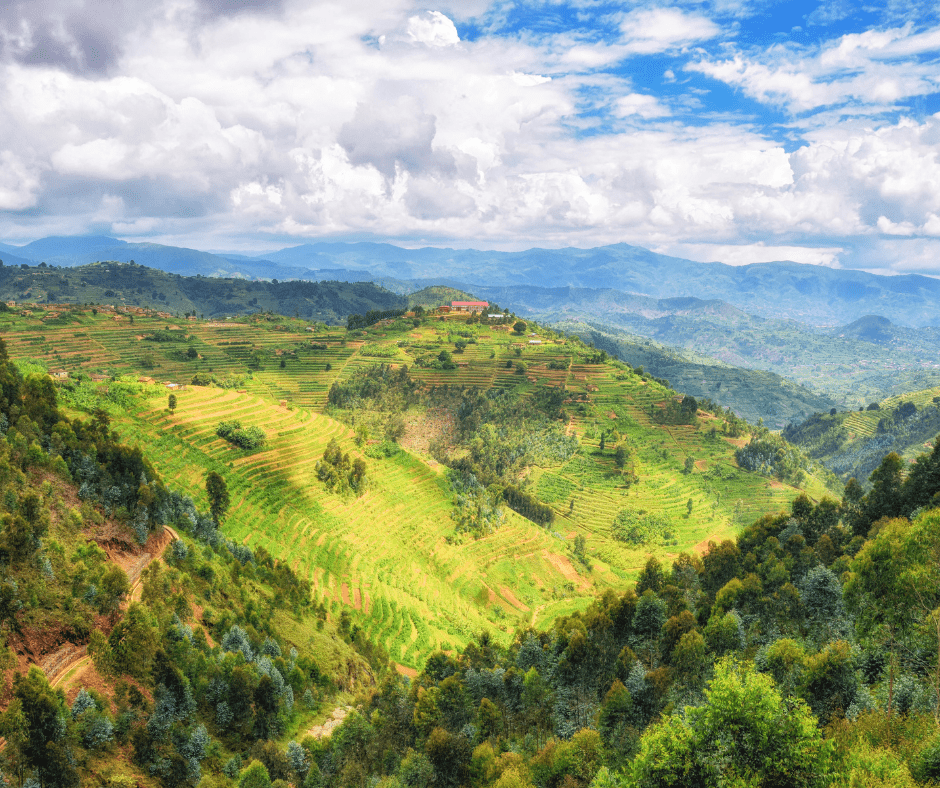
Rwanda is often called the Land of a Thousand Hills, and that part makes sense as soon as you arrive. Everything is green and layered, with hills stacked in every direction. It’s beautiful, but that’s not what sticks with you.
What you notice right away is how put-together the country feels. The airport is calm. The drive into Kigali is orderly. Streets are clean, traffic moves the way it’s supposed to, and people are friendly in a very normal, everyday way. Easy greetings. Real eye contact. No performance.
It doesn’t take long to realize this didn’t just happen. To understand Rwanda today, you have to understand what the country went through and the very deliberate choices it made afterward.
In 1994, Rwanda experienced a genocide that killed nearly a million people in roughly 100 days. It’s a chapter the country does not avoid or soften.
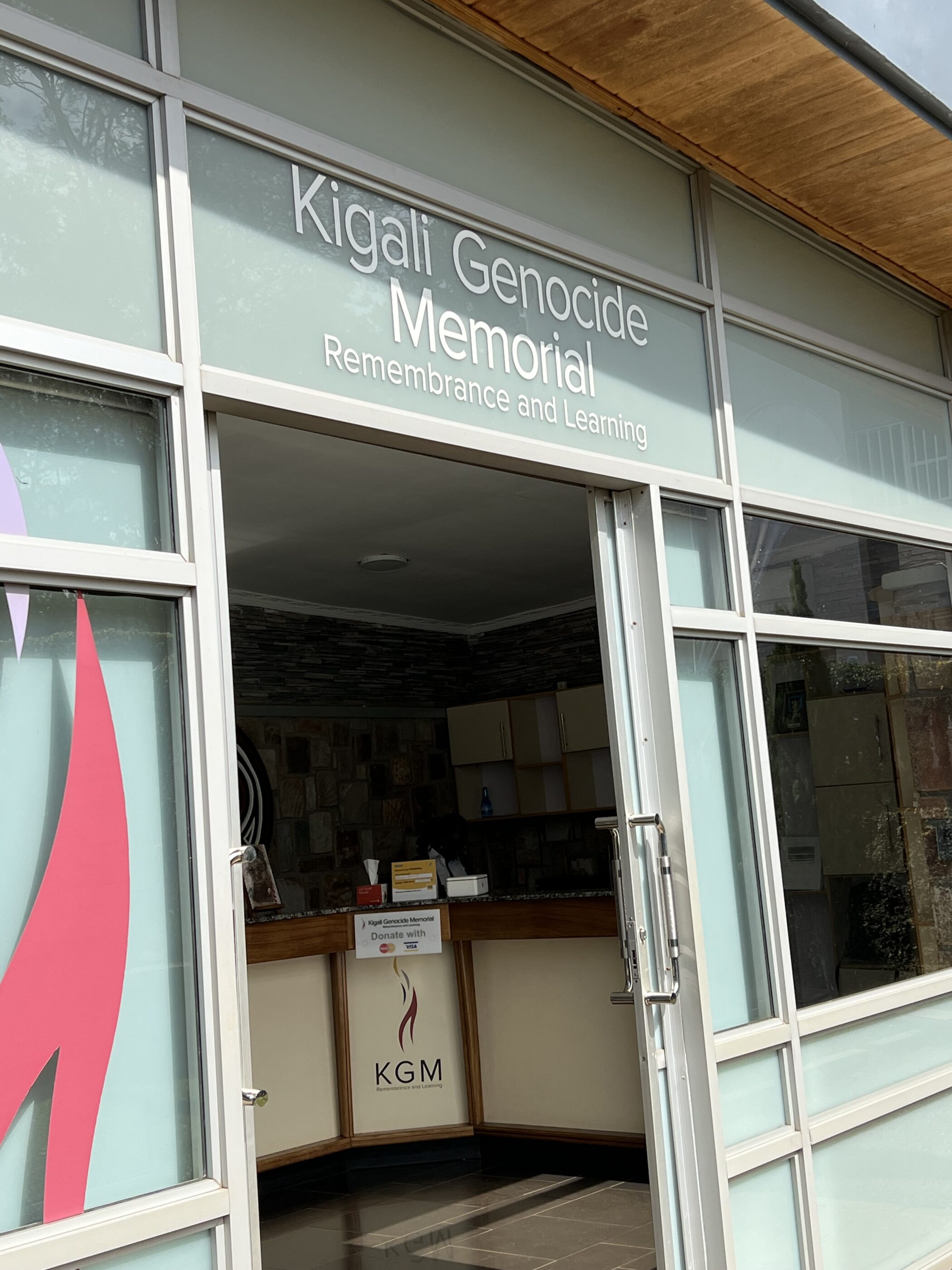
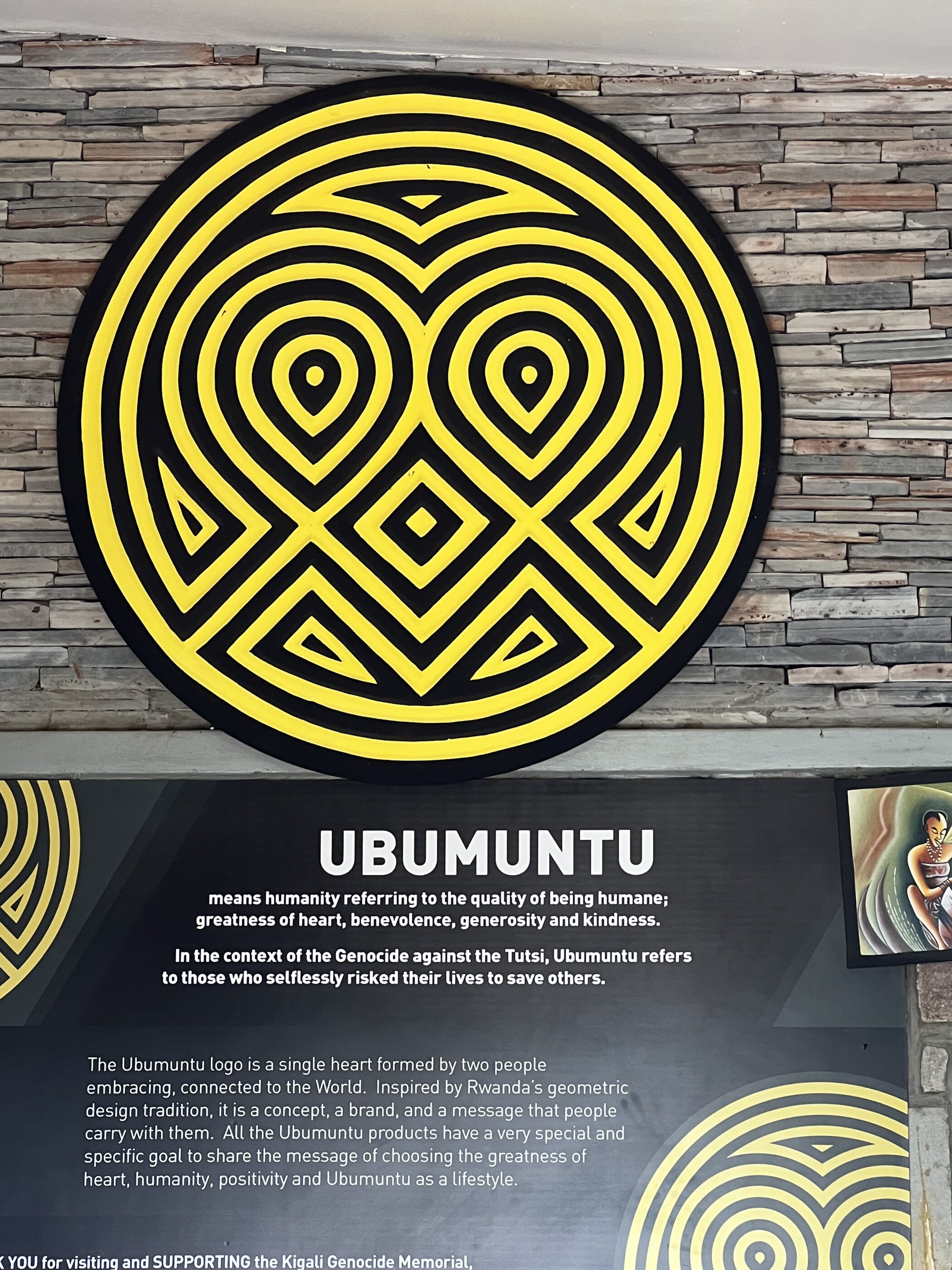
In Kigali, the Kigali Genocide Memorial is an essential visit. It’s clear, emotional, and thoughtfully done; not graphic, not overwhelming, but impossible to ignore. People move through it quietly and with respect.
What matters just as much is what followed. Rwanda rebuilt with a strong focus on unity, shared responsibility, and accountability. Those values aren’t theoretical; they show up in daily life, in how communities function, and in how the country presents itself to visitors.
Understanding that context changes how you experience Rwanda.
One of the clearest examples of Rwanda’s approach is Umuganda.
After the genocide, Rwanda introduced a nationwide monthly community service day as a way to help people reconnect and rebuild trust. On the last Saturday of every month, businesses close for the morning and people come together to clean streets, repair public spaces, and work side by side in their neighborhoods.
This wasn’t created just to keep the country clean — it was designed to bring people back together. Even Rwanda’s president participates.
Over time, Umuganda became one of the reasons Rwanda is widely recognized as the cleanest country in Africa. Plastic bags are banned. Public spaces are well maintained. But the bigger impact is cultural: a shared sense of responsibility that you feel everywhere as a visitor.
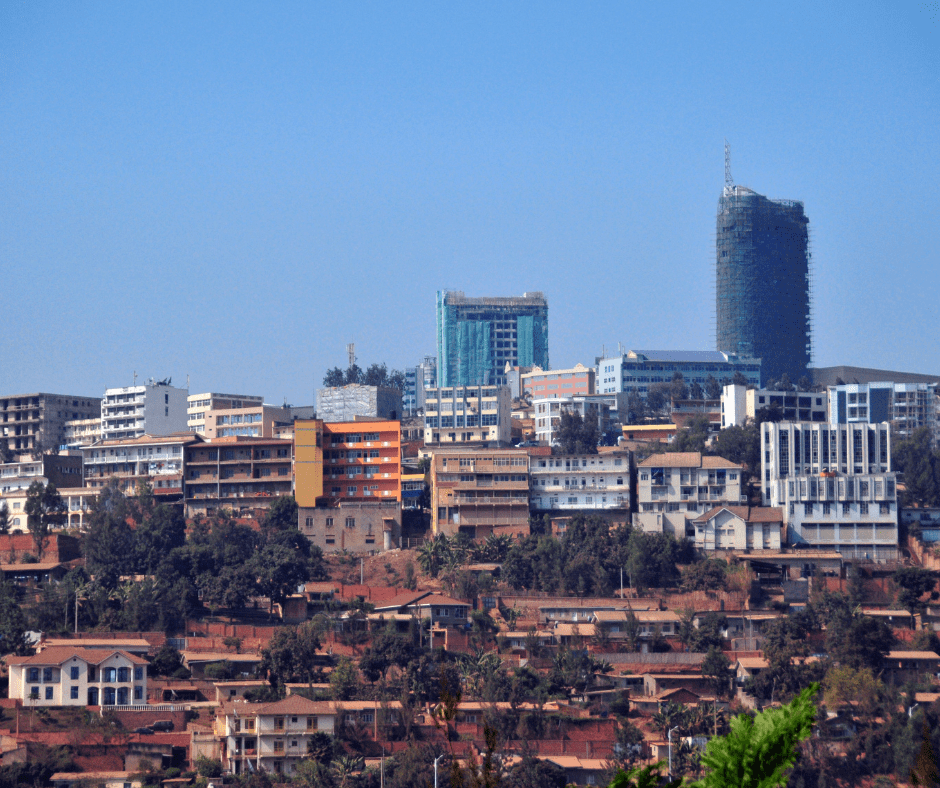
Most trips to Rwanda start in Kigali, and it doesn’t feel like a place you’re just passing through. It’s easy to settle in here. You can sit down for coffee, walk around, and get your bearings without feeling tense or out of place.
People talk to you easily, not because they want something, but because they’re curious. Someone asks where you’re from. Someone helps you figure something out without being asked. There’s a sense that visitors are genuinely welcome, not just tolerated.
That first impression matters. Kigali sets the tone for the rest of the country.
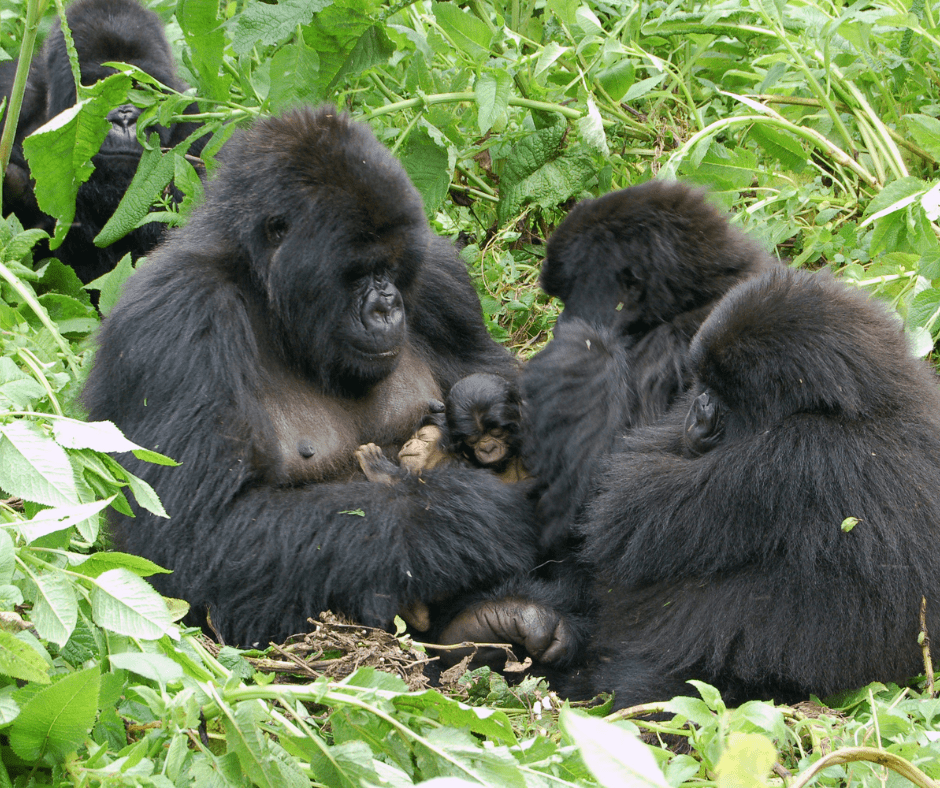
Gorilla trekking is a big reason people come to Rwanda, but what really makes it work is how it’s run.
In Volcanoes National Park, permits are limited on purpose and priced high on purpose. That keeps groups small and helps protect the gorillas and the forest they live in. The rules are straightforward, and people actually follow them.
The permit fees don’t just go back into the park. They support conservation work and help fund schools, healthcare, and
Once people start looking past the gorillas, that’s when Rwanda really opens up.
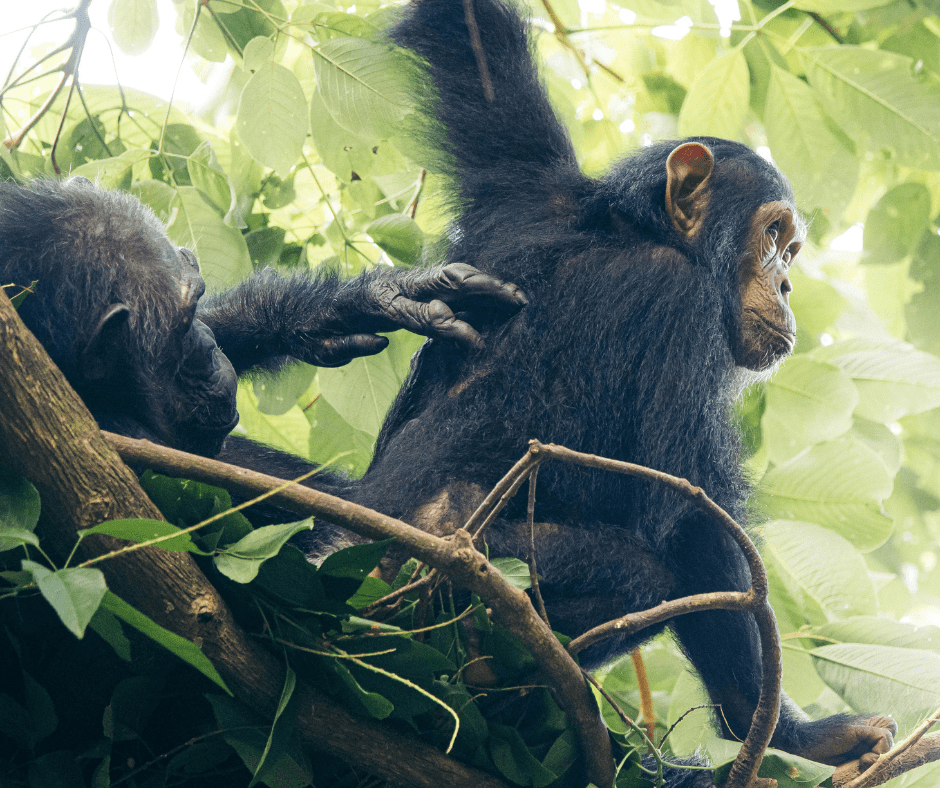
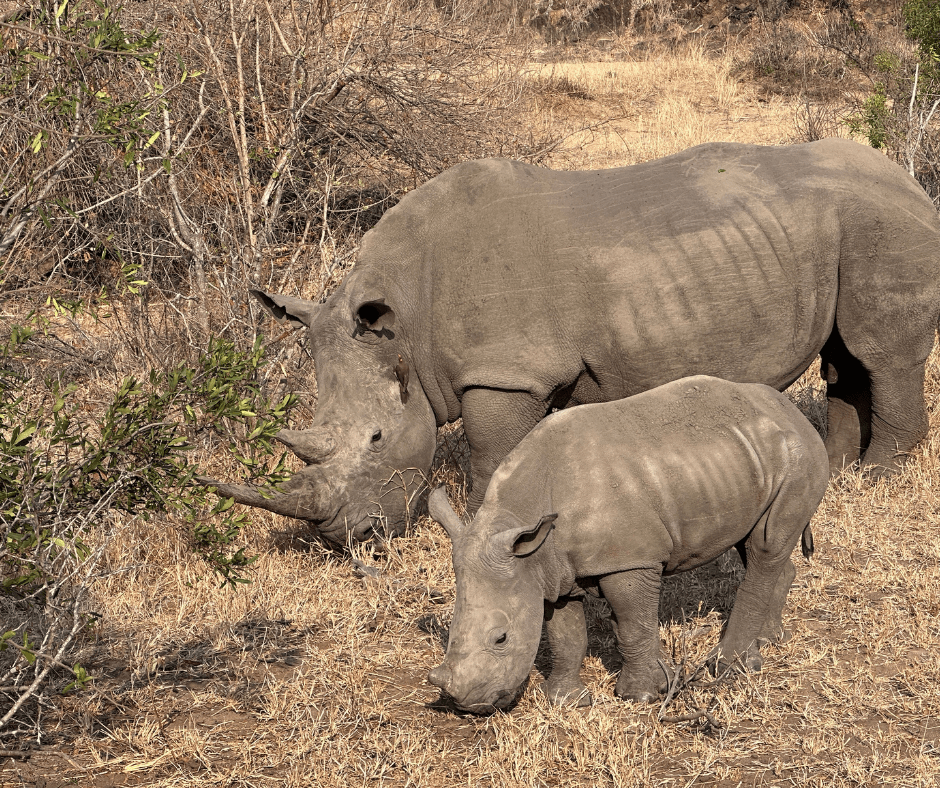
Head south and you’re in Nyungwe Forest National Park, where everything feels dense and green… chimpanzees calling through the trees, mist hanging in the forest, and trails that feel a world away from the savannah image most people have of Africa. Go the other direction and you end up in Akagera National Park, with open landscapes and classic safari wildlife like elephants, giraffes, and lions, in a park that’s been carefully brought back over time. If you are planning a broader African safari alongside your Rwanda trip, my safari planning guide covers everything you need to know.
What makes this work is how close it all is. You’re not jumping between countries or spending days getting from one place to another. Rwanda lets you see very different sides of the country in one trip, without it feeling forced or exhausting.
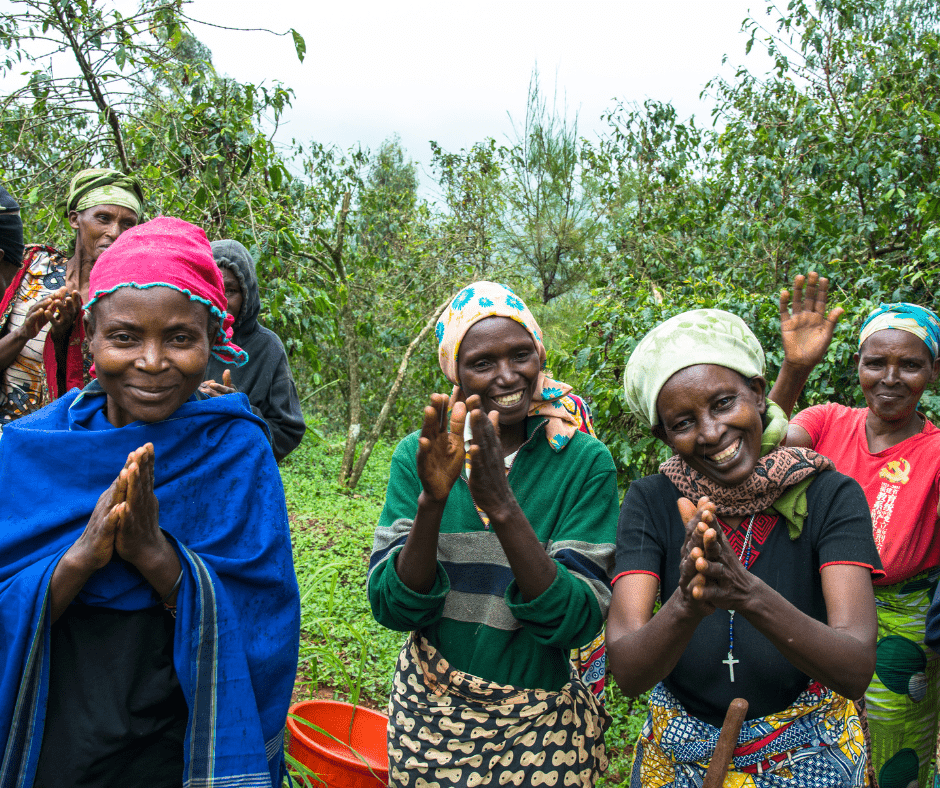
Rwanda isn’t defined by one experience. What stays with people is how the country functions as a whole, the way history is acknowledged, communities show up for each other, wildlife is protected, and visitors are welcomed with genuine warmth.
It’s a country that learned hard lessons and chose a clear path forward. Visiting it gives you a chance to see what that looks like in practice.
If Rwanda is on your radar, it’s worth taking the time to plan it properly. Details like permits, timing, guides, and how different regions fit together can make a big difference in how the trip feels.
If you’d like help putting together a Rwanda trip that makes sense for how you actually travel, I’m happy to help.
And if you enjoy destination insight like this: practical, realistic, and experience-driven, you can subscribe to get new posts as they’re published.