
Some of my favorite travel memories have nothing to do with a hotel room or a restaurant. They’re the moments I stood quietly while an elephant walked past close enough to feel the ground shift, or watched a polar bear lumber across the tundra like it owned the world. Because it does.
Wildlife encounters have a way of putting everything in perspective. And when those encounters are rooted in conservation and ethical tourism, they become something more than memorable. They become meaningful.
Here are 12 destinations around the world where you can get close to incredible animals in ways that actively support their protection. These aren’t zoos or staged photo ops. These are the real thing.
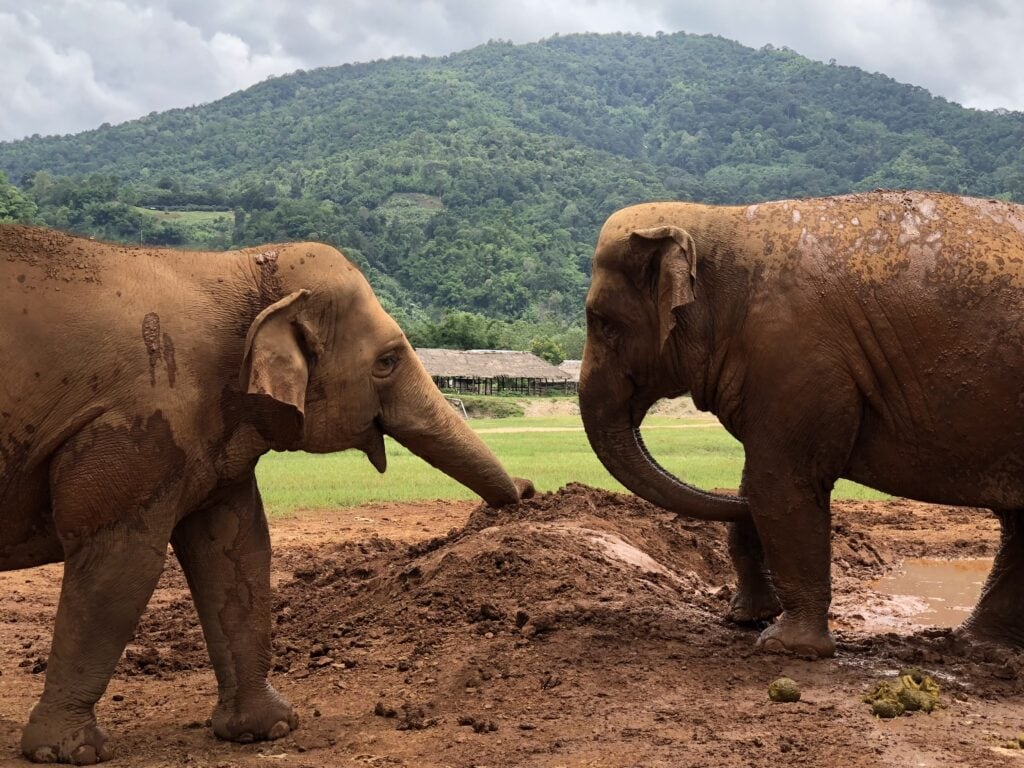
This sanctuary in the hills of northern Thailand is unlike anywhere else. Founded by animal advocate Lek Chailert, Elephant Nature Park is a refuge for elephants rescued from logging operations, abusive tourism, and captivity. This is an ethical sanctuary in the truest sense: no riding, no tricks, no forced bathing in the river, no physical contact used as entertainment. The elephants set the terms here. There is one special moment early in the morning where visitors can offer the elephants fruit, and then the rest of the day is spent simply walking alongside them and observing them move through the jungle on their own timeline. You leave knowing your visit directly funds their care and the rescue of more elephants just like them. If you’re planning a trip to Thailand, build your itinerary around this one.
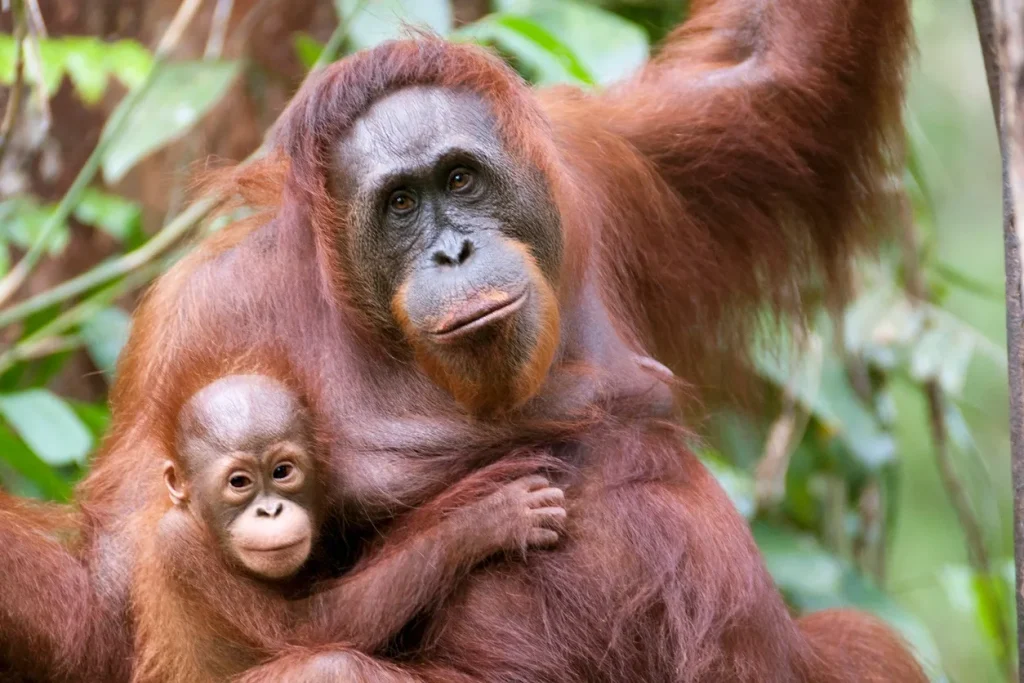
Borneo is one of the most biodiverse places on the planet, and BOSF is doing some of the most important conservation work happening anywhere right now. The foundation rehabilitates orphaned and displaced orangutans with the goal of releasing them back into the wild. Visitors can observe feeding sessions, and volunteers can assist with habitat restoration, including planting trees in areas that have been deforested. Seeing an orangutan in its natural environment is humbling in the best way possible.
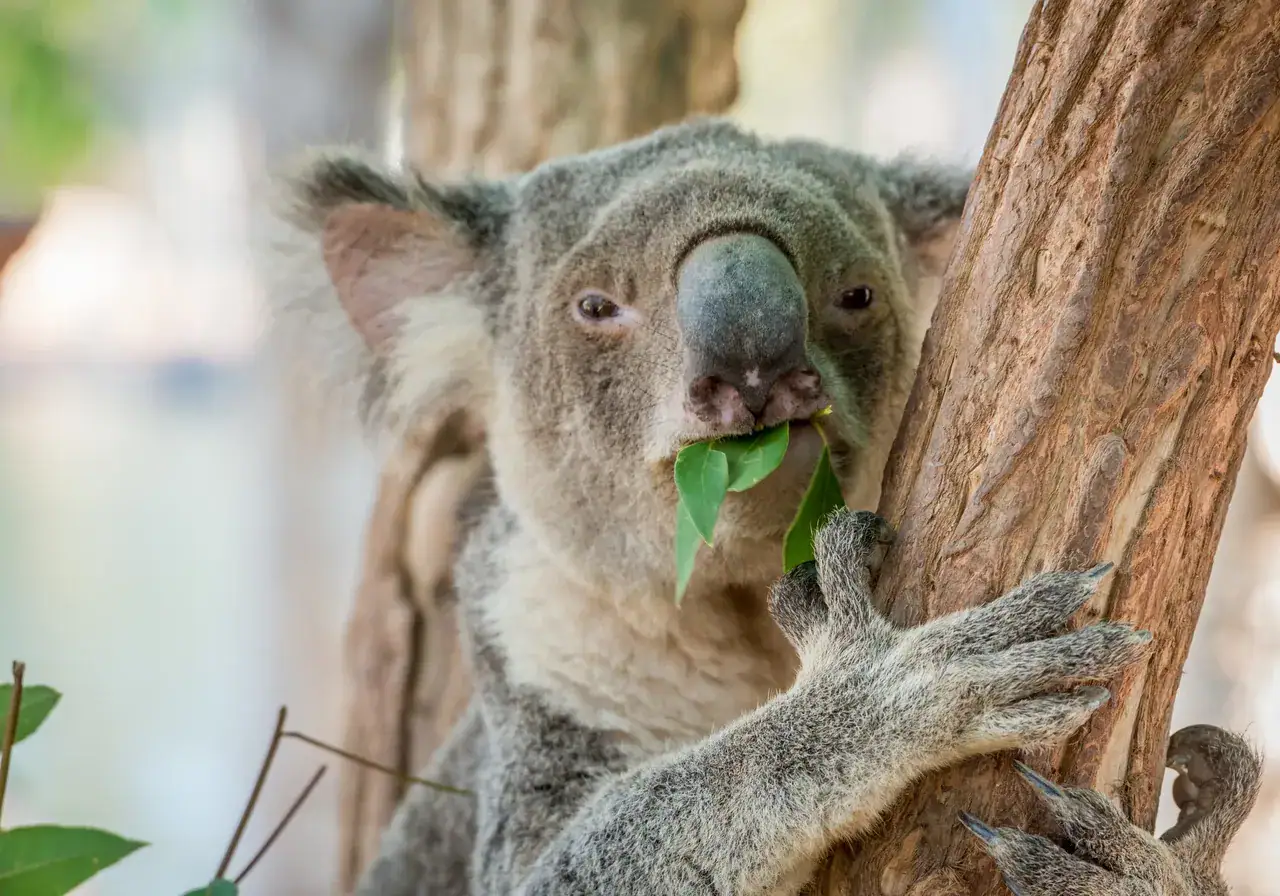
Hand-feeding a wallaby. Cuddling a koala. Helping care for animals recovering from injury before they’re released back into the wild. Kangaroo Island offers all of it, wrapped up in some of the most stunning coastal scenery in Australia. The wildlife park focuses on rehabilitation and education, and a visit here pairs beautifully with exploring the island’s beaches, vineyards, and landscapes. It’s the kind of place that reminds you why responsible travel matters.
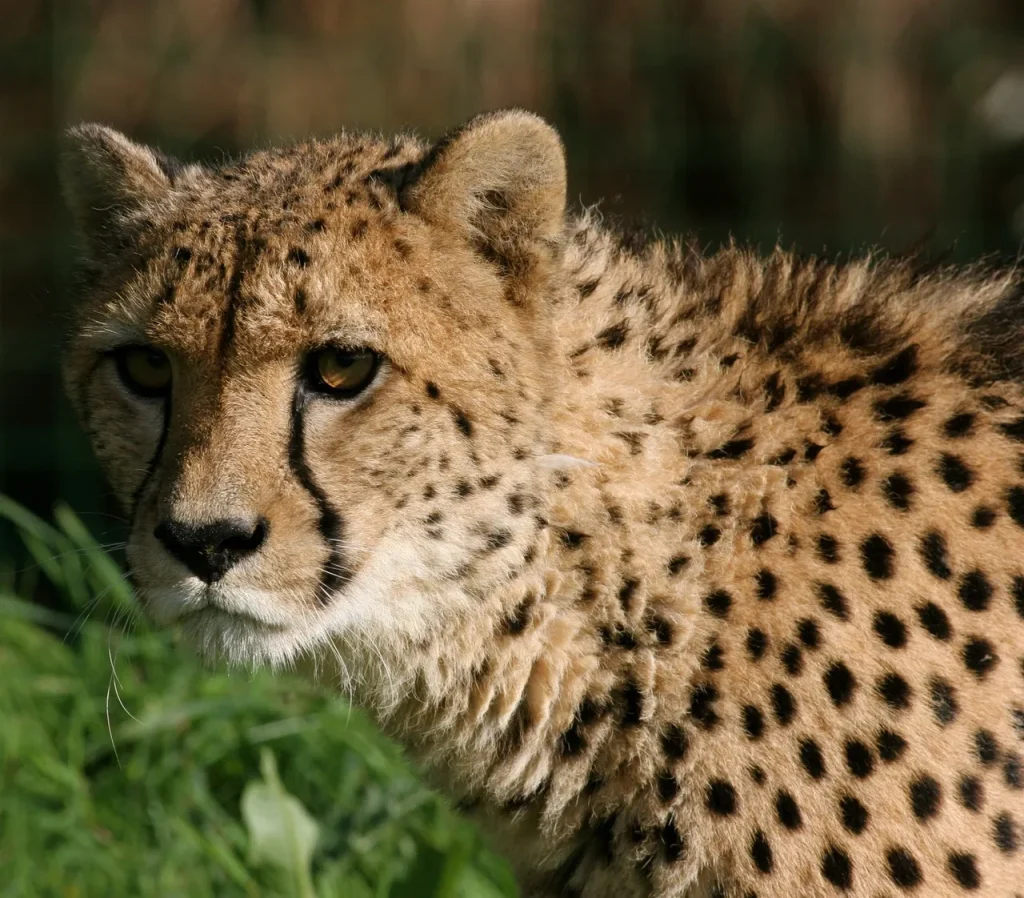
Panthera works to protect all 40 wild cat species on earth, from snow leopards in Central Asia to jaguars in the Amazon. What makes them unique is their reach. Whether you’re traveling in Africa, Asia, or the Americas, there’s likely a Panthera project operating nearby. Travelers can participate in field research, support anti-poaching initiatives, and learn firsthand about the science behind wild cat conservation. This one is for the travelers who want their trip to do more than just look good on Instagram.
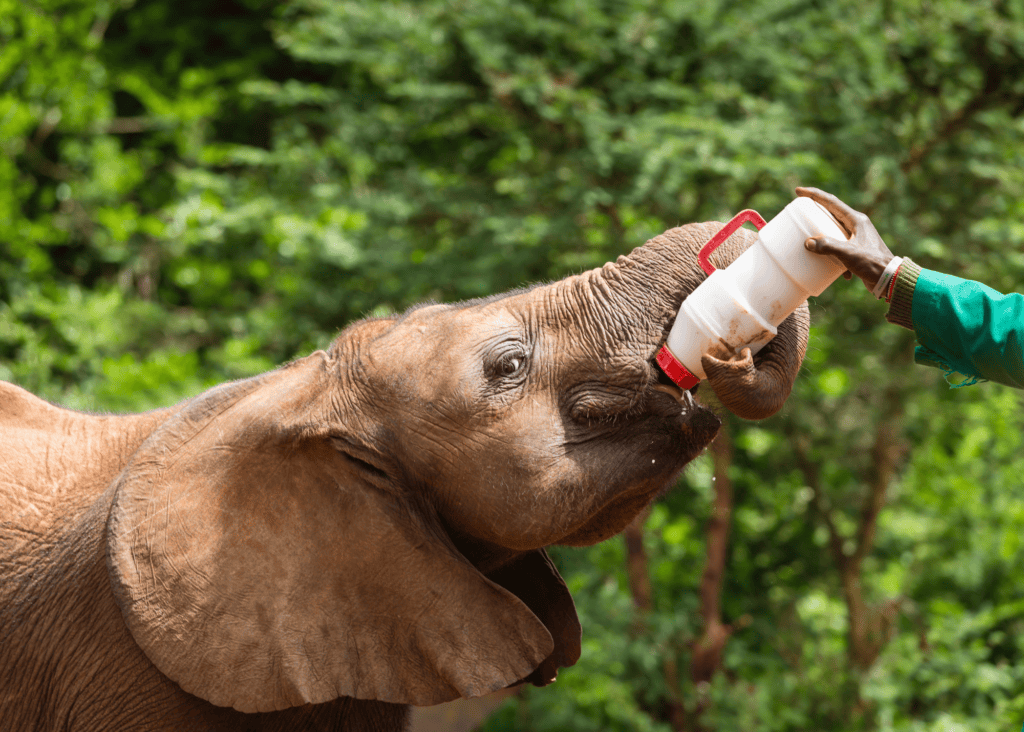
Few things in travel will stop you in your tracks the way watching a baby elephant being bottle-fed will. The Sheldrick Wildlife Trust rescues and rehabilitates orphaned elephants and rhinos in Kenya, with the long-term goal of reintegrating them into the wild. You can visit the nursery in Nairobi, foster an elephant and receive updates on their progress, and join educational tours that show you exactly how this work gets done. It’s a powerful addition to any Kenya itinerary.
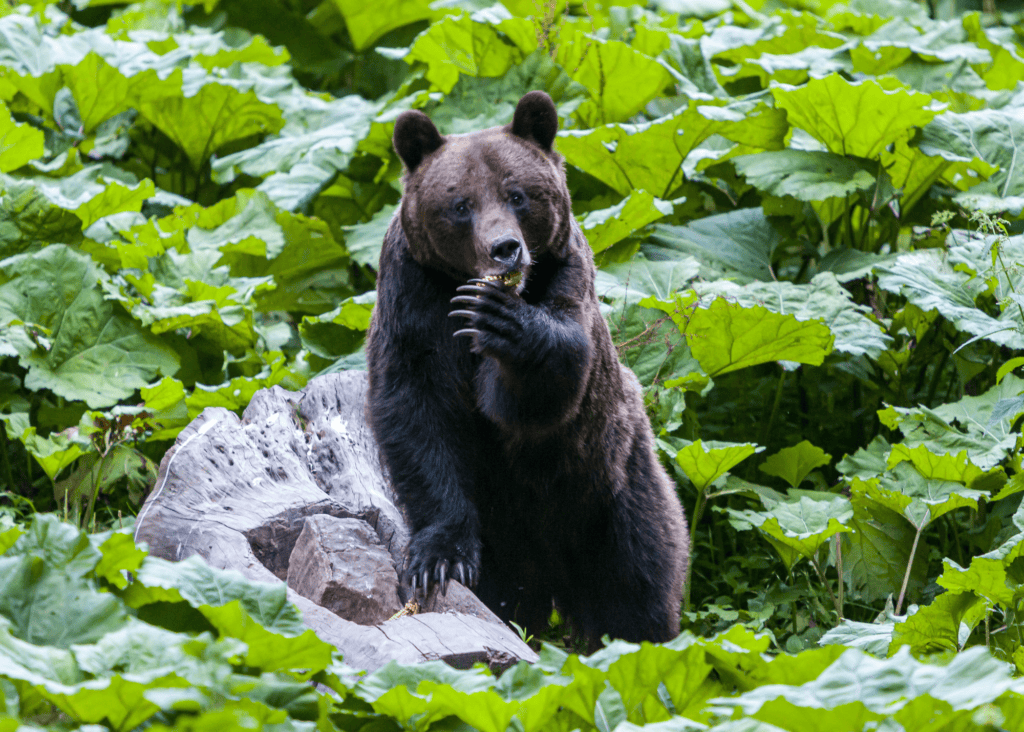
Romania is not the first place most people think of for a wildlife experience, but it should be on your radar. Libearty Bear Sanctuary sits in the Carpathian Mountains and rescues bears that have been kept in captivity, many from circuses or roadside attractions. Guided tours take you through the sanctuary where bears roam freely in a natural forest setting. It’s a moving experience, and the surrounding landscapes of Romania make the journey even more worthwhile.
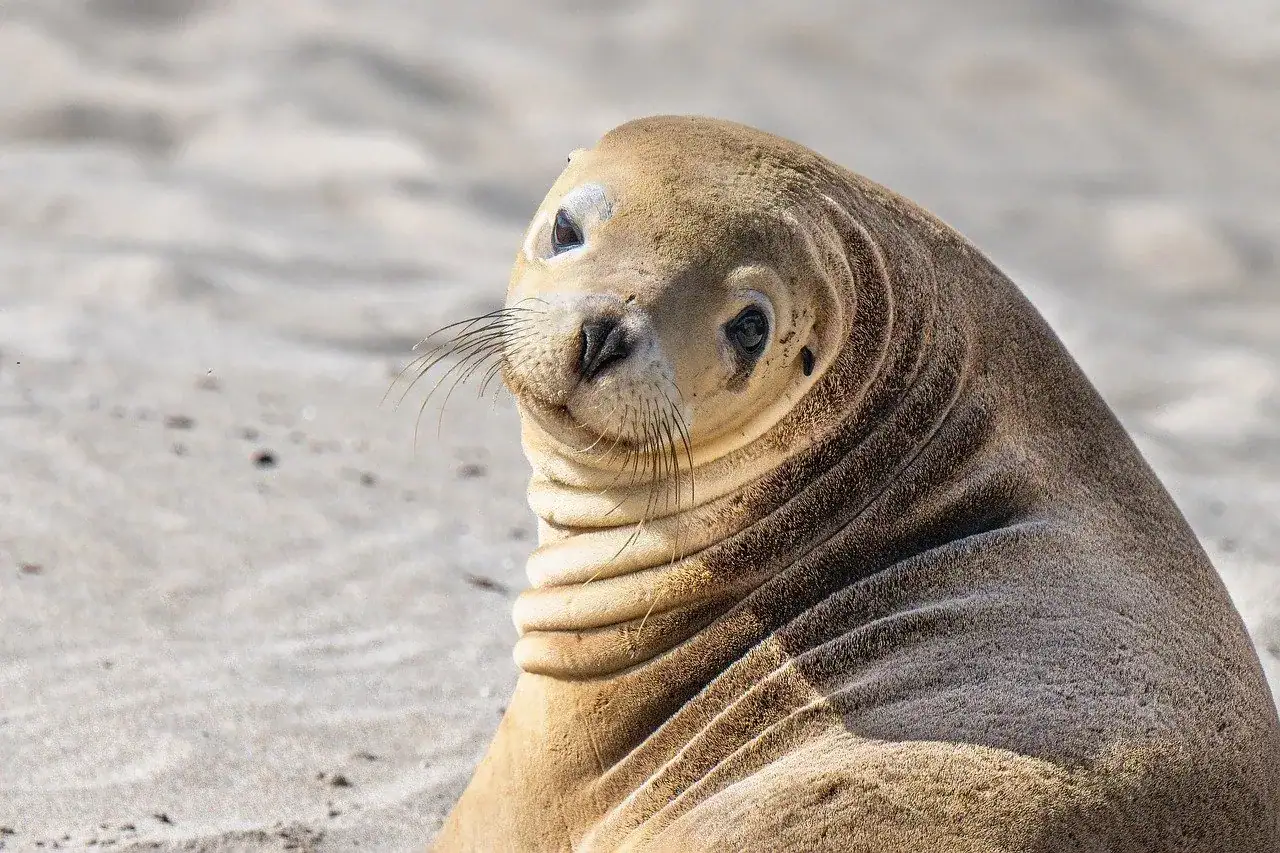
Right across the Golden Gate Bridge in the Marin Headlands, this center quietly does remarkable work rescuing and rehabilitating seals, sea lions, and other marine mammals along the Pacific coast. Guided tours walk you through the rescue process and current patients in care. Volunteer opportunities span animal care, education, and administration. If you’re visiting San Francisco, this is a half-day trip that gives back in a real way.
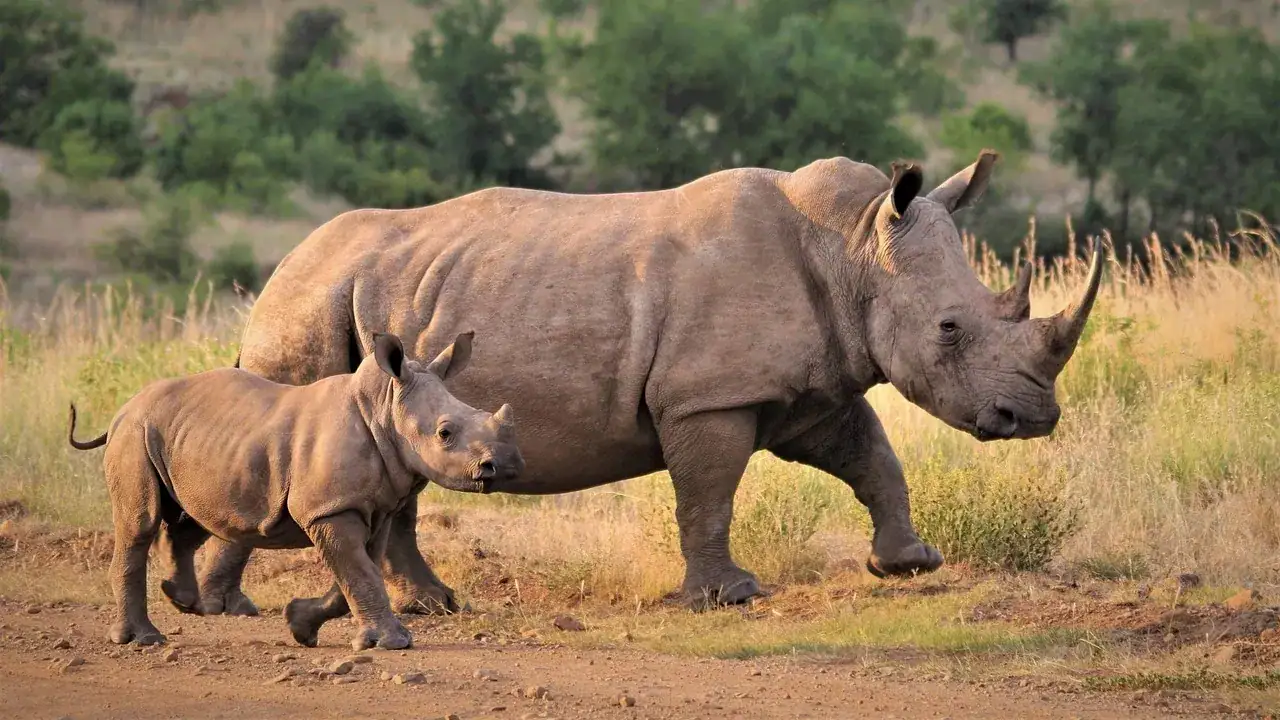
Shamwari offers something a standard safari doesn’t: the chance to get involved. Beyond guided game drives through one of South Africa’s most celebrated private reserves, visitors can participate in wildlife monitoring, assist with data collection, and join anti-poaching patrols alongside the conservation team. The reserve is home to the Big Five, and the work being done here to protect them is serious and ongoing. This is safari with purpose.
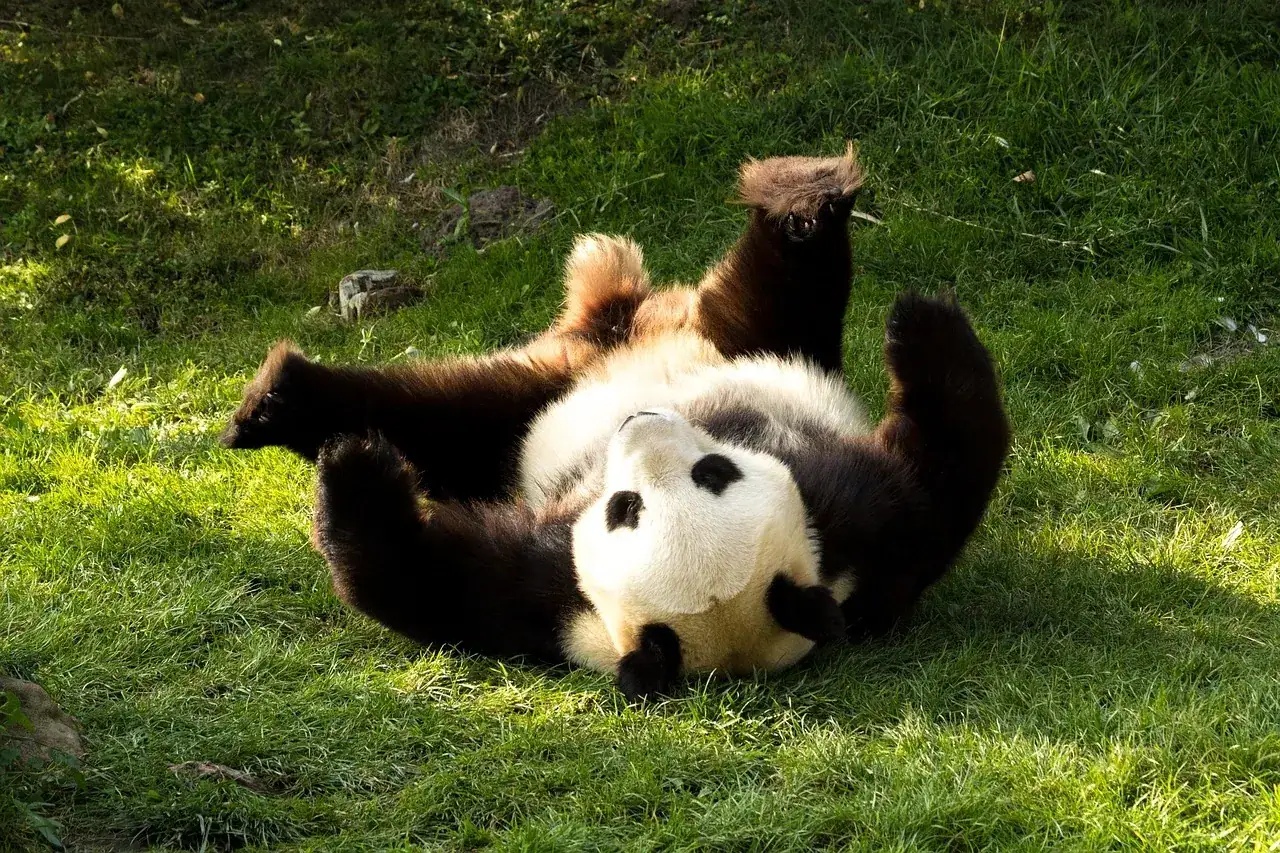
There is simply nothing like watching a giant panda eat bamboo with complete and total focus. The Chengdu Research Base is dedicated to breeding and conservation of giant pandas, and it is one of the best places in the world to observe them up close in a thoughtfully managed environment. Educational programs go deep into what it takes to bring a species back from the brink. No trip to Chengdu is complete without it.
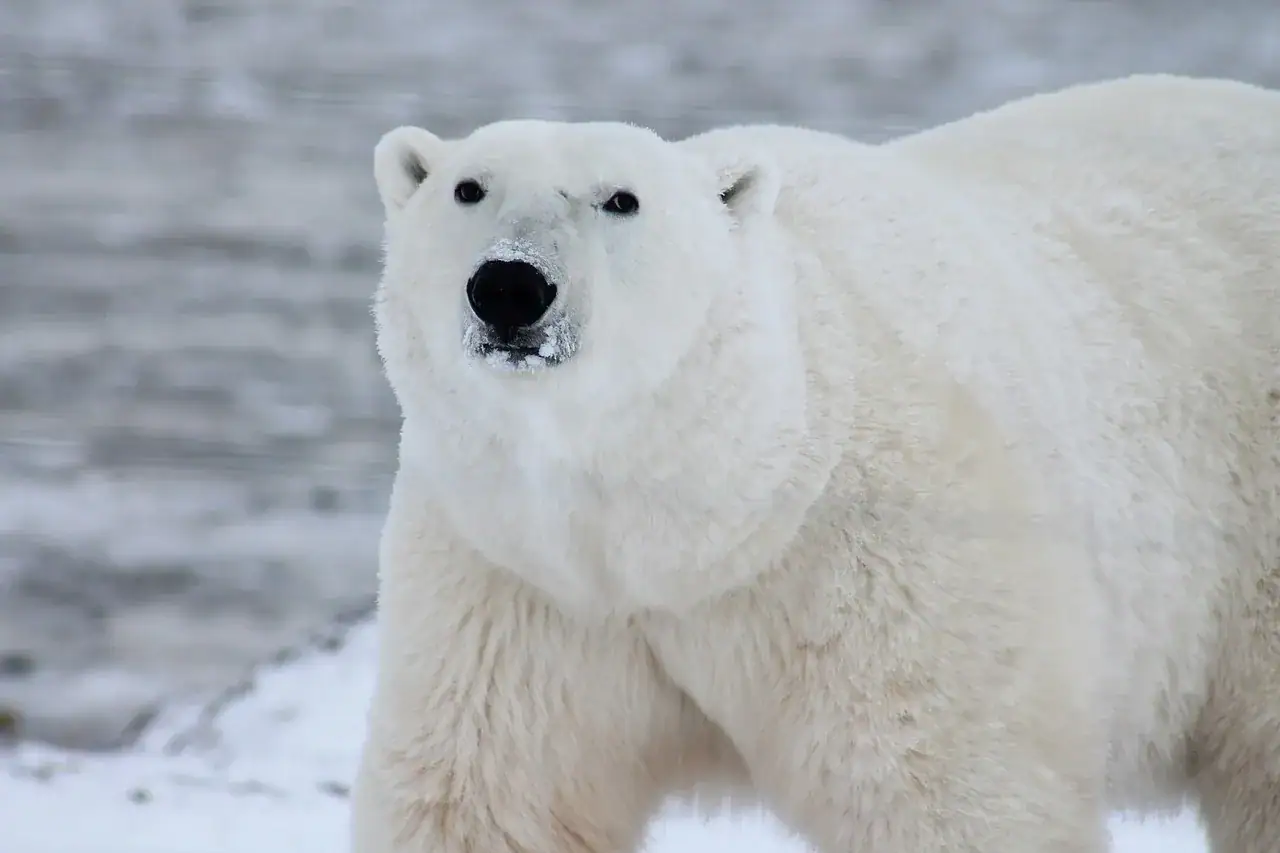
Churchill, Manitoba calls itself the Polar Bear Capital of the World, and it earns the title every fall when polar bears gather along the coast of Hudson Bay waiting for the ice to form. One of the best ways to experience it is through Natural Habitat Adventures, the tour operator that has partnered with WWF for decades and built its entire philosophy around conservation-focused, low-impact travel. Their small-group tundra buggy expeditions get you close to the bears in a way that is safe for both you and the wildlife, and their expert guides weave in the science of Arctic conservation and the very real impact of climate change on this ecosystem. A portion of every trip directly supports polar bear research and protection. It is remote, it is cold, and it is absolutely unforgettable.
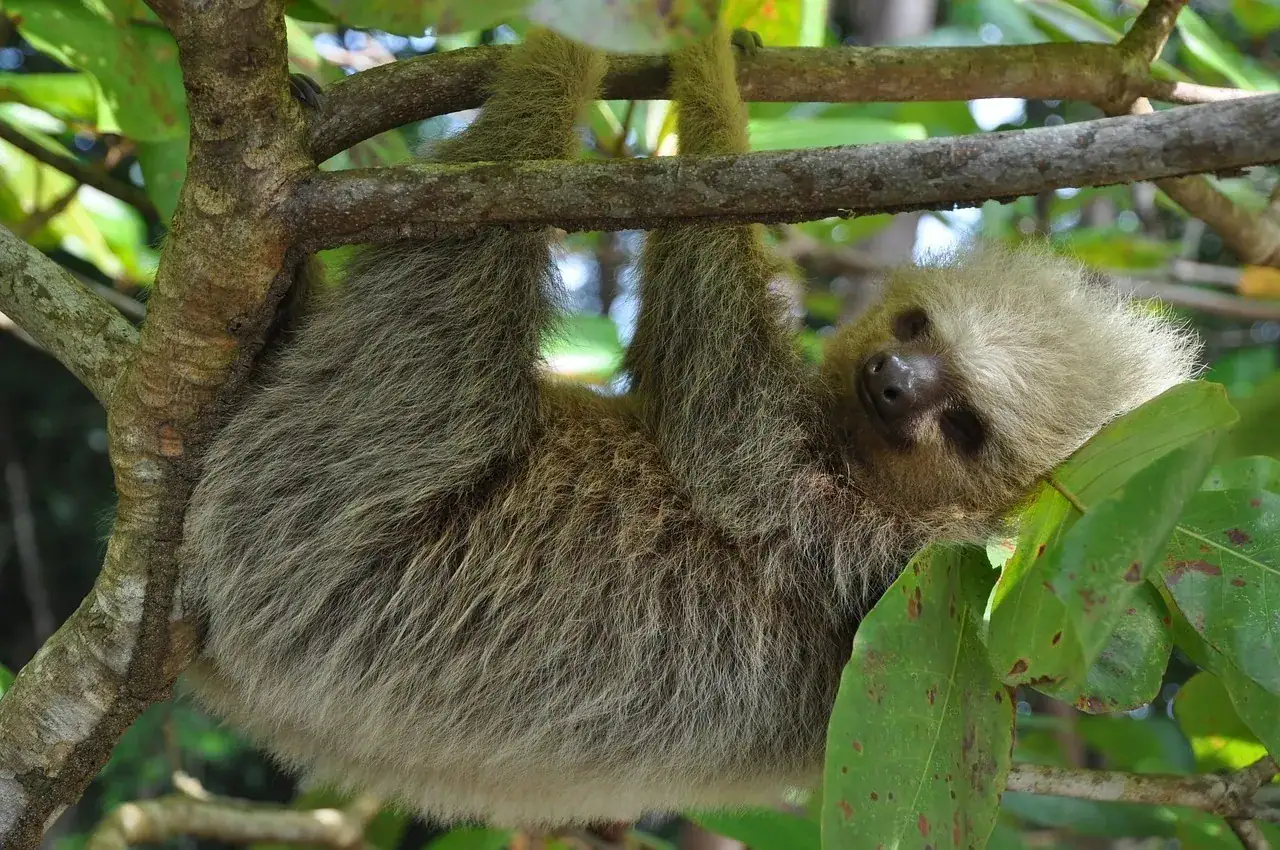
Sloths move slowly, but the work happening at this sanctuary in Costa Rica’s Caribbean coast moves with real purpose. Injured and orphaned sloths are rescued, rehabilitated, and where possible, returned to the rainforest. Guided tours let you meet the residents, and volunteer programs put you to work in feeding and habitat maintenance. Pair it with Costa Rica’s beaches and jungle trails and you have a trip that covers every kind of nature experience you could want.
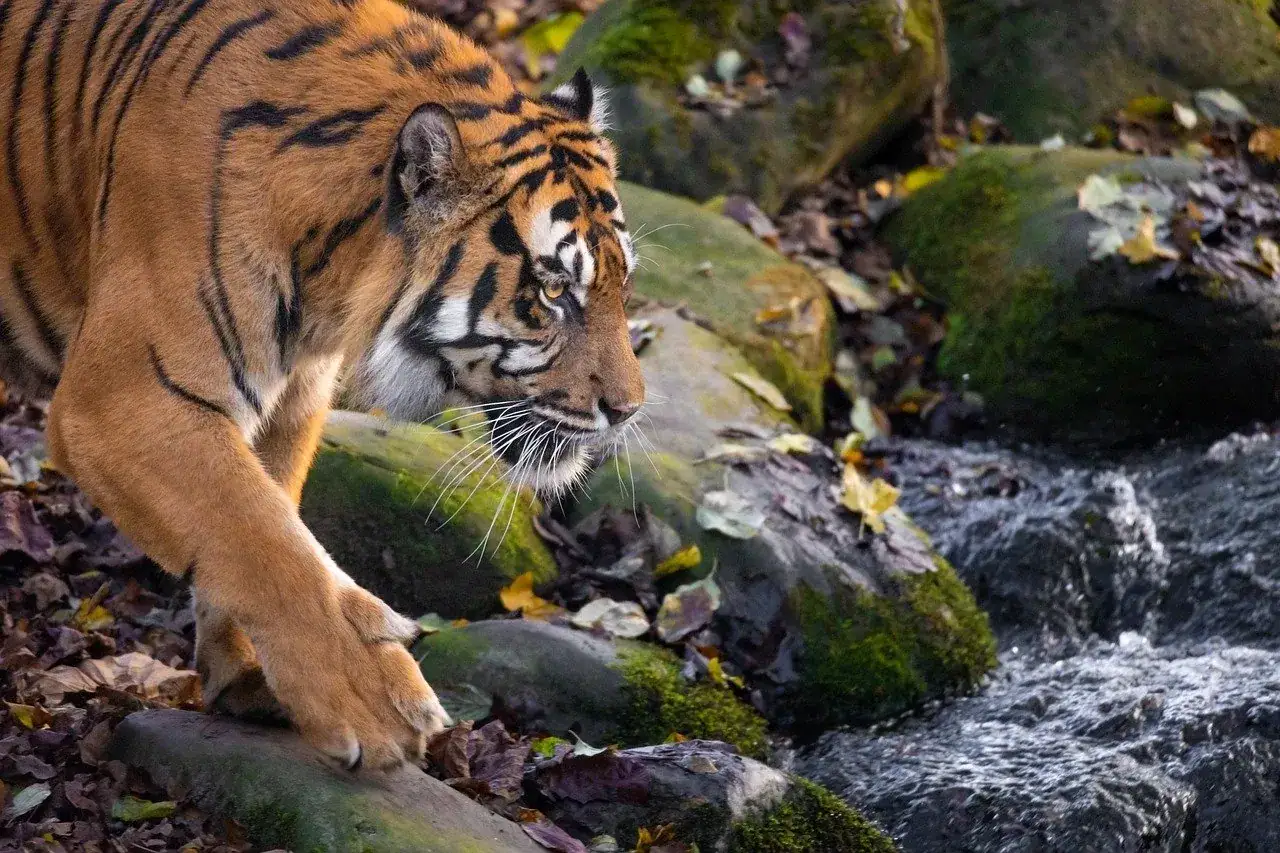
India’s tigers are one of the great conservation comeback stories of our time, and Ranthambore is one of the best places to see them in the wild. Guided jeep safaris move through the park’s forests and lakes, where tigers, leopards, and a stunning variety of birds share the landscape with ancient ruins. The park’s anti-poaching work and community outreach programs have made a measurable difference. Combined with Rajasthan’s incredible culture, architecture, and food, this one belongs on every serious traveler’s list.
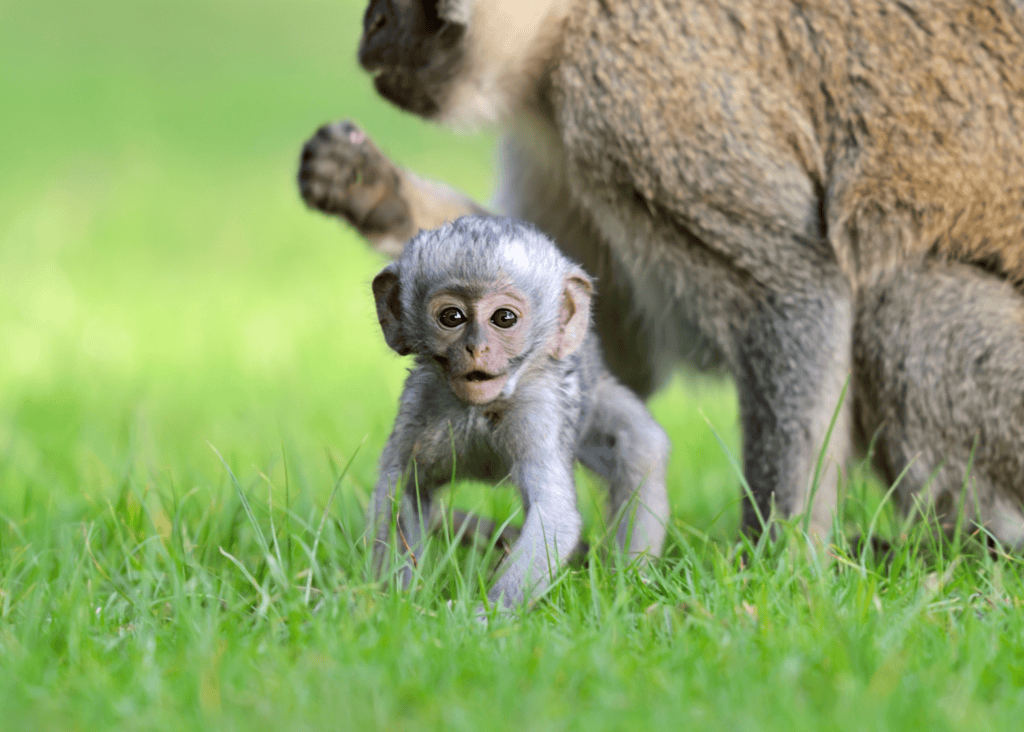
The common thread running through all of these places is simple: the animals win when travelers show up with intention. Every visit, every volunteer hour, every foster sponsorship funds the work that keeps these programs running. You get an experience that will stay with you forever. They get a fighting chance.
Ready to start planning your wildlife adventure? Contact Gina and let’s build a trip worth taking.