
The Best Day Trips from Paris
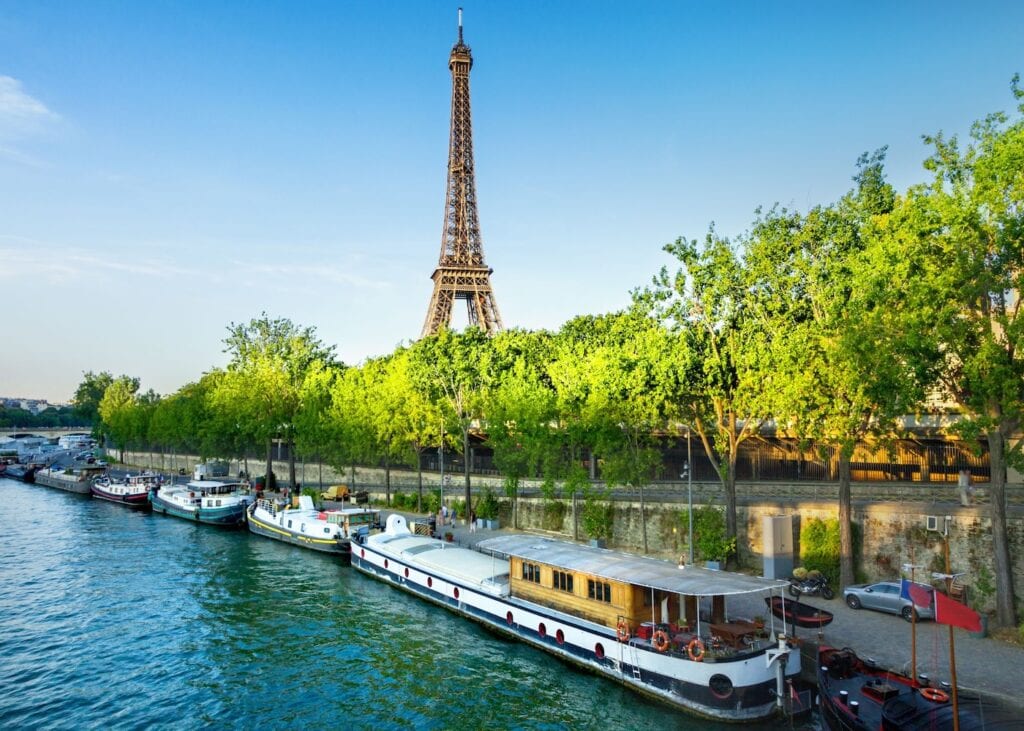
Most people who visit Paris stay in Paris the entire time. I get it. The city is enormous and there’s always one more neighborhood, one more museum, one more café you haven’t tried yet. And honestly, you could spend two weeks there and still feel like you didn’t finish. But if you have five days or more, I’d strongly encourage you to spend one of them getting on a train. France outside of Paris is quieter, slower, and in a lot of ways more French. The food gets more regional. The towns get smaller. You stop feeling like a tourist and start feeling like someone who actually knows the country. The destinations on this list are all within two hours of the city, most of them are completely doable on your own, and every single one of them will change the way you think about the trip.
Versailles
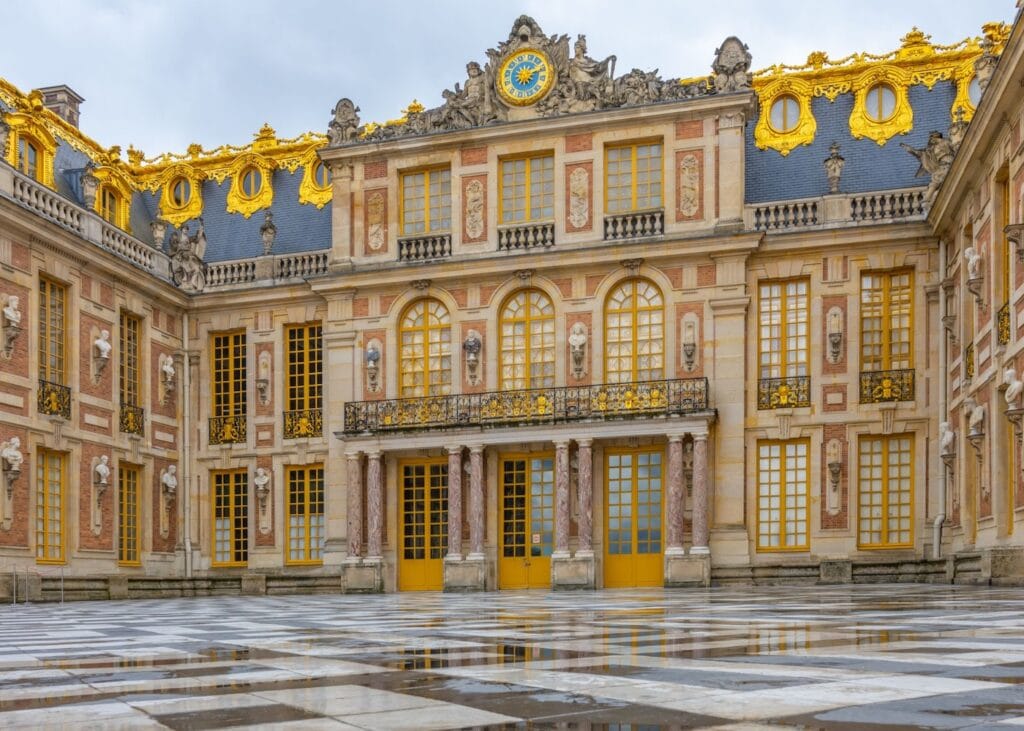
Every first-time visitor to Paris should go to Versailles, and almost everyone does. The problem is that most people go, feel overwhelmed by the crowds, and leave without really experiencing it.
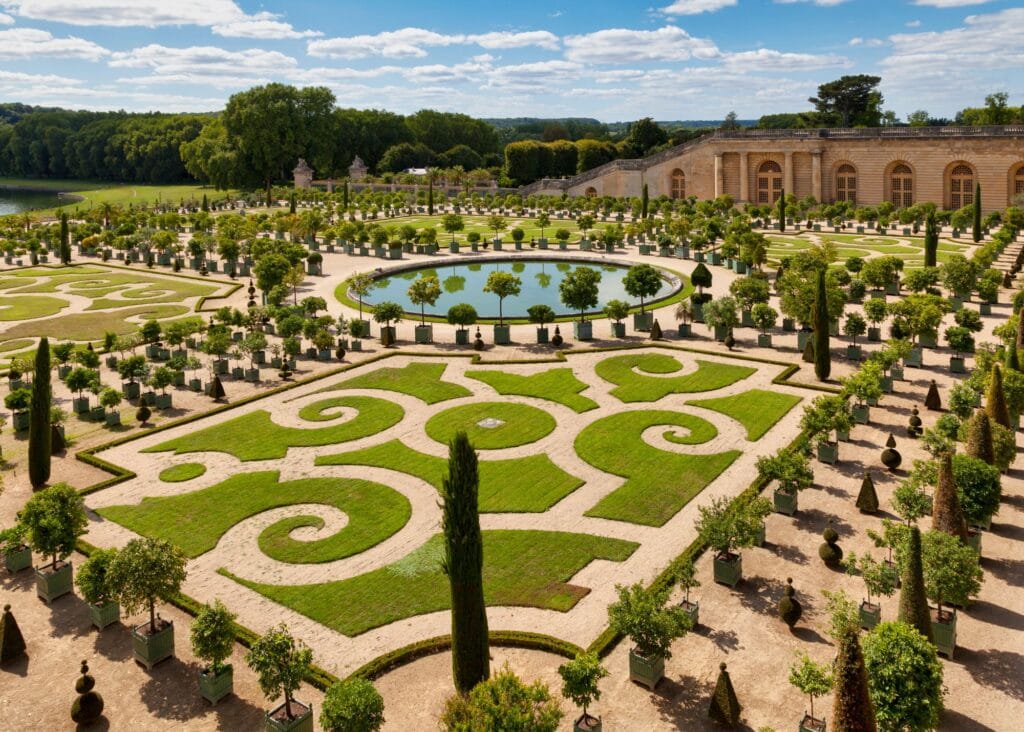
Here’s what actually makes it worth the trip. The town of Versailles has one of the best open-air markets in the region, running Tuesday, Friday, and Sunday mornings at the Place du Marché Notre-Dame. Go on a market morning, buy cheese and charcuterie and fresh bread, and have a picnic on the palace grounds with the Grand Canal in front of you. That’s the Versailles experience I’d send anyone for.
Inside the palace, skip the long queues for the Hall of Mirrors if the wait is brutal and head straight to Marie Antoinette’s Petit Trianon and the Hameau de la Reine, the fake peasant village she built so she could escape court life and pretend to be a farmer. It tells you more about 18th-century France than anything else on the property.
Épernay
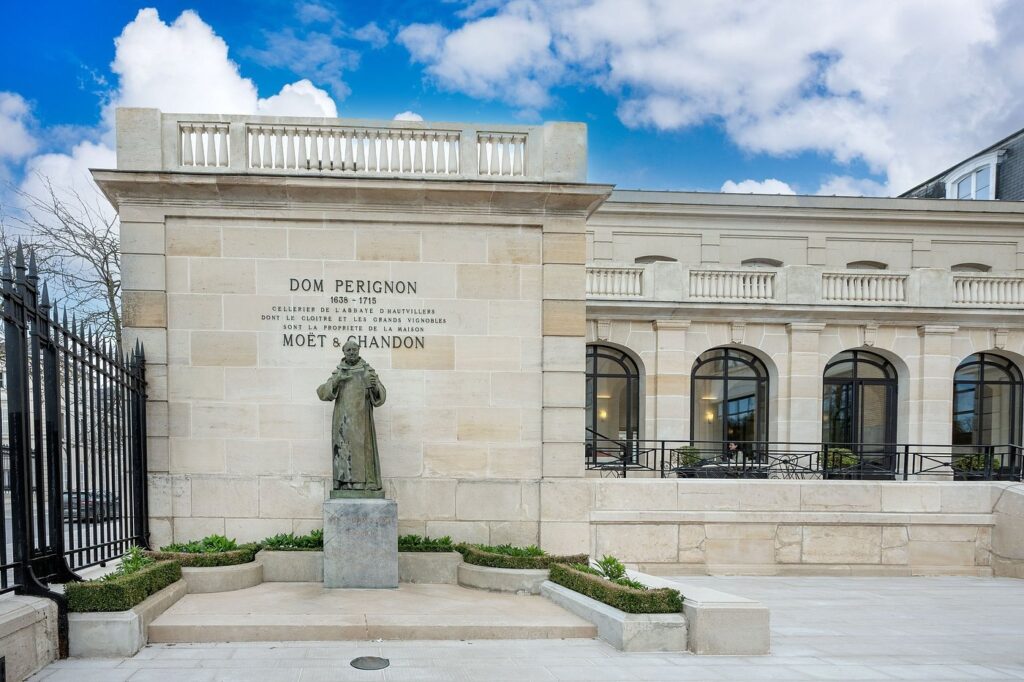
If Reims is the cathedral city of the Champagne region, Épernay is the cellar. The town itself is modest, but the Avenue de Champagne is something else entirely. This single kilometer of road is the address of Moët and Chandon, Perrier-Jouët, Pol Roger, and some of the most famous champagne houses in the world. Directly beneath the pavement, around 110 kilometers of chalk tunnels hold an estimated 200 million bottles aging in the dark.
The cellar tours here are excellent and most end with a proper seated tasting. The food along the Avenue de Champagne leans into the obvious pairing of champagne and local cuisine, and the region has a style of cooking you won’t find in Paris: richer, cream-heavy, built around the assumption that there will be something cold and bubbly alongside everything.
Reims and Épernay are just 35 minutes apart by train, so combining them in a single day is very doable. Start in Épernay for the cellars in the morning and end in Reims for the cathedral and dinner.
.
Giverny
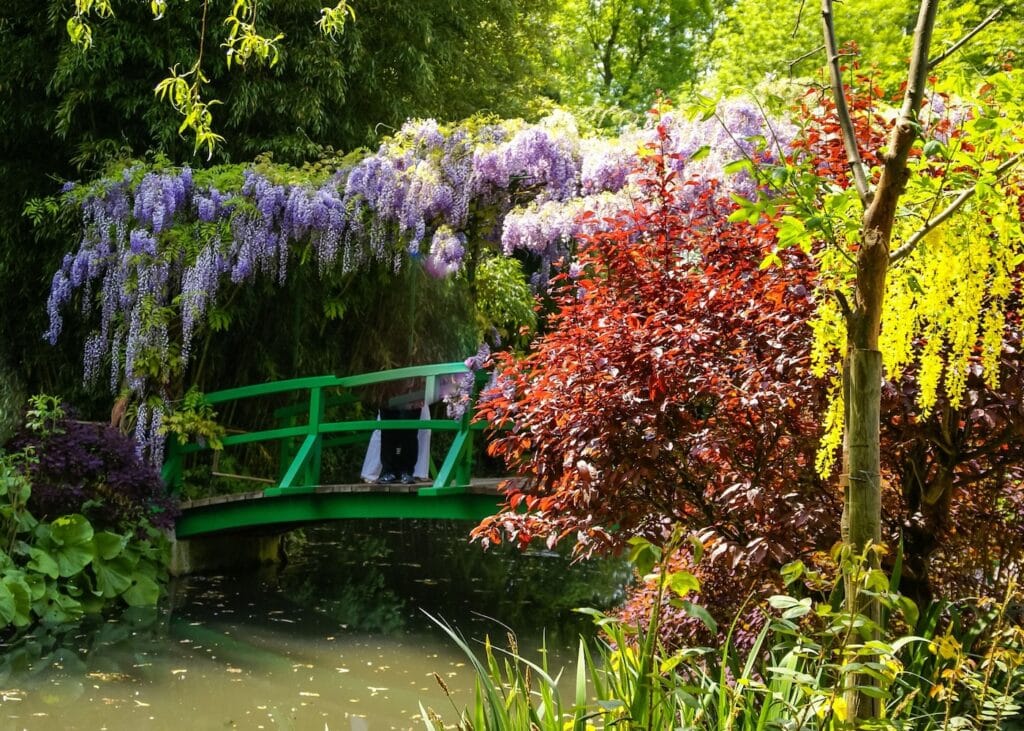
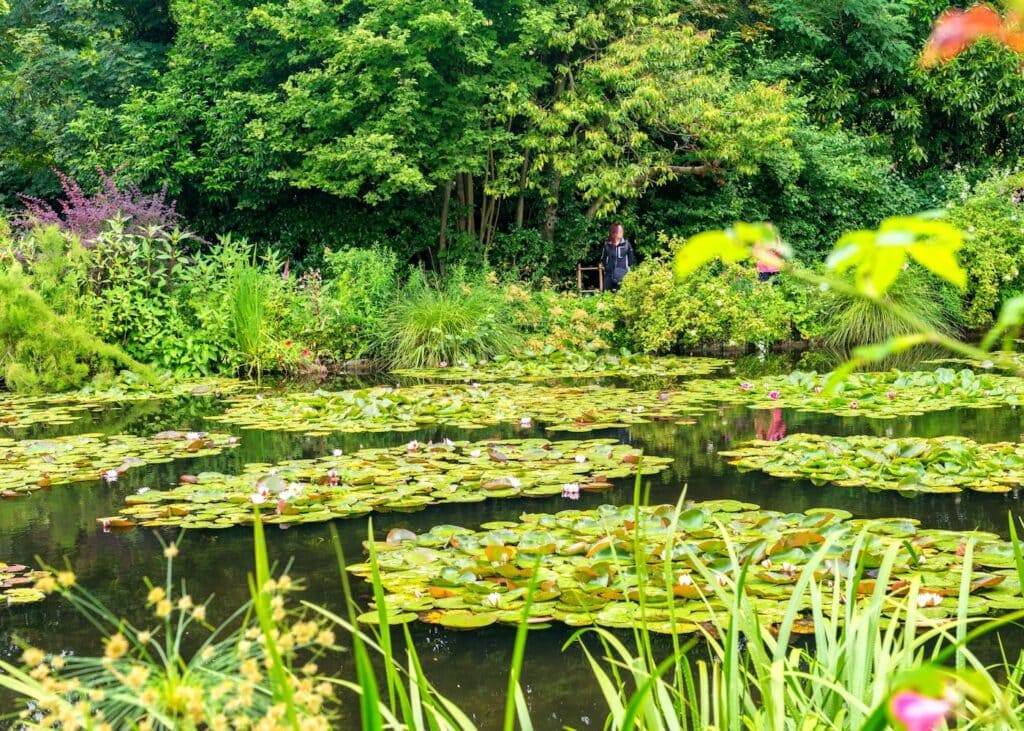
Monet lived at Giverny for 43 years. He didn’t just garden here. He engineered the whole thing: diverted a stream, built the Japanese bridge, planted exactly what he wanted to paint, and then painted it for the rest of his life. The garden came first. The paintings followed.
What’s remarkable is how faithful the current garden is to what he created. It’s replanted every year from his original plans, so you really are walking through the thing that produced those paintings. That sounds touristy, but it’s actually kind of extraordinary when you’re standing on that bridge.
Go in late May or early June when the wisteria is out. Get there when the gates open at 9:30. The tour buses arrive by mid-morning and the paths get genuinely crowded. If you want lunch afterward, the town of Vernon nearby has good riverside restaurants and that’s where Normandy cooking starts making itself known on the menu.
Reims
Reims is the most underrated 45-minute trip in Europe. Most people know it as the champagne city, and yes, the underground chalk cellars at the major houses like Veuve Clicquot, Taittinger, and Ruinart are absolutely worth doing. Book ahead though. English-language tours fill up fast and the good ones have limited spots.
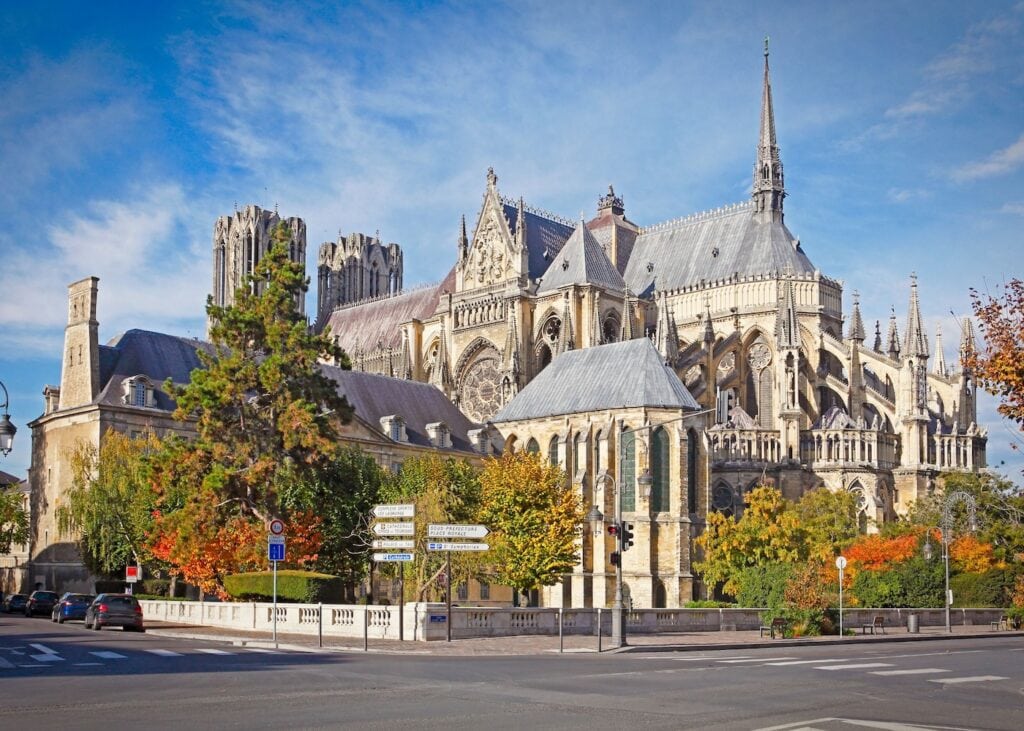
But don’t let the champagne be the only reason you go. The Cathédrale Notre-Dame de Reims is genuinely one of the best cathedrals in France, and France has some serious competition in that category. It was the coronation site for nearly every French king for close to a thousand years, started in 1211, and has Marc Chagall windows sitting alongside original medieval glass that survived two world wars. Give yourself time inside before you head to the cellars.
One more thing: find Maison Fossier before you leave and buy a box of Biscuits Roses. These pink wafers have been made in Reims since the 17th century. You dip them in champagne. Do it.
The Loire Valley
The Loire Valley is technically a stretch for a day trip since the chateaux are spread out and you’ll need a guided tour or a car once you arrive. But it’s one of those cases where the logistical effort pays off the minute you see Chenonceau.
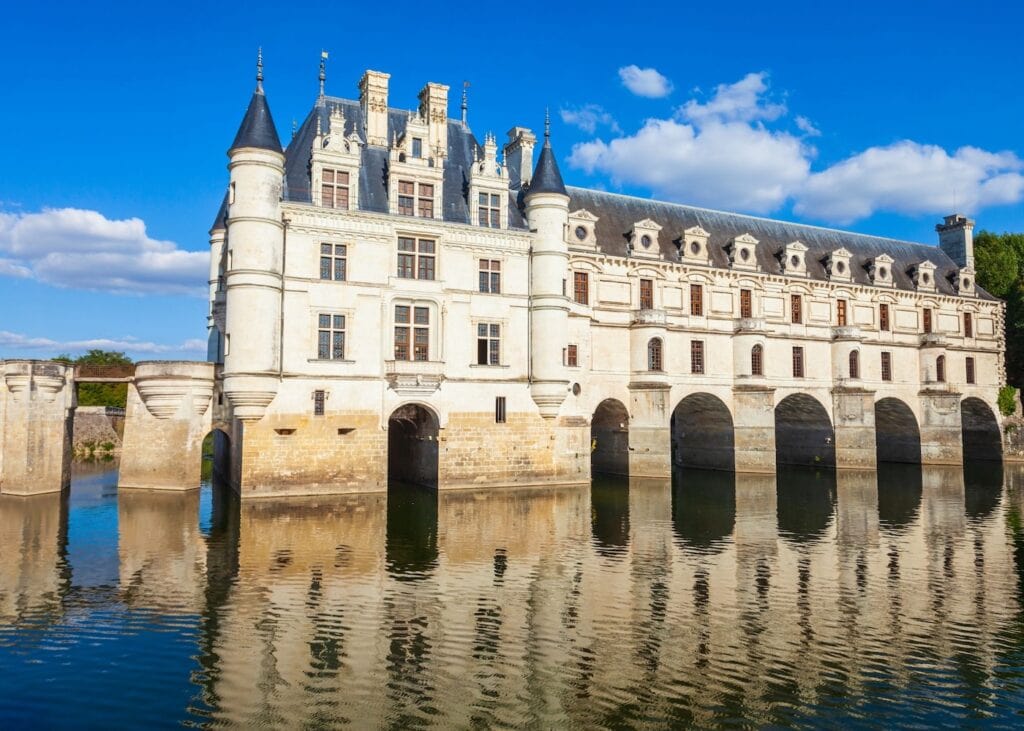
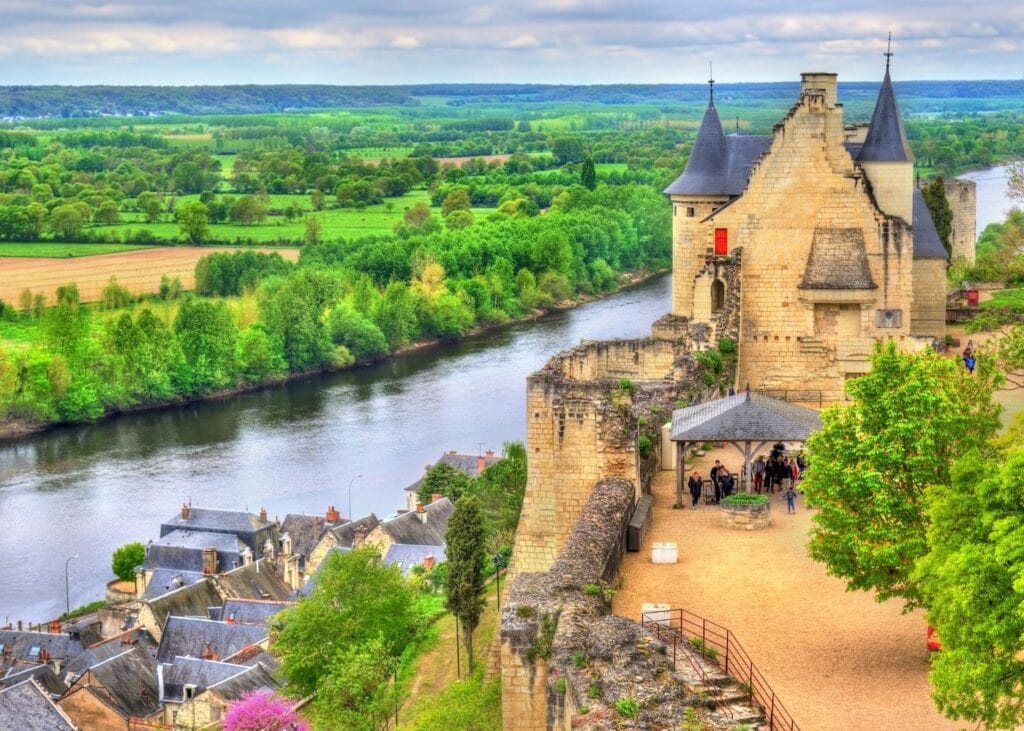
Chateau de Chenonceau spans the Cher River on a series of elegant arches and has some of the most stunning gardens in France. It was shaped largely by two women, Diane de Poitiers and Catherine de Medici, who feuded over the property for years and let their rivalry play out in the architecture. The kitchen, installed directly in the bridge piers over the water, is worth the trip on its own.
Chateau de Chambord is the largest castle in France, originally built as a royal hunting lodge, which gives you a sense of scale. Some historians credit the famous double-helix staircase to Leonardo da Vinci, who spent his last three years at nearby Amboise. For wine, the Loire produces Vouvray, Sancerre, Chinon, and Bourgueil. Excellent bottles you’re getting directly at the source.
Fontainebleau
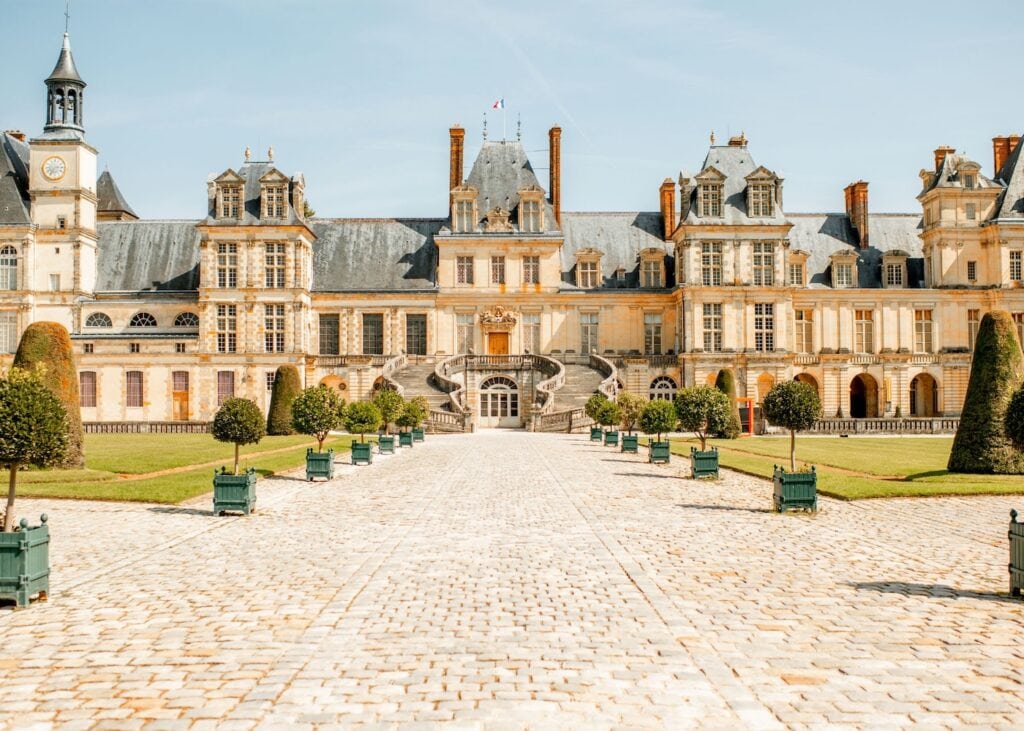
Fontainebleau is what I recommend when someone wants Versailles without the crowds. The chateau has 700 years of royal history behind it. Napoleon loved it so much he called it “the true home of kings” and signed his abdication here in 1814. That room still exists exactly as it was.
Inside, Francois I brought Italian Renaissance artists in the 1530s to decorate the palace, which created what became known as the School of Fontainebleau and was essentially the first time the Italian Renaissance was transplanted seriously to France. It feels different from Versailles. More layered. More human.
The thing most visitors miss entirely is the forest. The Foret de Fontainebleau surrounds the whole town and has been a destination for painters and walkers for centuries. The Barbizon School painters, the ones who came before the Impressionists and influenced them, lived and worked out here. Walk into the woods after the palace. The covered market in town has excellent produce and charcuterie if you want to put together a picnic.
Chartres
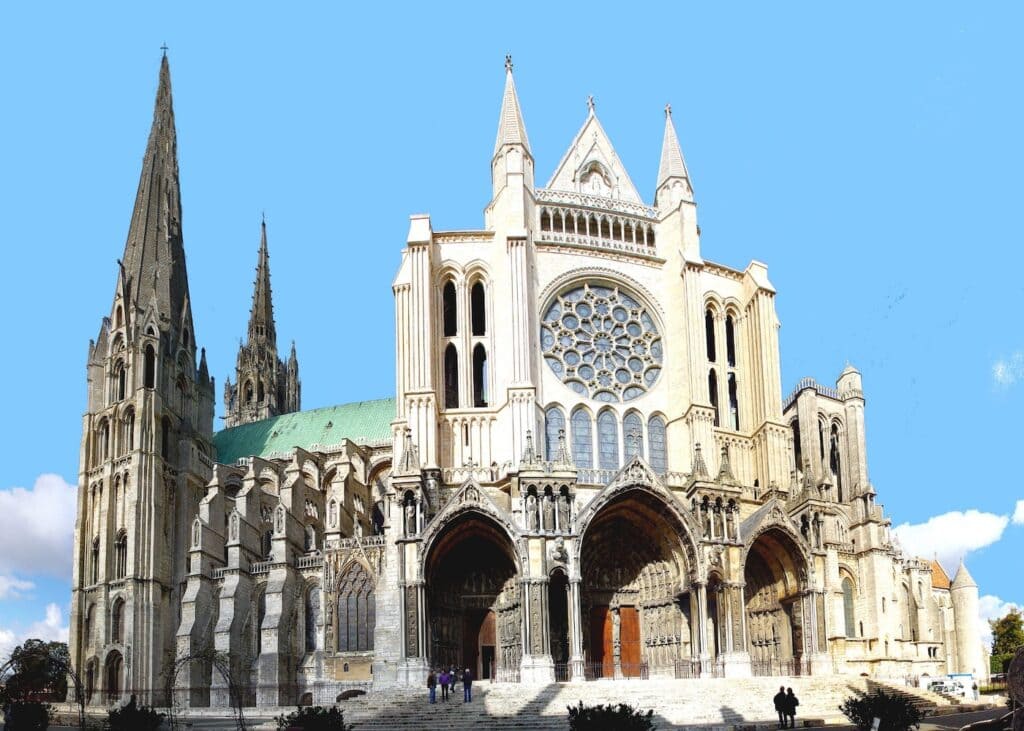
Chartres Cathedral is one of the great buildings of the Western world, and I don’t say that casually. It was built almost entirely between 1194 and 1220, which is astonishingly fast for a structure of this scale. Most Gothic cathedrals were built in stages over hundreds of years, and the inconsistency shows. Chartres was essentially done in a generation, and it reads that way.
The stained glass is the other thing. There are 176 windows covering nearly 2,600 square meters, most of it original 12th and 13th-century glass. During World War II the windows were taken out and hidden to protect them from bombing. They came back intact. Walk around the interior slowly. It takes time for your eyes to adjust to what you’re looking at.
After the cathedral, go down into the lower town along the Eure River. Most day-trippers never find it. Half-timbered houses, old lavoir washhouses, riverside gardens. On Saturday mornings the market runs through the old town center, and the bread and pastry here are excellent. Chartres sits in the middle of the Beauce grain plain, sometimes called the breadbasket of France, and you taste it.
Honfleur
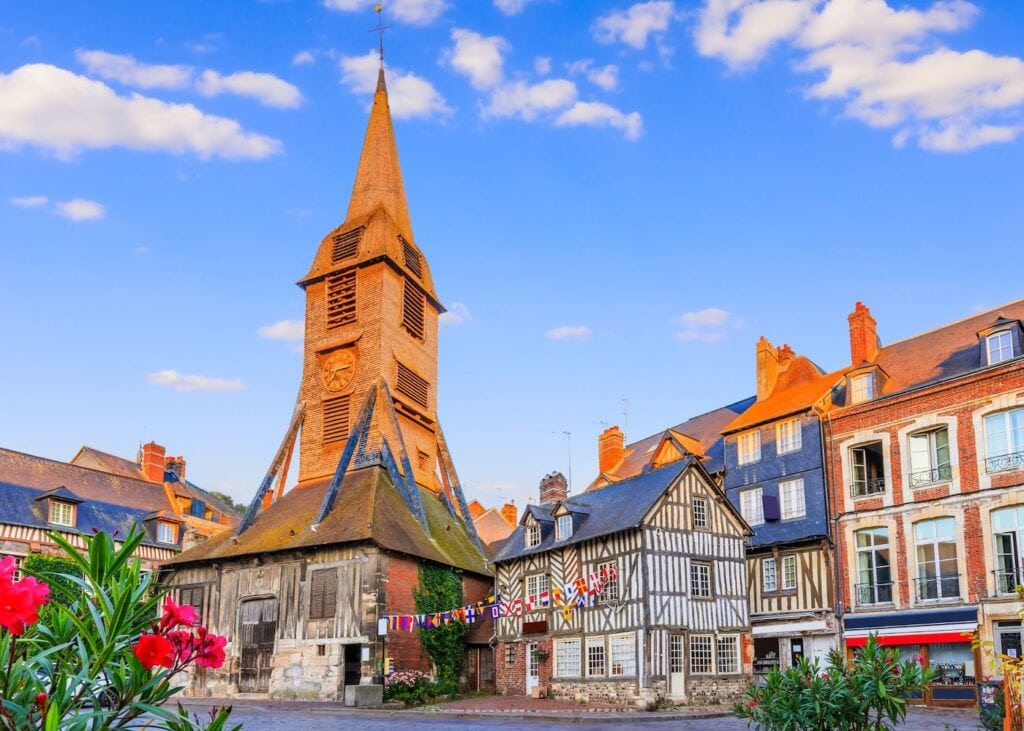
Honfleur is the farthest destination on this list and the only one that pushes past two hours with the connection, but I include it because it’s unlike everything else here and the seafood is worth the trip on its own.
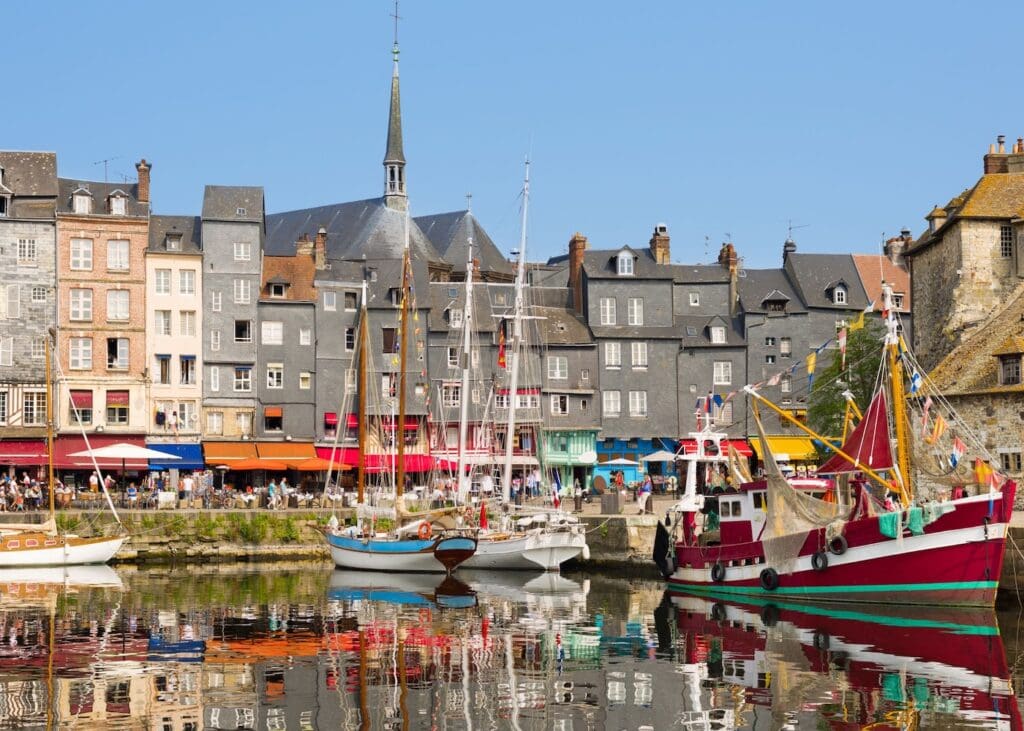
The harbor, the Vieux Bassin, is one of the most painted spots in French art history. Boudin was born here. Monet came to paint alongside him. Courbet, Cézanne, and Seurat all worked here at some point. There’s a quality of light on the Norman coast, soft and diffuse and constantly shifting, that apparently made it irresistible. The harbor today looks almost exactly like those 19th-century paintings, which is a strange and lovely thing.
The restaurants around the inner basin serve excellent seafood. Moules marinières, grilled sole, oysters, and Calvados, the apple brandy of Normandy, to finish. Go on a weekday if you can. Summer weekends bring real crowds and the town is small enough that it changes the experience significantly.
You don’t need to stray far to feel like you’ve seen a completely different country. A day trip from Paris isn’t a detour from your trip. For a lot of travelers, it ends up being the highlight. The pace changes the minute you step off the train somewhere smaller. The food gets more regional, the crowds thin out, and France starts to feel less like a backdrop and more like the actual destination. Any of these eight will give you that.
If you want someone to handle the details, from train reservations to tasting bookings to a restaurant that isn’t on every list, that’s what I do. Reach out and we can build a Paris trip that actually uses the city as a base.