
"Slow Travel" Itinerary Planning That Feels Right

If you’ve ever come home from a beautiful trip feeling oddly tired, a little rushed, and like you somehow missed the place you just visited, that’s usually a pacing problem, not a destination problem. Slow travel itinerary planning changes that. It gives your trip room to breathe, so you can actually experience where you are instead of racing through a checklist. You have probably seen the new buzz phrase, “slow travel.” For many people, this is just the way they’ve always done it. But for others, slowing down and spending more time in one place is a new concept!
I often see this with travelers who want their vacation to feel meaningful, comfortable, and well cared for, but who have been conditioned to believe that “more stops” means “more value.” In reality, too many hotel changes, trains, packed sightseeing days, and poorly timed transfers can drain the joy out of even the most extraordinary itinerary. A well-paced trip feels different right away. You sleep better, settle in faster, and have the space to notice the details that make travel memorable.

What slow travel itinerary planning really means
Slow travel doesn’t mean doing nothing, and it definitely doesn’t mean sacrificing quality or missing out. It means designing your trip around depth rather than volume. Instead of trying to cover three countries in eight days, you might spend that time in one region, moving thoughtfully and staying long enough to understand its rhythm.
That rhythm matters more than people realize. A city feels different on your first afternoon than it does on your third morning. A coastal town opens up once you know where to get coffee, which streets are quiet at sunset, and which local guide can show you a side of the place you would never find on your own. Slow travel creates space for those layers.
For some travelers, that looks like fewer hotel changes and more nights in each destination. For others, it means balancing immersive touring with downtime, or choosing experiences with emotional resonance over a long list of attractions. The right version depends on your travel style, energy level, and what you want the trip to feel like.
Why thoughtful pacing changes the entire trip
The biggest benefit of slower pacing is not just rest, though that matters. It’s presence. When your itinerary is built with intention, you’re less likely to spend the trip mentally catching up with logistics. You’re not constantly repacking, navigating transportation pressure, or wondering if you’re behind.
That’s especially important for solo women, couples on milestone trips, and families trying to coordinate different needs. A honeymoon should not feel like a scavenger hunt. A mother-daughter trip should not depend on everyone tolerating a punishing schedule. A solo journey should feel empowering, not exhausting.
There are practical advantages too. Longer stays often make better room categories, private experiences, and local relationships more worthwhile. You can time arrivals and departures more intelligently. You can build around jet lag instead of pretending it doesn’t exist. And you can leave room for weather, mood, and spontaneity without everything falling apart.
The trade-off, of course, is that you may see fewer headline destinations on paper. But most travelers who choose depth over density come home feeling they experienced more, not less.

Slow travel itinerary planning works best when it starts with you
This is where generic trip templates fall short. Slow travel only works when it reflects the traveler, not a trend. Some people genuinely love movement and variety. Others need consistency, privacy, and ease to enjoy themselves. Neither is wrong, but they lead to very different itineraries.
Before a trip is mapped out well, I want to understand how you travel, not just where you want to go. Do you like waking up in one place and staying put for several days? Do you enjoy wandering with flexible time, or do you feel more relaxed when key experiences are arranged in advance? Are you energized by cities but in smaller doses? Do you need a property that feels like a retreat after sightseeing?
Those details shape everything. A couple planning an anniversary trip through Italy may technically have time for Rome, Florence, and the Amalfi Coast, but that does not automatically make it wise. If what they really want is beauty, intimacy, exceptional food, and unhurried days, a two-stop itinerary may serve them much better. The same principle applies to a solo traveler in Japan, a family in Portugal, or a small group in Morocco.
The details that make a slower itinerary feel luxurious
Luxury in travel is not only about the property. Often, it’s about how the trip flows. It’s the difference between landing after an overnight flight and having a calm, well-timed arrival instead of losing half a day to confusion. It’s having enough nights in a place to unpack. It’s knowing your driver, guide, and hotel choices were selected with care, not plugged in to fill space.
In slow travel itinerary planning, small decisions create a very polished experience. The order of destinations matters. So does the length of each stay. The style of transportation matters too. A scenic train can feel romantic and easy in one itinerary, but inconvenient in another. A private transfer may sound like a splurge until you realize it saves energy exactly where you need it most.
The same is true for experiences. One meaningful market visit with the right local expert can be more memorable than three rushed tours stacked back to back. One exceptional heritage hotel can anchor an entire trip. One open afternoon can become the moment you remember most.

Where travelers usually overpack an itinerary
There are a few patterns I see again and again. The first is trying to match a once-in-a-lifetime mindset with a maximum-efficiency route. When people worry they may never return, they start adding destinations out of fear rather than desire. That often leads to a trip that looks impressive in a document but feels fragmented in real life.
The second is underestimating transit fatigue. A two-hour flight is never just a two-hour flight. It includes packing up, checking out, getting to the airport, security, waiting, flying, collecting bags, and getting oriented on the other side. That can consume most of a day, especially internationally.
The third is forgetting that emotional energy is part of the equation. This matters for families with children, for couples planning something special, and for solo travelers who want confidence and ease. Even the most beautiful trip can start feeling like work when every day requires decision-making, navigation, and momentum.
A better way to think about what to include
Instead of asking how much you can fit in, ask what deserves time. Which destination actually aligns with the reason you’re taking this trip? What experiences would feel disappointing if rushed? Where would an extra night create the most ease or the most depth?
Usually, the strongest itineraries have a clear center of gravity. Maybe it’s food and culture in northern Spain, restorative coastal time in Greece, or a heritage-driven journey through a region with personal meaning. Once that core is clear, the rest of the trip can be edited around it.
That editing is where thoughtful planning becomes so valuable. It’s not just about making reservations. It’s about protecting the feeling you want from the trip. Sometimes that means saying no to a destination that is lovely but logistically disruptive. Sometimes it means spending more on the right property so the pace of the trip feels restorative. Sometimes it means planning less in order to enjoy more.
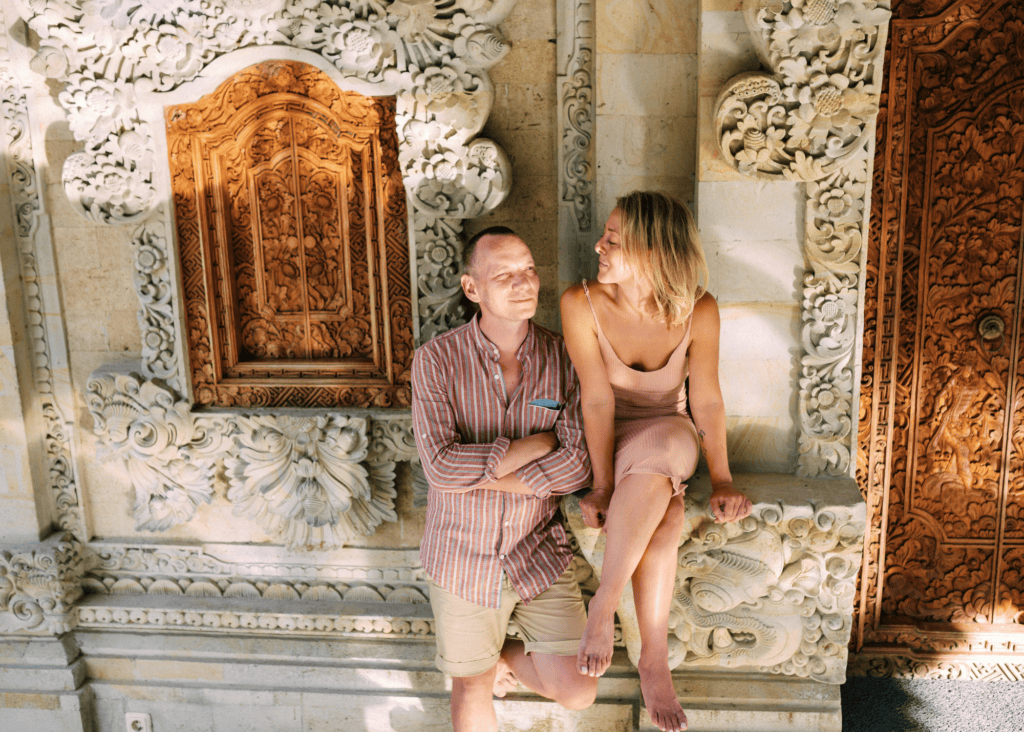
Slow travel itinerary planning is personal by design
The best slower-paced itineraries do not feel empty. They feel intentional. They account for comfort, safety, style, and the practical realities of how you move through the world. They leave space without leaving you unsupported.
That’s especially important if you want travel to feel elevated but easy. Most travelers know they want something more considered than a standard itinerary. Translating that into a cohesive, well-sequenced plan is where it gets complicated, and where the right planning support makes the biggest difference.
This is exactly why a bespoke planning process matters. At Gina Arefi Travel, slow travel is not about doing less for the sake of it. It’s about designing with discernment, so your trip feels graceful, immersive, and deeply suited to you.
If you’ve been craving a trip that feels less hectic and more meaningful, you do not need to lower your expectations. You just need an itinerary built with more care than speed. The right journey should leave you with memories, not recovery time.